
How to Grow and Care for Dwarf Siberian Pine
Pinus pumila
Written by Emilio Marruso · last checked
At a glance
This pine gives seeds you can eat: rich in oil, with a slightly resinous flavor and a pleasantly soft texture. They are hard to gather, so birds, rodents and even bears usually get them first. Start your own from seed sown as soon as it ripens, or in late winter in a cold frame, or from cuttings of very young trees.
- Cold
Survives winters down to −60 °F (−51.1 °C)
Very hardy · USDA 1 · RHS H7 · Z1
- Harvest
Edible seeds, rich in oil and slightly resinous, but hard to harvest
- Propagation
From seed, or from cuttings of trees under 10 years old
What the sources say (2)
Propagation: Seed; cuttings from very young trees less than 10 years old
It is best to sow the seed in individual pots in a cold frame as soon as it is ripe if this is possible otherwise in late winter.
— Pinus pumila - Useful Temperate Plants [2] Cuttings. This method only works when taken from very young trees less than 10 years old.
— Pinus pumila - Useful Temperate Plants [2] - Sowing
Sow as soon as the seed is ripe, or in late winter in a cold frame
What the sources say (1)
Sowing: As soon as the seed is ripe, otherwise late winter (sown in a cold frame)
It is best to sow the seed in individual pots in a cold frame as soon as it is ripe if this is possible otherwise in late winter.
— Pinus pumila - Useful Temperate Plants [2]
Overview
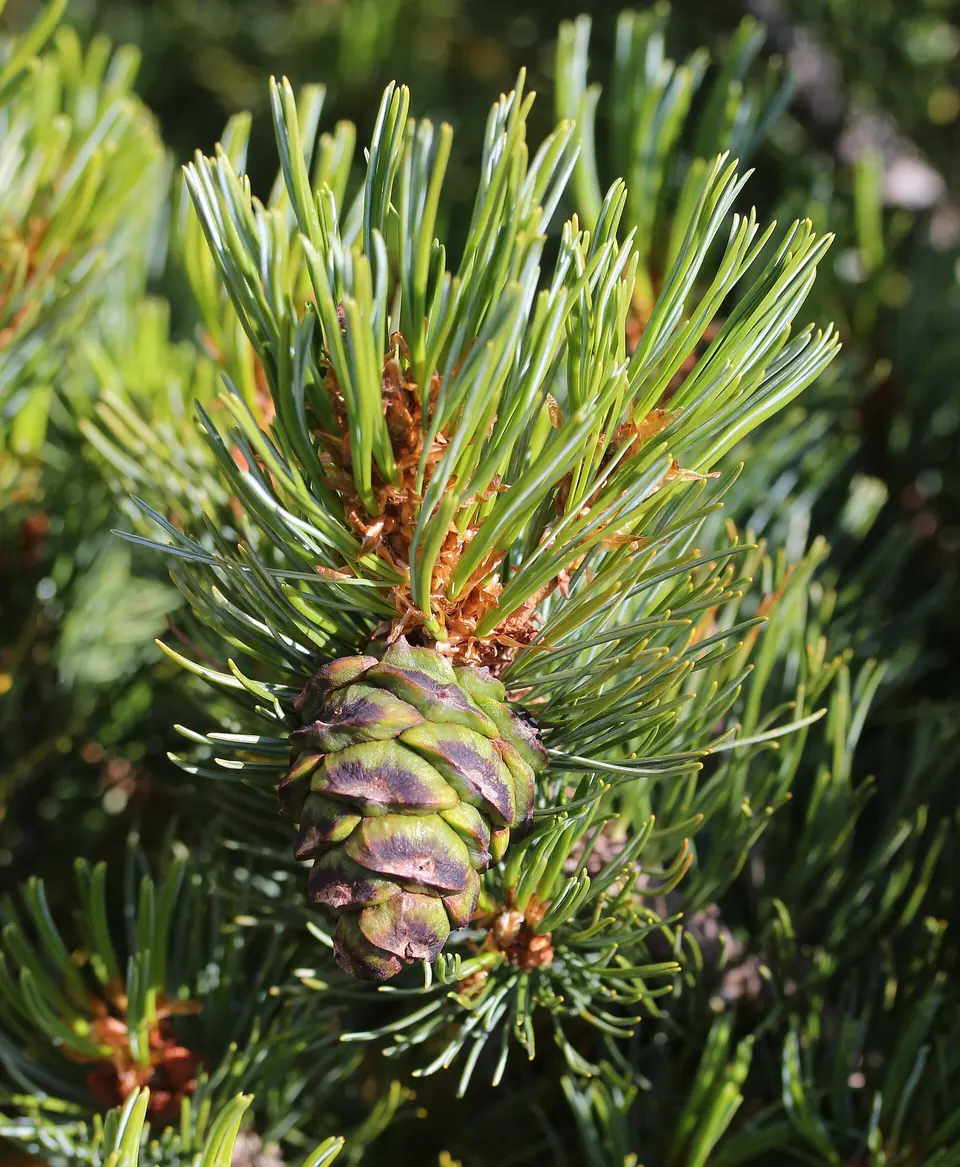
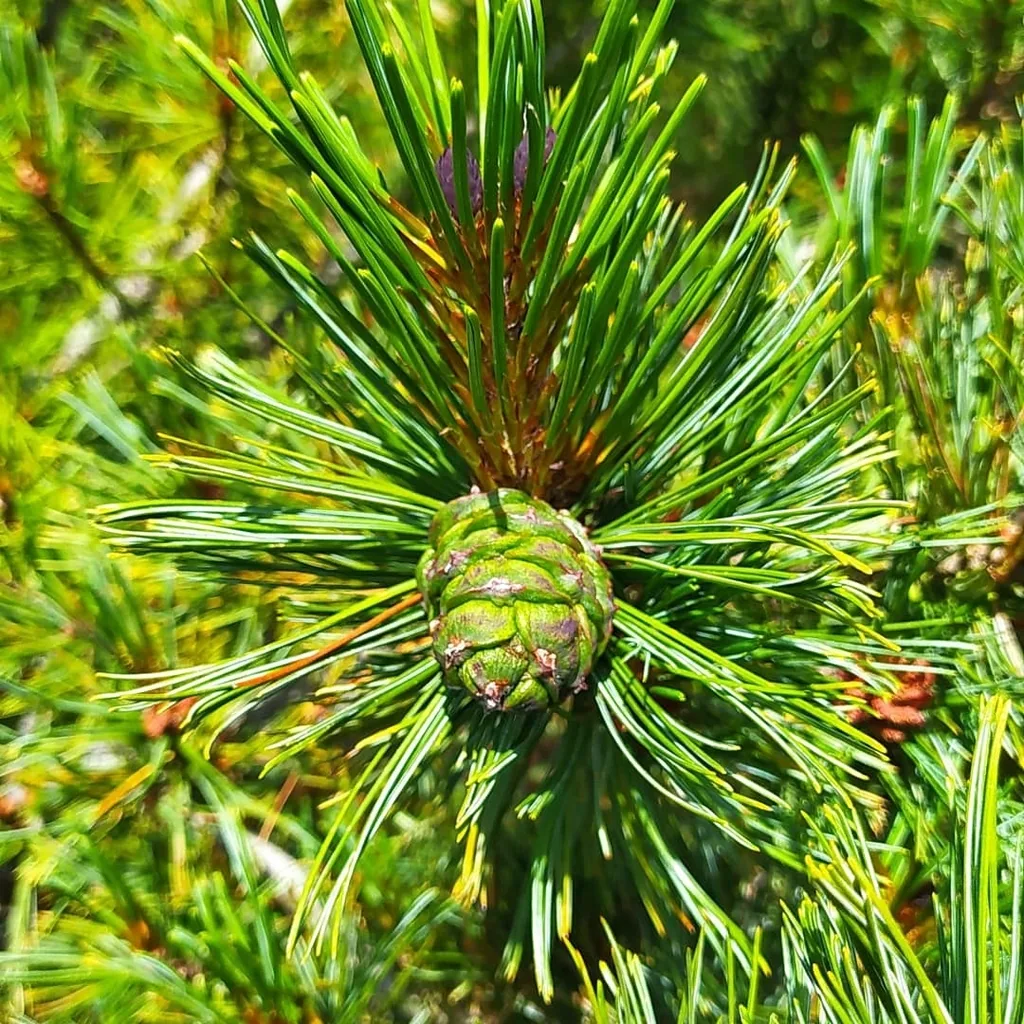
Pinus pumila is an evergreen shrub that becomes a small tree in the forest zone. [2] It is hardy to USDA Zone 1. [5] In horticulture it is rarely met with and mostly confined to botanic gardens and arboreta. [2]
This record is incomplete: the sources we read do not cover every field yet.
Not yet covered by our sources: Watering, Light, Hardiness, warmest zone, Pruning
Dwarf Siberian Pine care
How to water Dwarf Siberian Pine
Not stated in the sources we read.
How much light Dwarf Siberian Pine needs
Not stated in the sources we read.
How much cold Dwarf Siberian Pine can take
Hardiness, coldest zone
1 [winter low −51.1 to −45.6 °C (−60 to −50 °F)]
Hardiness, warmest zone
Not stated in the sources we read.
How to propagate Dwarf Siberian Pine
Seed; cuttings from very young trees less than 10 years old
What the sources say (2)
It is best to sow the seed in individual pots in a cold frame as soon as it is ripe if this is possible otherwise in late winter.Cuttings. This method only works when taken from very young trees less than 10 years old.Remedies
The sources we checked give no remedies for this plant.
Calendar
Sowing
As soon as the seed is ripe, otherwise late winter (sown in a cold frame)
What the sources say (1)
It is best to sow the seed in individual pots in a cold frame as soon as it is ripe if this is possible otherwise in late winter.Pruning
Not stated in the sources we read.
Months as given by the sources, which are mostly from the United States (northern hemisphere). In the southern hemisphere they shift by about six months.
Edibility
Reported by the source, quoted verbatim. Do not eat a plant on the basis of this page alone: identification mistakes can be dangerous.
The seeds are edible, but difficult to harvest and mostly left to birds, rodents and bears.
[2]Rich in oil, it has a slightly resinous flavour and a pleasant soft texture
[2]Although they made scant use of its mainly alpine habitat, the Ainu also ate the seeds, used the wood shavings to make tea,
[1]
Indicative values
Values from a secondary source, not checked word for word like the rest of this page. Use them as a starting point.
- Life cycle
- PerennialIndicative value, adapt it to your climate · Secondary source
- Mature height
- 30.5-274.3 cm (1-9 ft)Indicative value, adapt it to your climate · Secondary source
- Light
- Full sunIndicative value, adapt it to your climate · Secondary source
- Hours of sun
- 4-6 hoursIndicative value, adapt it to your climate · Secondary source
- Watering
- AverageIndicative value, adapt it to your climate · Secondary source
- Drought tolerant
- yesIndicative value, adapt it to your climate · Secondary source
- Soil pH
- 5-6.5Indicative value, adapt it to your climate · Secondary source
- Care level
- MediumIndicative value, adapt it to your climate · Secondary source
- Growth rate
- LowIndicative value, adapt it to your climate · Secondary source
- Pruning
- May, May, December, January, February, December, January, FebruaryIndicative value, adapt it to your climate · Secondary source
Similar plants
- Aleppo Pine Pinus halepensis
- Armand Pine Pinus armandi
- Austrian Pine Pinus nigra
- Bosnian Pine Pinus heldreichii
- Bristlecone Pine Pinus aristata
- Canary Islands Pine Pinus canariensis
- Chinese Pine Pinus yunnanensis
- Chinese Red Pine Pinus tabuliformis
Sources
Every value above is quoted from these documents. Links lead to the original publisher.
- Pinus pumila (Кедровый стланик) description - The Gymnosperm Database · conifers.org, consulted
- Pinus pumila - Useful Temperate Plants · temperate.theferns.info, consulted
- Pinus pumila description · www-archiv.fdm.uni-hamburg.de, consulted
- Plant Finder | Accession 20060133: Pinus pumila - Dwarf Siberian Pine · plants.bbg.org, consulted
- Conifer Database - pumila · conifersociety.org, consulted
Written by Emilio Marruso · last checked