
How to Grow and Care for Austrian Pine
Pinus nigra
Written by Emilio Marruso · last checked
At a glance
This sturdy black pine grows into a grand tree, 40 to 60 feet tall and 20 to 40 feet wide, perfect for a big sunny spot. Give it full sun and well-drained soil, and once established it shrugs off dry spells. It grows happily in most soils, as long as water never sits around its roots.
- Sun
Full sun
What the sources say (1)
Light: Full sun
The Austrian pine prefers full sun, moist, well-drained soils, and is adaptable to different soil types.
— Pinus nigra (Austrian Black Pine, Austrian Pine, Black Pine, Calabrian Pine, European Black Pine, Larch Pine) | North Carolina Extension Gardener Plant Toolbox [1] - Water
Average to dry; once established it handles drought
What the sources say (2)
Watering: Drought tolerant once established; average to dry moisture
It is easy to transplant and tolerates clay soils, urban pollution, salt, and drought once established.
— Pinus nigra (Austrian Black Pine, Austrian Pine, Black Pine, Calabrian Pine, European Black Pine, Larch Pine) | North Carolina Extension Gardener Plant Toolbox [1] Light: Full sun Moisture: Average to dry Soil
— Austrian Pine, Pinus nigra | VCE Publications | Virginia Tech [8] - Soil
Moist, well-drained soil; grows in most soils, but not in soggy ones
What the sources say (2)
Watering notes: Prefers moist, well-drained soils; most soils except poorly-drained soils
The Austrian pine prefers full sun, moist, well-drained soils, and is adaptable to different soil types.
— Pinus nigra (Austrian Black Pine, Austrian Pine, Black Pine, Calabrian Pine, European Black Pine, Larch Pine) | North Carolina Extension Gardener Plant Toolbox [1] Soil type: Most soils except for poorly-drained soils pH range: Acid to alkaline
— Austrian Pine, Pinus nigra | VCE Publications | Virginia Tech [8] - Pests
Aphids, sawflies and tip blight; pine wilt nematodes can kill a tree in one year
What the sources say (2)
Pests: aphids, adelgids, bark beetles, sawflies, pine needle miner, pine needle scale, pine spittlebugs, spruce mites, Zimmerman pine moth, pine wilt nematode
Potential insect pests include aphids, adelgids, bark beetle bore, sawfly larvae caterpillars, sawflies, pine needle miner larvae, pine needle scale, pine spittlebugs, spruce mites, Zimmerman pine moth, and pine wilt nematode.
— Pinus nigra (Austrian Black Pine, Austrian Pine, Black Pine, Calabrian Pine, European Black Pine, Larch Pine) | North Carolina Extension Gardener Plant Toolbox [1] Diseases: Sphaeropsis (Diplodia) tip blight, Dothistroma needle blight
The Austrian pine is susceptible to Sphaeropsis (Diplodia) tip blight and Dothistroma needle blight.
— Pinus nigra (Austrian Black Pine, Austrian Pine, Black Pine, Calabrian Pine, European Black Pine, Larch Pine) | North Carolina Extension Gardener Plant Toolbox [1] - Watch out
Don't let it suffer from drought: stress opens the door to tip blight
- Size
40 to 60 ft tall and 20 to 40 ft wide
What the sources say (2)
Mature height: 1219-1829 cm (40 to 60 feet)
Dimensions: Height: 40 ft. 0 in. - 60 ft. 0 in. Width: 20 ft. 0 in. - 40 ft. 0 in.
— Pinus nigra (Austrian Black Pine, Austrian Pine, Black Pine, Calabrian Pine, European Black Pine, Larch Pine) | North Carolina Extension Gardener Plant Toolbox [1] Mature width: 610-1219 cm (20 to 40 feet)
Dimensions: Height: 40 ft. 0 in. - 60 ft. 0 in. Width: 20 ft. 0 in. - 40 ft. 0 in.
— Pinus nigra (Austrian Black Pine, Austrian Pine, Black Pine, Calabrian Pine, European Black Pine, Larch Pine) | North Carolina Extension Gardener Plant Toolbox [1] - Propagation
Grows from seed
What the sources say (1)
Propagation: Seed
Life Cycle: Perennial Woody Recommended Propagation Strategy: Seed
— Pinus nigra (Austrian Black Pine, Austrian Pine, Black Pine, Calabrian Pine, European Black Pine, Larch Pine) | North Carolina Extension Gardener Plant Toolbox [1]
Overview
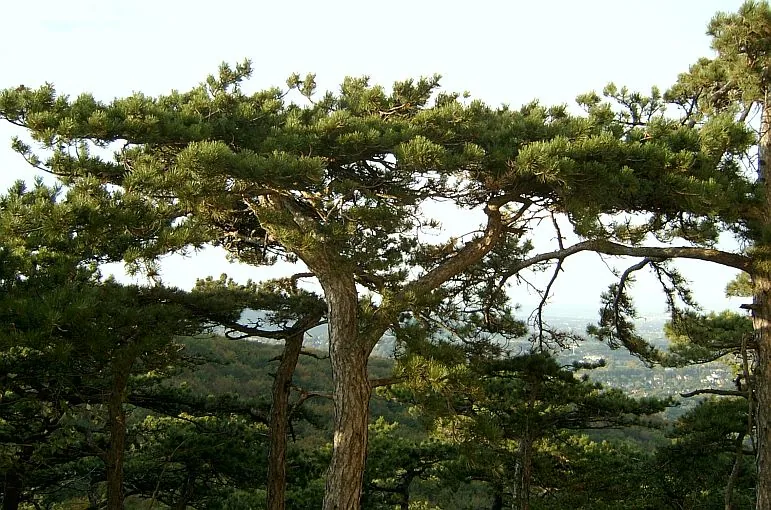
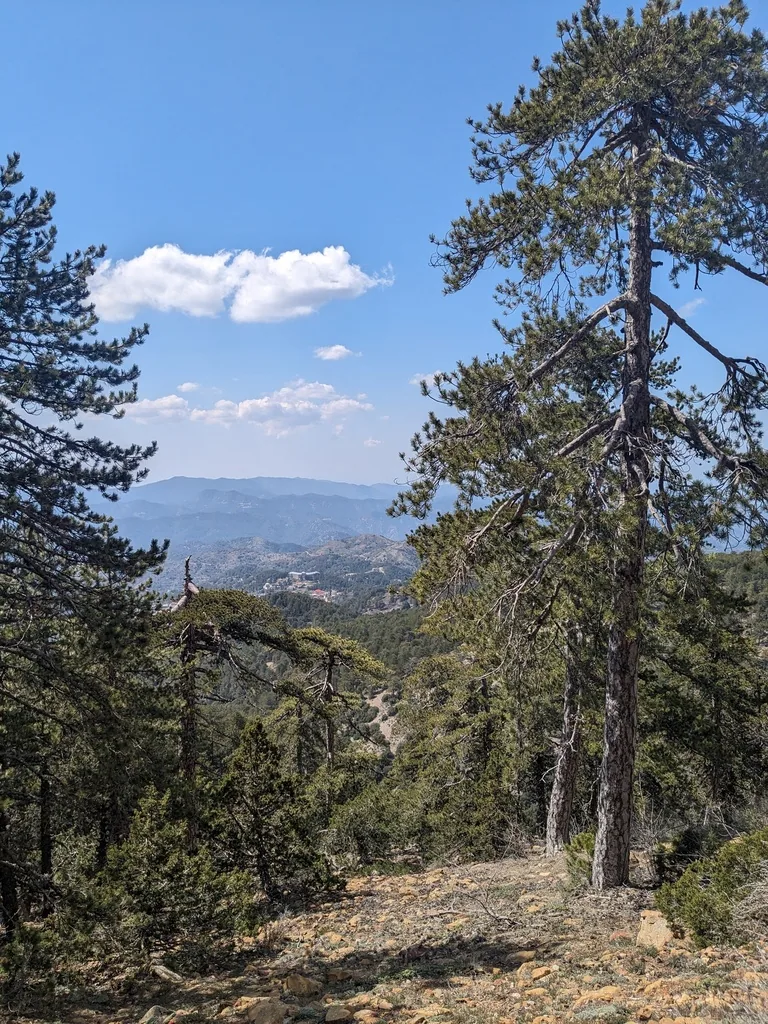
Austrian pine is a medium to large evergreen conifer that grows 40 to 60 feet [12.2–18.3 m] tall and 20 to 40 feet [6.1–12.2 m] wide, used as a specimen, screen, or windbreak. [1] It prefers full sun and moist, well-drained soils, and tolerates clay soils, urban pollution, salt, and drought once established. [1] It is susceptible to Sphaeropsis (Diplodia) tip blight, a fungal disease that can ultimately kill the tree. [8][1]
This record is incomplete: the sources we read do not cover every field yet.
Not yet covered by our sources: Pruning
Austrian Pine care
Measurements in square brackets are our conversion into the other unit system; the quoted text is unchanged.
How to water Austrian Pine
Watering
Drought tolerant once established; average to dry moisture
What the sources say (2)
It is easy to transplant and tolerates clay soils, urban pollution, salt, and drought once established.Light: Full sun
Moisture: Average to dry
SoilWatering notes
Prefers moist, well-drained soils; most soils except poorly-drained soils
What the sources say (2)
The Austrian pine prefers full sun, moist, well-drained soils, and is adaptable to different soil types.Soil type: Most soils except for poorly-drained soils pH range: Acid to alkalineHow much light Austrian Pine needs
Full sun
What the sources say (1)
The Austrian pine prefers full sun, moist, well-drained soils, and is adaptable to different soil types.How much cold Austrian Pine can take
Hardiness, coldest zone
The sources give different values depending on region, zone or growing conditions.
What each source says
According to NC State Extension: 4a [winter low −34.4 to −31.7 °C (−30 to −25 °F)]
According to University of Illinois Extension: 4 [winter low −34.4 to −28.9 °C (−30 to −20 °F)]
Iowa: 3b [winter low −37.2 to −34.4 °C (−35 to −30 °F)]
According to Virginia Cooperative Extension: 3 [winter low −40 to −34.4 °C (−40 to −30 °F)]
What the sources say (5)
According to NC State Extension: USDA Plant Hardiness Zone:
4a, 4b, 5a, 5b, 6a, 6b, 7a, 7bAccording to University of Illinois Extension: USDA Hardiness Zone
4 - 7
Soil ConditionsIowa: Hardiness: Zones 3b through 7 - Survives in zone 8, though rarely seen.According to Virginia Cooperative Extension: Zone: 3 to 7 (will languish in hot portions of zone 7)USDA Plant Hardiness Zone:
4a, 4b, 5a, 5b, 6a, 6b, 7a, 7bHardiness, warmest zone
The sources give different values depending on region, zone or growing conditions.
What each source says
According to NC State Extension: 7b [winter low −15 to −12.2 °C (5 to 10 °F)]
According to University of Illinois Extension: 7 [winter low −17.8 to −12.2 °C (0 to 10 °F)]
Iowa: 8 [winter low −12.2 to −6.7 °C (10 to 20 °F)] (survives, though rarely seen)
According to Virginia Cooperative Extension: 7 [winter low −17.8 to −12.2 °C (0 to 10 °F)] (will languish in hot portions of zone 7 [winter low −17.8 to −12.2 °C (0 to 10 °F)])
What the sources say (5)
According to NC State Extension: USDA Plant Hardiness Zone:
4a, 4b, 5a, 5b, 6a, 6b, 7a, 7bAccording to University of Illinois Extension: USDA Hardiness Zone
4 - 7
Soil ConditionsIowa: Hardiness: Zones 3b through 7 - Survives in zone 8, though rarely seen.According to Virginia Cooperative Extension: Zone: 3 to 7 (will languish in hot portions of zone 7)USDA Plant Hardiness Zone:
4a, 4b, 5a, 5b, 6a, 6b, 7a, 7bHow to propagate Austrian Pine
Seed
What the sources say (1)
Life Cycle:
Perennial
Woody
Recommended Propagation Strategy:
SeedHow to grow Austrian Pine
The plant
Life cycle
perennial
What the sources say (1)
Genus: Pinus Species: nigra Family: Pinaceae Life Cycle: Perennial Woody Recommended Propagation Strategy: SeedFamily
Pinaceae
What the sources say (1)
Genus: Pinus Species: nigra Family: Pinaceae Life Cycle: Perennial Woody Recommended Propagation Strategy: SeedMature height
1219-1829 cm (40 to 60 feet)
What the sources say (1)
Dimensions: Height: 40 ft. 0 in. - 60 ft. 0 in. Width: 20 ft. 0 in. - 40 ft. 0 in.Mature width
610-1219 cm (20 to 40 feet)
What the sources say (1)
Dimensions: Height: 40 ft. 0 in. - 60 ft. 0 in. Width: 20 ft. 0 in. - 40 ft. 0 in.Pests and diseases
Pests
aphids, adelgids, bark beetles, sawflies, pine needle miner, pine needle scale, pine spittlebugs, spruce mites, Zimmerman pine moth, pine wilt nematode
What the sources say (1)
Potential insect pests include aphids, adelgids, bark beetle bore, sawfly larvae caterpillars, sawflies, pine needle miner larvae, pine needle scale, pine spittlebugs, spruce mites, Zimmerman pine moth, and pine wilt nematode.Diseases
Sphaeropsis (Diplodia) tip blight, Dothistroma needle blight
What the sources say (1)
The Austrian pine is susceptible to Sphaeropsis (Diplodia) tip blight and Dothistroma needle blight.Austrian Pine pests and problems
Sphaeropsis (Diplodia) tip blight
Symptom: A fungal disease that kills the needles at the tips of branches, starting at the bottom of the tree and moving up.
What to do: Prevent drought stress; remove infected plant parts and apply fungicide if the tree is only minimally infected; if the disease has spread throughout the tree, take it down and remove all parts from the site.
What the sources say (2)
The disease, which kills the needles (at the tips of branches), starts at the bottom of the tree and makes its way up to the tree;
— Austrian Pine, Pinus nigra | VCE Publications | Virginia Tech [8] Prevention of drought stress is apparently the best way to avoid this disease; removal of infected plant parts and fungicide applications can control the disease spread if the tree is only minimally infected.
— Austrian Pine, Pinus nigra | VCE Publications | Virginia Tech [8] Dothistroma needle blight
Symptom: Listed as a disease the species is susceptible to.
What to do: Not stated in the source.
What the sources say (1)
The Austrian pine is susceptible to Sphaeropsis (Diplodia) tip blight and Dothistroma needle blight.
— Pinus nigra (Austrian Black Pine, Austrian Pine, Black Pine, Calabrian Pine, European Black Pine, Larch Pine) | North Carolina Extension Gardener Plant Toolbox [1] Pine wilt nematode
Symptom: Nematodes can kill a tree in a single year.
What to do: Not stated in the source.
What the sources say (1)
This species is also susceptible to nematodes (microscopic roundworms) which can kill a tree in a single year.
— Austrian Pine, Pinus nigra | VCE Publications | Virginia Tech [8]
Remedies
The sources we checked give no remedies for this plant.
Calendar
Pruning
Not stated in the sources we read.
Months as given by the sources, which are mostly from the United States (northern hemisphere). In the southern hemisphere they shift by about six months.
Indicative values
Values from a secondary source, not checked word for word like the rest of this page. Use them as a starting point.
- Hours of sun
- 6-8 hoursIndicative value, adapt it to your climate · Secondary source
- Drought tolerant
- yesIndicative value, adapt it to your climate · Secondary source
- Soil
- Well-drainedIndicative value, adapt it to your climate · Secondary source
- Soil pH
- 5.5-6.5Indicative value, adapt it to your climate · Secondary source
- Care level
- MediumIndicative value, adapt it to your climate · Secondary source
- Growth rate
- LowIndicative value, adapt it to your climate · Secondary source
- Pruning
- March, April, March, AprilIndicative value, adapt it to your climate · Secondary source
Similar plants
- Aleppo Pine Pinus halepensis
- Armand Pine Pinus armandi
- Bristlecone Pine Pinus aristata
- Chinese Pine Pinus yunnanensis
- Himalayan Pine Pinus wallichiana
- Jack pine Pinus banksiana
- Japanese Black Pine Pinus thunbergii
- Japanese Red Pine Pinus densiflora
Sources
Every value above is quoted from these documents. Links lead to the original publisher.
- Pinus nigra (Austrian Black Pine, Austrian Pine, Black Pine, Calabrian Pine, European Black Pine, Larch Pine) | North Carolina Extension Gardener Plant Toolbox · plants.ces.ncsu.edu, consulted
- Austrian Pine (Pinus nigra)-Hort Answers - University of Illinois Extension · web.extension.illinois.edu, consulted
- Black Pine - Pinus nigra | North Carolina Extension Gardener Plant Toolbox · plants.ces.ncsu.edu, consulted
- Selecting Trees for Your Home - Austrian Pine (Pinus nigra) · web.extension.illinois.edu, consulted
- Austrian Pine | Natural Resources · naturalresources.extension.iastate.edu, consulted
- Pinus | North Carolina Extension Gardener Plant Toolbox · plants.ces.ncsu.edu, consulted
- Austrian Black Pine · uaex.uada.edu, consulted
- Austrian Pine, Pinus nigra | VCE Publications | Virginia Tech · pubs.ext.vt.edu, consulted
Written by Emilio Marruso · last checked