
How to Grow and Care for Japanese Black Pine
Pinus thunbergii
Written by Emilio Marruso · last checked
At a glance
The Japanese black pine is a tough, sun-loving tree that enjoys moist, well-drained soil yet tolerates drought. It can reach 20 to 60 feet tall and 12 to 20 feet wide, and it grows in containers too. Start it from seed, go easy on fertilizer while it is young, and enjoy a striking pine that keeps going year after year.
- Sun
Full sun
What the sources say (1)
Light: Full sun
The Japanese black pine prefers full sun and moist, well-drained, and fertile soils.
— Pinus thunbergii (Green Pine, Japanese Black Pine, Thurnberg Pine) | North Carolina Extension Gardener Plant Toolbox [1] - Water
Likes moist soil but tolerates drought
What the sources say (2)
Watering: Prefers moist, well-drained soil; tolerant of drought
The Japanese black pine prefers full sun and moist, well-drained, and fertile soils.
— Pinus thunbergii (Green Pine, Japanese Black Pine, Thurnberg Pine) | North Carolina Extension Gardener Plant Toolbox [1] It is tolerant of sand, heat, drought, and salt.
— Pinus thunbergii (Green Pine, Japanese Black Pine, Thurnberg Pine) | North Carolina Extension Gardener Plant Toolbox [1] - Cold
Survives winters down to −20 °F (−28.9 °C)
Very hardy · USDA 5a · RHS H7 · Z5
What the sources say (6)
Hardiness, coldest zone: 5a [winter low −28.9 to −26.1 °C (−20 to −15 °F)]
According to NC State Extension: USDA Plant Hardiness Zone: 5a, 5b, 6a, 6b, 7a, 7b, 8a, 8b
— Pinus thunbergii (Green Pine, Japanese Black Pine, Thurnberg Pine) | North Carolina Extension Gardener Plant Toolbox [1] Utah: Somewhat irregular shape, but many cultivars available. Zones 5-9.
— Pine, Japanese Black | TreeBrowser | USU [3] USDA Plant Hardiness Zone: 5a, 5b, 6a, 6b, 7a, 7b, 8a, 8b
— Pinus thunbergii (Green Pine, Japanese Black Pine, Thurnberg Pine) | North Carolina Extension Gardener Plant Toolbox [1] Hardiness, warmest zone:
According to NC State Extension: USDA Plant Hardiness Zone: 5a, 5b, 6a, 6b, 7a, 7b, 8a, 8b
— Pinus thunbergii (Green Pine, Japanese Black Pine, Thurnberg Pine) | North Carolina Extension Gardener Plant Toolbox [1] Utah: Somewhat irregular shape, but many cultivars available. Zones 5-9.
— Pine, Japanese Black | TreeBrowser | USU [3] USDA Plant Hardiness Zone: 5a, 5b, 6a, 6b, 7a, 7b, 8a, 8b
— Pinus thunbergii (Green Pine, Japanese Black Pine, Thurnberg Pine) | North Carolina Extension Gardener Plant Toolbox [1] - Soil
Moist, well-drained soil
What the sources say (2)
Watering: Prefers moist, well-drained soil; tolerant of drought
The Japanese black pine prefers full sun and moist, well-drained, and fertile soils.
— Pinus thunbergii (Green Pine, Japanese Black Pine, Thurnberg Pine) | North Carolina Extension Gardener Plant Toolbox [1] It is tolerant of sand, heat, drought, and salt.
— Pinus thunbergii (Green Pine, Japanese Black Pine, Thurnberg Pine) | North Carolina Extension Gardener Plant Toolbox [1] - Feeding
No quick-release fertilizer on newly planted trees: young roots burn easily
What the sources say (1)
Avoid: Quick-release fertilizer on newly planted trees: young roots are sensitive to overfertilizing
When fertilizing newly planted trees, use slow-release fertilizers. Care should be taken if quick-release fertilizers are used since the roots of young trees are sensitive to overfertilizing.
— [5] - Pests
Caterpillars, sawflies, scale and weevils; tip blight can strip the lower branches
What the sources say (2)
Pests: pinewood nematodes, caterpillars, sawflies, scale, mealybugs, borers, miners, weevils
Some pests include pinewood nematodes, caterpillars, sawflies, scale, mealybugs, borers, miners, and weevils.
— Pinus thunbergii (Green Pine, Japanese Black Pine, Thurnberg Pine) | North Carolina Extension Gardener Plant Toolbox [1] Diseases: Diplodia tip blight, rusts, cankers, blight, leaf cast
Diplodia tip blight, rusts, cankers, blight, and leaf cast are some issues affecting this plant's health.
— Pinus thunbergii (Green Pine, Japanese Black Pine, Thurnberg Pine) | North Carolina Extension Gardener Plant Toolbox [1] - Watch out
Pinewood nematodes can wipe out a whole planting in a single season
What the sources say (1)
Pests: pinewood nematodes, caterpillars, sawflies, scale, mealybugs, borers, miners, weevils
Some pests include pinewood nematodes, caterpillars, sawflies, scale, mealybugs, borers, miners, and weevils.
— Pinus thunbergii (Green Pine, Japanese Black Pine, Thurnberg Pine) | North Carolina Extension Gardener Plant Toolbox [1] - Size
20 to 60 ft tall and 12 to 20 ft wide
What the sources say (3)
Mature height: 610-1829 cm (20-60 ft)
cultivar 'Majestic Beauty': 1219-1524 cm (40-50 ft): fast growing, dark green needles, 40 to 50 feet tall
— Pinus thunbergii (Green Pine, Japanese Black Pine, Thurnberg Pine) | North Carolina Extension Gardener Plant Toolbox [1] The Japanese black pine is an evergreen, conifer tree that grows 20 to 60 feet tall and 12 to 20 feet wide.
— Pinus thunbergii (Green Pine, Japanese Black Pine, Thurnberg Pine) | North Carolina Extension Gardener Plant Toolbox [1] Mature width: 366-610 cm (12-20 ft)
The Japanese black pine is an evergreen, conifer tree that grows 20 to 60 feet tall and 12 to 20 feet wide.
— Pinus thunbergii (Green Pine, Japanese Black Pine, Thurnberg Pine) | North Carolina Extension Gardener Plant Toolbox [1] - Propagation
Grow it from seed
What the sources say (1)
Propagation: Seed
Recommended Propagation Strategy: Seed Country Or Region Of Origin:
— Pinus thunbergii (Green Pine, Japanese Black Pine, Thurnberg Pine) | North Carolina Extension Gardener Plant Toolbox [1] - Containers
Grows in containers too
What the sources say (1)
In containers: Yes
Landscape Location: Coastal Container Lawn Meadow Patio Recreational Play Area
— Pinus thunbergii (Green Pine, Japanese Black Pine, Thurnberg Pine) | North Carolina Extension Gardener Plant Toolbox [1]
Overview
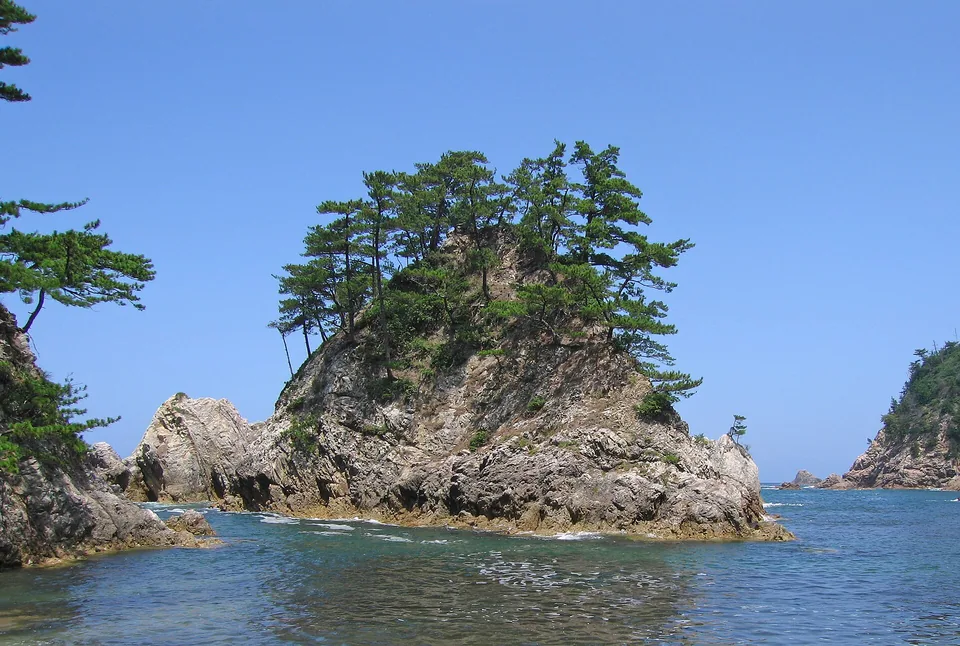
Japanese black pine is an evergreen conifer tree that grows 20 to 60 feet [6.1–18.3 m] tall and 12 to 20 feet [3.7–6.1 m] wide. [1] It prefers full sun and tolerates sand, heat, drought and salt. [1] It is native to Japan and Korea. [1]
This record is incomplete: the sources we read do not cover every field yet.
Not yet covered by our sources: Pruning
Japanese Black Pine care
Measurements in square brackets are our conversion into the other unit system; the quoted text is unchanged.
How to water Japanese Black Pine
Prefers moist, well-drained soil; tolerant of drought
What the sources say (2)
The Japanese black pine prefers full sun and moist, well-drained, and fertile soils.It is tolerant of sand, heat, drought, and salt.How much light Japanese Black Pine needs
Full sun
What the sources say (1)
The Japanese black pine prefers full sun and moist, well-drained, and fertile soils.How much cold Japanese Black Pine can take
Hardiness, coldest zone
5a [winter low −28.9 to −26.1 °C (−20 to −15 °F)]
What each source says
According to NC State Extension: 5a [winter low −28.9 to −26.1 °C (−20 to −15 °F)]
Utah: 5 [winter low −28.9 to −23.3 °C (−20 to −10 °F)]
What the sources say (3)
According to NC State Extension: USDA Plant Hardiness Zone:
5a, 5b, 6a, 6b, 7a, 7b, 8a, 8bUtah: Somewhat irregular shape, but many cultivars available. Zones 5-9.USDA Plant Hardiness Zone:
5a, 5b, 6a, 6b, 7a, 7b, 8a, 8bHardiness, warmest zone
The sources give different values depending on region, zone or growing conditions.
What each source says
According to NC State Extension: 8b [winter low −9.4 to −6.7 °C (15 to 20 °F)]
Utah: 9 [winter low −6.7 to −1.1 °C (20 to 30 °F)]
What the sources say (3)
According to NC State Extension: USDA Plant Hardiness Zone:
5a, 5b, 6a, 6b, 7a, 7b, 8a, 8bUtah: Somewhat irregular shape, but many cultivars available. Zones 5-9.USDA Plant Hardiness Zone:
5a, 5b, 6a, 6b, 7a, 7b, 8a, 8bWhere to grow Japanese Black Pine
Yes
What the sources say (1)
Landscape Location:
Coastal
Container
Lawn
Meadow
Patio
Recreational Play AreaHow to propagate Japanese Black Pine
Seed
What the sources say (1)
Recommended Propagation Strategy:
Seed
Country Or Region Of Origin:How to grow Japanese Black Pine
The plant
Life cycle
perennial
What the sources say (1)
Whole Plant Traits:
Plant Type:
Perennial
Tree
Woody Plant Leaf Characteristics:
Needled EvergreenFamily
Pinaceae
What the sources say (1)
Genus:
Pinus
Species:
thunbergii
Family:
Pinaceae
Life Cycle:
WoodyMature height
610-1829 cm (20-60 ft)
What each source says
cultivar 'Majestic Beauty': 1219-1524 cm (40-50 ft):
What the sources say (2)
cultivar 'Majestic Beauty': 1219-1524 cm (40-50 ft): fast growing, dark green needles, 40 to 50 feet tallThe Japanese black pine is an evergreen, conifer tree that grows 20 to 60 feet tall and 12 to 20 feet wide.Mature width
366-610 cm (12-20 ft)
What the sources say (1)
The Japanese black pine is an evergreen, conifer tree that grows 20 to 60 feet tall and 12 to 20 feet wide.Pests and diseases
Pests
pinewood nematodes, caterpillars, sawflies, scale, mealybugs, borers, miners, weevils
What the sources say (1)
Some pests include pinewood nematodes, caterpillars, sawflies, scale, mealybugs, borers, miners, and weevils.Diseases
Diplodia tip blight, rusts, cankers, blight, leaf cast
What the sources say (1)
Diplodia tip blight, rusts, cankers, blight, and leaf cast are some issues affecting this plant's health.Fertilizing
Mineral fertilizers
The sources give different values depending on region, zone or growing conditions.
What each source says
newly planted trees: Slow-release fertilizer
second year onward, in beds: 10-10-10, 97.6–195 g/m² of bed area
larger trees in open areas: 10-10-10, 908 g per 2.54 cm [1 in] of trunk diameter
What the sources say (3)
newly planted trees: When fertilizing newly planted trees, use slow-release fertilizers. Care should be taken if quick-release fertilizers are used since the roots of young trees are sensitive to overfertilizing.second year onward, in beds: During the second and subsequent years, 2 to 4 pounds of 10-10-10 fertilizer should be applied for every 100 square feet of bed area.larger trees in open areas: For larger trees in open areas, about 2 pounds of 10-10-10 fertilizer can be applied for each inch of trunk diameter of the tree.Avoid
Quick-release fertilizer on newly planted trees: young roots are sensitive to overfertilizing
What the sources say (1)
When fertilizing newly planted trees, use slow-release fertilizers. Care should be taken if quick-release fertilizers are used since the roots of young trees are sensitive to overfertilizing.Japanese Black Pine pests and problems
Diplodia tip blight and other fungal diseases
Symptom: Diplodia leaf blight often begins to defoliate the lower branches, creating a bedraggled look once trees reach maturity and set cones.
What the sources say (1)
As trees reach maturity (begin to set cones), Diplodia leaf blight often begins to defoliate the lower branches, creating a bedraggled look.
— Pinus thunbergii; Japanese Black Pine [2] Pinewood nematode
Symptom: Can wipe out an entire planting in a single growing season.
What the sources say (1)
Sometimes, pinewood nematode – a native nematode that has killed many introduced pines over the past decades – can wipe out an entire planting in a single growing season.
— Pinus thunbergii; Japanese Black Pine [2]
Remedies
Each remedy shows what official sources say about it; traditional remedies without an official source are marked as such. Harmful ones are listed so you know to avoid them.
Treating the plant
pine sawfly larvae
removing larvae by hand Works
How: Remove the sawfly larvae by hand.
The best way to control these is to remove them by hand. As unpleasant as this may be, it’s the most effective and environmentally friendly approach.
— gardens.duke.edu [6] What the evidence says The best way to control these is to remove them by hand. As unpleasant as this may be, it’s the most effective and environmentally friendly approach.
— gardens.duke.edu [6] spraying larvae off Not verified
Traditional remedy, not verified by an official source.
How: For small infestations, spray the larvae off the tree.
diplodia tip blight
cutting away infected branches Not verified
Traditional remedy, not verified by an official source.
How: Cut away infected branches and promote good air circulation.
Calendar
Pruning
Not stated in the sources we read.
Months as given by the sources, which are mostly from the United States (northern hemisphere). In the southern hemisphere they shift by about six months.
Indicative values
Values from a secondary source, not checked word for word like the rest of this page. Use them as a starting point.
- Soil
- Acidic, Well-drainedIndicative value, adapt it to your climate · Secondary source
- Soil pH
- 5.5-6.5Indicative value, adapt it to your climate · Secondary source
- Care level
- MediumIndicative value, adapt it to your climate · Secondary source
- Growth rate
- LowIndicative value, adapt it to your climate · Secondary source
- Pruning
- March, April, MayIndicative value, adapt it to your climate · Secondary source
Similar plants
- Aleppo Pine Pinus halepensis
- Armand Pine Pinus armandi
- Austrian Pine Pinus nigra
- Bristlecone Pine Pinus aristata
- Chinese Pine Pinus yunnanensis
- Himalayan Pine Pinus wallichiana
- Jack pine Pinus banksiana
- Japanese Red Pine Pinus densiflora
Sources
Every value above is quoted from these documents. Links lead to the original publisher.
- Pinus thunbergii (Green Pine, Japanese Black Pine, Thurnberg Pine) | North Carolina Extension Gardener Plant Toolbox · plants.ces.ncsu.edu, consulted
- Pinus thunbergii; Japanese Black Pine · uaex.uada.edu, consulted
- Pine, Japanese Black | TreeBrowser | USU · extension.usu.edu, consulted
- Landscape Trees By Scientific Name P · uaex.uada.edu, consulted
- hgic.clemson.edu · hgic.clemson.edu
- gardens.duke.edu · gardens.duke.edu
Written by Emilio Marruso · last checked