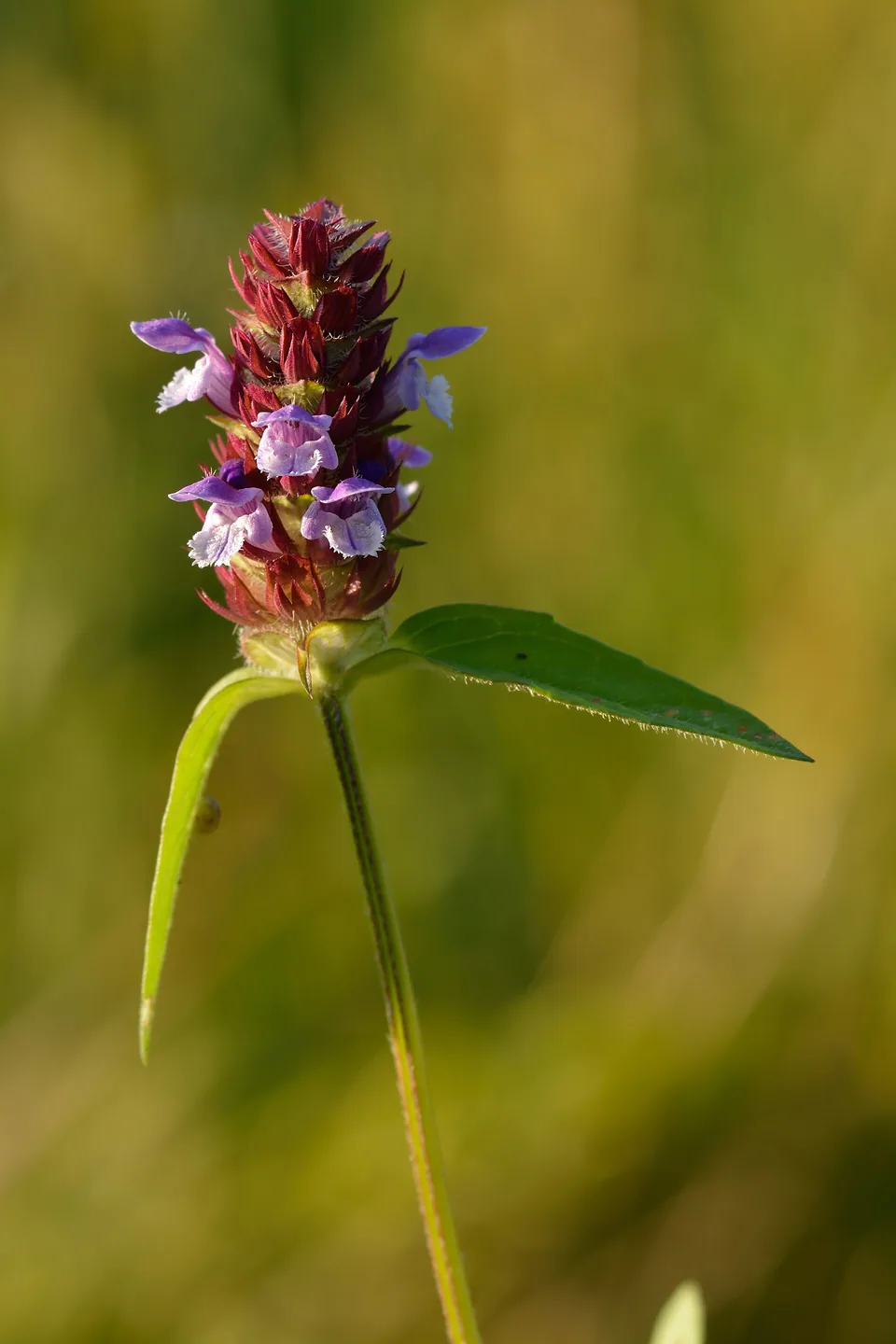
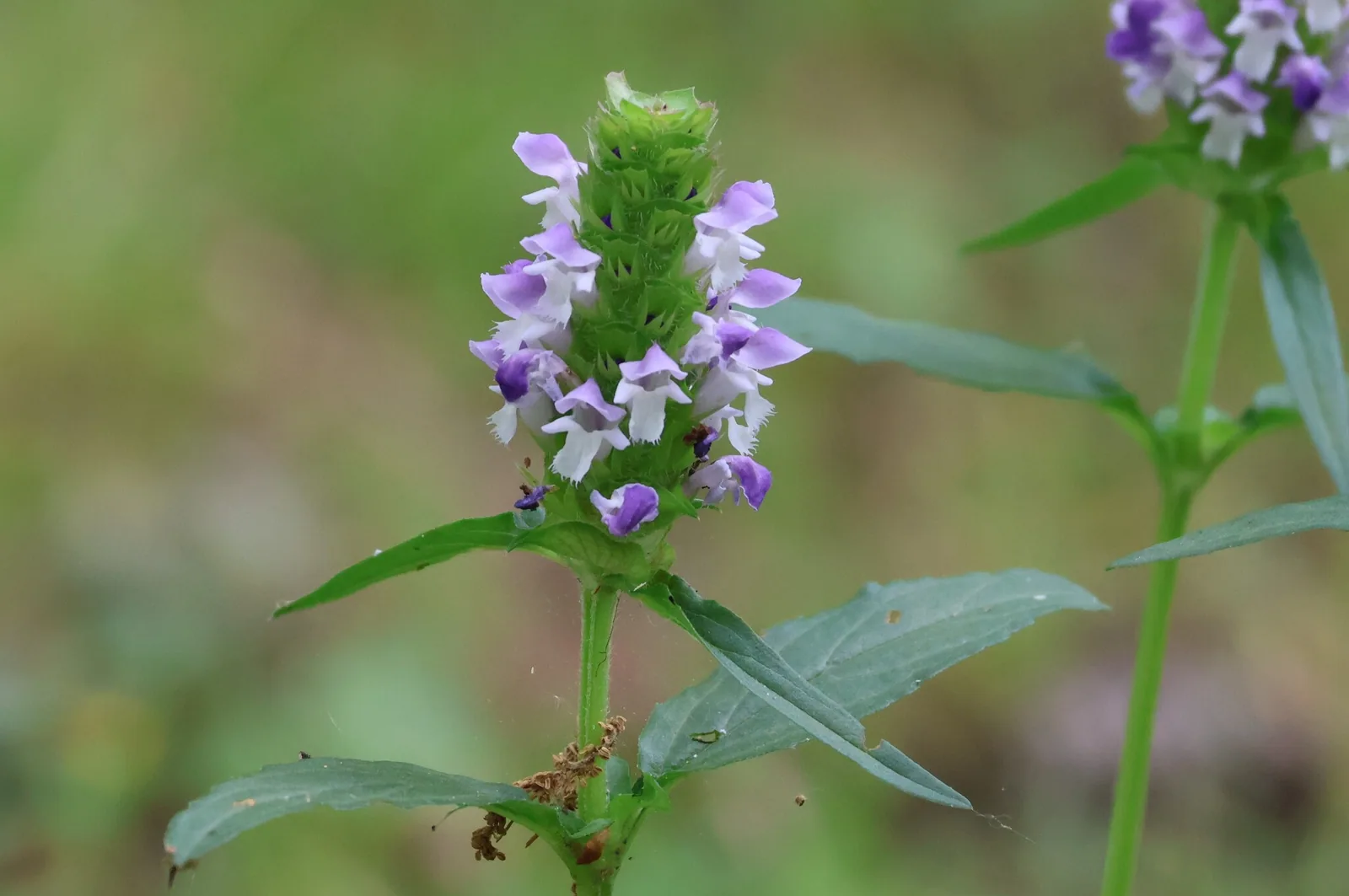

How to Grow and Care for Self-heal
Prunella vulgaris
Written by Emilio Marruso · last checked
Toxic to: People · Why
At a glance
Self-heal is an easygoing perennial that grows in full sun or partial shade and thrives in any damp soil. Plant it in spring and it reaches 12–16 inches tall, and its leaves can be eaten raw or cooked. Just remove the faded flowers after blooming so it doesn't seed itself all over a damp lawn.
- Sun
Full sun to partial shade
What the sources say (3)
Light: Full sun to partial shade
Grow self heal in full sun or partial shade, in any moist, well-drained soil.
— How To Grow And Care For Self Heal | BBC Gardeners World Magazine [2] in full sun or in light shade[ 238
— Prunella vulgaris - Useful Temperate Plants [5] They require cool to mild temperatures and sun to partial shade.
— Self Heal Plant: Learn About The Prunella Vulgaris Plant | Gardening Know How [4] - Water
Keep the soil moist but well drained; it thrives in any damp soil
What the sources say (2)
- Planting
Plant in spring
What the sources say (4)
Planting: Spring
According to Useful Temperate Plants (seedlings): plant them out in the summer. If you
— Prunella vulgaris - Useful Temperate Plants [5] According to Useful Temperate Plants (potted divisions): before planting them out in late spring or early summer
— Prunella vulgaris - Useful Temperate Plants [5] Plant self heal plants or plugs in spring
— How To Grow And Care For Self Heal | BBC Gardeners World Magazine [2] Plants may be divided or sown in spring.
— Self Heal Plant: Learn About The Prunella Vulgaris Plant | Gardening Know How [4] - Pruning
Remove faded flowers after blooming; cut to the ground at the end of the growing season
What the sources say (2)
Pruning: Deadhead after flowering; cut back to ground level once the growing season is complete
Deadhead self heal as soon as it's finished
— How To Grow And Care For Self Heal | BBC Gardeners World Magazine [2] Once the growing season is complete, prune the plant back to ground level.
— Self Heal Plant: Learn About The Prunella Vulgaris Plant | Gardening Know How [4] - Harvest
The leaves are edible, raw or cooked
- Watch out
It can become a weed in damp lawns: remove faded flowers to stop it seeding itself
- Size
12–16 inches tall
What the sources say (1)
Mature height: 30.48-40.64 cm (12-16 in)
The plant grows as a creeping herb 12-16 inches tall with opposite, ovate, pubescent leaves on square stems.
— Prunella vulgaris, Heal-All, Self-Heal [1] - Propagation
From seed, or divide the clumps in spring or fall
What the sources say (3)
Propagation: Seed; division in spring or autumn
You can also divide self heal plants in spring.
— How To Grow And Care For Self Heal | BBC Gardeners World Magazine [2] Division in spring or autumn. Very easy, larger
— Prunella vulgaris - Useful Temperate Plants [5] Seed - sow in mid spring in a cold frame.
— Prunella vulgaris - Useful Temperate Plants [5] - Sowing
Sow outdoors in mid to late spring
What the sources say (2)
Sowing: Spring (mid to late spring when sown outdoors)
Sow seeds in a tray in a cold frame in spring, or sow direct where you want the plants to flower in late spring
— How To Grow And Care For Self Heal | BBC Gardeners World Magazine [2] If you have sufficient seed then it can be sown outdoors in situ in mid to late spring.
— Prunella vulgaris - Useful Temperate Plants [5] - Safety
No known toxicity to people
Overview
Self-heal is a low perennial of the mint family that grows in lawns and meadows and is sometimes treated as a lawn weed. [1][7] It grows in moist, well-drained soil in full sun or partial shade and self-seeds readily. [2] The leaves are eaten raw or cooked and no toxicity is known. [5][6]
This record is incomplete: the sources we read do not cover every field yet.
Not yet covered by our sources: Hardiness, coldest zone, Hardiness, warmest zone
Self-heal care
Measurements in square brackets are our conversion into the other unit system; the quoted text is unchanged.
How to water Self-heal
Moist but well-drained soil; thrives in any damp soil
How much light Self-heal needs
Full sun to partial shade
What the sources say (3)
Grow self heal in full sun or partial shade, in any moist, well-drained soil.in full sun or in light shade[ 238They require cool to mild temperatures and sun to partial shade.How much cold Self-heal can take
Hardiness, coldest zone
Not stated in the sources we read.
Hardiness, warmest zone
Not stated in the sources we read.
Where to grow Self-heal
The sources give different values depending on region, zone or growing conditions.
What each source says
According to BBC Gardeners World: 30 cm [12 in]
According to Gardening Know How: 15-23 cm (6-9 in)
What the sources say (2)
According to BBC Gardeners World: Plant self heal plants or plugs in spring, around 30cm apart.According to Gardening Know How: space 6 to 9 inches (15-23 cm.) apartHow to propagate Self-heal
Seed; division in spring or autumn
What the sources say (3)
You can also divide self heal plants in spring.Division in spring or autumn. Very easy, largerSeed - sow in mid spring in a cold frame.How to grow Self-heal
The plant
Life cycle
perennial
What the sources say (1)
Heal-all is a perennial that usually grows as a sprawling plant with upright flower clusters, but it can have an erect habit when growing in undisturbed areas.Family
Lamiaceae
What the sources say (1)
## Family: Mint Family (Lamiaceae) ## Other Names: Brunella vulgaris , blue curls, blue lucy, brownwort, brunella, carpenter's-weed, dragonheadMature height
30.48-40.64 cm (12-16 in)
What the sources say (1)
The plant grows as a creeping herb 12-16 inches tall with opposite, ovate, pubescent leaves on square stems.Self-heal pests and problems
Weedy spread in turf
Symptom: Plants are apt to become troublesome weeds in turf that is at all damp.
What to do: Deadhead after flowering to stop self-seeding.
Remedies
The sources we checked give no remedies for this plant.
Is Self-heal poisonous?
Reported by the source, quoted verbatim. This is not medical or veterinary advice: if a person or an animal may have eaten this plant, contact a poison control centre or a veterinarian.
Toxicity: None known. ## Facts and Folklore: -
[6]
Calendar
Sowing
Spring (mid to late spring when sown outdoors)
What the sources say (2)
Sow seeds in a tray in a cold frame in spring, or sow direct where you want the plants to flower in late springIf you have sufficient seed then it can be sown outdoors in situ in mid to late spring.Planting
Spring
What each source says
According to Useful Temperate Plants (seedlings): Summer
According to Useful Temperate Plants (potted divisions): Late spring or early summer
What the sources say (4)
According to Useful Temperate Plants (seedlings): plant them out in the summer.
If youAccording to Useful Temperate Plants (potted divisions): before planting them out in late spring or early summerPlant self heal plants or plugs in springPlants may be divided or sown in spring.Pruning
Deadhead after flowering; cut back to ground level once the growing season is complete
What the sources say (2)
Deadhead self heal as soon as it's finishedOnce the growing season is complete, prune the plant back to ground level.Months as given by the sources, which are mostly from the United States (northern hemisphere). In the southern hemisphere they shift by about six months.
Edibility
Reported by the source, quoted verbatim. Do not eat a plant on the basis of this page alone: identification mistakes can be dangerous.
Indicative values
Values from a secondary source, not checked word for word like the rest of this page. Use them as a starting point.
- Hours of sun
- 6-8 hoursIndicative value, adapt it to your climate · Secondary source
- Watering
- MinimumIndicative value, adapt it to your climate · Secondary source
- Drought tolerant
- yesIndicative value, adapt it to your climate · Secondary source
- Soil
- Rocky, gravelly, dryIndicative value, adapt it to your climate · Secondary source
- Soil pH
- 5.5-7.5Indicative value, adapt it to your climate · Secondary source
- Care level
- LowIndicative value, adapt it to your climate · Secondary source
- Growth rate
- HighIndicative value, adapt it to your climate · Secondary source
Similar plants
- Large-flowered selfheal Prunella grandiflora
- Anise Sage Salvia guaranitica
- Apple mint Mentha suaveolens
- Arrowleaf Sage Salvia sagittata
- Autumn Sage Salvia greggii
- Beach Vitex Vitex rotundifolia
- Beautyberry Callicarpa acuminata
- Beebalm Monarda didyma
Sources
Every value above is quoted from these documents. Links lead to the original publisher.
- Prunella vulgaris, Heal-All, Self-Heal · uaex.uada.edu, consulted
- How To Grow And Care For Self Heal | BBC Gardeners World Magazine · gardenersworld.com, consulted
- Prunella vulgaris (Self-heal): Minnesota Wildflowers · minnesotawildflowers.info, consulted
- Self Heal Plant: Learn About The Prunella Vulgaris Plant | Gardening Know How · gardeningknowhow.com, consulted
- Prunella vulgaris - Useful Temperate Plants · temperate.theferns.info, consulted
- Ohio Weedguide · weedguide.cfaes.osu.edu, consulted
- Prunella vulgaris, Selfheal: identification, distribution, habitat · first-nature.com, consulted
Written by Emilio Marruso · last checked