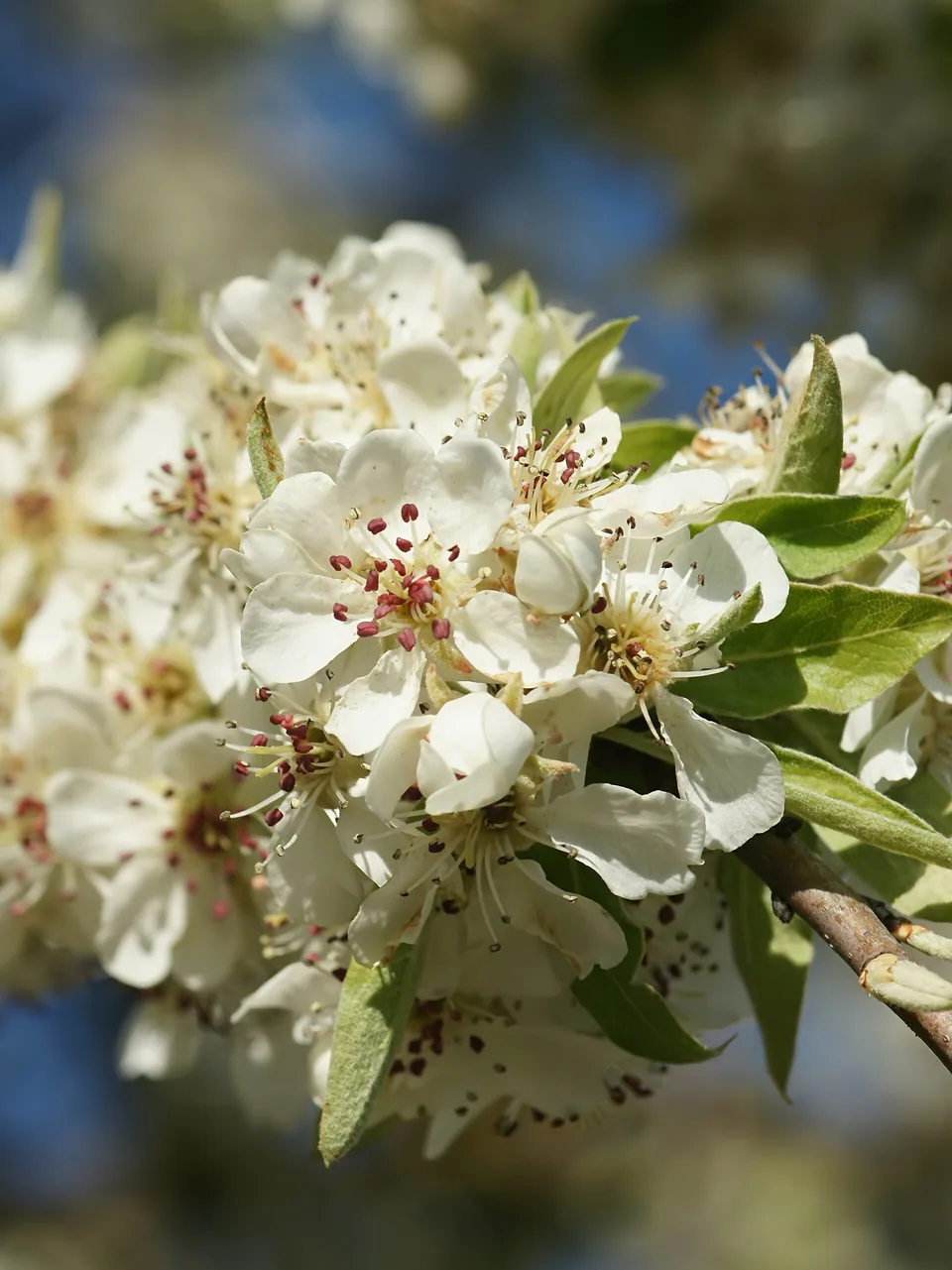
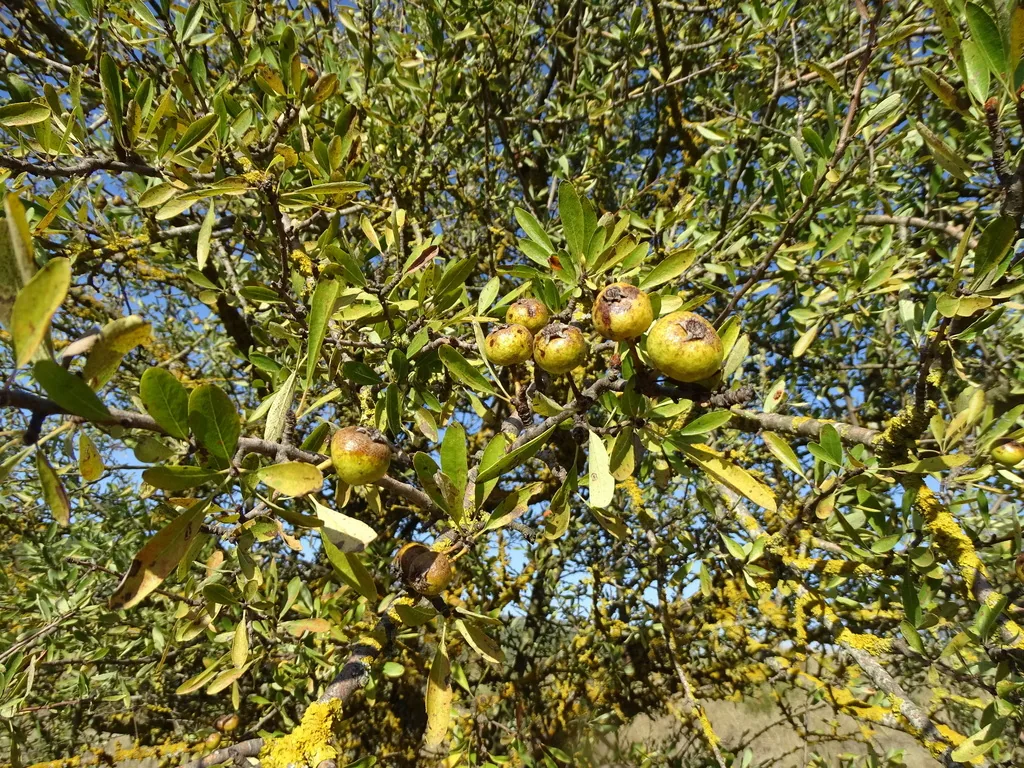

How to Grow and Care for Pyrus spinosa
Pyrus spinosa
Written by Emilio Marruso · last checked
At a glance
This wild pear asks for little: give it full sun, or even light shade, and once established it shrugs off drought while also tolerating wet soil. Its fruit can be eaten raw or cooked, and people still gather it from the wild for food. Sow the seeds in autumn as soon as they ripen, then plant the seedlings out the following late spring.
- Sun
Full sun; it also tolerates light shade
- Water
Handles drought once established and also tolerates very wet soil
What the sources say (2)
Watering: Established plants are drought tolerant
Established plants are drought tolerant
— Pyrus spinosa - Useful Temperate Plants [1] Watering notes: Tolerates excessive moisture
Tolerates atmospheric pollution, excessive moisture and a range of soil types if they are moderately fertile
— Pyrus spinosa - Useful Temperate Plants [1] - Planting
Plant seedlings out in late spring or early summer, the year after sowing
What the sources say (1)
Planting: Late spring or early summer (seedlings, the year after sowing)
Plant them out in late spring or early summer of the following year.
— Pyrus spinosa - Useful Temperate Plants [1] - Harvest
The fruit is edible, raw or cooked
- Propagation
From seed; stored seed first needs 8–10 weeks of cold at 34 °F (1 °C)
What the sources say (1)
Propagation: Seed (cold frame sowing in autumn; stored seed needs 8-10 weeks cold stratification at 1°C [34 °F])
Stored seed requires 8 - 10 weeks cold stratification at 1°c and should be sown as early in the year as possible
— Pyrus spinosa - Useful Temperate Plants [1] - Sowing
Sow in autumn as soon as the seed is ripe, in a cold frame
What the sources say (1)
Sowing: Autumn, as soon as the seed is ripe (cold frame)
Seed - best sown in a cold frame as soon as it is ripe in the autumn, it will then usually germinate in mid to late winter.
— Pyrus spinosa - Useful Temperate Plants [1]
Overview
Small deciduous tree, sometimes a large rounded shrub, about 6 m [19.7 ft] tall, native to southern Europe and Turkey. [1] It prefers well-drained loam in full sun and established plants are drought tolerant. [1]
This record is incomplete: the sources we read do not cover every field yet.
Not yet covered by our sources: Harvest, Spacing
Pyrus spinosa care
Measurements in square brackets are our conversion into the other unit system; the quoted text is unchanged.
How to water Pyrus spinosa
Watering
Established plants are drought tolerant
What the sources say (1)
Established plants are drought tolerantWatering notes
Tolerates excessive moisture
What the sources say (1)
Tolerates atmospheric pollution, excessive moisture and a range of soil types if they are moderately fertileHow much light Pyrus spinosa needs
Where to grow Pyrus spinosa
Not stated in the sources we read.
How to propagate Pyrus spinosa
Seed (cold frame sowing in autumn; stored seed needs 8-10 weeks cold stratification at 1°C [34 °F])
What the sources say (1)
Stored seed requires 8 - 10 weeks cold stratification at 1°c and should be sown as early in the year as possibleRemedies
Each remedy shows what official sources say about it; traditional remedies without an official source are marked as such. Harmful ones are listed so you know to avoid them.
Treating the plant
aphids
hosing down with water Not verified
Traditional remedy, not verified by an official source.
How: Knock the aphids off the tree with jets of water from a hose.
pear psylla
dormant oil spray Works
How: Use insecticidal oils, best applied in the dormant season when psylla overwinter on the trees.
use insecticidal oils and kaolin clay to get rid of the population. It’s typically best to apply the sprays during the dormant season because pear psylla likes to overwinter on the trees.
— morningchores.com [2] What the evidence says Apply oil products during the delayed-dormant season.
— hortsense.cahnrs.wsu.edu [3] kaolin clay spray Works
As with other oil-based products, care should be taken in timing insecticide applications to early morning/late evening to minimize the potential for leaf burn during hot weather.
— hortsense.cahnrs.wsu.edu [3] How: Apply kaolin clay as populations begin to build during the growing season.
use insecticidal oils and kaolin clay to get rid of the population. It’s typically best to apply the sprays during the dormant season because pear psylla likes to overwinter on the trees.
— morningchores.com [2] What the evidence says Apply kaolin clay, insecticidal soap, or neem during the growing season as populations begin to build.
— hortsense.cahnrs.wsu.edu [3]
leafrollers
Bacillus thuringiensis spray Not verified
Traditional remedy, not verified by an official source.
How: Spray carefully so it reaches inside the rolled leaves where the larvae hide and feed.
codling moth
hand removal of infested fruit Not verified
Traditional remedy, not verified by an official source.
How: Remove infested fruit by hand before the larvae leave the fruit; toss it out or burn it.
fire blight
pruning out diseased wood Works
How: Remove all diseased wood.
you need to remove all diseased wood and treat your fruit tree with a Bordeaux mixture or an approved copper treatment. These may help stop the spread of the disease.
— morningchores.com [2] What the evidence says Prune out and destroy infected tissues when noticed. Make cuts at least 6″ below infected areas and sterilize pruning tools between cuts.
— hortsense.cahnrs.wsu.edu [4] bordeaux mixture Not verified
Traditional remedy, not verified by an official source.
Do not apply copper products to ‘Anjou’, ‘Comice’ or ‘Forelle’ pears or severe russeting may occur.
— hortsense.cahnrs.wsu.edu [4] How: Treat the tree with a Bordeaux mixture after removing diseased wood.
Calendar
Sowing
Autumn, as soon as the seed is ripe (cold frame)
What the sources say (1)
Seed - best sown in a cold frame as soon as it is ripe in the autumn, it will then usually germinate in mid to late winter.Planting
Late spring or early summer (seedlings, the year after sowing)
What the sources say (1)
Plant them out in late spring or early summer of the following year.Harvest
Not stated in the sources we read.
Months as given by the sources, which are mostly from the United States (northern hemisphere). In the southern hemisphere they shift by about six months.
Edibility
Reported by the source, quoted verbatim. Do not eat a plant on the basis of this page alone: identification mistakes can be dangerous.
Similar plants
- Asian Pear Pyrus pyrifolia
- Pear Pyrus communis
- Callery Pear Pyrus calleryana
- Pyrus salicifolia Pyrus salicifolia
- Afghan Cherry Prunus jacquemontii
- American chestnut Castanea dentata
- American Plum Prunus americana
- Apple Malus sylvestris
Sources
Every value above is quoted from these documents. Links lead to the original publisher.
- Pyrus spinosa - Useful Temperate Plants · temperate.theferns.info, consulted
- morningchores.com · morningchores.com
- hortsense.cahnrs.wsu.edu · hortsense.cahnrs.wsu.edu
- hortsense.cahnrs.wsu.edu · hortsense.cahnrs.wsu.edu
Written by Emilio Marruso · last checked