
How to Grow and Care for Thymbra capitata
Thymbra capitata
Written by Emilio Marruso · last checked
Toxic to: People · Why
At a glance
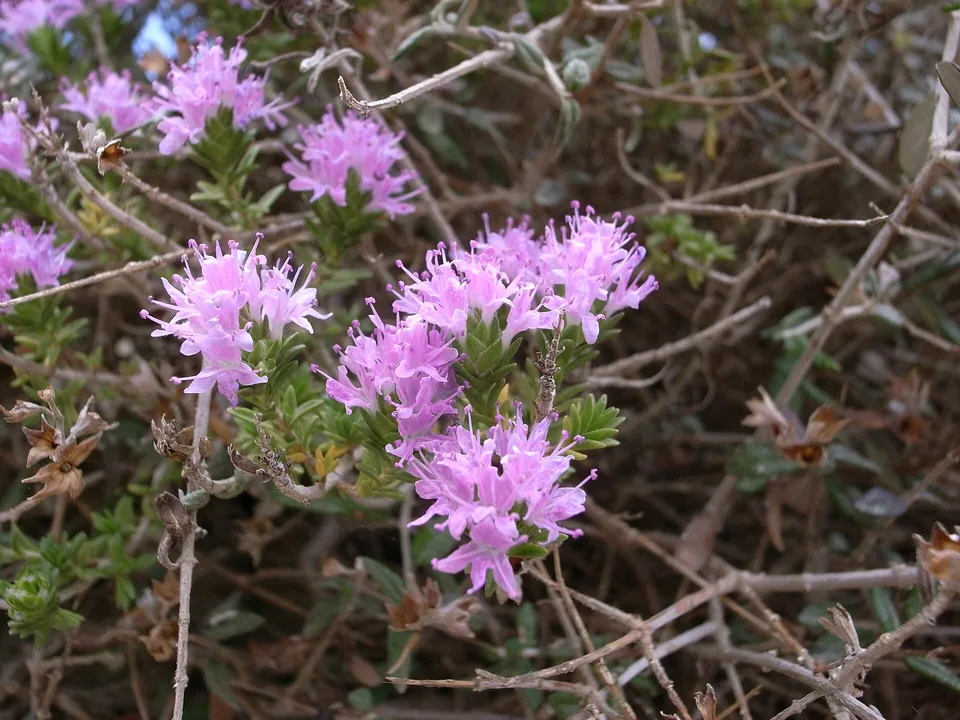
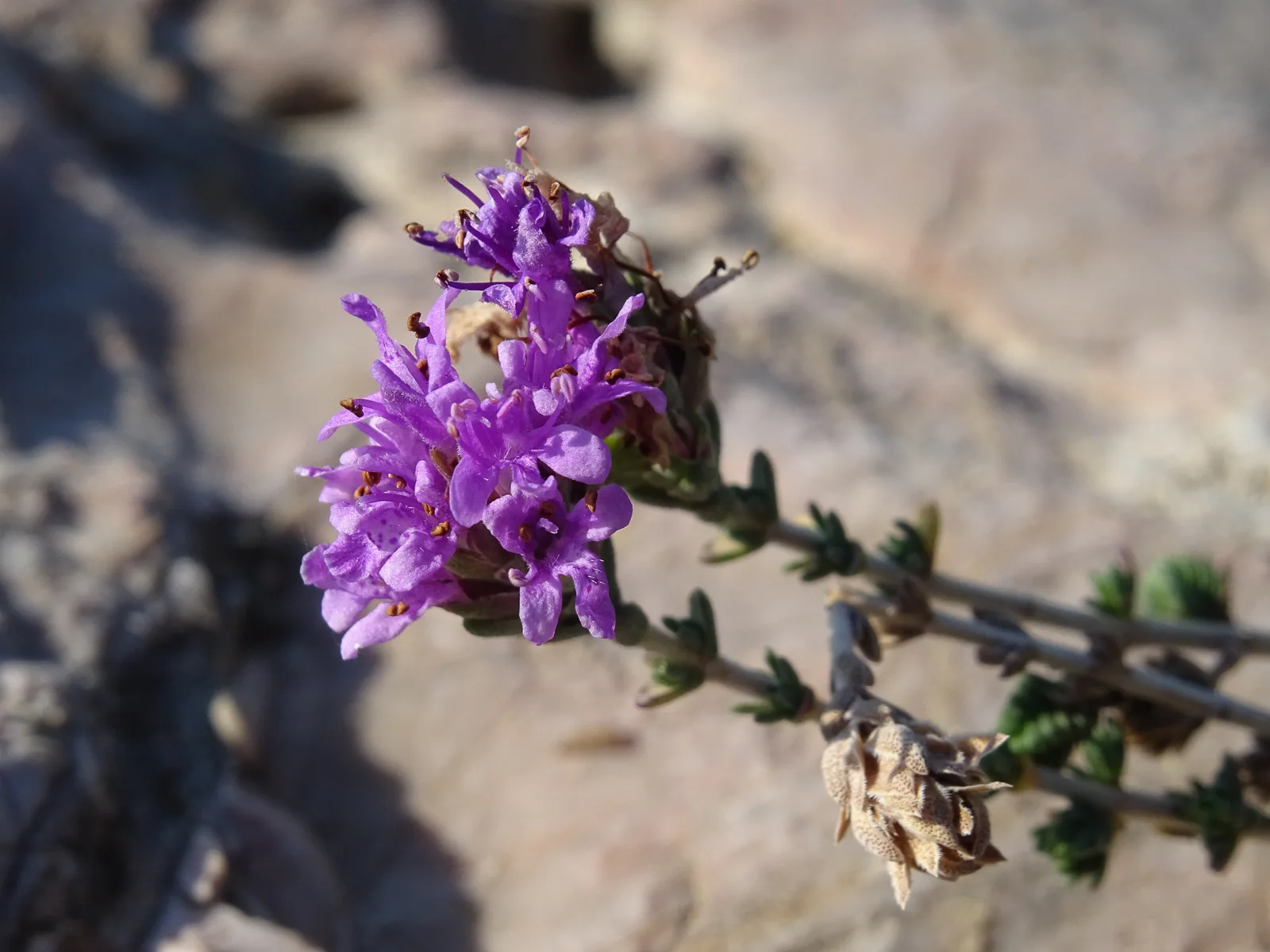
Conehead thyme is a sun-loving little herb with violet flowers that grows 16 inches tall. Its fragrant leaves go raw into salads, flavor cooked dishes and make an aromatic tea; pick them in early and late summer, just before the flowers open. Give it full sun and keep it away from wet soil, especially in winter, and it will thrive.
- Sun
Full sun
- Water
Hates wet soil, especially in winter; a layer of gravel on the soil keeps the leaves dry
What the sources say (1)
Watering notes: Dislikes wet conditions, especially in winter; a layer of gravel on the soil protects the foliage from wet soil
Thymes dislike wet conditions, especially in the winter. A layer of gravel on the soil around them will help protect the foliage from wet soils
— Thymus capitatus - Useful Temperate Plants [5] - Cold
Survives winters down to 0 °F (−17.8 °C)
Hardy in very cold winters · USDA 7 · RHS H6 · Z7
What the sources say (1)
Hardiness, coldest zone: 7 [winter low −17.8 to −12.2 °C (0 to 10 °F)]
Light full sun Shade tolerance no shade Water moderate Hardiness Zone 7+
— Headed Savory (Thymus capitatus) — Practical Plants [6] - Planting
Plant in late spring or early summer, after the last frosts
What the sources say (1)
Planting: Late spring or early summer, after the last expected frosts
Plant them out into their permanent positions in late spring or early summer, after the last expected frosts.
— Headed Savory (Thymus capitatus) — Practical Plants [6] - Harvest
Pick leaves in early and late summer, just before flowering; eat raw, cook with them or make tea
What the sources say (1)
Harvest: Early and late summer, just before the flowers open (leaves for drying)
If the leaves are to be dried, the plants should be harvested in early and late summer just before the flowers open and the leaves should be dried quickly
— Headed Savory (Thymus capitatus) — Practical Plants [6] - Size
16 inches tall
What the sources say (1)
Mature height: 40 cm [16 in]
A small woody plant, very aromatic and up to 40 cm. in height.
— Thymbra capitata (L.) Cav. - Herbari Virtual del Mediterrani Occidental [2] - Propagation
By seed, division, cuttings or layering
What the sources say (3)
Propagation: Seed, division, cuttings of young shoots and half-ripe wood, layering
Seed - sow spring in a cold frame. Seed can also be sown in autumn in a greenhouse.
— Headed Savory (Thymus capitatus) — Practical Plants [6] Division in spring or autumn [5] . Larger divisions can be planted out direct into their permanent positions.
— Headed Savory (Thymus capitatus) — Practical Plants [6] Cuttings of young shoots, 5 - 8cm with a heel, May/June in a frame [5] .
— Headed Savory (Thymus capitatus) — Practical Plants [6] - Sowing
Sow in spring in a cold frame, or in fall in a greenhouse
What the sources say (3)
Sowing: Spring (cold frame); also autumn (greenhouse)
According to Plants For A Future notes (Practical Plants): Seed - sow spring in a cold frame. Seed can also be sown in autumn in a greenhouse.
— Headed Savory (Thymus capitatus) — Practical Plants [6] Andalusia (Junta de Andalucia protocol): La siembra se realiza en primavera temprana, aunque se puede sembrar desde el otoño.
— Protocolo Thymbra capitata [7] Seed - sow spring in a cold frame. Seed can also be sown in autumn in a greenhouse.
— Headed Savory (Thymus capitatus) — Practical Plants [6] - Safety
Not particularly toxic, but the essential oil strongly irritates the inside of the nose and mouth
Overview
Thymbra capitata is a small evergreen Mediterranean shrub that prefers a light, well-drained calcareous soil and a sunny position. [5] It is propagated by seed, division, cuttings and layering, and the leaves are used as a condiment and for tea. [6] Thymes dislike wet conditions, especially in winter. [5]
This record is incomplete: the sources we read do not cover every field yet.
Not yet covered by our sources: Watering
Thymbra capitata care
How to water Thymbra capitata
Watering
Not stated in the sources we read.
Watering notes
Dislikes wet conditions, especially in winter; a layer of gravel on the soil protects the foliage from wet soil
What the sources say (1)
Thymes dislike wet conditions, especially in the winter. A layer of gravel on the soil around them will help protect the foliage from wet soilsHow much light Thymbra capitata needs
How much cold Thymbra capitata can take
7 [winter low −17.8 to −12.2 °C (0 to 10 °F)]
What the sources say (1)
Light
full sun
Shade tolerance
no shade
Water
moderate
Hardiness
Zone 7+How to propagate Thymbra capitata
Seed, division, cuttings of young shoots and half-ripe wood, layering
What the sources say (3)
Seed - sow spring in a cold frame. Seed can also be sown in autumn in a greenhouse.Division in spring or autumn [5] . Larger divisions can be planted out direct into their permanent positions.Cuttings of young shoots, 5 - 8cm with a heel, May/June in a frame [5] .How to grow Thymbra capitata
The plant
Family
Lamiaceae
What the sources say (1)
Family:
LABIATAE (LAMIACEAE)
Genus:
Thymbra
Sinònims:
Thymus capitatus (L.) Hoffmanns. & LinkMature height
40 cm [16 in]
What the sources say (1)
A small woody plant, very aromatic and up to 40 cm. in height.Remedies
The sources we checked give no remedies for this plant.
Is Thymbra capitata poisonous?
Reported by the source, quoted verbatim. This is not medical or veterinary advice: if a person or an animal may have eaten this plant, contact a poison control centre or a veterinarian.
It is harvested from the wild for local use as a food, medicine and source of materials. ## Known Hazards None known
[5]Colour of Flowers: | ## Violet | ## Toxicity: | ## Not particularly toxic
[4]The essential oil should not be used in aromatherapy because it is highly irritant to the mucous membranes
[6]- Poisonous parts
The essential oil should not be used in aromatherapy
[6]
Calendar
Sowing
Spring (cold frame); also autumn (greenhouse)
What each source says
According to Plants For A Future notes (Practical Plants): Spring in a cold frame; autumn in a greenhouse
Andalusia (Junta de Andalucia protocol): Early spring; can be sown from autumn
What the sources say (3)
According to Plants For A Future notes (Practical Plants): Seed - sow spring in a cold frame. Seed can also be sown in autumn in a greenhouse.Andalusia (Junta de Andalucia protocol): La siembra se realiza en primavera temprana, aunque se puede sembrar desde el otoño.Seed - sow spring in a cold frame. Seed can also be sown in autumn in a greenhouse.Planting
Late spring or early summer, after the last expected frosts
What the sources say (1)
Plant them out into their permanent positions in late spring or early summer, after the last expected frosts.Harvest
Early and late summer, just before the flowers open (leaves for drying)
What the sources say (1)
If the leaves are to be dried, the plants should be harvested in early and late summer just before the flowers open and the leaves should be dried quicklyMonths as given by the sources, which are mostly from the United States (northern hemisphere). In the southern hemisphere they shift by about six months.
Edibility
Reported by the source, quoted verbatim. Do not eat a plant on the basis of this page alone: identification mistakes can be dangerous.
Similar plants
- Autumn Sage Salvia greggii
- Beefsteak Plant Perilla frutescens
- Betony Betonica officinalis
- Broad-Leaved Thyme Thymus pulegioides
- Calamint Clinopodium nepeta
- Catnip Nepeta cataria
- Clary Sage Salvia sclarea
- Creeping Thyme Thymus serpyllum
Sources
Every value above is quoted from these documents. Links lead to the original publisher.
- Eleonora S i b i 1 i o · ortobotaniconapoli.it, consulted
- Thymbra capitata (L.) Cav. - Herbari Virtual del Mediterrani Occidental · herbarivirtual.uib.cat, consulted
- · cretanflora.com, consulted
- Thymbra capitata (Mediterranean thyme) : MaltaWildPlants.com - the online Flora of the Maltese Islands. · maltawildplants.com, consulted
- Thymus capitatus - Useful Temperate Plants · temperate.theferns.info, consulted
- Headed Savory (Thymus capitatus) — Practical Plants · practicalplants.org, consulted
- Protocolo Thymbra capitata · juntadeandalucia.es, consulted
Written by Emilio Marruso · last checked