
How to Grow and Care for Roman nettle
Urtica pilulifera
Written by Emilio Marruso · last checked
At a glance
Roman nettle is an annual that turns into a surprisingly good vegetable: its young leaves, cooked, are very nutritious, rich in vitamins and minerals, and make an excellent spinach substitute in soups and stews. Sow it in spring in a cold frame, then give it full sun and moderate, steady watering. Cooking or drying the leaves takes away their sting.
- Sun
Full sun, no shade
What the sources say (1)
Light: Full sun; no shade
Light full sun Shade tolerance no shade Water moderate
— Roman Nettle (Urtica pilulifera) — Practical Plants [3] - Water
Moderate watering; it can't handle drought
What the sources say (2)
Watering: Moderate
Water moderate Soil textures sandy, loamy, clay Soil pH acid
— Roman Nettle (Urtica pilulifera) — Practical Plants [3] Watering notes: Not drought tolerant
Soil pH acid, neutral, alkaline Tolerates Nutritionally Poor Soil No Drought intolerant
— Roman Nettle (Urtica pilulifera) — Practical Plants [3] - Harvest
Cook the young leaves like spinach; young shoots are used to brew nettle beer
- Watch out
Fresh leaves have stinging hairs; cooking or drying them well removes the sting
- Propagation
Grows from seed; it lives for one year
What the sources say (2)
Propagation: Seed
## Propagation This section contains historical Plants For A Future notes marked noncommercial . Seed - sow spring in a cold frame.
— Roman Nettle (Urtica pilulifera) — Practical Plants [3] Life cycle: annual
It is an annual and grows primarily in the subtropical biome.
— Urtica pilulifera L. | Plants of the World Online | Kew Science [4] - Sowing
Sow in spring in a cold frame
What the sources say (1)
Sowing: Spring (in a cold frame)
## Propagation This section contains historical Plants For A Future notes marked noncommercial . Seed - sow spring in a cold frame.
— Roman Nettle (Urtica pilulifera) — Practical Plants [3]
Overview
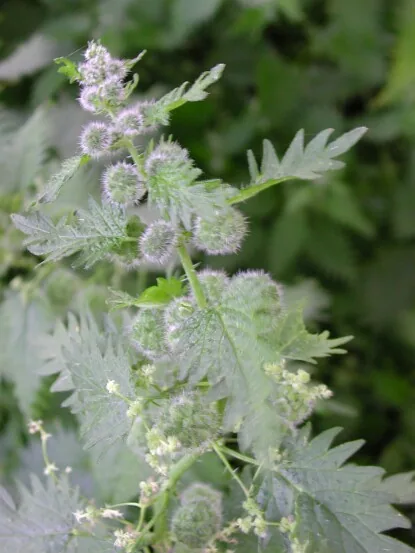
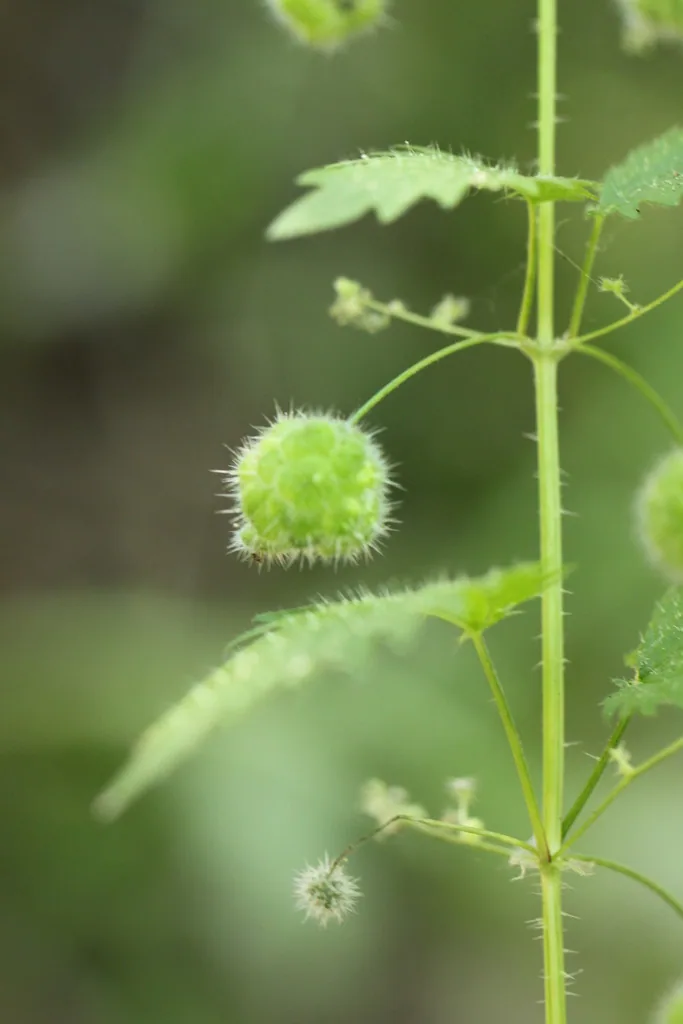
Urtica pilulifera (Roman nettle) is an annual native from the Mediterranean to western Pakistan and the Arabian Peninsula. [4] It grows as a weed of cultivated fields, roadsides, olive groves, village wasteground and places where grazing animals gather. [1][2] Young leaves are cooked and used as a potherb; cooking or drying destroys the stinging hairs. [3]
This record is incomplete: the sources we read do not cover every field yet.
Not yet covered by our sources: Hardiness, coldest zone, Hardiness, warmest zone
Roman nettle care
How to water Roman nettle
Watering
Moderate
What the sources say (1)
Water
moderate
Soil textures
sandy, loamy, clay
Soil pH
acidWatering notes
Not drought tolerant
What the sources say (1)
Soil pH
acid, neutral, alkaline
Tolerates Nutritionally Poor Soil
No
Drought
intolerantHow much light Roman nettle needs
Full sun; no shade
What the sources say (1)
Light
full sun
Shade tolerance
no shade
Water
moderateHow much cold Roman nettle can take
Hardiness, coldest zone
Not stated in the sources we read.
Hardiness, warmest zone
Not stated in the sources we read.
How to propagate Roman nettle
Seed
What the sources say (1)
## Propagation
This section contains historical Plants For A Future notes marked noncommercial .
Seed - sow spring in a cold frame.How to grow Roman nettle
The plant
Life cycle
annual
What the sources say (1)
It is an annual and grows primarily in the subtropical biome.Family
Urticaceae
What the sources say (1)
Family Urticaceae View Family Tree opens in a new tabRemedies
The sources we checked give no remedies for this plant.
Calendar
Sowing
Spring (in a cold frame)
What the sources say (1)
## Propagation
This section contains historical Plants For A Future notes marked noncommercial .
Seed - sow spring in a cold frame.Months as given by the sources, which are mostly from the United States (northern hemisphere). In the southern hemisphere they shift by about six months.
Edibility
Reported by the source, quoted verbatim. Do not eat a plant on the basis of this page alone: identification mistakes can be dangerous.
Young leaves - cooked and used as a potherb [1] [23] [4] [20] [2] [10] . A very nutritious food, high in vitamins and minerals, it makes an excellent spinach substitute and can also be added to soups and stews.
[3]Although the fresh leaves have stinging hairs, thoroughly drying or cooking them destroys these hairs. Nettle beer is brewed from the young shoots
[3]
Similar plants
- Heartleaf Nettle Urtica chamaedryoides
- Stinging Nettle Urtica dioica
- Urtica membranacea Urtica membranacea
- Dwarf nettle Urtica urens
- False Nettle Boehmeria cylindrica
- Artillery Plant Pilea microphylla
- Creeping Charlie Pilea nummulariifolia
- Mind-Your-Own-Business Soleirolia soleirolii
Sources
Every value above is quoted from these documents. Links lead to the original publisher.
- Urtica pilulifera L. - Herbari Virtual del Mediterrani Occidental · herbarivirtual.uib.cat, consulted
- · cretanflora.com, consulted
- Roman Nettle (Urtica pilulifera) — Practical Plants · practicalplants.org, consulted
- Urtica pilulifera L. | Plants of the World Online | Kew Science · powo.science.kew.org, consulted
Written by Emilio Marruso · last checked