
How to Grow and Care for Cliff Fern
Woodsia obtusa
Written by Emilio Marruso · last checked
At a glance
This easygoing fern is happy in dappled sunlight, partial shade or even deep shade, so it can brighten the spots in your garden where little else grows. It likes moist to moderately dry soil and copes well with drier spells, as long as the drainage is good. It grows in containers too, and you can make new plants simply by dividing it.
- Sun
Dappled sunlight, partial shade or deep shade
What the sources say (1)
Light: Dappled sunlight, partial shade or deep shade
Light: Dappled Sunlight (Shade through upper canopy all day) Deep shade (Less than 2 hours to no direct sunlight) Partial Shade (Direct sunlight only part of the day, 2-6 hours)
— Woodsia obtusa (Blunt-lobed Cliff Fern, Blunt-lobed Woodsia Fern, Cliff Fern, Common Woodsia Fern) | North Carolina Extension Gardener Plant Toolbox [1] - Water
Moist to fairly dry soil and handles dry spells; good drainage is a must
What the sources say (3)
Watering: Prefers moist to moderately dry conditions; tolerant of drier conditions
Best grown in sandy or fertile, rocky soils, this species prefers conditions that are moist to moderately dry and neutral to slightly alkaline in pH.
— Woodsia obtusa (Blunt-lobed Cliff Fern, Blunt-lobed Woodsia Fern, Cliff Fern, Common Woodsia Fern) | North Carolina Extension Gardener Plant Toolbox [1] yet it is surprisingly tolerant of drier conditions
— Woodsia obtusa (Blunt-lobed Cliff Fern, Blunt-lobed Woodsia Fern, Cliff Fern, Common Woodsia Fern) | North Carolina Extension Gardener Plant Toolbox [1] Watering notes: Good drainage is essential; does not tolerate poorly drained soils
Good drainage is essential, as it will not tolerate poorly drained soils.
— Woodsia obtusa (Blunt-lobed Cliff Fern, Blunt-lobed Woodsia Fern, Cliff Fern, Common Woodsia Fern) | North Carolina Extension Gardener Plant Toolbox [1] - Cold
Survives winters down to −60 °F (−51.1 °C)
Very hardy · USDA 1a · RHS H7 · Z1
What the sources say (2)
Hardiness, coldest zone: 1a [winter low −51.1 to −48.3 °C (−60 to −55 °F)]
USDA Plant Hardiness Zone: 1a, 1b, 2a, 2b, 3a, 3b, 4a, 4b, 5a, 5b, 6a, 6b, 7a, 7b, 8a, 8b, 9a, 9b, 10a, 10b
— Woodsia obtusa (Blunt-lobed Cliff Fern, Blunt-lobed Woodsia Fern, Cliff Fern, Common Woodsia Fern) | North Carolina Extension Gardener Plant Toolbox [1] Hardiness, warmest zone: 10b [winter low 1.7 to 4.4 °C (35 to 40 °F)]
USDA Plant Hardiness Zone: 1a, 1b, 2a, 2b, 3a, 3b, 4a, 4b, 5a, 5b, 6a, 6b, 7a, 7b, 8a, 8b, 9a, 9b, 10a, 10b
— Woodsia obtusa (Blunt-lobed Cliff Fern, Blunt-lobed Woodsia Fern, Cliff Fern, Common Woodsia Fern) | North Carolina Extension Gardener Plant Toolbox [1] - Propagation
Make new plants by dividing it
What the sources say (1)
Propagation: Division
Life Cycle: Perennial Recommended Propagation Strategy: Division Country Or Region Of Origin:
— Woodsia obtusa (Blunt-lobed Cliff Fern, Blunt-lobed Woodsia Fern, Cliff Fern, Common Woodsia Fern) | North Carolina Extension Gardener Plant Toolbox [1] - Containers
Grows in containers too
What the sources say (1)
In containers: Yes
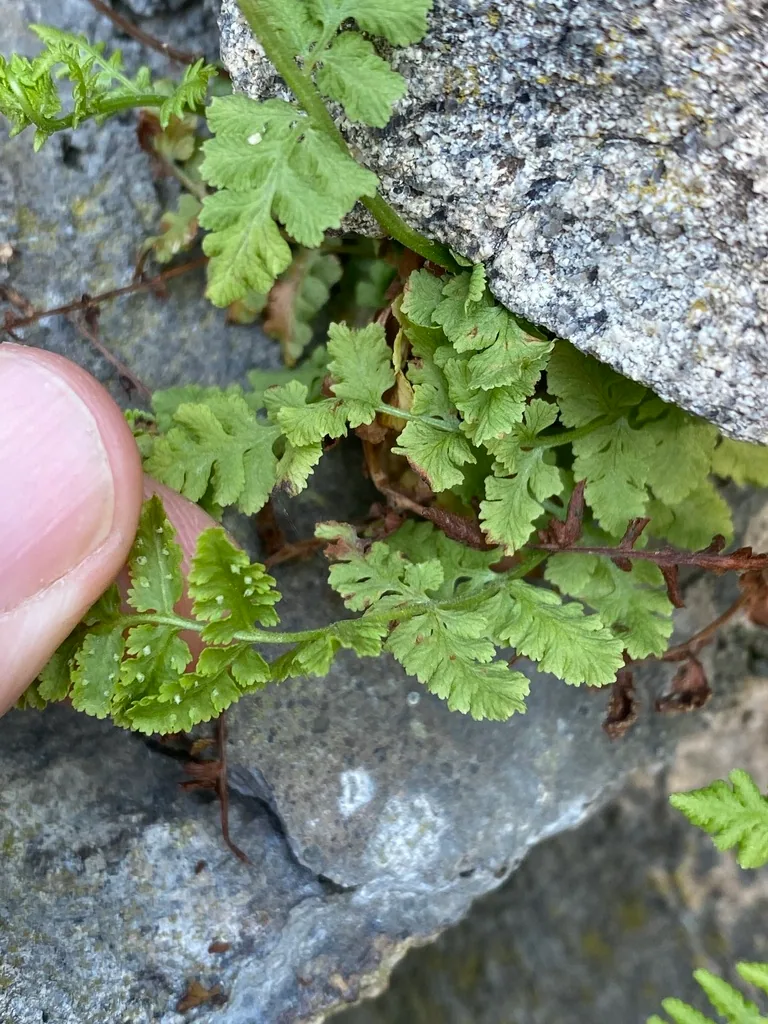
An excellent choice for rock gardens, stone walls, or containers, the blunt-lobed cliff fern adds fine texture and resilience to challenging planting sites.
— Woodsia obtusa (Blunt-lobed Cliff Fern, Blunt-lobed Woodsia Fern, Cliff Fern, Common Woodsia Fern) | North Carolina Extension Gardener Plant Toolbox [1]
Overview
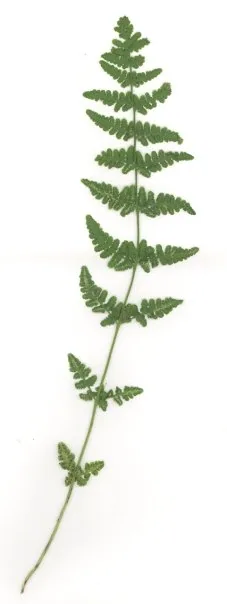
Blunt-lobed cliff fern is a small clumping perennial fern native to eastern North America. [1] It grows in sandy or rocky soils that drain well and tolerates drier conditions. [1] It suits rock gardens, stone walls and containers. [1]
This record is incomplete: the sources we read do not cover every field yet.
Not yet covered by our sources: Pruning
Cliff Fern care
How to water Cliff Fern
Watering
Prefers moist to moderately dry conditions; tolerant of drier conditions
What the sources say (2)
Best grown in sandy or fertile, rocky soils, this species prefers conditions that are moist to moderately dry and neutral to slightly alkaline in pH.yet it is surprisingly tolerant of drier conditionsWatering notes
Good drainage is essential; does not tolerate poorly drained soils
What the sources say (1)
Good drainage is essential, as it will not tolerate poorly drained soils.How much light Cliff Fern needs
Dappled sunlight, partial shade or deep shade
What the sources say (1)
Light:
Dappled Sunlight (Shade through upper canopy all day)
Deep shade (Less than 2 hours to no direct sunlight)
Partial Shade (Direct sunlight only part of the day, 2-6 hours)How much cold Cliff Fern can take
Hardiness, coldest zone
1a [winter low −51.1 to −48.3 °C (−60 to −55 °F)]
What the sources say (1)
USDA Plant Hardiness Zone:
1a, 1b, 2a, 2b, 3a, 3b, 4a, 4b, 5a, 5b, 6a, 6b, 7a, 7b, 8a, 8b, 9a, 9b, 10a, 10bHardiness, warmest zone
10b [winter low 1.7 to 4.4 °C (35 to 40 °F)]
What the sources say (1)
USDA Plant Hardiness Zone:
1a, 1b, 2a, 2b, 3a, 3b, 4a, 4b, 5a, 5b, 6a, 6b, 7a, 7b, 8a, 8b, 9a, 9b, 10a, 10bWhere to grow Cliff Fern
Yes
What the sources say (1)
An excellent choice for rock gardens, stone walls, or containers, the blunt-lobed cliff fern adds fine texture and resilience to challenging planting sites.How to propagate Cliff Fern
Division
What the sources say (1)
Life Cycle:
Perennial
Recommended Propagation Strategy:
Division
Country Or Region Of Origin:How to grow Cliff Fern
The plant
Family
Aspleniaceae
What the sources say (1)
The blunt-lobbed cliff fern is in the spleenwort family (Aspleniaceae). Native to eastern North AmericaRemedies
The sources we checked give no remedies for this plant.
Calendar
Pruning
Not stated in the sources we read.
Months as given by the sources, which are mostly from the United States (northern hemisphere). In the southern hemisphere they shift by about six months.
Indicative values
Values from a secondary source, not checked word for word like the rest of this page. Use them as a starting point.
- Life cycle
- PerennialIndicative value, adapt it to your climate · Secondary source · Data for the variety Woodsia obtusa subsp. obtusa
- Mature height
- 30.5-45.7 cm (1-1.5 ft)Indicative value, adapt it to your climate · Secondary source · Data for the variety Woodsia obtusa subsp. obtusa
- Hours of sun
- 3-4 hoursIndicative value, adapt it to your climate · Secondary source · Data for the variety Woodsia obtusa subsp. obtusa
- Drought tolerant
- yesIndicative value, adapt it to your climate · Secondary source · Data for the variety Woodsia obtusa subsp. obtusa
- Soil pH
- 5.5-7.5Indicative value, adapt it to your climate · Secondary source · Data for the variety Woodsia obtusa subsp. obtusa
- Care level
- MediumIndicative value, adapt it to your climate · Secondary source · Data for the variety Woodsia obtusa subsp. obtusa
- Growth rate
- LowIndicative value, adapt it to your climate · Secondary source · Data for the variety Woodsia obtusa subsp. obtusa
- Pruning
- February, March, AprilIndicative value, adapt it to your climate · Secondary source · Data for the variety Woodsia obtusa subsp. obtusa
Similar plants
- Asplenium ceterach Asplenium ceterach
- Brittle Bladder Fern Cystopteris fragilis
- Broad Beech Fern Phegopteris hexagonoptera
- Bulblet Bladder Fern Cystopteris bulbifera
- Deer Fern Blechnum spicant
- Ebony Spleenwort Asplenium platyneuron
- Glade Fern Homalosorus pycnocarpos
- Kunth's Maiden Fern Thelypteris kunthii
Sources
Every value above is quoted from these documents. Links lead to the original publisher.
- Woodsia obtusa (Blunt-lobed Cliff Fern, Blunt-lobed Woodsia Fern, Cliff Fern, Common Woodsia Fern) | North Carolina Extension Gardener Plant Toolbox · plants.ces.ncsu.edu, consulted
- Blunt-lobed Woodsia Fern - Woodsia obtusa | North Carolina Extension Gardener Plant Toolbox · plants.ces.ncsu.edu, consulted
Written by Emilio Marruso · last checked