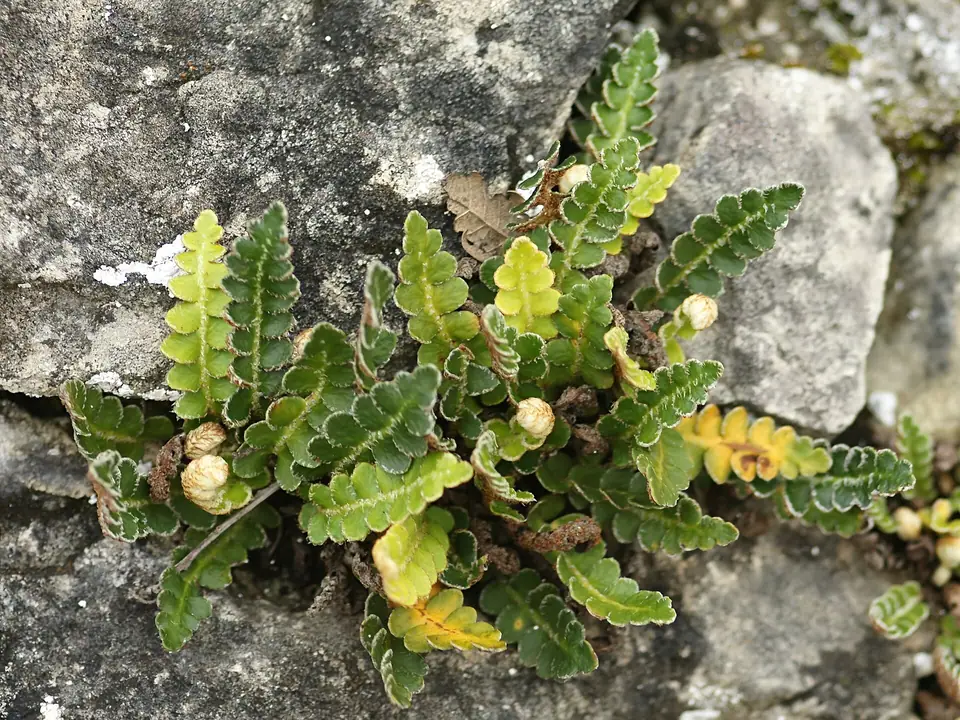
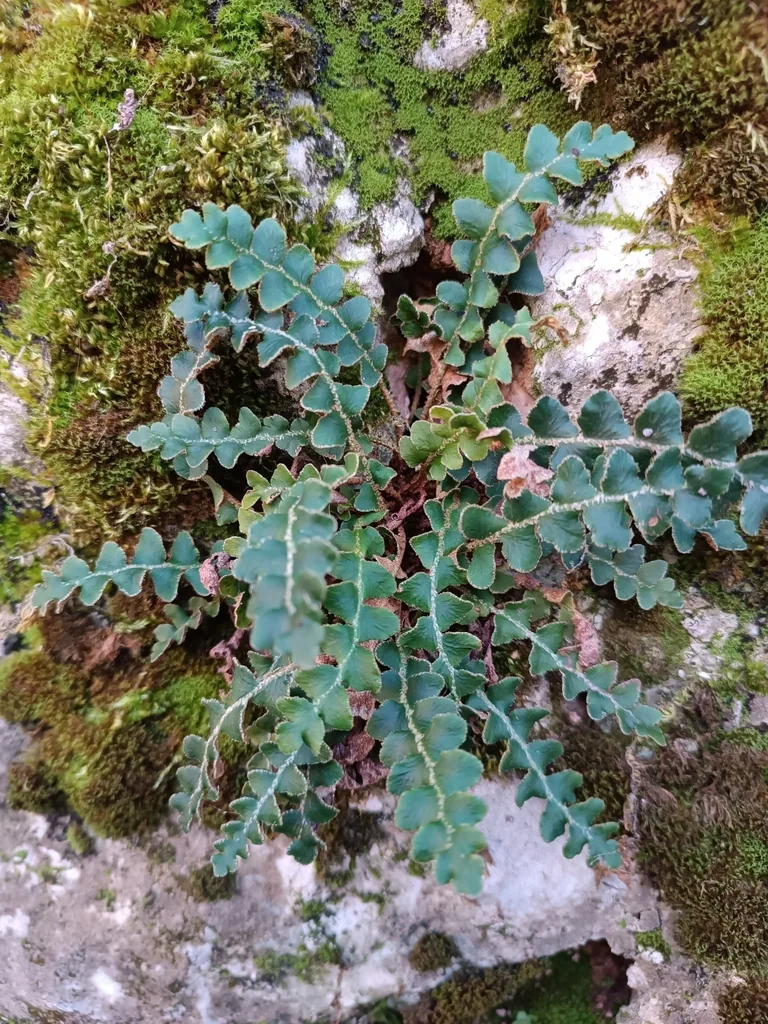

How to Grow and Care for Asplenium ceterach
Asplenium ceterach
Written by Emilio Marruso · last checked
Toxic to: People · Why
At a glance
This small perennial fern stays just 2–8 inches tall, perfect for a bright corner or a pot. It enjoys full sun to partial shade, ideally with some shade part of the day, and moist, freely draining alkaline soil. Keep it evenly damp without soggy roots, and at the start of spring you can divide it to make new plants.
- Sun
Full sun to partial shade; best with some shade part of the day
What the sources say (2)
Light: Full sun to partial shade (prefers at least part-day shade)
It tolerates full sun but prefers a position with at least part-day shade
— Asplenium ceterach - Useful Temperate Plants [1] puede instalarse en condiciones de semisombra hasta plena exposición solar
— Doradilla: qué es, características, hábitat, cultivo y usos [6] - Water
Keep the soil always moist, but never soggy
What the sources say (1)
Watering: Keep the substrate constantly moist but avoid waterlogging
a pesar de que se debe mantener humedad constante, es necesario evitar el encharcamiento
— Doradilla: qué es, características, hábitat, cultivo y usos [6] - Soil
Alkaline soil that drains freely but stays moist
What the sources say (1)
Watering notes: Requires a freely draining but moist alkaline soil
A calcicole plant, it requires a freely draining but moist alkaline soil
— Asplenium ceterach - Useful Temperate Plants [1] - Size
2 to 8 inches tall
What the sources say (1)
Mature height: 5-20 cm [2–7.9 in]
Habit: A small perennial fern, 5–20 cm tall, forming a compact basal rosette, supported by a very short rhizome covered with paleaceous scales.
— Asplenium ceterach L. – Giardino della Flora Appenninica [4] - Propagation
Divide it at the start of spring, or sow the spores as soon as they are ripe
What the sources say (2)
Propagation: Spores sown as soon as ripe; division or shoots at the start of spring
Spores - best sown as soon as they are ripe on the surface of a humus-rich sterilized soil
— Asplenium ceterach - Useful Temperate Plants [1] La multiplicación de esta especie se realiza por medio de brotes o división de esquejes, justo al inicio de la primavera
— Doradilla: qué es, características, hábitat, cultivo y usos [6] - Containers
Grows in containers too
What the sources say (1)
In containers: Yes
Para el cultivo en macetas, la poda de mantenimiento es recomendable
— Doradilla: qué es, características, hábitat, cultivo y usos [6] - Safety
No toxicity reported, but some ferns contain cancer-causing substances: some caution is wise
Overview
Asplenium ceterach is a small evergreen fern of rock crevices and old walls, preferring calcareous substrates. [4] It needs a freely draining but moist alkaline soil and tolerates full sun. [1]
This record is incomplete: the sources we read do not cover every field yet.
Not yet covered by our sources: Hardiness, coldest zone, Hardiness, warmest zone, Pruning
Asplenium ceterach care
How to water Asplenium ceterach
Watering
Keep the substrate constantly moist but avoid waterlogging
What the sources say (1)
a pesar de que se debe mantener humedad constante, es necesario evitar el encharcamientoWatering notes
Requires a freely draining but moist alkaline soil
What the sources say (1)
A calcicole plant, it requires a freely draining but moist alkaline soilHow much light Asplenium ceterach needs
Full sun to partial shade (prefers at least part-day shade)
How much cold Asplenium ceterach can take
Hardiness, coldest zone
Not stated in the sources we read.
Hardiness, warmest zone
Not stated in the sources we read.
Where to grow Asplenium ceterach
Yes
What the sources say (1)
Para el cultivo en macetas, la poda de mantenimiento es recomendableHow to propagate Asplenium ceterach
Spores sown as soon as ripe; division or shoots at the start of spring
What the sources say (2)
Spores - best sown as soon as they are ripe on the surface of a humus-rich sterilized soilLa multiplicación de esta especie se realiza por medio de brotes o división de esquejes, justo al inicio de la primaveraHow to grow Asplenium ceterach
The plant
Life cycle
perennial
What the sources say (1)
Habit: A small perennial fern, 5–20 cm tall, forming a compact basal rosette, supported by a very short rhizome covered with paleaceous scales.Family
Aspleniaceae
What the sources say (1)
Family:
ASPLENIACEAE
Genus:
Ceterach
Sinònims:
Asplenium ceterach L.Mature height
5-20 cm [2–7.9 in]
What the sources say (1)
Habit: A small perennial fern, 5–20 cm tall, forming a compact basal rosette, supported by a very short rhizome covered with paleaceous scales.Remedies
The sources we checked give no remedies for this plant.
Is Asplenium ceterach poisonous?
Reported by the source, quoted verbatim. This is not medical or veterinary advice: if a person or an animal may have eaten this plant, contact a poison control centre or a veterinarian.
Although we have found no reports of toxicity for this species, a number of ferns contain carcinogens so some caution is advisable
[1]
Calendar
Pruning
Not stated in the sources we read.
Months as given by the sources, which are mostly from the United States (northern hemisphere). In the southern hemisphere they shift by about six months.
Similar plants
- Ebony Spleenwort Asplenium platyneuron
- Maidenhair Spleenwort Asplenium trichomanes
- Mother Spleenwort Asplenium bulbiferum
- Nest Fern Asplenium nidus
- Walking Fern Asplenium rhizophyllum
- Hart's-tongue Asplenium scolopendrium
- Brittle Bladder Fern Cystopteris fragilis
- Cliff Fern Woodsia obtusa
Sources
Every value above is quoted from these documents. Links lead to the original publisher.
- Asplenium ceterach - Useful Temperate Plants · temperate.theferns.info, consulted
- Ceterach officinarum Willd. - Herbari Virtual del Mediterrani Occidental · herbarivirtual.uib.cat, consulted
- Rustyback Fern (Asplenium ceterach) - Garden.org · garden.org, consulted
- Asplenium ceterach L. – Giardino della Flora Appenninica · giardinocapracotta.unimol.it, consulted
- Ferns of Britain and Ireland - Ceterach officinarum DC. · delta-intkey.com, consulted
- Doradilla: qué es, características, hábitat, cultivo y usos · lifeder.com, consulted
-  · miteco.gob.es, consulted
Written by Emilio Marruso · last checked