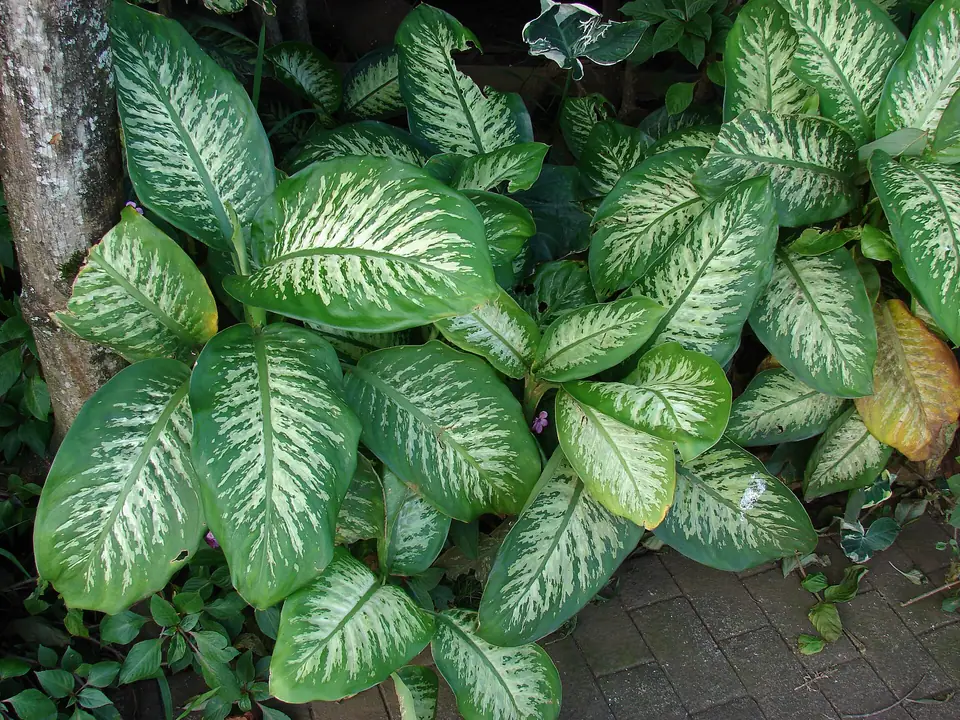
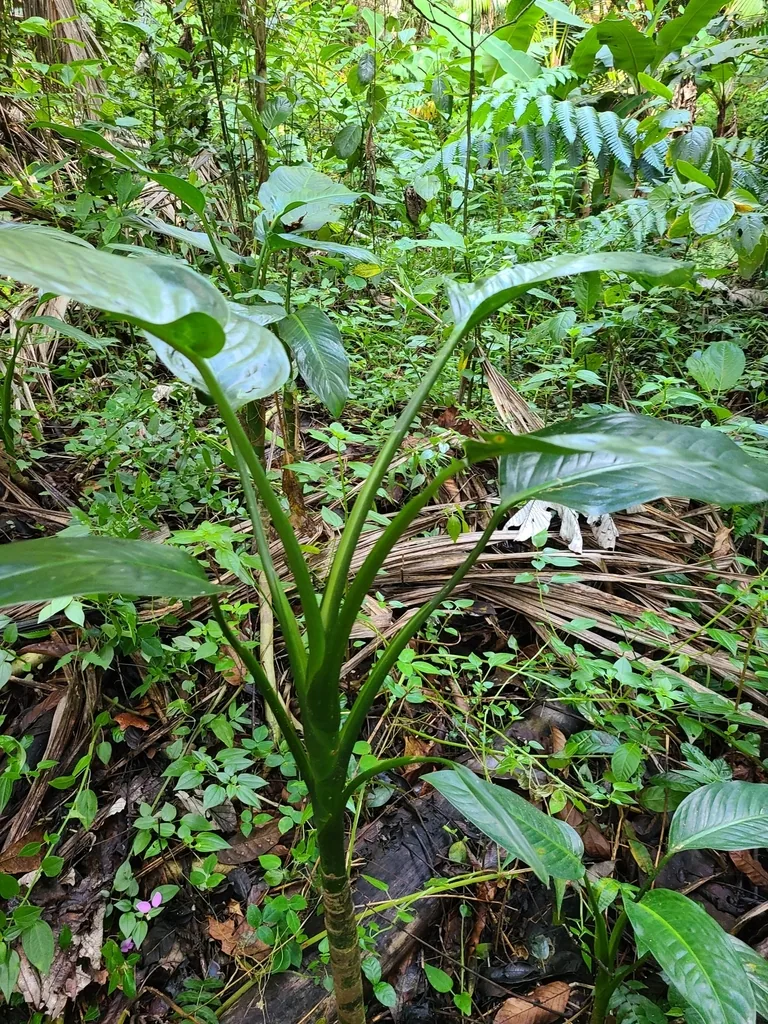
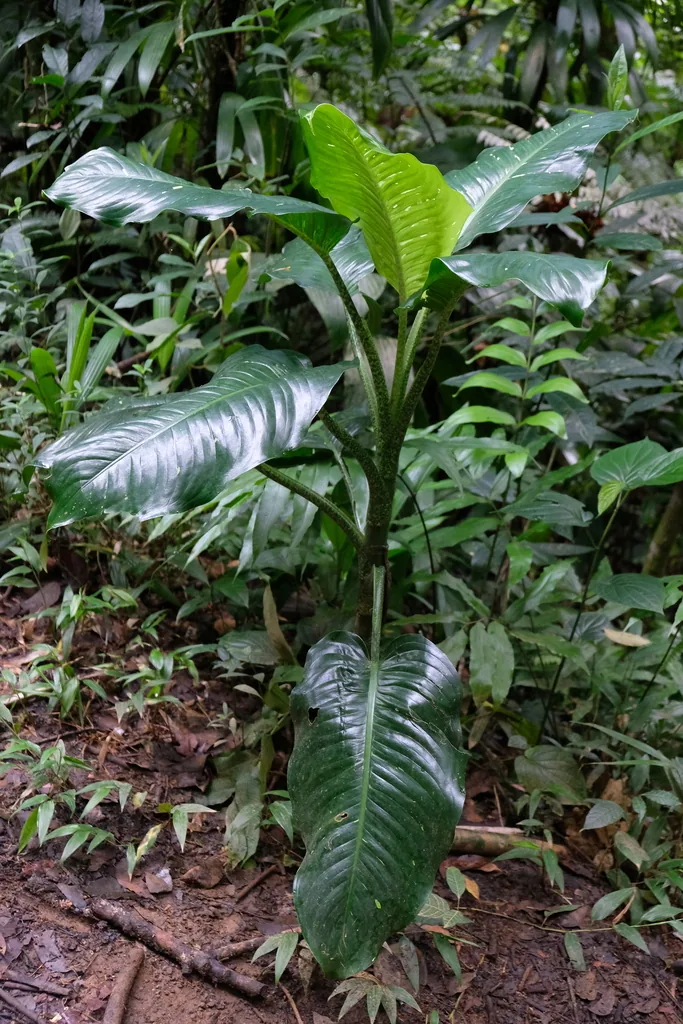
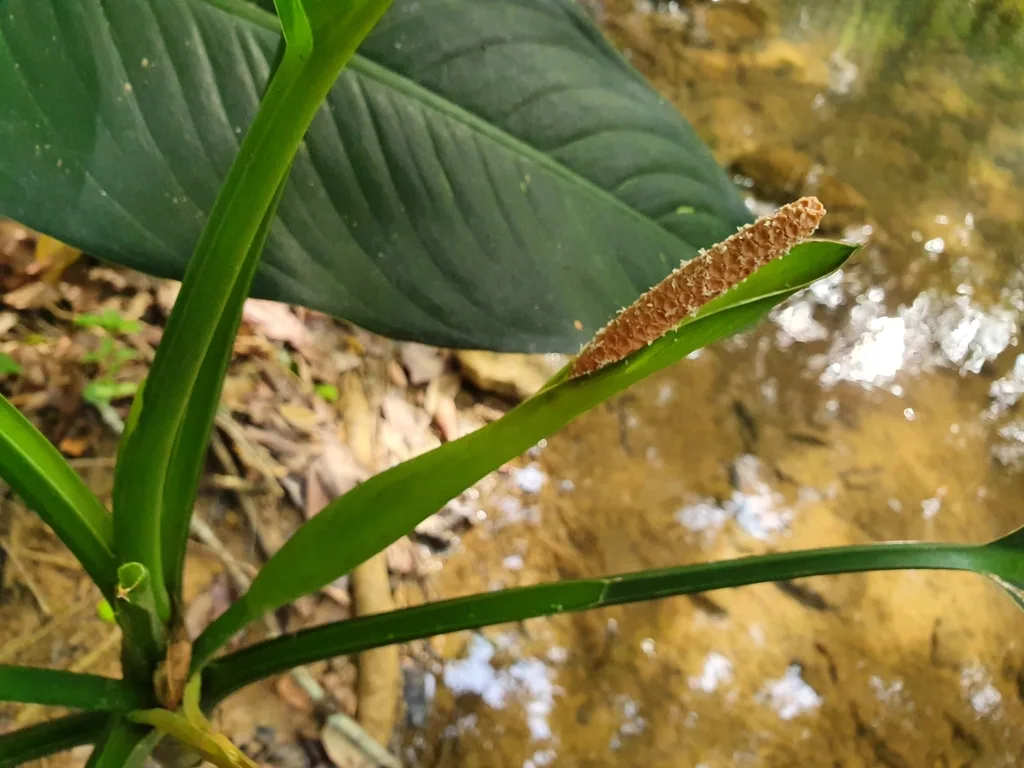

Cómo cultivar y cuidar Hoja de coche
Dieffenbachia seguine
Escrito por Emilio Marruso · última revisión
Tóxica para: Ganado, Animales, Personas · Por qué
De un vistazo
La dieffenbachia es una perenne agradecida que crece feliz en interior y en maceta. Dale semisombra o luz indirecta, lejos del sol directo, y riégala a fondo cuando se hayan secado los 2,5 cm superiores de la tierra. A cambio puede alcanzar de 0,9 a 2,4 m de alto y de 60 a 90 cm de ancho, una compañera verde y generosa para cualquier rincón.
- Sol
Semisombra o luz indirecta; protégela del sol directo
Qué dicen las fuentes (5)
Luz: Semisombra; luz indirecta, protegida de la luz solar directa
Según NC State Extension: It needs to be protected from cold drafts and direct sunlight.
— Dieffenbachia seguine (Dieffenbachia, Dumbcane, Gold Dieffenbachia, Spotted Dumbcane, Variable Dieffenbachia) | North Carolina Extension Gardener Plant Toolbox [1] Según UF/IFAS Gardening Solutions: Dieffenbachia prefers diffused sunlight or partial shade, but will tolerate full shade, which is why it is well-suited as a houseplant.
— Dieffenbachia – Gardening Solutions [6] Partial Shade (Direct sunlight only part of the day, 2-6 hours)
— Dieffenbachia seguine (Dieffenbachia, Dumbcane, Gold Dieffenbachia, Spotted Dumbcane, Variable Dieffenbachia) | North Carolina Extension Gardener Plant Toolbox [1] This plant prefers loose, fertile, high organic soil and indirect light, moderate temperatures, and high humidity.
— Dieffenbachia seguine (Dieffenbachia, Dumbcane, Gold Dieffenbachia, Spotted Dumbcane, Variable Dieffenbachia) | North Carolina Extension Gardener Plant Toolbox [1] It needs to be protected from cold drafts and direct sunlight.
— Dieffenbachia seguine (Dieffenbachia, Dumbcane, Gold Dieffenbachia, Spotted Dumbcane, Variable Dieffenbachia) | North Carolina Extension Gardener Plant Toolbox [1] - Riego
Riega a fondo y deja secar los 2,5 cm superiores de la tierra para evitar que se pudran las raíces
Qué dicen las fuentes (4)
Riego: Riega abundantemente y deja que la parte superior de 1 pulgada (2.5 cm) de suelo se seque completamente antes de regar de nuevo.
Según NC State Extension: Water the plant thoroughly and allow the top 1-inch surface of the soil to dry completely before watering the plant again.
— Dieffenbachia seguine (Dieffenbachia, Dumbcane, Gold Dieffenbachia, Spotted Dumbcane, Variable Dieffenbachia) | North Carolina Extension Gardener Plant Toolbox [1] Según UF/IFAS Gardening Solutions: Your dieffenbachia should be watered regularly, with soil being allowed to dry between waterings.
— Dieffenbachia – Gardening Solutions [6] Water the plant thoroughly and allow the top 1-inch surface of the soil to dry completely before watering the plant again.
— Dieffenbachia seguine (Dieffenbachia, Dumbcane, Gold Dieffenbachia, Spotted Dumbcane, Variable Dieffenbachia) | North Carolina Extension Gardener Plant Toolbox [1] Notas sobre el riego: Deja que la superficie de la tierra se seque para ayudar a prevenir la pudrición de la raíz.
Water the plant thoroughly and allow the top 1-inch surface of the soil to dry completely before watering the plant again. This will help prevent root rot.
— Dieffenbachia seguine (Dieffenbachia, Dumbcane, Gold Dieffenbachia, Spotted Dumbcane, Variable Dieffenbachia) | North Carolina Extension Gardener Plant Toolbox [1] - Frío
Aguanta inviernos de hasta −1,1 °C (30 °F)
Semirrústica: inviernos suaves o invernadero sin calefacción · USDA 10a · RHS H3 · Z10
Qué dicen las fuentes (2)
Rusticidad, zona más fría: 10a [mínima invernal de −1,1 a 1,7 °C (de 30 a 35 °F)]
Available Space To Plant: 12 inches-3 feet USDA Plant Hardiness Zone: 10a, 10b, 11a, 11b
— Dieffenbachia seguine (Dieffenbachia, Dumbcane, Gold Dieffenbachia, Spotted Dumbcane, Variable Dieffenbachia) | North Carolina Extension Gardener Plant Toolbox [1] Rusticidad, zona más cálida: 11b [mínima invernal de 7,2 a 10 °C (de 45 a 50 °F)]
Available Space To Plant: 12 inches-3 feet USDA Plant Hardiness Zone: 10a, 10b, 11a, 11b
— Dieffenbachia seguine (Dieffenbachia, Dumbcane, Gold Dieffenbachia, Spotted Dumbcane, Variable Dieffenbachia) | North Carolina Extension Gardener Plant Toolbox [1] - Abonado
Abono rico en nitrógeno para plantas de hoja; si las hojas se rizan con bordes marrones, lava la tierra con agua limpia
Qué dicen las fuentes (3)
Abonos minerales: Aplica fertilizante para plantas de follaje con alto contenido de nitrógeno según la dosis indicada en la etiqueta.
Move your plant to a brighter location and consider feeding your plant a high-nitrogen foliage plant food as recommended.
— Dieffenbachia – Gardening Solutions [6] Flush away accumulated salts and fertilizer with clean water. Follow label instructions for correct fertilizer application rates.
— Dieffenbachia – Gardening Solutions [6] Signos de exceso: Hojas rizadas con bordes marrones; elimina las sales y el fertilizante acumulados con agua limpia.
Leaves are curled with brown edges — Curled, browning leaves could be caused by excessive fertilizer application. Flush away accumulated salts and fertilizer with clean water.
— Dieffenbachia – Gardening Solutions [6] - Plagas
Araña roja, cochinilla, mosca blanca, mosquitos del sustrato y pulgón; también manchas en las hojas y pudrición de raíces
Qué dicen las fuentes (2)
Plagas: ácaros araña, cochinillas, moscas blancas, mosquitos de los hongos, pulgones
Monitor for spider mites, scale, whiteflies, fungus gnats, and aphids.
— Dieffenbachia seguine (Dieffenbachia, Dumbcane, Gold Dieffenbachia, Spotted Dumbcane, Variable Dieffenbachia) | North Carolina Extension Gardener Plant Toolbox [1] Enfermedades: mancha foliar fúngica, pudrición de raíz, tizón
Potential diseases include fungal leaf spot, root rot, and blight.
— Dieffenbachia seguine (Dieffenbachia, Dumbcane, Gold Dieffenbachia, Spotted Dumbcane, Variable Dieffenbachia) | North Carolina Extension Gardener Plant Toolbox [1] - Atención
Usa guantes al manipularla: la savia irrita la piel
- Tamaño
De 0,9 a 2,4 m de alto y de 60 a 90 cm de ancho
Qué dicen las fuentes (2)
Altura adulta: 91-244 cm (3-8 pies)
Dimensions: Height: 3 ft. 0 in. - 8 ft. 0 in. Width: 2 ft. 0 in. - 3 ft. 0 in.
— Dieffenbachia seguine (Dieffenbachia, Dumbcane, Gold Dieffenbachia, Spotted Dumbcane, Variable Dieffenbachia) | North Carolina Extension Gardener Plant Toolbox [1] Anchura adulta: 61-91 cm (2-3 pies)
Dimensions: Height: 3 ft. 0 in. - 8 ft. 0 in. Width: 2 ft. 0 in. - 3 ft. 0 in.
— Dieffenbachia seguine (Dieffenbachia, Dumbcane, Gold Dieffenbachia, Spotted Dumbcane, Variable Dieffenbachia) | North Carolina Extension Gardener Plant Toolbox [1] - Multiplicación
Por división, esquejes de tallo o esquejes de raíz
Qué dicen las fuentes (1)
Propagación: División; esquejes de tallo; esquejes de raíz
It needs to be protected from cold drafts and direct sunlight. Propagate by division or stem/root cuttings.
— Dieffenbachia seguine (Dieffenbachia, Dumbcane, Gold Dieffenbachia, Spotted Dumbcane, Variable Dieffenbachia) | North Carolina Extension Gardener Plant Toolbox [1] - Maceta
Crece bien en interior y en maceta
Qué dicen las fuentes (2)
En interior: Sí
It is a popular houseplant and is grown for its ornamental foliage.
— Dieffenbachia seguine (Dieffenbachia, Dumbcane, Gold Dieffenbachia, Spotted Dumbcane, Variable Dieffenbachia) | North Carolina Extension Gardener Plant Toolbox [1] En maceta: Sí
#tropical feel #spadix #container plant #white flowers #cream flowers
— Dieffenbachia seguine (Dieffenbachia, Dumbcane, Gold Dieffenbachia, Spotted Dumbcane, Variable Dieffenbachia) | North Carolina Extension Gardener Plant Toolbox [1] - Seguridad
Tóxica: la savia quema e hincha boca y garganta y puede dañar los ojos; puede ser mortal para las mascotas
Resumen
Dieffenbachia seguine es una perenne de hoja ancha, erecta y siempreverde de la familia Araceae que crece de 3 a 8 pies [0,9–2,4 m] de alto y es popular como planta de interior. [1] Prefiere luz indirecta, tierra suelta, fértil y con alto contenido de materia orgánica, y riego abundante una vez que la capa superior de 1 pulgada [2,5 cm] de tierra se haya secado por completo. [1] La savia contiene cristales de oxalato de calcio y es tóxica para humanos y mascotas si se ingiere. [1]
Citado en inglés, como en la fuente.
Cuidados
Las medidas entre corchetes son nuestra conversión al otro sistema de unidades; el texto citado no cambia.
Riego
Riego
Riega abundantemente y deja que la parte superior de 1 pulgada (2.5 cm) de suelo se seque completamente antes de regar de nuevo.
Lo que dice cada fuente
Según NC State Extension: Riega abundantemente y deja que la capa superior de 1 pulgada (2.5 cm) de tierra se seque por completo antes de volver a regar
Según UF/IFAS Gardening Solutions: Riega regularmente, dejando que la tierra se seque entre riegos
Qué dicen las fuentes (3)
Según NC State Extension: Water the plant thoroughly and allow the top 1-inch surface of the soil to dry completely before watering the plant again.Según UF/IFAS Gardening Solutions: Your dieffenbachia should be watered regularly, with soil being allowed to dry between waterings.Water the plant thoroughly and allow the top 1-inch surface of the soil to dry completely before watering the plant again.Notas sobre el riego
Deja que la superficie de la tierra se seque para ayudar a prevenir la pudrición de la raíz.
Qué dicen las fuentes (1)
Water the plant thoroughly and allow the top 1-inch surface of the soil to dry completely before watering the plant again. This will help prevent root rot.Luz
Semisombra; luz indirecta, protegida de la luz solar directa
Lo que dice cada fuente
Según NC State Extension: Semisombra; luz indirecta, protegida de la luz solar directa
Según UF/IFAS Gardening Solutions: Luz difusa o semisombra; tolera sombra total
Qué dicen las fuentes (5)
Según NC State Extension: It needs to be protected from cold drafts and direct sunlight.Según UF/IFAS Gardening Solutions: Dieffenbachia prefers diffused sunlight or partial shade, but will tolerate full shade, which is why it is well-suited as a houseplant.Partial Shade (Direct sunlight only part of the day, 2-6 hours)This plant prefers loose, fertile, high organic soil and indirect light, moderate temperatures, and high humidity.It needs to be protected from cold drafts and direct sunlight.Clima y frío
Rusticidad, zona más fría
10a [mínima invernal de −1,1 a 1,7 °C (de 30 a 35 °F)]
Qué dicen las fuentes (1)
Available Space To Plant:
12 inches-3 feet
USDA Plant Hardiness Zone:
10a, 10b, 11a, 11bRusticidad, zona más cálida
11b [mínima invernal de 7,2 a 10 °C (de 45 a 50 °F)]
Qué dicen las fuentes (1)
Available Space To Plant:
12 inches-3 feet
USDA Plant Hardiness Zone:
10a, 10b, 11a, 11bDónde cultivarla
En interior
Sí
Qué dicen las fuentes (1)
It is a popular houseplant and is grown for its ornamental foliage.En maceta
Sí
Qué dicen las fuentes (1)
#tropical feel #spadix #container plant #white flowers #cream flowersPropagación
División; esquejes de tallo; esquejes de raíz
Qué dicen las fuentes (1)
It needs to be protected from cold drafts and direct sunlight. Propagate by division or stem/root cuttings.Cultivo
La planta
Ciclo de vida
perenne
Qué dicen las fuentes (1)
Dieffenbachia is an erect, broadleaf evergreen perennial in the Araceae family that is native to Central and South America.Familia
Araceae
Qué dicen las fuentes (1)
Dieffenbachia is an erect, broadleaf evergreen perennial in the Araceae family that is native to Central and South America.Altura adulta
91-244 cm (3-8 pies)
Qué dicen las fuentes (1)
Dimensions:
Height: 3 ft. 0 in. - 8 ft. 0 in.
Width: 2 ft. 0 in. - 3 ft. 0 in.Anchura adulta
61-91 cm (2-3 pies)
Qué dicen las fuentes (1)
Dimensions:
Height: 3 ft. 0 in. - 8 ft. 0 in.
Width: 2 ft. 0 in. - 3 ft. 0 in.Plagas y enfermedades
Plagas
ácaros araña, cochinillas, moscas blancas, mosquitos de los hongos, pulgones
Qué dicen las fuentes (1)
Monitor for spider mites, scale, whiteflies, fungus gnats, and aphids.Enfermedades
mancha foliar fúngica, pudrición de raíz, tizón
Qué dicen las fuentes (1)
Potential diseases include fungal leaf spot, root rot, and blight.Abonado
Abonos minerales
Aplica fertilizante para plantas de follaje con alto contenido de nitrógeno según la dosis indicada en la etiqueta.
Qué dicen las fuentes (2)
Move your plant to a brighter location and consider feeding your plant a high-nitrogen foliage plant food as recommended.Flush away accumulated salts and fertilizer with clean water. Follow label instructions for correct fertilizer application rates.Signos de exceso
Hojas rizadas con bordes marrones; elimina las sales y el fertilizante acumulados con agua limpia.
Qué dicen las fuentes (1)
Leaves are curled with brown edges — Curled, browning leaves could be caused by excessive fertilizer application. Flush away accumulated salts and fertilizer with clean water.Problemas
Plagas y enfermedades
Síntoma: Ácaros araña, cochinillas, moscas blancas, mosquitos de los hongos y pulgones; mancha foliar fúngica, pudrición de la raíz y tizón.
Qué hacer: Vigila las plagas; deja que la capa superior de 1 pulgada de tierra se seque entre riegos para ayudar a prevenir la pudrición de la raíz; usa guantes al manipularla para evitar irritación de la piel o dermatitis de contacto.
Qué dicen las fuentes (2)
Monitor for spider mites, scale, whiteflies, fungus gnats, and aphids. Potential diseases include fungal leaf spot, root rot, and blight.
— Dieffenbachia seguine (Dieffenbachia, Dumbcane, Gold Dieffenbachia, Spotted Dumbcane, Variable Dieffenbachia) | North Carolina Extension Gardener Plant Toolbox [1] Wear gloves when handling this plant to prevent skin irritation or contact dermatitis.
— Dieffenbachia seguine (Dieffenbachia, Dumbcane, Gold Dieffenbachia, Spotted Dumbcane, Variable Dieffenbachia) | North Carolina Extension Gardener Plant Toolbox [1]
Remedios
Cada remedio indica qué dicen las fuentes oficiales; los remedios tradicionales sin fuente oficial aparecen marcados. Los perjudiciales están para que sepas evitarlos.
Primeros auxilios
Primeros auxilios: no sustituyen al médico
contacto de la savia con la piel
Lava con agua y jabón Fuente oficial, sin prueba independiente
Seek medical attention if symptoms are severe or do not improve.
— poison.org [7] Cómo: Lava inmediatamente el área afectada a fondo con agua y jabón durante 15 minutos.
If you come into contact with the sap, you should immediately wash the affected area thoroughly with soap and water for 15 minutes.
— poison.org [7]
contacto de la savia con los ojos
Riega con agua Fuente oficial, sin prueba independiente
Seek medical attention if symptoms are severe or do not improve.
— poison.org [7] Cómo: Enjuaga inmediatamente con agua durante al menos 15 minutos
If the sap comes into contact with your eyes, immediately irrigate with water for at least 15 minutes.
— poison.org [7]
ingestión
Enjuágate la boca con agua y escupe. Fuente oficial, sin prueba independiente
If the person is drooling excessively, has severe mouth swelling, or is having difficulty swallowing or breathing, call 911 .
— poison.org [7] Cómo: enjuaga con agua y escupe para eliminar cualquier material vegetal restante de la boca; chupar hielo o golosinas congeladas puede aliviar el dolor; no fuerces los líquidos
For ingestions, rinse with water and spit to remove any remaining plant materials from the mouth. If the mouth continues to be irritated, sucking on ice chips or frozen treats can relieve pain. Do not force fluids.
— poison.org [7]
ingestión por niños
Limpia la boca y ofrece un refrigerio fresco Fuente oficial, sin prueba independiente
If there is swelling that prevents the child taking anything by mouth or causes difficulty breathing, go to the nearest emergency department immediately.
— chop.edu [8] Cómo: Limpia los residuos de la planta de la boca y ofrece una bebida fría o un refrigerio.
If a child eats any part of an oxalate-containing plant, wipe out the residue of the plant from the mouth and offer a cool drink or snack such as a popsicle, applesauce or yogurt.
— chop.edu [8]
Cuidar la planta
pulgones
pulverización con jabón doméstico No demostrado
They can contain detergents and degreasers that are harmful to groundwater and aquatic and soil organisms.
— ucanr.edu [10] Cómo: limpia los pulgones de la planta a mano después de rociar con agua jabonosa suave
Aphids are easy to wipe from plants, by hand after spraying with mild soapy water
— whyfarmit.com [9] Qué dicen las pruebas When “oils and soaps” are mentioned in UC IPM publications, we are referring to commercially available oils and soaps that are formulated specifically for use as pesticides- not household oils and soaps meant for cooking, cleaning, or other purposes.
— ucanr.edu [10] Espolvorea con harina No verificado
Remedio tradicional, no verificado por una fuente oficial.
Cómo: espolvorea ligeramente las plantas con harina para desalentar a los pulgones
ácaros araña
chorro de agua fuerte Funciona
Cómo: saca la planta al exterior y rocíala con un chorro de agua fuerte
Mite populations can be reduced by taking the plant outside and spraying it with a forceful spray of water.
— Dieffenbachia – Gardening Solutions [6] Qué dicen las pruebas Mite populations can be reduced by taking the plant outside and spraying it with a forceful spray of water.
— Dieffenbachia – Gardening Solutions [6] mezcla de alcohol y agua No verificado
Remedio tradicional, no verificado por una fuente oficial.
Cómo: Aplica una mezcla casera de alcohol y agua de 16 onzas de agua y media taza de alcohol a las hojas y tallos.
cochinillas harinosas
alcohol isopropílico en una bolita de algodón No verificado
Remedio tradicional, no verificado por una fuente oficial.
Cómo: Moja un algodón o un hisopo en alcohol isopropílico y limpia el dorso de los insectos.
mancha foliar por Myrothecium
Poda y desecha las hojas infectadas. Funciona
Cómo: Retira las hojas muertas e infectadas.
Remove dead and infected leaves, and apply fungicide to the healthiest parts of the plant.
— whyfarmit.com [9] Qué dicen las pruebas Many insect and disease issues can be solved in the home garden by hand-picking insects or clipping and disposing of diseased plant parts.
— extension.unh.edu [11]
Venenosa para los animales
Según la fuente, citada textualmente. No es un consejo médico ni veterinario: si una persona o un animal pudo haber ingerido esta planta, contacta con un centro de toxicología o con un veterinario.
Alternativas seguras para gatos y perros
Animales
The common name, dumbcane, refers to the numbing and paralyzing effects of the sap of this plant on the vocal cords of humans and pets if it is ingested.
[1]- Partes venenosas
Poison Part: Leaves Roots Sap/Juice Stems
[1]- Principio tóxico
Poison Toxic Principle: Calcium oxalate crystals, oxalic acid
[1]- Síntomas
Poison Symptoms: Burning and swelling of the lips, tongue, and throat due to needle-like crystals becoming embedded in the mouth and throat.
[1]- Gravedad
Poison Severity: High
[1]
Sap exposure to the eyes can result in damage to the cornea. It may be fatal to pets and livestock.
[1]- Partes venenosas
Poison Part: Leaves Roots Sap/Juice Stems
[1]- Principio tóxico
Poison Toxic Principle: Calcium oxalate crystals, oxalic acid
[1]- Síntomas
Poison Symptoms: Burning and swelling of the lips, tongue, and throat due to needle-like crystals becoming embedded in the mouth and throat.
[1]- Gravedad
Poison Severity: High
[1]
Personas
Burning and swelling of the lips, tongue, and throat due to needle-like crystals becoming embedded in the mouth and throat.
[1]- Partes venenosas
Poison Part: Leaves Roots Sap/Juice Stems
[1]- Principio tóxico
Poison Toxic Principle: Calcium oxalate crystals, oxalic acid
[1]- Síntomas
Poison Symptoms: Burning and swelling of the lips, tongue, and throat due to needle-like crystals becoming embedded in the mouth and throat.
[1]- Gravedad
Poison Severity: High
[1]
Skin irritation if exposed to cell sap. Sap exposure to the eyes can result in damage to the cornea.
[1]- Partes venenosas
Poison Part: Leaves Roots Sap/Juice Stems
[1]- Principio tóxico
Poison Toxic Principle: Calcium oxalate crystals, oxalic acid
[1]- Síntomas
Poison Symptoms: Burning and swelling of the lips, tongue, and throat due to needle-like crystals becoming embedded in the mouth and throat.
[1]- Gravedad
Poison Severity: High
[1]
Although Dieffenbachia is grown as a houseplant, it can be toxic for pets and children.
[1]- Partes venenosas
Poison Part: Leaves Roots Sap/Juice Stems
[1]- Principio tóxico
Poison Toxic Principle: Calcium oxalate crystals, oxalic acid
[1]- Síntomas
Poison Symptoms: Burning and swelling of the lips, tongue, and throat due to needle-like crystals becoming embedded in the mouth and throat.
[1]- Gravedad
Poison Severity: High
[1]
Valores orientativos
Valores de una fuente secundaria, no comprobados palabra por palabra como el resto de esta página. Úselos como punto de partida.
- Suelo
- Rico en humus, Bien drenadoValor orientativo, adáptalo a tu clima · Fuente secundaria
- pH del suelo
- 6-6.5Valor orientativo, adáptalo a tu clima · Fuente secundaria
- Nivel de cuidado
- MedioValor orientativo, adáptalo a tu clima · Fuente secundaria
- Crecimiento
- ModeradoValor orientativo, adáptalo a tu clima · Fuente secundaria
- Poda
- Mayo, junio, julioValor orientativo, adáptalo a tu clima · Fuente secundaria
Plantas similares
- Anthurium Anthurium andraeanum
- Arrowhead Plant Syngonium podophyllum
- Aro Arum maculatum
- Black Calla Arum palaestinum
- Blushing Philodendron Philodendron erubescens
- Cala Zantedeschia aethiopica
- Chinese Evergreen Aglaonema commutatum
- Cobra Lily Arisaema ringens
Fuentes
Cada valor anterior se cita de estos documentos. Los enlaces llevan al editor original.
- Dieffenbachia seguine (Dieffenbachia, Dumbcane, Gold Dieffenbachia, Spotted Dumbcane, Variable Dieffenbachia) | North Carolina Extension Gardener Plant Toolbox · plants.ces.ncsu.edu, consultado
- Variable Dieffenbachia - Dieffenbachia seguine | North Carolina Extension Gardener Plant Toolbox · plants.ces.ncsu.edu, consultado
- Dieffenbachia - Dieffenbachia seguine | North Carolina Extension Gardener Plant Toolbox · plants.ces.ncsu.edu, consultado
- Gold Dieffenbachia - Dieffenbachia seguine | North Carolina Extension Gardener Plant Toolbox · plants.ces.ncsu.edu, consultado
- Spotted Dumbcane - Dieffenbachia seguine | North Carolina Extension Gardener Plant Toolbox · plants.ces.ncsu.edu, consultado
- Dieffenbachia – Gardening Solutions · gardeningsolutions.ifas.ufl.edu, consultado
- poison.org · poison.org
- chop.edu · chop.edu
- whyfarmit.com · whyfarmit.com
- ucanr.edu · ucanr.edu
- extension.unh.edu · extension.unh.edu
Escrito por Emilio Marruso · última revisión