
Cómo cultivar y cuidar Corn Plant
Dracaena fragrans
Escrito por Emilio Marruso · última revisión
Tóxica para: Gatos, Perros, Caballos, Personas · Por qué
De un vistazo
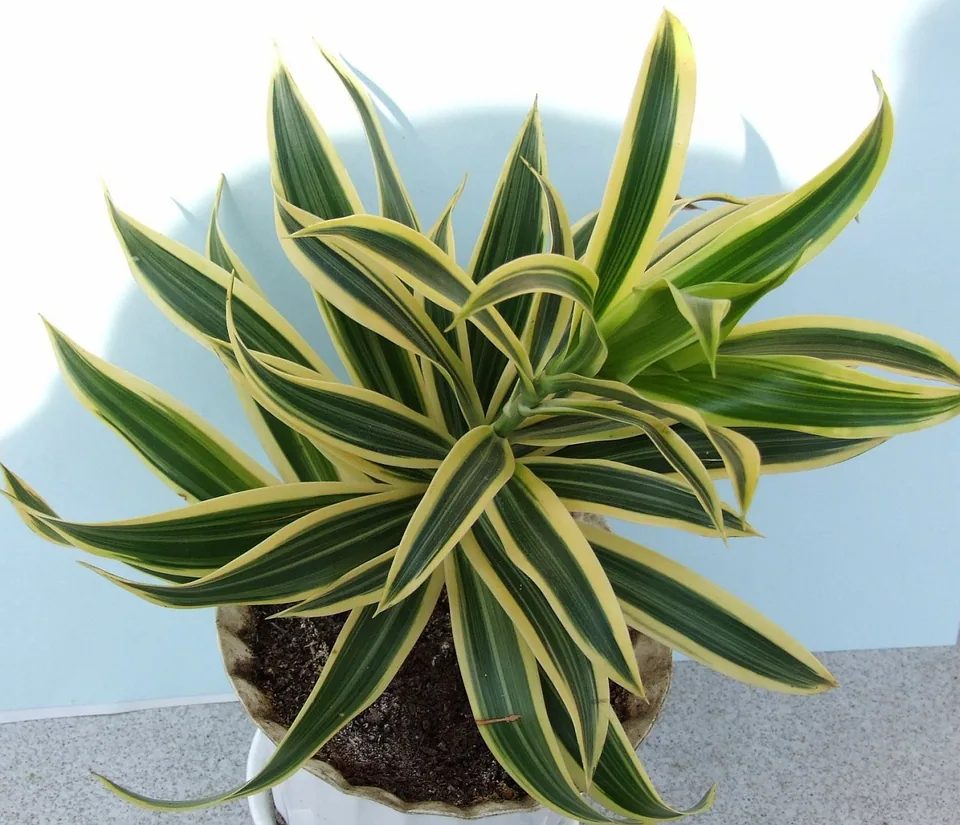
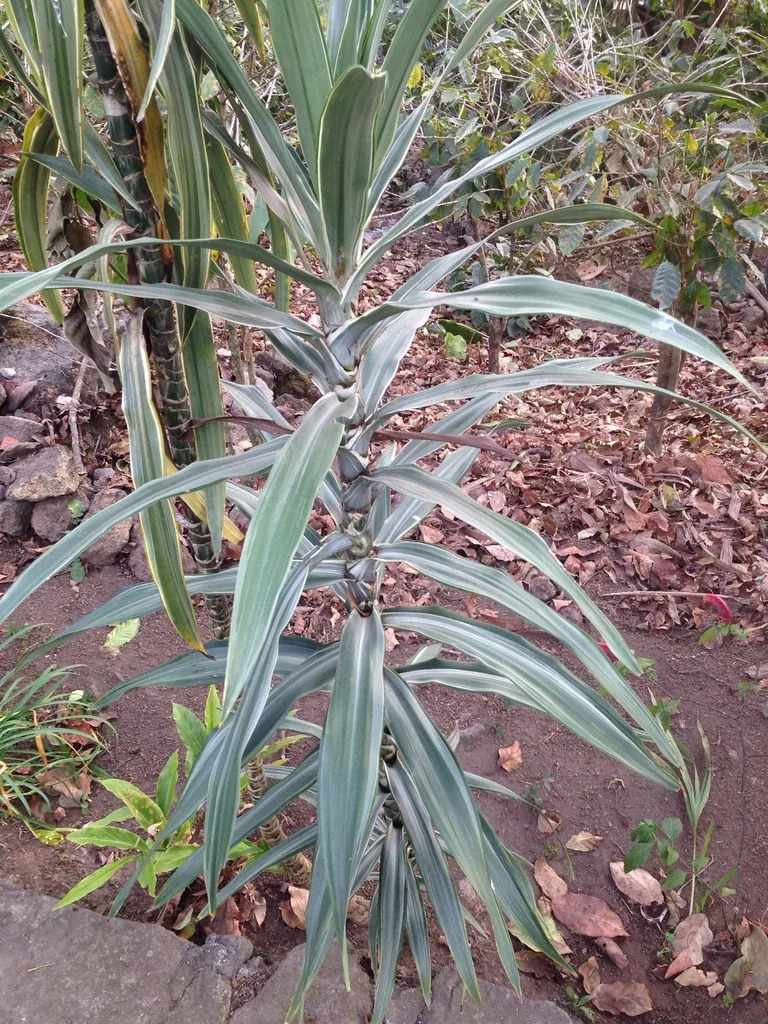
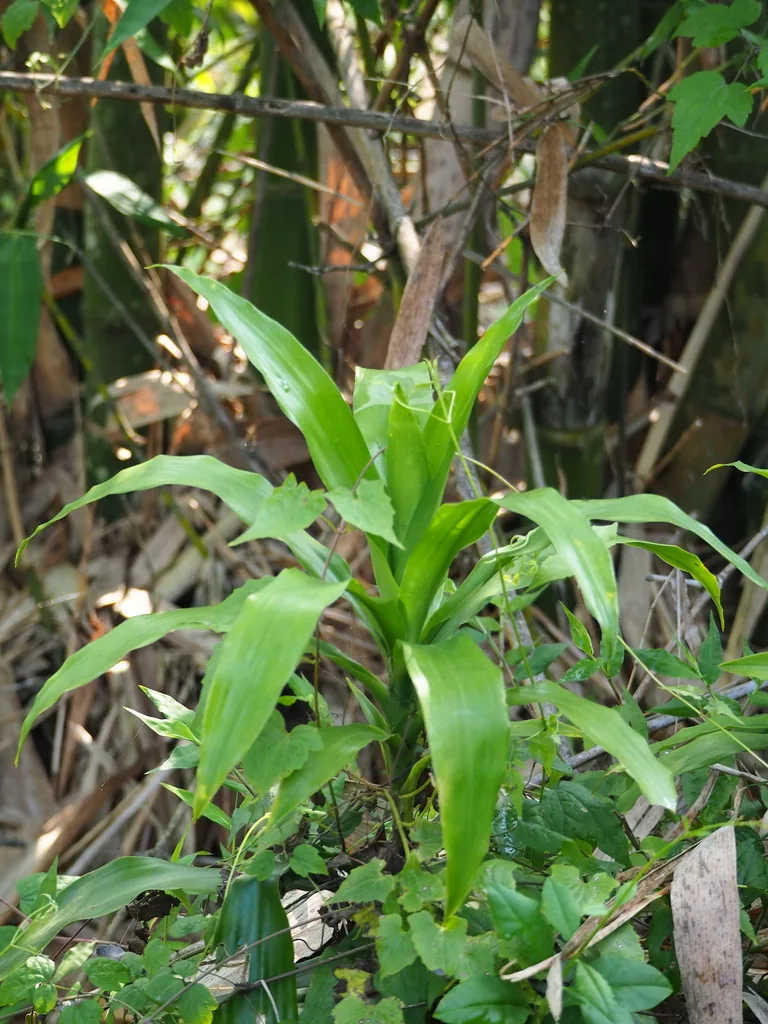
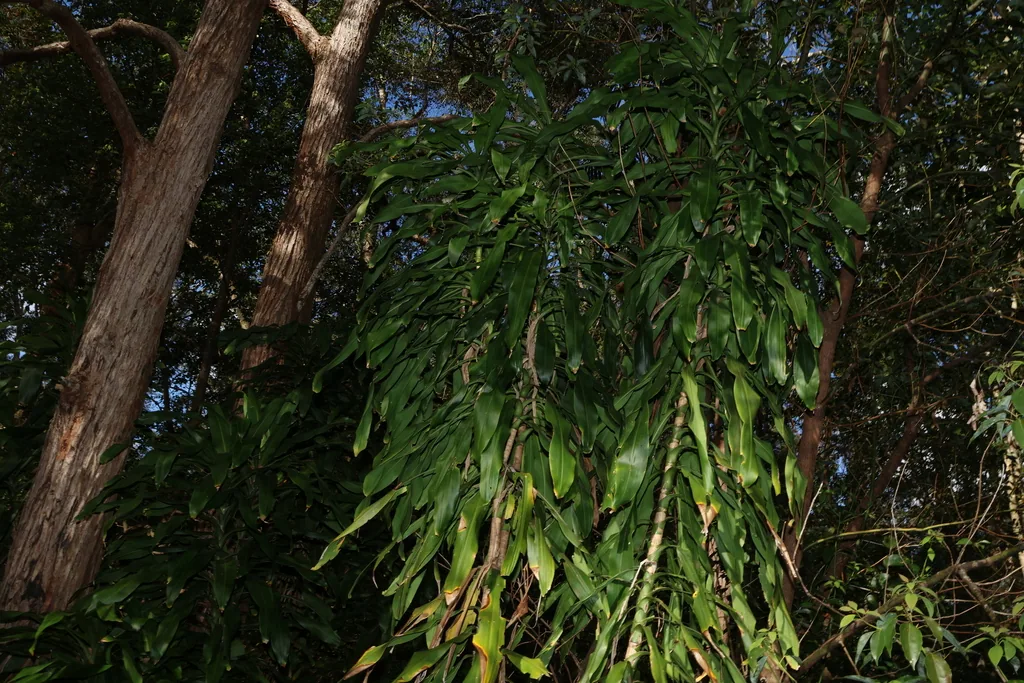
Esta dracena es una planta perenne que vive a gusto dentro de casa o en maceta, con luz filtrada, de intensa a moderada. Puede alcanzar de 0,9 a 4,4 m de alto, y puedes sacar plantas nuevas con esquejes de tallo. Riégala con agua sin flúor para que las puntas de las hojas no se pongan marrones, y abónala una vez al mes en primavera y verano.
- Sol
Luz filtrada, de intensa a moderada; el sol directo quema las hojas
Qué dicen las fuentes (1)
Luz: Luz brillante a moderada, filtrada; el sol directo puede quemar el follaje
Keep it in bright to moderate, filtered light. Direct sun can burn the foliage, but if light levels are too low, the leaves will narrow.
— Dracaena fragrans (Corn Plant, Cornstalk Plant, Dracaena, Dragon Tree, Janet Craig Plant, Ribbon Plant, Striped Dracaena, Striped Dragon Palm, Warneckei Dracaena, Warneckii) | North Carolina Extension Gardener Plant Toolbox [1] - Riego
Riega con agua sin flúor y lava las sales de la tierra una vez al mes
Qué dicen las fuentes (1)
Notas sobre el riego: Es sensible a los fluoruros y a las sales acumuladas: riega con agua sin fluoruro y enjuaga las sales mensualmente; cultívala en una maceta con agujeros de drenaje
It is sensitive to fluorides and built-up salts, so if leaves turn brown, try watering with non-fluoridated water and flush salts monthly.
— Dracaena fragrans (Corn Plant, Cornstalk Plant, Dracaena, Dragon Tree, Janet Craig Plant, Ribbon Plant, Striped Dracaena, Striped Dragon Palm, Warneckei Dracaena, Warneckii) | North Carolina Extension Gardener Plant Toolbox [1] - Frío
Aguanta inviernos de hasta −1,1 °C (30 °F)
Semirrústica: inviernos suaves o invernadero sin calefacción · USDA 10a · RHS H3 · Z10
Qué dicen las fuentes (4)
Rusticidad, zona más fría: 10a [mínima invernal de −1,1 a 1,7 °C (de 30 a 35 °F)]
USDA Plant Hardiness Zone: 10a, 10b, 11a, 11b
— Dracaena fragrans (Corn Plant, Cornstalk Plant, Dracaena, Dragon Tree, Janet Craig Plant, Ribbon Plant, Striped Dracaena, Striped Dragon Palm, Warneckei Dracaena, Warneckii) | North Carolina Extension Gardener Plant Toolbox [1] Rusticidad, zona más cálida:
Según NC State Extension (species page): USDA Plant Hardiness Zone: 10a, 10b, 11a, 11b
— Dracaena fragrans (Corn Plant, Cornstalk Plant, Dracaena, Dragon Tree, Janet Craig Plant, Ribbon Plant, Striped Dracaena, Striped Dragon Palm, Warneckei Dracaena, Warneckii) | North Carolina Extension Gardener Plant Toolbox [1] Según NC State Extension (genus Dracaena): These plants are hardy in zones 10 to 12 and need to be protected from frost.
— Dracaena | North Carolina Extension Gardener Plant Toolbox [5] USDA Plant Hardiness Zone: 10a, 10b, 11a, 11b
— Dracaena fragrans (Corn Plant, Cornstalk Plant, Dracaena, Dragon Tree, Janet Craig Plant, Ribbon Plant, Striped Dracaena, Striped Dragon Palm, Warneckei Dracaena, Warneckii) | North Carolina Extension Gardener Plant Toolbox [1] - Abonado
Abono líquido para plantas de hoja una vez al mes en primavera y verano, sin pasarte
Qué dicen las fuentes (4)
Frecuencia: Una vez al mes en primavera y verano
Feed dracaenas with liquid foliage plant fertilizer once a month during the spring and summer months. Time release fertilizer pellets may be used also.
— Dracaena | Home & Garden Information Center [6] Abonos minerales: Fertilizante líquido para plantas de follaje, o gránulos de fertilizante de liberación lenta
Feed dracaenas with liquid foliage plant fertilizer once a month during the spring and summer months. Time release fertilizer pellets may be used also.
— Dracaena | Home & Garden Information Center [6] Evitar: Fertilizantes que contienen superfosfato, a menudo ricos en flúor, a los que la drácena es muy sensible; alimentación abundante
Do not use fertilizer which contains superphosphate since it often has high levels of fluorine.
— Dracaena | Home & Garden Information Center [6] Leaf tips and margins may burn or become yellow if plants are fertilized too heavily.
— Dracaena | Home & Garden Information Center [6] - Plagas
Vigila los trips y la cochinilla algodonosa
Qué dicen las fuentes (1)
Plagas: trips, cochinillas harinosas
I t is susceptible to thrips and mealybugs. It is sensitive to fluorides and built-up salts
— Dracaena fragrans (Corn Plant, Cornstalk Plant, Dracaena, Dragon Tree, Janet Craig Plant, Ribbon Plant, Striped Dracaena, Striped Dragon Palm, Warneckei Dracaena, Warneckii) | North Carolina Extension Gardener Plant Toolbox [1] - Atención
Las puntas marrones vienen del aire seco o del flúor; un humidificador puede ayudar en invierno
- Tamaño
De 0,9 a 4,4 m de alto y de 30 a 90 cm de ancho
Qué dicen las fuentes (2)
Altura adulta: 91-442 cm (3 pies - 14 pies 6 pulgadas)
Dimensions: Height: 3 ft. 0 in. - 14 ft. 6 in. Width: 1 ft. 0 in. - 3 ft. 0 in.
— Dracaena fragrans (Corn Plant, Cornstalk Plant, Dracaena, Dragon Tree, Janet Craig Plant, Ribbon Plant, Striped Dracaena, Striped Dragon Palm, Warneckei Dracaena, Warneckii) | North Carolina Extension Gardener Plant Toolbox [1] Anchura adulta: 30-91 cm (1-3 pies)
Dimensions: Height: 3 ft. 0 in. - 14 ft. 6 in. Width: 1 ft. 0 in. - 3 ft. 0 in.
— Dracaena fragrans (Corn Plant, Cornstalk Plant, Dracaena, Dragon Tree, Janet Craig Plant, Ribbon Plant, Striped Dracaena, Striped Dragon Palm, Warneckei Dracaena, Warneckii) | North Carolina Extension Gardener Plant Toolbox [1] - Multiplicación
Se multiplica por esquejes de tallo
Qué dicen las fuentes (1)
Propagación: Esquejes de tallo
Corn plants thrive in temperatures of 70 to 80 degrees F. Propagate by stem cuttings.
— Dracaena fragrans (Corn Plant, Cornstalk Plant, Dracaena, Dragon Tree, Janet Craig Plant, Ribbon Plant, Striped Dracaena, Striped Dragon Palm, Warneckei Dracaena, Warneckii) | North Carolina Extension Gardener Plant Toolbox [1] - Maceta
Ideal dentro de casa; usa una maceta con agujeros de drenaje
Qué dicen las fuentes (3)
En maceta: Sí
Landscape Location: Container Houseplants Design Feature: Hedge Screen/Privacy
— Dracaena fragrans (Corn Plant, Cornstalk Plant, Dracaena, Dragon Tree, Janet Craig Plant, Ribbon Plant, Striped Dracaena, Striped Dragon Palm, Warneckei Dracaena, Warneckii) | North Carolina Extension Gardener Plant Toolbox [1] En interior: Sí
Its native home is tropical Africa, but it is widely grown as a houseplant or interiorscape plant in the United States and elsewhere.
— Dracaena fragrans (Corn Plant, Cornstalk Plant, Dracaena, Dragon Tree, Janet Craig Plant, Ribbon Plant, Striped Dracaena, Striped Dragon Palm, Warneckei Dracaena, Warneckii) | North Carolina Extension Gardener Plant Toolbox [1] Notas sobre el riego: Es sensible a los fluoruros y a las sales acumuladas: riega con agua sin fluoruro y enjuaga las sales mensualmente; cultívala en una maceta con agujeros de drenaje
It is sensitive to fluorides and built-up salts, so if leaves turn brown, try watering with non-fluoridated water and flush salts monthly.
— Dracaena fragrans (Corn Plant, Cornstalk Plant, Dracaena, Dragon Tree, Janet Craig Plant, Ribbon Plant, Striped Dracaena, Striped Dragon Palm, Warneckei Dracaena, Warneckii) | North Carolina Extension Gardener Plant Toolbox [1] - Seguridad
Tóxica para personas, gatos y perros si se ingiere; la savia puede irritar la piel
Resumen
La planta de maíz es un arbusto de hoja perenne de crecimiento lento originario de África tropical, ampliamente cultivado como planta de interior o planta de paisaje interior. [1] Necesita luz filtrada brillante a moderada y suelo húmedo en la temporada de crecimiento, con menos agua en invierno. [1] Su toxicidad listada para gatos, perros y humanos es de baja gravedad. [1]
Citado en inglés, como en la fuente.
Cuidados
Riego
Riego
Las fuentes dan valores distintos según la región, la zona o las condiciones de cultivo.
Lo que dice cada fuente
Según NC State Extension (species page): Mantén la tierra húmeda durante la temporada de crecimiento; reduce el riego en invierno
Según NC State Extension (genus Dracaena): Deja que la pulgada superior de la tierra se seque entre riegos
Según Clemson HGIC (genus Dracaena): Deja que se seque ligeramente entre riegos; riega a fondo cuando la superficie de la tierra esté seca al tacto
Qué dicen las fuentes (4)
Según NC State Extension (species page): Keep the soil moist during the growing season but cut back on the water in the winter.Según NC State Extension (genus Dracaena): It is best to allow the top inch of the soil to dry out between watering.Según Clemson HGIC (genus Dracaena): Allow dracaenas to dry slightly between waterings. Wait until the soil surface is dry to the touch, then water them thoroughly.Keep the soil moist during the growing season but cut back on the water in the winter. Grow it in commercial potting soil in a pot with drainage holes.Notas sobre el riego
Es sensible a los fluoruros y a las sales acumuladas: riega con agua sin fluoruro y enjuaga las sales mensualmente; cultívala en una maceta con agujeros de drenaje
Qué dicen las fuentes (1)
It is sensitive to fluorides and built-up salts, so if leaves turn brown, try watering with non-fluoridated water and flush salts monthly.Luz
Luz brillante a moderada, filtrada; el sol directo puede quemar el follaje
Qué dicen las fuentes (1)
Keep it in bright to moderate, filtered light. Direct sun can burn the foliage, but if light levels are too low, the leaves will narrow.Clima y frío
Rusticidad, zona más fría
10a [mínima invernal de −1,1 a 1,7 °C (de 30 a 35 °F)]
Qué dicen las fuentes (1)
USDA Plant Hardiness Zone:
10a, 10b, 11a, 11bRusticidad, zona más cálida
Las fuentes dan valores distintos según la región, la zona o las condiciones de cultivo.
Lo que dice cada fuente
Según NC State Extension (species page): 11b [mínima invernal de 7,2 a 10 °C (de 45 a 50 °F)]
Según NC State Extension (genus Dracaena): 12 [mínima invernal de 10 a 15,6 °C (de 50 a 60 °F)]
Qué dicen las fuentes (3)
Según NC State Extension (species page): USDA Plant Hardiness Zone: 10a, 10b, 11a, 11bSegún NC State Extension (genus Dracaena): These plants are hardy in zones 10 to 12 and need to be protected from frost.USDA Plant Hardiness Zone:
10a, 10b, 11a, 11bDónde cultivarla
En interior
Sí
Qué dicen las fuentes (1)
Its native home is tropical Africa, but it is widely grown as a houseplant or interiorscape plant in the United States and elsewhere.En maceta
Sí
Qué dicen las fuentes (1)
Landscape Location:
Container
Houseplants
Design Feature:
Hedge
Screen/PrivacyPropagación
Esquejes de tallo
Qué dicen las fuentes (1)
Corn plants thrive in temperatures of 70 to 80 degrees F. Propagate by stem cuttings.Cultivo
La planta
Ciclo de vida
perenne
Qué dicen las fuentes (1)
Corn plant is a slow-growing, broadleaf evergreen, perennial shrub in the asparagus family (Asparagaceae).Familia
Asparagáceas
Qué dicen las fuentes (1)
Corn plant is a slow-growing, broadleaf evergreen, perennial shrub in the asparagus family (Asparagaceae).Altura adulta
91-442 cm (3 pies - 14 pies 6 pulgadas)
Qué dicen las fuentes (1)
Dimensions:
Height: 3 ft. 0 in. - 14 ft. 6 in.
Width: 1 ft. 0 in. - 3 ft. 0 in.Anchura adulta
30-91 cm (1-3 pies)
Qué dicen las fuentes (1)
Dimensions:
Height: 3 ft. 0 in. - 14 ft. 6 in.
Width: 1 ft. 0 in. - 3 ft. 0 in.Plagas y enfermedades
Plagas
trips, cochinillas harinosas
Qué dicen las fuentes (1)
I t is susceptible to thrips and mealybugs. It is sensitive to fluorides and built-up saltsAbonado
Cuándo
Primavera y verano.
Qué dicen las fuentes (1)
Feed dracaenas with liquid foliage plant fertilizer once a month during the spring and summer months. Time release fertilizer pellets may be used also.Frecuencia
Una vez al mes en primavera y verano
Qué dicen las fuentes (1)
Feed dracaenas with liquid foliage plant fertilizer once a month during the spring and summer months. Time release fertilizer pellets may be used also.Abonos minerales
Fertilizante líquido para plantas de follaje, o gránulos de fertilizante de liberación lenta
Qué dicen las fuentes (1)
Feed dracaenas with liquid foliage plant fertilizer once a month during the spring and summer months. Time release fertilizer pellets may be used also.Evitar
Fertilizantes que contienen superfosfato, a menudo ricos en flúor, a los que la drácena es muy sensible; alimentación abundante
Qué dicen las fuentes (2)
Do not use fertilizer which contains superphosphate since it often has high levels of fluorine.Leaf tips and margins may burn or become yellow if plants are fertilized too heavily.Signos de exceso
Las puntas y los bordes de las hojas se queman o se vuelven amarillos
Qué dicen las fuentes (1)
Leaf tips and margins may burn or become yellow if plants are fertilized too heavily.Problemas
Puntas de las hojas marrones.
Síntoma: Las hojas pueden ponerse marrones en las puntas si la humedad interior es demasiado baja, o por fluoruros y sales acumuladas.
Qué hacer: Un humidificador puede ayudar, especialmente en invierno; riega con agua no fluorada y enjuaga las sales mensualmente.
Qué dicen las fuentes (1)
A humidifier may help to prevent leaf tip browning, especially in the winter when the house is heated.
— Dracaena fragrans (Corn Plant, Cornstalk Plant, Dracaena, Dragon Tree, Janet Craig Plant, Ribbon Plant, Striped Dracaena, Striped Dragon Palm, Warneckei Dracaena, Warneckii) | North Carolina Extension Gardener Plant Toolbox [1] Trips y cochinillas harinosas
Síntoma: Susceptible a trips y cochinillas harinosas.
Qué hacer: No se indica control en la fuente.
Qué dicen las fuentes (1)
Insects, Diseases, and Other Plant Problems: I t is susceptible to thrips and mealybugs.
— Dracaena fragrans (Corn Plant, Cornstalk Plant, Dracaena, Dragon Tree, Janet Craig Plant, Ribbon Plant, Striped Dracaena, Striped Dragon Palm, Warneckei Dracaena, Warneckii) | North Carolina Extension Gardener Plant Toolbox [1]
Remedios
Cada remedio indica qué dicen las fuentes oficiales; los remedios tradicionales sin fuente oficial aparecen marcados. Los perjudiciales están para que sepas evitarlos.
Primeros auxilios
Primeros auxilios: no sustituyen al médico
contacto de la piel con la savia
Lava la piel con agua y jabón Fuente oficial, sin prueba independiente
Cómo: Lava inmediatamente el área afectada a fondo con agua y jabón durante 15 minutos.
If you come into contact with the sap, you should immediately wash the affected area thoroughly with soap and water for 15 minutes.
— poison.org [7]
irritación de la boca después de la ingestión
Enjuágate la boca con agua y escupe. Fuente oficial, sin prueba independiente
If the person is drooling excessively, has severe mouth swelling, or is having difficulty swallowing or breathing, call 911
— poison.org [7] If you are worried about an exposure to either Dieffenbachia or Philodendron plants, use the web POISON CONTROL online tool to get help, or call your poison center at 1-800-222-1222
— poison.org [7] Cómo: Enjuaga con agua y escupe para eliminar cualquier material vegetal restante de la boca.
For ingestions, rinse with water and spit to remove any remaining plant materials from the mouth.
— poison.org [7]
Cuidar la planta
cochinillas harinosas
chorro de agua potente No verificado
Remedio tradicional, no verificado por una fuente oficial.
Cómo: rocía regularmente la planta de maíz con un chorro de agua fuerte para desprender las cochinillas harinosas y enjuagar la melaza
jabón insecticida Funciona
Cómo: usa un jabón insecticida ya preparado
Use a ready-mixed insecticidal soap or horticultural oil to control mealybugs.
— weekand.com [8] Qué dicen las pruebas insecticidal soap is a safe, effective organic insecticide with minimal environmental impact.
— extension.psu.edu [9]
trips
chorro de agua fuerte No verificado
Remedio tradicional, no verificado por una fuente oficial.
Cómo: desprende los trips con un chorro de agua fuerte
ácaros araña
rocía el follaje con agua No verificado
Remedio tradicional, no verificado por una fuente oficial.
Cómo: rocía ocasionalmente el follaje con agua para reducir el polvo y desprender las arañitas rojas
toxicidad por fluoruro
Enjuaga el suelo con agua destilada Funciona
Cómo: Pasa lentamente agua destilada equivalente a aproximadamente el doble del volumen del contenedor a través del suelo.
regularly leach accumulated salts and fluoride out of the soil in potted plants by slowly running an amount of distilled water equal to about twice the volume of the corn plant's container through the soil.
— weekand.com [8] Qué dicen las pruebas so if leaves turn brown, try watering with non-fluoridated water and flush salts monthly.
— Dracaena fragrans (Corn Plant, Cornstalk Plant, Dracaena, Dragon Tree, Janet Craig Plant, Ribbon Plant, Striped Dracaena, Striped Dragon Palm, Warneckei Dracaena, Warneckii) | North Carolina Extension Gardener Plant Toolbox [1]
Venenosa para los animales
Según la fuente, citada textualmente. No es un consejo médico ni veterinario: si una persona o un animal pudo haber ingerido esta planta, contacta con un centro de toxicología o con un veterinario.
Toxic, if ingested, by cats, dogs, and humans: mouth irritation, stomach irritation, vomiting, loss of appetite depression, drooling, difficulty breathing. The sap may cause skin irritation.
[1]- Partes venenosas
Poison Part: Flowers Fruits Leaves Roots Sap/Juice Stems
[1]- Principio tóxico
Poison Toxic Principle: saponin
[1]- Síntomas
mouth irritation, stomach irritation, vomiting, loss of appetite depression, drooling, difficulty breathing. The sap may cause skin irritation.
[1]- Gravedad
Poison Severity: Low
[1]
Problems: Problem for Cats Problem for Children Problem for Dogs Problem for Horses
[1]- Partes venenosas
Poison Part: Flowers Fruits Leaves Roots Sap/Juice Stems
[1]- Principio tóxico
Poison Toxic Principle: saponin
[1]- Síntomas
mouth irritation, stomach irritation, vomiting, loss of appetite depression, drooling, difficulty breathing. The sap may cause skin irritation.
[1]- Gravedad
Poison Severity: Low
[1]
Valores orientativos
Valores de una fuente secundaria, no comprobados palabra por palabra como el resto de esta página. Úselos como punto de partida.
- Horas de sol
- 4-6 horasValor orientativo, adáptalo a tu clima · Fuente secundaria
- Resiste la sequía
- SíValor orientativo, adáptalo a tu clima · Fuente secundaria
- Suelo
- Bien drenadoValor orientativo, adáptalo a tu clima · Fuente secundaria
- pH del suelo
- 6-6.5Valor orientativo, adáptalo a tu clima · Fuente secundaria
- Crecimiento
- BajoValor orientativo, adáptalo a tu clima · Fuente secundaria
- Poda
- agosto, marzo, abril, mayo, junio, julio, agosto, septiembreValor orientativo, adáptalo a tu clima · Fuente secundaria
Plantas similares
- African Spear Dracaena angolensis
- Dracaena Dracaena marginata
- Gold Dust Dracaena surculosa
- Lucky Bamboo Dracaena sanderiana
- Queen of Dracaenas Dracaena goldieana
- Snake Plant Dracaena trifasciata
- Whale Fin Dracaena Dracaena masoniana
- Drago de Canarias Dracaena draco
Fuentes
Cada valor anterior se cita de estos documentos. Los enlaces llevan al editor original.
- Dracaena fragrans (Corn Plant, Cornstalk Plant, Dracaena, Dragon Tree, Janet Craig Plant, Ribbon Plant, Striped Dracaena, Striped Dragon Palm, Warneckei Dracaena, Warneckii) | North Carolina Extension Gardener Plant Toolbox · plants.ces.ncsu.edu, consultado
- Janet Craig Plant - Dracaena fragrans | North Carolina Extension Gardener Plant Toolbox · plants.ces.ncsu.edu, consultado
- Corn Plant - Dracaena fragrans | North Carolina Extension Gardener Plant Toolbox · plants.ces.ncsu.edu, consultado
- Warneckii - Dracaena fragrans | North Carolina Extension Gardener Plant Toolbox · plants.ces.ncsu.edu, consultado
- Dracaena | North Carolina Extension Gardener Plant Toolbox · plants.ces.ncsu.edu, consultado
- Dracaena | Home & Garden Information Center · hgic.clemson.edu, consultado
- poison.org · poison.org
- weekand.com · weekand.com
- extension.psu.edu · extension.psu.edu
Escrito por Emilio Marruso · última revisión