
How to Grow and Care for Corn Plant
Dracaena fragrans
Written by Emilio Marruso · last checked
Toxic to: Cats, Dogs, Horses, People · Why
At a glance
This dracaena is a perennial that is happy indoors or in a pot, in bright to moderate, filtered light. It can grow from 3 to 14½ feet tall, and you can start new plants from stem cuttings. Water it with fluoride-free water to keep the leaf tips from turning brown, and feed it once a month in spring and summer.
- Sun
Bright to moderate filtered light; direct sun burns the leaves
What the sources say (1)
Light: Bright to moderate, filtered light; direct sun can burn the foliage
Keep it in bright to moderate, filtered light. Direct sun can burn the foliage, but if light levels are too low, the leaves will narrow.
— Dracaena fragrans (Corn Plant, Cornstalk Plant, Dracaena, Dragon Tree, Janet Craig Plant, Ribbon Plant, Striped Dracaena, Striped Dragon Palm, Warneckei Dracaena, Warneckii) | North Carolina Extension Gardener Plant Toolbox [1] - Water
Use fluoride-free water and flush the salts out of the soil once a month
What the sources say (1)
Watering notes: Sensitive to fluorides and built-up salts: water with non-fluoridated water and flush salts monthly; grow in a pot with drainage holes
It is sensitive to fluorides and built-up salts, so if leaves turn brown, try watering with non-fluoridated water and flush salts monthly.
— Dracaena fragrans (Corn Plant, Cornstalk Plant, Dracaena, Dragon Tree, Janet Craig Plant, Ribbon Plant, Striped Dracaena, Striped Dragon Palm, Warneckei Dracaena, Warneckii) | North Carolina Extension Gardener Plant Toolbox [1] - Cold
Survives winters down to 30 °F (−1.1 °C)
Half hardy: mild winters or an unheated greenhouse · USDA 10a · RHS H3 · Z10
What the sources say (4)
Hardiness, coldest zone: 10a [winter low −1.1 to 1.7 °C (30 to 35 °F)]
USDA Plant Hardiness Zone: 10a, 10b, 11a, 11b
— Dracaena fragrans (Corn Plant, Cornstalk Plant, Dracaena, Dragon Tree, Janet Craig Plant, Ribbon Plant, Striped Dracaena, Striped Dragon Palm, Warneckei Dracaena, Warneckii) | North Carolina Extension Gardener Plant Toolbox [1] Hardiness, warmest zone:
According to NC State Extension (species page): USDA Plant Hardiness Zone: 10a, 10b, 11a, 11b
— Dracaena fragrans (Corn Plant, Cornstalk Plant, Dracaena, Dragon Tree, Janet Craig Plant, Ribbon Plant, Striped Dracaena, Striped Dragon Palm, Warneckei Dracaena, Warneckii) | North Carolina Extension Gardener Plant Toolbox [1] According to NC State Extension (genus Dracaena): These plants are hardy in zones 10 to 12 and need to be protected from frost.
— Dracaena | North Carolina Extension Gardener Plant Toolbox [5] USDA Plant Hardiness Zone: 10a, 10b, 11a, 11b
— Dracaena fragrans (Corn Plant, Cornstalk Plant, Dracaena, Dragon Tree, Janet Craig Plant, Ribbon Plant, Striped Dracaena, Striped Dragon Palm, Warneckei Dracaena, Warneckii) | North Carolina Extension Gardener Plant Toolbox [1] - Feeding
Liquid houseplant food once a month in spring and summer; don't overfeed
What the sources say (4)
How often: Once a month in spring and summer
Feed dracaenas with liquid foliage plant fertilizer once a month during the spring and summer months. Time release fertilizer pellets may be used also.
— Dracaena | Home & Garden Information Center [6] Mineral fertilizers: Liquid foliage plant fertilizer, or time-release fertilizer pellets
Feed dracaenas with liquid foliage plant fertilizer once a month during the spring and summer months. Time release fertilizer pellets may be used also.
— Dracaena | Home & Garden Information Center [6] Avoid: Fertilizers containing superphosphate, often high in fluorine, to which dracaena is very sensitive; heavy feeding
Do not use fertilizer which contains superphosphate since it often has high levels of fluorine.
— Dracaena | Home & Garden Information Center [6] Leaf tips and margins may burn or become yellow if plants are fertilized too heavily.
— Dracaena | Home & Garden Information Center [6] - Pests
Watch for thrips and mealybugs
What the sources say (1)
Pests: thrips, mealybugs
I t is susceptible to thrips and mealybugs. It is sensitive to fluorides and built-up salts
— Dracaena fragrans (Corn Plant, Cornstalk Plant, Dracaena, Dragon Tree, Janet Craig Plant, Ribbon Plant, Striped Dracaena, Striped Dragon Palm, Warneckei Dracaena, Warneckii) | North Carolina Extension Gardener Plant Toolbox [1] - Watch out
Brown leaf tips come from dry indoor air or fluoride; a humidifier may help in winter
- Size
3 to 14½ ft tall and 1 to 3 ft wide
What the sources say (2)
Mature height: 91-442 cm (3 ft - 14 ft 6 in)
Dimensions: Height: 3 ft. 0 in. - 14 ft. 6 in. Width: 1 ft. 0 in. - 3 ft. 0 in.
— Dracaena fragrans (Corn Plant, Cornstalk Plant, Dracaena, Dragon Tree, Janet Craig Plant, Ribbon Plant, Striped Dracaena, Striped Dragon Palm, Warneckei Dracaena, Warneckii) | North Carolina Extension Gardener Plant Toolbox [1] Mature width: 30-91 cm (1-3 ft)
Dimensions: Height: 3 ft. 0 in. - 14 ft. 6 in. Width: 1 ft. 0 in. - 3 ft. 0 in.
— Dracaena fragrans (Corn Plant, Cornstalk Plant, Dracaena, Dragon Tree, Janet Craig Plant, Ribbon Plant, Striped Dracaena, Striped Dragon Palm, Warneckei Dracaena, Warneckii) | North Carolina Extension Gardener Plant Toolbox [1] - Propagation
Start new plants from stem cuttings
What the sources say (1)
Propagation: Stem cuttings
Corn plants thrive in temperatures of 70 to 80 degrees F. Propagate by stem cuttings.
— Dracaena fragrans (Corn Plant, Cornstalk Plant, Dracaena, Dragon Tree, Janet Craig Plant, Ribbon Plant, Striped Dracaena, Striped Dragon Palm, Warneckei Dracaena, Warneckii) | North Carolina Extension Gardener Plant Toolbox [1] - Containers
Great as a houseplant; use a pot with drainage holes
What the sources say (3)
In containers: Yes
Landscape Location: Container Houseplants Design Feature: Hedge Screen/Privacy
— Dracaena fragrans (Corn Plant, Cornstalk Plant, Dracaena, Dragon Tree, Janet Craig Plant, Ribbon Plant, Striped Dracaena, Striped Dragon Palm, Warneckei Dracaena, Warneckii) | North Carolina Extension Gardener Plant Toolbox [1] Indoors: Yes
Its native home is tropical Africa, but it is widely grown as a houseplant or interiorscape plant in the United States and elsewhere.
— Dracaena fragrans (Corn Plant, Cornstalk Plant, Dracaena, Dragon Tree, Janet Craig Plant, Ribbon Plant, Striped Dracaena, Striped Dragon Palm, Warneckei Dracaena, Warneckii) | North Carolina Extension Gardener Plant Toolbox [1] Watering notes: Sensitive to fluorides and built-up salts: water with non-fluoridated water and flush salts monthly; grow in a pot with drainage holes
It is sensitive to fluorides and built-up salts, so if leaves turn brown, try watering with non-fluoridated water and flush salts monthly.
— Dracaena fragrans (Corn Plant, Cornstalk Plant, Dracaena, Dragon Tree, Janet Craig Plant, Ribbon Plant, Striped Dracaena, Striped Dragon Palm, Warneckei Dracaena, Warneckii) | North Carolina Extension Gardener Plant Toolbox [1] - Safety
Toxic to people, cats and dogs if eaten; the sap can irritate skin
Overview
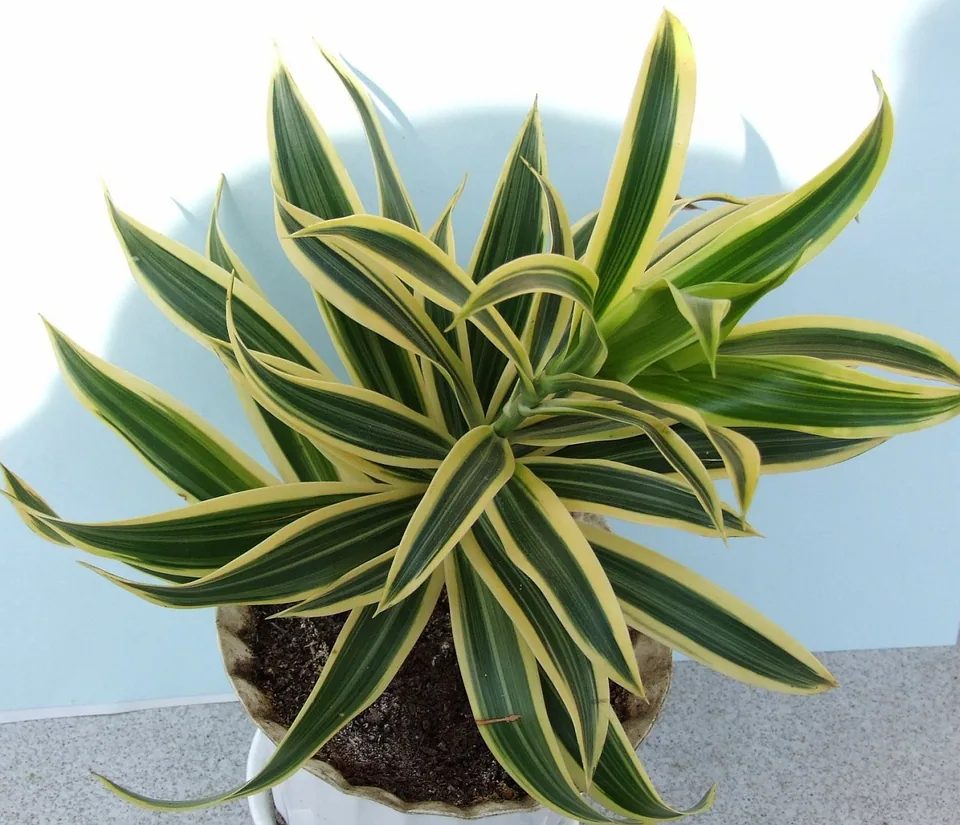
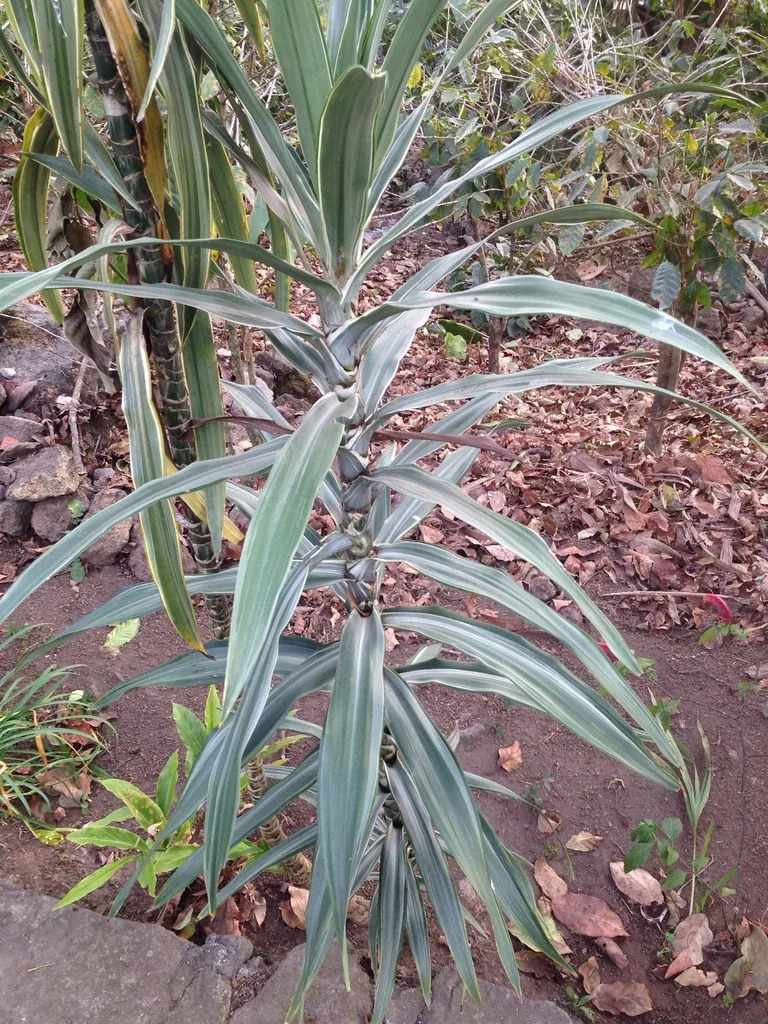
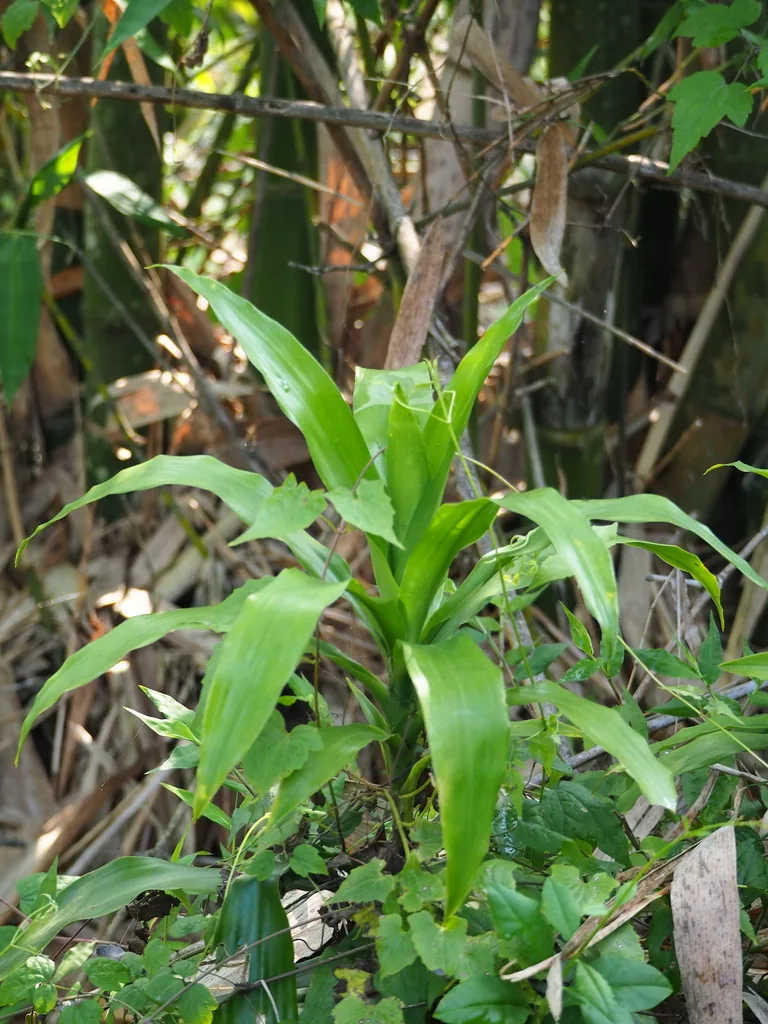
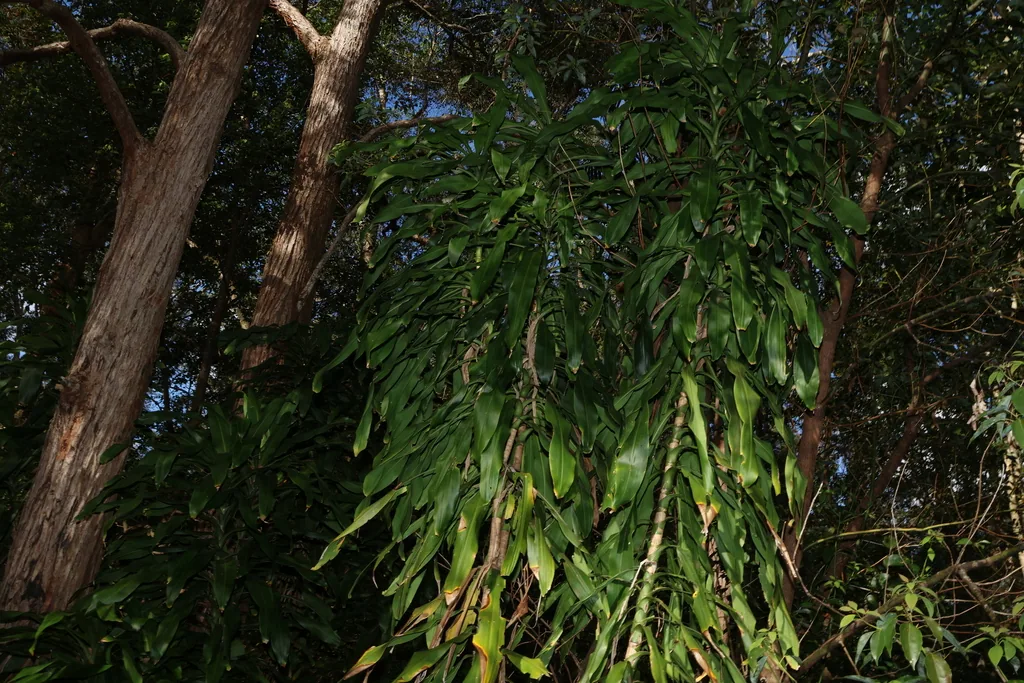
Corn plant is a slow-growing broadleaf evergreen shrub from tropical Africa, widely grown as a houseplant or interiorscape plant. [1] It needs bright to moderate filtered light and moist soil in the growing season, with less water in winter. [1] Its listed toxicity to cats, dogs and humans is low severity. [1]
Corn Plant care
How to water Corn Plant
Watering
The sources give different values depending on region, zone or growing conditions.
What each source says
According to NC State Extension (species page): Keep the soil moist during the growing season; cut back on water in winter
According to NC State Extension (genus Dracaena): Allow the top inch of the soil to dry out between waterings
According to Clemson HGIC (genus Dracaena): Allow to dry slightly between waterings; water thoroughly when the soil surface is dry to the touch
What the sources say (4)
According to NC State Extension (species page): Keep the soil moist during the growing season but cut back on the water in the winter.According to NC State Extension (genus Dracaena): It is best to allow the top inch of the soil to dry out between watering.According to Clemson HGIC (genus Dracaena): Allow dracaenas to dry slightly between waterings. Wait until the soil surface is dry to the touch, then water them thoroughly.Keep the soil moist during the growing season but cut back on the water in the winter. Grow it in commercial potting soil in a pot with drainage holes.Watering notes
Sensitive to fluorides and built-up salts: water with non-fluoridated water and flush salts monthly; grow in a pot with drainage holes
What the sources say (1)
It is sensitive to fluorides and built-up salts, so if leaves turn brown, try watering with non-fluoridated water and flush salts monthly.How much light Corn Plant needs
Bright to moderate, filtered light; direct sun can burn the foliage
What the sources say (1)
Keep it in bright to moderate, filtered light. Direct sun can burn the foliage, but if light levels are too low, the leaves will narrow.How much cold Corn Plant can take
Hardiness, coldest zone
10a [winter low −1.1 to 1.7 °C (30 to 35 °F)]
What the sources say (1)
USDA Plant Hardiness Zone:
10a, 10b, 11a, 11bHardiness, warmest zone
The sources give different values depending on region, zone or growing conditions.
What each source says
According to NC State Extension (species page): 11b [winter low 7.2 to 10 °C (45 to 50 °F)]
According to NC State Extension (genus Dracaena): 12 [winter low 10 to 15.6 °C (50 to 60 °F)]
What the sources say (3)
According to NC State Extension (species page): USDA Plant Hardiness Zone: 10a, 10b, 11a, 11bAccording to NC State Extension (genus Dracaena): These plants are hardy in zones 10 to 12 and need to be protected from frost.USDA Plant Hardiness Zone:
10a, 10b, 11a, 11bWhere to grow Corn Plant
Indoors
Yes
What the sources say (1)
Its native home is tropical Africa, but it is widely grown as a houseplant or interiorscape plant in the United States and elsewhere.In containers
Yes
What the sources say (1)
Landscape Location:
Container
Houseplants
Design Feature:
Hedge
Screen/PrivacyHow to propagate Corn Plant
Stem cuttings
What the sources say (1)
Corn plants thrive in temperatures of 70 to 80 degrees F. Propagate by stem cuttings.How to grow Corn Plant
The plant
Life cycle
perennial
What the sources say (1)
Corn plant is a slow-growing, broadleaf evergreen, perennial shrub in the asparagus family (Asparagaceae).Family
Asparagaceae
What the sources say (1)
Corn plant is a slow-growing, broadleaf evergreen, perennial shrub in the asparagus family (Asparagaceae).Mature height
91-442 cm (3 ft - 14 ft 6 in)
What the sources say (1)
Dimensions:
Height: 3 ft. 0 in. - 14 ft. 6 in.
Width: 1 ft. 0 in. - 3 ft. 0 in.Mature width
30-91 cm (1-3 ft)
What the sources say (1)
Dimensions:
Height: 3 ft. 0 in. - 14 ft. 6 in.
Width: 1 ft. 0 in. - 3 ft. 0 in.Pests and diseases
Pests
thrips, mealybugs
What the sources say (1)
I t is susceptible to thrips and mealybugs. It is sensitive to fluorides and built-up saltsFertilizing
When
Spring and summer
What the sources say (1)
Feed dracaenas with liquid foliage plant fertilizer once a month during the spring and summer months. Time release fertilizer pellets may be used also.How often
Once a month in spring and summer
What the sources say (1)
Feed dracaenas with liquid foliage plant fertilizer once a month during the spring and summer months. Time release fertilizer pellets may be used also.Mineral fertilizers
Liquid foliage plant fertilizer, or time-release fertilizer pellets
What the sources say (1)
Feed dracaenas with liquid foliage plant fertilizer once a month during the spring and summer months. Time release fertilizer pellets may be used also.Avoid
Fertilizers containing superphosphate, often high in fluorine, to which dracaena is very sensitive; heavy feeding
What the sources say (2)
Do not use fertilizer which contains superphosphate since it often has high levels of fluorine.Leaf tips and margins may burn or become yellow if plants are fertilized too heavily.Signs of excess
Leaf tips and margins burn or turn yellow
What the sources say (1)
Leaf tips and margins may burn or become yellow if plants are fertilized too heavily.Corn Plant pests and problems
Brown leaf tips
Symptom: Leaves can turn brown at the tips if indoor humidity is too low, or from fluorides and built-up salts.
What to do: A humidifier may help, especially in winter; water with non-fluoridated water and flush salts monthly.
What the sources say (1)
A humidifier may help to prevent leaf tip browning, especially in the winter when the house is heated.
— Dracaena fragrans (Corn Plant, Cornstalk Plant, Dracaena, Dragon Tree, Janet Craig Plant, Ribbon Plant, Striped Dracaena, Striped Dragon Palm, Warneckei Dracaena, Warneckii) | North Carolina Extension Gardener Plant Toolbox [1] Thrips and mealybugs
Symptom: Susceptible to thrips and mealybugs.
What to do: No control given in the source.
What the sources say (1)
Insects, Diseases, and Other Plant Problems: I t is susceptible to thrips and mealybugs.
— Dracaena fragrans (Corn Plant, Cornstalk Plant, Dracaena, Dragon Tree, Janet Craig Plant, Ribbon Plant, Striped Dracaena, Striped Dragon Palm, Warneckei Dracaena, Warneckii) | North Carolina Extension Gardener Plant Toolbox [1]
Remedies
Each remedy shows what official sources say about it; traditional remedies without an official source are marked as such. Harmful ones are listed so you know to avoid them.
First aid
First aid: not a substitute for a doctor
skin contact with sap
wash skin with soap and water Official source, not independently tested
How: immediately wash the affected area thoroughly with soap and water for 15 minutes
If you come into contact with the sap, you should immediately wash the affected area thoroughly with soap and water for 15 minutes.
— poison.org [7]
mouth irritation after ingestion
rinse mouth with water and spit Official source, not independently tested
If the person is drooling excessively, has severe mouth swelling, or is having difficulty swallowing or breathing, call 911
— poison.org [7] If you are worried about an exposure to either Dieffenbachia or Philodendron plants, use the web POISON CONTROL online tool to get help, or call your poison center at 1-800-222-1222
— poison.org [7] How: rinse with water and spit to remove any remaining plant materials from the mouth
For ingestions, rinse with water and spit to remove any remaining plant materials from the mouth.
— poison.org [7]
Treating the plant
mealybugs
forceful stream of water Not verified
Traditional remedy, not verified by an official source.
How: regularly spray the corn plant down with a forceful stream of water to knock mealybugs off and rinse off honeydew
insecticidal soap Works
How: use a ready-mixed insecticidal soap
Use a ready-mixed insecticidal soap or horticultural oil to control mealybugs.
— weekand.com [8] What the evidence says insecticidal soap is a safe, effective organic insecticide with minimal environmental impact.
— extension.psu.edu [9]
thrips
forceful spray of water Not verified
Traditional remedy, not verified by an official source.
How: knock the thrips off with a forceful spray of water
spider mites
spraying foliage with water Not verified
Traditional remedy, not verified by an official source.
How: occasionally spray the foliage with water to reduce dust and knock spider mites off
fluoride toxicity
flushing soil with distilled water Works
How: slowly run distilled water equal to about twice the volume of the container through the soil
regularly leach accumulated salts and fluoride out of the soil in potted plants by slowly running an amount of distilled water equal to about twice the volume of the corn plant's container through the soil.
— weekand.com [8] What the evidence says so if leaves turn brown, try watering with non-fluoridated water and flush salts monthly.
— Dracaena fragrans (Corn Plant, Cornstalk Plant, Dracaena, Dragon Tree, Janet Craig Plant, Ribbon Plant, Striped Dracaena, Striped Dragon Palm, Warneckei Dracaena, Warneckii) | North Carolina Extension Gardener Plant Toolbox [1]
Is Corn Plant toxic to pets?
Reported by the source, quoted verbatim. This is not medical or veterinary advice: if a person or an animal may have eaten this plant, contact a poison control centre or a veterinarian.
Toxic, if ingested, by cats, dogs, and humans: mouth irritation, stomach irritation, vomiting, loss of appetite depression, drooling, difficulty breathing. The sap may cause skin irritation.
[1]- Poisonous parts
Poison Part: Flowers Fruits Leaves Roots Sap/Juice Stems
[1]- Toxic principle
Poison Toxic Principle: saponin
[1]- Symptoms
mouth irritation, stomach irritation, vomiting, loss of appetite depression, drooling, difficulty breathing. The sap may cause skin irritation.
[1]- Severity
Poison Severity: Low
[1]
Problems: Problem for Cats Problem for Children Problem for Dogs Problem for Horses
[1]- Poisonous parts
Poison Part: Flowers Fruits Leaves Roots Sap/Juice Stems
[1]- Toxic principle
Poison Toxic Principle: saponin
[1]- Symptoms
mouth irritation, stomach irritation, vomiting, loss of appetite depression, drooling, difficulty breathing. The sap may cause skin irritation.
[1]- Severity
Poison Severity: Low
[1]
Indicative values
Values from a secondary source, not checked word for word like the rest of this page. Use them as a starting point.
- Hours of sun
- 4-6 hoursIndicative value, adapt it to your climate · Secondary source
- Drought tolerant
- yesIndicative value, adapt it to your climate · Secondary source
- Soil
- Well-drainedIndicative value, adapt it to your climate · Secondary source
- Soil pH
- 6-6.5Indicative value, adapt it to your climate · Secondary source
- Growth rate
- LowIndicative value, adapt it to your climate · Secondary source
- Pruning
- August, March, April, May, June, July, August, SeptemberIndicative value, adapt it to your climate · Secondary source
Similar plants
- African Spear Dracaena angolensis
- Dracaena Dracaena marginata
- Gold Dust Dracaena surculosa
- Lucky Bamboo Dracaena sanderiana
- Queen of Dracaenas Dracaena goldieana
- Snake Plant Dracaena trifasciata
- Whale Fin Dracaena Dracaena masoniana
- Dragon tree Dracaena draco
Sources
Every value above is quoted from these documents. Links lead to the original publisher.
- Dracaena fragrans (Corn Plant, Cornstalk Plant, Dracaena, Dragon Tree, Janet Craig Plant, Ribbon Plant, Striped Dracaena, Striped Dragon Palm, Warneckei Dracaena, Warneckii) | North Carolina Extension Gardener Plant Toolbox · plants.ces.ncsu.edu, consulted
- Janet Craig Plant - Dracaena fragrans | North Carolina Extension Gardener Plant Toolbox · plants.ces.ncsu.edu, consulted
- Corn Plant - Dracaena fragrans | North Carolina Extension Gardener Plant Toolbox · plants.ces.ncsu.edu, consulted
- Warneckii - Dracaena fragrans | North Carolina Extension Gardener Plant Toolbox · plants.ces.ncsu.edu, consulted
- Dracaena | North Carolina Extension Gardener Plant Toolbox · plants.ces.ncsu.edu, consulted
- Dracaena | Home & Garden Information Center · hgic.clemson.edu, consulted
- poison.org · poison.org
- weekand.com · weekand.com
- extension.psu.edu · extension.psu.edu
Written by Emilio Marruso · last checked