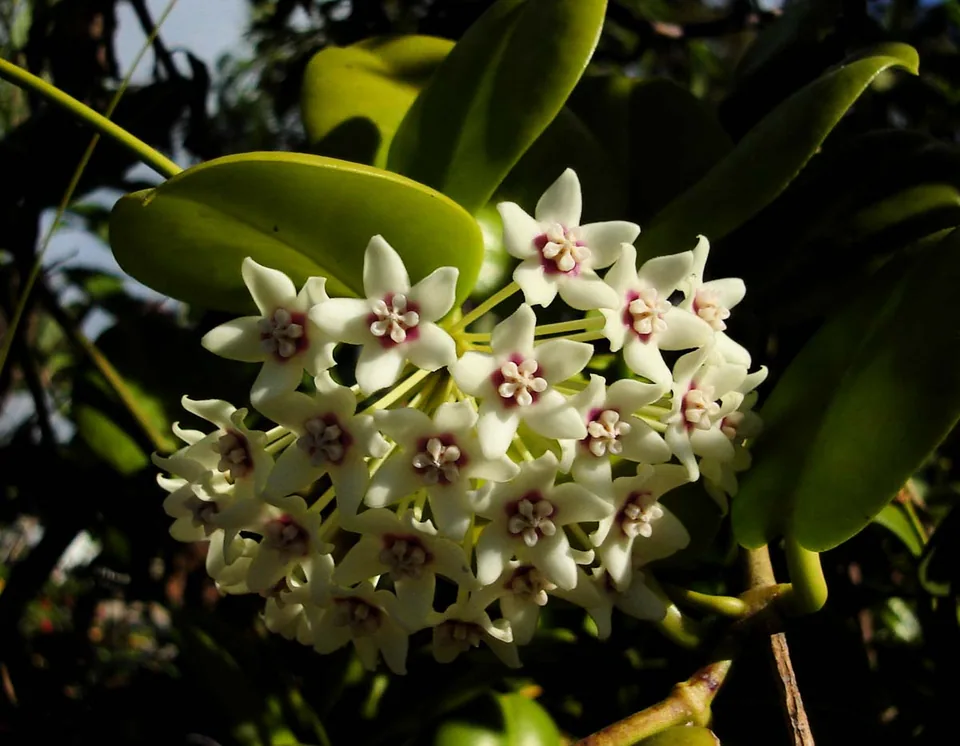
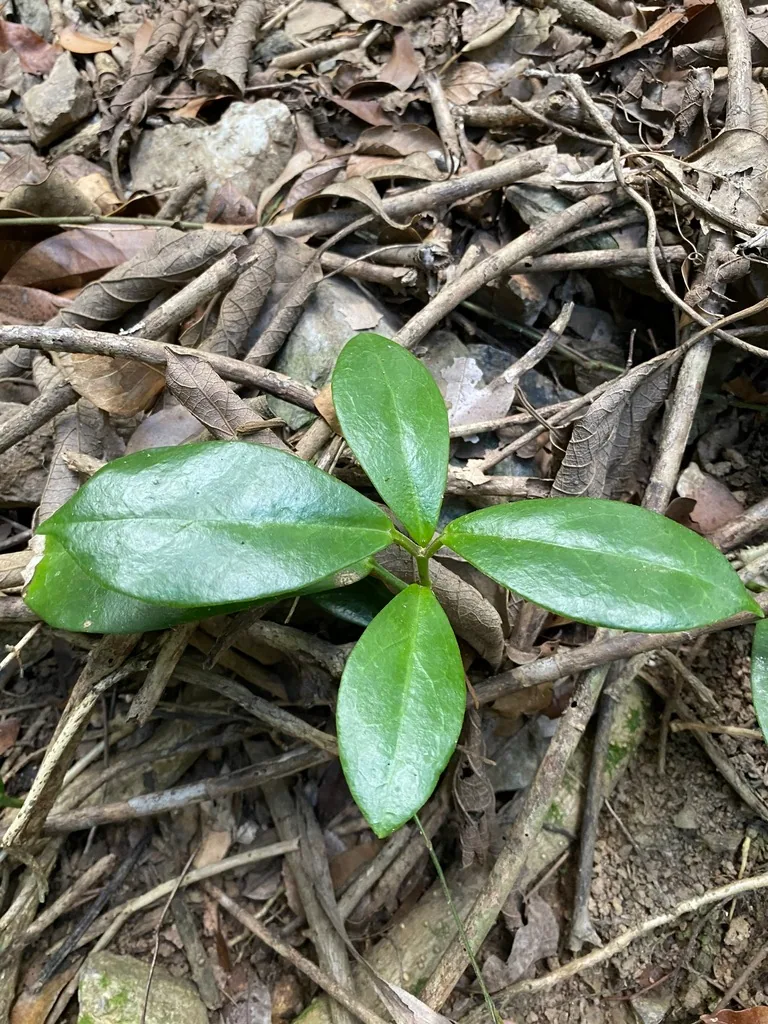

Cómo cultivar y cuidar Common Hoya
Hoya australis
Escrito por Emilio Marruso · última revisión
No tóxica para gatos y perros, según las fuentes · Fuentes
De un vistazo
La Hoya australis es una perenne agradecida que vive feliz en interior y en maceta, e incluso le gusta tener las raíces algo apretadas. Dale mucha luz para que florezca mejor y no te pases con el riego, porque tolera la tierra seca. Sus flores duran mucho tiempo y no es tóxica para gatos, perros ni caballos.
- Sol
Mucha luz para que florezca mejor
Qué dicen las fuentes (1)
Luz: Luz brillante para una mejor floración
Do not overwater and place in bright light for best blooming.
— Hoya australis (Common Hoya, Common Wax Flower, Wax Vine) | North Carolina Extension Gardener Plant Toolbox [1] - Riego
No te pases con el riego: tolera la tierra seca y el exceso de agua pudre las raíces
Qué dicen las fuentes (3)
Riego: No riegues en exceso; tolera suelos secos
Do not overwater and place in bright light for best blooming.
— Hoya australis (Common Hoya, Common Wax Flower, Wax Vine) | North Carolina Extension Gardener Plant Toolbox [1] Aphids, mealybugs, scale, and spider mites are the most common pest problems. Overwatering can lead to root rot.
— Hoya australis (Common Hoya, Common Wax Flower, Wax Vine) | North Carolina Extension Gardener Plant Toolbox [1] Enfermedades: pudrición de raíz (por exceso de riego)
Aphids, mealybugs, scale, and spider mites are the most common pest problems. Overwatering can lead to root rot.
— Hoya australis (Common Hoya, Common Wax Flower, Wax Vine) | North Carolina Extension Gardener Plant Toolbox [1] - Frío
Aguanta inviernos de hasta −1,1 °C (30 °F)
Semirrústica: inviernos suaves o invernadero sin calefacción · USDA 10a · RHS H3 · Z10
Qué dicen las fuentes (2)
Rusticidad, zona más fría: 10a [mínima invernal de −1,1 a 1,7 °C (de 30 a 35 °F)]
USDA Plant Hardiness Zone: 10a, 10b, 11a, 11b
— Hoya australis (Common Hoya, Common Wax Flower, Wax Vine) | North Carolina Extension Gardener Plant Toolbox [1] Rusticidad, zona más cálida: 11b [mínima invernal de 7,2 a 10 °C (de 45 a 50 °F)]
USDA Plant Hardiness Zone: 10a, 10b, 11a, 11b
— Hoya australis (Common Hoya, Common Wax Flower, Wax Vine) | North Carolina Extension Gardener Plant Toolbox [1] - Suelo
Suelo bien drenado, pH 6,0–8,0
Qué dicen las fuentes (3)
Notas sobre el riego: Le gusta el suelo bien drenado y estar con las raíces apretadas en la maceta
Like many succulents, it likes to be pot-bound in well-drained soil.
— Hoya australis (Common Hoya, Common Wax Flower, Wax Vine) | North Carolina Extension Gardener Plant Toolbox [1] pH del suelo, mínimo: 6.0
Soil pH: Neutral (6.0-8.0)
— Hoya australis (Common Hoya, Common Wax Flower, Wax Vine) | North Carolina Extension Gardener Plant Toolbox [1] pH del suelo, máximo: 8.0
Soil pH: Neutral (6.0-8.0)
— Hoya australis (Common Hoya, Common Wax Flower, Wax Vine) | North Carolina Extension Gardener Plant Toolbox [1] - Abonado
Abono suave en primavera y verano, a la mitad o a un cuarto de dosis; nada en invierno
Qué dicen las fuentes (6)
Cuándo: Primavera y verano; no abonar en invierno
Light, regular fertilizer applications in spring and summer are ideal.
— All About Hoyas | Yard and Garden [3] Do not fertilize in winter, as this allows for rest and will promote better flowering during the warmer months.
— All About Hoyas | Yard and Garden [3] Frecuencia: Abonado ligero y regular: con la mayoría de los riegos, omitiendo uno cada segundo o tercer riego
Use an all-purpose fertilizer at 1/2 or 1/4 strength, skipping an application every other or every third watering.
— All About Hoyas | Yard and Garden [3] Abonos minerales: Fertilizante universal a la mitad o un cuarto de la concentración, o un fertilizante de liberación lenta usado según las indicaciones
Use an all-purpose fertilizer at 1/2 or 1/4 strength, skipping an application every other or every third watering.
— All About Hoyas | Yard and Garden [3] Alternatively, a slow-release fertilizer applied according ot directions can work well.
— All About Hoyas | Yard and Garden [3] Evitar: Abonar en invierno, cuando la planta debe descansar para florecer mejor en los meses cálidos
Do not fertilize in winter, as this allows for rest and will promote better flowering during the warmer months.
— All About Hoyas | Yard and Garden [3] - Plagas
Pulgones, cochinillas algodonosas, cochinillas y araña roja
Qué dicen las fuentes (1)
Plagas: pulgones, cochinillas, escamas, arañas rojas
Aphids, mealybugs, scale, and spider mites are the most common pest problems. Overwatering can lead to root rot.
— Hoya australis (Common Hoya, Common Wax Flower, Wax Vine) | North Carolina Extension Gardener Plant Toolbox [1] - Multiplicación
Se multiplica por semilla
Qué dicen las fuentes (1)
Propagación: Semilla
Recommended Propagation Strategy: Seed
— Hoya australis (Common Hoya, Common Wax Flower, Wax Vine) | North Carolina Extension Gardener Plant Toolbox [1] - Maceta
Ideal en maceta y en interior; le gusta tener las raíces apretadas
Qué dicen las fuentes (3)
En maceta: Sí
#tropical vine #container plant #trellis #wet soils intolerant
— Hoya australis (Common Hoya, Common Wax Flower, Wax Vine) | North Carolina Extension Gardener Plant Toolbox [1] En interior: Sí
Common hoya is a houseplant that can spend its summers outside.
— Hoya australis (Common Hoya, Common Wax Flower, Wax Vine) | North Carolina Extension Gardener Plant Toolbox [1] Notas sobre el riego: Le gusta el suelo bien drenado y estar con las raíces apretadas en la maceta
Like many succulents, it likes to be pot-bound in well-drained soil.
— Hoya australis (Common Hoya, Common Wax Flower, Wax Vine) | North Carolina Extension Gardener Plant Toolbox [1] - Seguridad
No es tóxica para gatos, perros ni caballos
Resumen
El hoya común es una enredadera con flores originaria de Borneo hasta Nueva Guinea y Australia que se cultiva como planta de interior. [1] Le gusta estar con las raíces apretadas en la maceta en suelo bien drenado, no se debe regar en exceso y necesita luz brillante para una mejor floración. [1] La especie está catalogada como no tóxica para gatos, perros y caballos. [1]
Citado en inglés, como en la fuente.
Cuidados
Riego
Riego
No riegues en exceso; tolera suelos secos
Qué dicen las fuentes (2)
Do not overwater and place in bright light for best blooming.Aphids, mealybugs, scale, and spider mites are the most common pest problems. Overwatering can lead to root rot.Notas sobre el riego
Le gusta el suelo bien drenado y estar con las raíces apretadas en la maceta
Qué dicen las fuentes (1)
Like many succulents, it likes to be pot-bound in well-drained soil.Luz
Luz brillante para una mejor floración
Qué dicen las fuentes (1)
Do not overwater and place in bright light for best blooming.Clima y frío
Rusticidad, zona más fría
10a [mínima invernal de −1,1 a 1,7 °C (de 30 a 35 °F)]
Qué dicen las fuentes (1)
USDA Plant Hardiness Zone:
10a, 10b, 11a, 11bRusticidad, zona más cálida
11b [mínima invernal de 7,2 a 10 °C (de 45 a 50 °F)]
Qué dicen las fuentes (1)
USDA Plant Hardiness Zone:
10a, 10b, 11a, 11bSuelo
pH del suelo, mínimo
6.0
Qué dicen las fuentes (1)
Soil pH:
Neutral (6.0-8.0)pH del suelo, máximo
8.0
Qué dicen las fuentes (1)
Soil pH:
Neutral (6.0-8.0)Dónde cultivarla
En interior
Sí
Qué dicen las fuentes (1)
Common hoya is a houseplant that can spend its summers outside.En maceta
Sí
Qué dicen las fuentes (1)
#tropical vine #container plant #trellis #wet soils intolerantPropagación
Semilla
Qué dicen las fuentes (1)
Recommended Propagation Strategy:
SeedCultivo
La planta
Ciclo de vida
perenne
Qué dicen las fuentes (1)
Family:
Apocynaceae
Life Cycle:
Perennial
Recommended Propagation Strategy:
Seed
Stem CuttingFamilia
Apocynaceae
Qué dicen las fuentes (1)
Family:
Apocynaceae
Life Cycle:
Perennial
Recommended Propagation Strategy:
Seed
Stem CuttingPlagas y enfermedades
Plagas
pulgones, cochinillas, escamas, arañas rojas
Qué dicen las fuentes (1)
Aphids, mealybugs, scale, and spider mites are the most common pest problems. Overwatering can lead to root rot.Enfermedades
pudrición de raíz (por exceso de riego)
Qué dicen las fuentes (1)
Aphids, mealybugs, scale, and spider mites are the most common pest problems. Overwatering can lead to root rot.Abonado
Cuándo
Primavera y verano; no abonar en invierno
Frecuencia
Abonado ligero y regular: con la mayoría de los riegos, omitiendo uno cada segundo o tercer riego
Qué dicen las fuentes (1)
Use an all-purpose fertilizer at 1/2 or 1/4 strength, skipping an application every other or every third watering.Abonos minerales
Fertilizante universal a la mitad o un cuarto de la concentración, o un fertilizante de liberación lenta usado según las indicaciones
Qué dicen las fuentes (2)
Use an all-purpose fertilizer at 1/2 or 1/4 strength, skipping an application every other or every third watering.Alternatively, a slow-release fertilizer applied according ot directions can work well.Evitar
Abonar en invierno, cuando la planta debe descansar para florecer mejor en los meses cálidos
Qué dicen las fuentes (1)
Do not fertilize in winter, as this allows for rest and will promote better flowering during the warmer months.Problemas
Plagas
Síntoma: Los pulgones, las cochinillas harinosas, las cochinillas y las arañitas rojas son los problemas de plagas más comunes.
Qué hacer: No se indica ningún manejo en la fuente de la especie.
Qué dicen las fuentes (1)
Aphids, mealybugs, scale, and spider mites are the most common pest problems.
— Hoya australis (Common Hoya, Common Wax Flower, Wax Vine) | North Carolina Extension Gardener Plant Toolbox [1] Pudrición de raíces por exceso de riego
Síntoma: El riego excesivo puede provocar pudrición de raíces.
Qué hacer: No riegues en exceso; cultiva en suelo bien drenado.
Qué dicen las fuentes (2)
Overwatering can lead to root rot.
— Hoya australis (Common Hoya, Common Wax Flower, Wax Vine) | North Carolina Extension Gardener Plant Toolbox [1] Do not overwater and place in bright light for best blooming.
— Hoya australis (Common Hoya, Common Wax Flower, Wax Vine) | North Carolina Extension Gardener Plant Toolbox [1]
Remedios
Cada remedio indica qué dicen las fuentes oficiales; los remedios tradicionales sin fuente oficial aparecen marcados. Los perjudiciales están para que sepas evitarlos.
Cuidar la planta
cochinillas harinosas
alcohol isopropílico en un hisopo de algodón Funciona en parte
Be careful not to get the alcohol on the leaves of the plants as they may be damaged.
— extension.umd.edu [5] Make sure to test the soap and alcohol mixtures on a small portion of the plant prior to full application because some plants may be sensitive to soap or alcohol.
— planttalk.colostate.edu [7] Cómo: Moja un hisopo de algodón en alcohol doméstico y aplícalo sobre cada cochinilla harinosa.
Dipping a cotton swab in household alcohol and dabbing it on the individual mealybugs can control light infestations.
— extension.umd.edu [5] Qué dicen las pruebas Mealybugs can be managed by hand on a small number of plants by dabbing each insect with alcohol-soaked cotton swab
— yardandgarden.extension.iastate.edu [6] rocío de alcohol isopropílico Fuente oficial, sin prueba independiente
Make sure to test the soap and alcohol mixtures on a small portion of the plant prior to full application because some plants may be sensitive to soap or alcohol.
— planttalk.colostate.edu [7] Cómo: Para infestaciones graves, rocía una mezcla de 10 por ciento de alcohol isopropílico y 90 por ciento de agua directamente sobre los insectos; repite cada semana.
For heavy infestations, spray a mixture of 10 percent rubbing alcohol and 90 percent water directly onto the insects.
— planttalk.colostate.edu [7] spray de jabón insecticida Funciona en parte
Make sure to test the soap and alcohol mixtures on a small portion of the plant prior to full application because some plants may be sensitive to soap or alcohol.
— planttalk.colostate.edu [7] Cómo: Rocía las plantas a fondo con jabón insecticida para plantas de interior.
For heavy infestations, spray the plants thoroughly with insecticidal soap for indoor plants or a registered houseplant spray.
— extension.umd.edu [5] Qué dicen las pruebas These pests may also be controlled with insecticidal soap.
— planttalk.colostate.edu [7]
Toxicidad
Según la fuente, citada textualmente. No es un consejo médico ni veterinario: si una persona o un animal pudo haber ingerido esta planta, contacta con un centro de toxicología o con un veterinario.
#milky sap #long-lasting flowers #tropical herbaceous perennial #ornamentals #non-toxic for cats
[1]La fuente señala el riesgo para este animal pero no explica por qué.
#wet soils intolerant #non-toxic for horses #non-toxic for dogs
[1]La fuente señala el riesgo para este animal pero no explica por qué.
Plantas similares
- Cinnamon Hoya Hoya lacunosa
- Fung Wax Flower Hoya curtisii
- Sweetheart Hoya Hoya kerrii
- Wax Plant Hoya pubicalyx
- Waxflower Hoya bella
- Flor de nácar Hoya carnosa
- Jazmín de Cuba Allamanda cathartica
- Jazmín asiático Trachelospermum asiaticum
Fuentes
Cada valor anterior se cita de estos documentos. Los enlaces llevan al editor original.
- Hoya australis (Common Hoya, Common Wax Flower, Wax Vine) | North Carolina Extension Gardener Plant Toolbox · plants.ces.ncsu.edu, consultado
- Hoya - Hoya | North Carolina Extension Gardener Plant Toolbox · plants.ces.ncsu.edu, consultado
- All About Hoyas | Yard and Garden · yardandgarden.extension.iastate.edu, consultado
- Hoya – Gardening Solutions · gardeningsolutions.ifas.ufl.edu, consultado
- extension.umd.edu · extension.umd.edu
- yardandgarden.extension.iastate.edu · yardandgarden.extension.iastate.edu
- planttalk.colostate.edu · planttalk.colostate.edu
Escrito por Emilio Marruso · última revisión