
Cómo cultivar y cuidar Endrino
Prunus spinosa
Escrito por Emilio Marruso · última revisión
Tóxica para: Personas · Por qué
De un vistazo
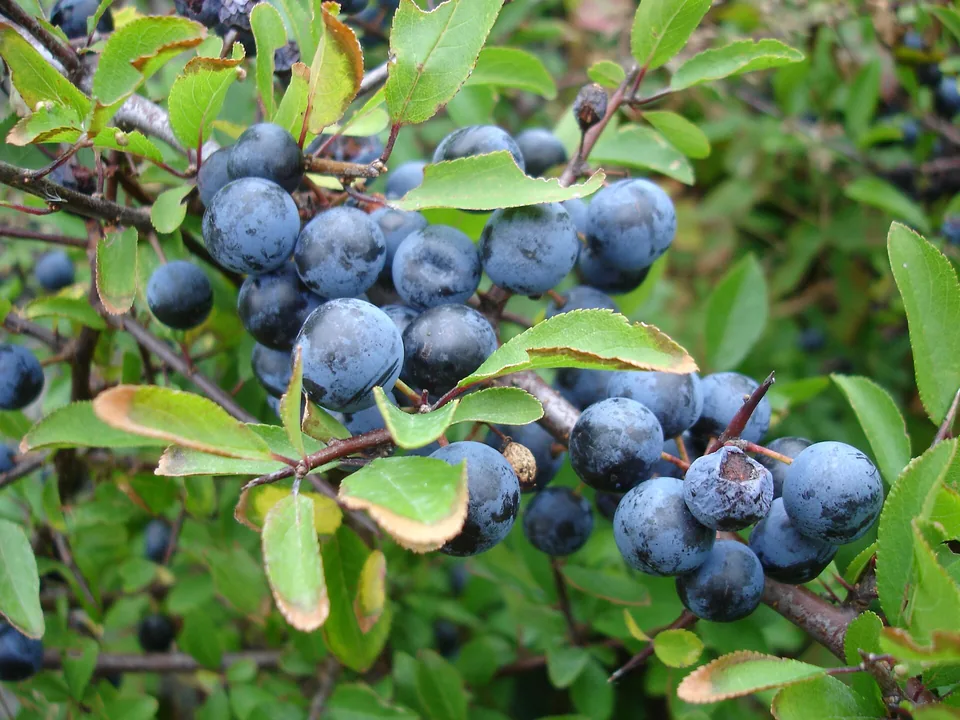
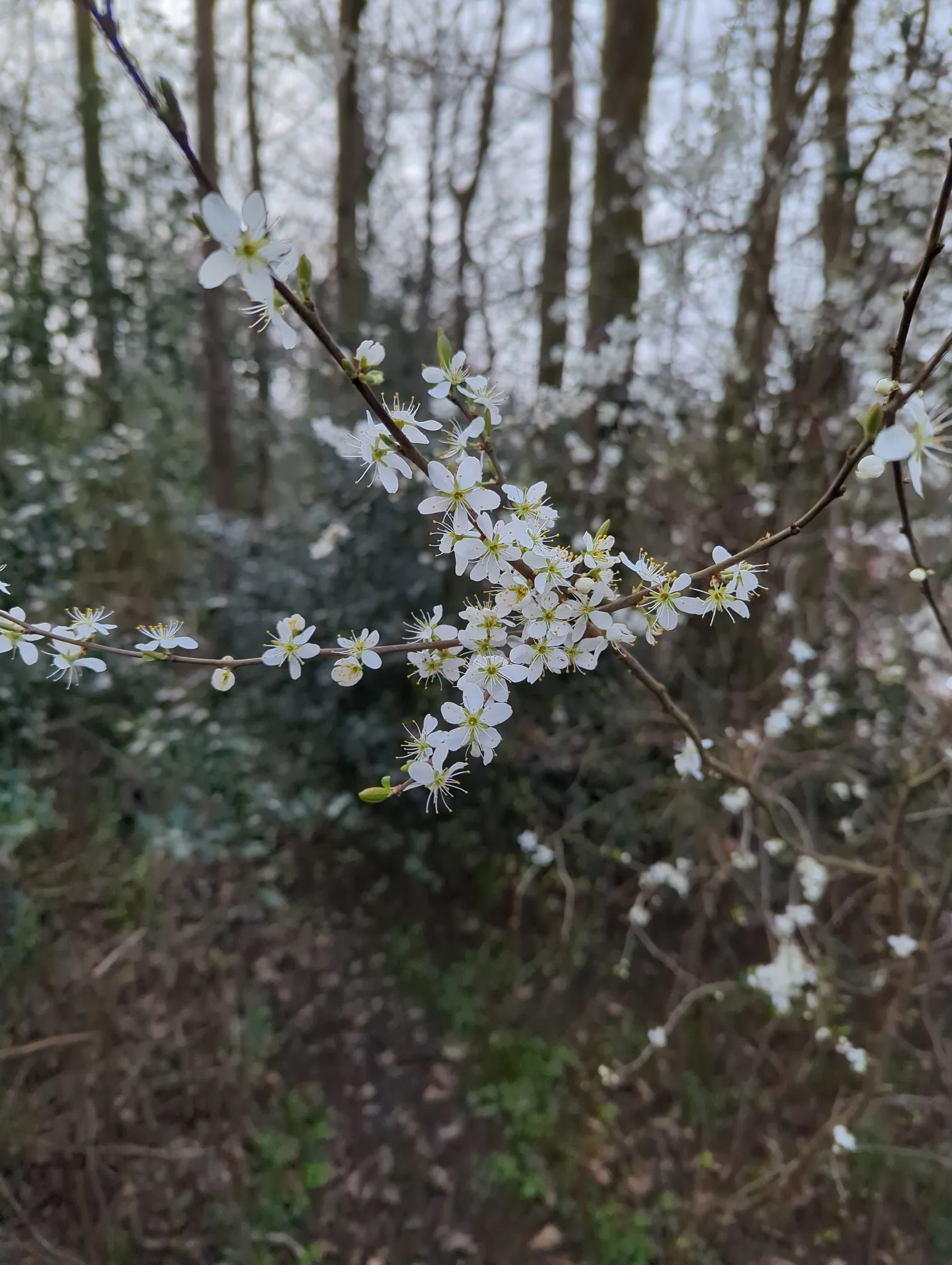
El endrino crece a pleno sol o en semisombra, aunque fructifica mejor en un lugar soleado. Plántalo en primavera u otoño y riega mucho las plantas jóvenes y menos cuando ya estén asentadas. Desde finales de septiembre puedes recoger sus endrinas para mermeladas, jaleas o vino, y hasta escarchar sus flores o usar las hojas como té.
- Sol
Sol pleno o semisombra; da más fruto en un lugar soleado
Qué dicen las fuentes (2)
Luz: Pleno sol a semisombra (los frutos mejoran en una posición soleada)
It thrives in sunny, open spaces and in well drained soils in hedgerows, woodland edges, and scrublands, but is adaptable to a variety of soil conditions.
— Prunus spinosa - EUFORGEN European forest genetic resources programme [2] Succeeds in light shade but fruits better in a sunny position
— Prunus spinosa - Useful Temperate Plants [7] - Riego
Riega a menudo las plantas jóvenes sin encharcar; menos cuando estén asentadas, más en maceta
Qué dicen las fuentes (2)
Notas sobre el riego: Las plántulas se benefician de abundante humedad siempre que el suelo no esté encharcado; riega con menos frecuencia una vez establecidas; las plantas en maceta necesitan riego más frecuente.
Blackthorn will grow quickly in good soil and both germination and growth benefit from plenty of moisture – as long as the soil/compost isn’t waterlogged.
— Grow Blackthorn From Seed - A Simple Recipe to Success [6] Once the seedlings are established and their roots have reached a little deeper, you can water less frequently.
— Grow Blackthorn From Seed - A Simple Recipe to Success [6] - Plantación
En maceta, en primavera u otoño; a raíz desnuda, en otoño; setos, de noviembre a marzo
Qué dicen las fuentes (2)
Plantación: Plantas en maceta en primavera y otoño; arbustos a raíz desnuda en otoño; plantas de seto de noviembre a marzo.
plantación de setos (fuente: Peak District National Park): Planting should be carried out between November and March.
— Conservation Service [3] Planting should be carried out between November and March.
— Conservation Service [3] - Cosecha
Recoge las endrinas desde finales de septiembre; ásperas, pero ideales para mermeladas, jaleas y vino
Qué dicen las fuentes (1)
Cosecha: Las bayas (endrinas) se pueden recolectar desde finales de septiembre en adelante.
The berries or ‘sloes’ can be picked from the end of September onwards.
— How to Grow Blackthorn from Seed - a Simple Recipe from TCV [5] - Plagas
La monilia, una enfermedad por hongos, puede dañar las flores y reducir la cosecha
- Tamaño
De 1 a 5 m de alto
Qué dicen las fuentes (1)
Altura adulta: 100-500 cm (1-5 m)
The blackthorn, or sloe, (Prunus spinosa L.) is a spiny, deciduous shrub, growing 1-5 m tall.
— Prunus spinosa in Europe: distribution, habitat, usage and threats [1] - Siembra
Siembra las semillas pretratadas a principios de marzo, cuando el 10 % empiece a germinar
Qué dicen las fuentes (1)
Siembra: A principios de marzo, cuando alrededor del 10% de las semillas pretatadas muestran signos de germinación.
In early March check your seeds for signs of germination. If about 10% are showing signs of germination, they are ready to sow.
— Grow Blackthorn From Seed - A Simple Recipe to Success [6] - Seguridad
Las semillas y los brotes jóvenes son tóxicos: contienen compuestos que liberan cianuro
Resumen
El espino negro (endrino) es un arbusto o árbol pequeño caducifolio y espinoso que prospera en espacios abiertos y soleados y en suelos bien drenados, pero se adapta a muchas condiciones del suelo. [2] Sus frutos completamente maduros son astringentes pero comestibles y se utilizan para mermeladas, vino y licores, mientras que la semilla y los brotes jóvenes contienen glucósidos cianogénicos. [1][7]
Citado en inglés, como en la fuente.
Esta ficha está incompleta: las fuentes consultadas aún no cubren todos los campos.
Aún no cubierto por nuestras fuentes: Riego, Distancia de plantación, Propagación
Cuidados
Las medidas entre corchetes son nuestra conversión al otro sistema de unidades; el texto citado no cambia.
Riego
Riego
No figura en las fuentes consultadas.
Notas sobre el riego
Las plántulas se benefician de abundante humedad siempre que el suelo no esté encharcado; riega con menos frecuencia una vez establecidas; las plantas en maceta necesitan riego más frecuente.
Qué dicen las fuentes (2)
Blackthorn will grow quickly in good soil and both germination and growth benefit from plenty of moisture – as long as the soil/compost isn’t waterlogged.Once the seedlings are established and their roots have reached a little deeper, you can water less frequently.Luz
Pleno sol a semisombra (los frutos mejoran en una posición soleada)
Qué dicen las fuentes (2)
It thrives in sunny, open spaces and in well drained soils in hedgerows, woodland edges, and scrublands, but is adaptable to a variety of soil conditions.Succeeds in light shade but fruits better in a sunny positionDónde cultivarla
Las fuentes dan valores distintos según la región, la zona o las condiciones de cultivo.
Lo que dice cada fuente
seto doble en filas escalonadas (fuente: Peak District National Park): 45 cm (45cm) en cada hilera, con 25 cm [9,8 in] entre hileras
Qué dicen las fuentes (1)
seto doble en filas escalonadas (fuente: Peak District National Park): This method uses 6 plants per metre, in two rows about 25cm apart with plants at approximately 45cm in each row.Propagación
No figura en las fuentes consultadas.
Cultivo
La planta
Altura adulta
100-500 cm (1-5 m)
Qué dicen las fuentes (1)
The blackthorn, or sloe, (Prunus spinosa L.) is a spiny, deciduous shrub, growing 1-5 m tall.Problemas
Enfermedades fúngicas (marchitez de la flor)
Síntoma: La marchitez de la flor afecta la producción de frutos.
Qué hacer: No se indica en las fuentes.
Qué dicen las fuentes (1)
It is, however, susceptible to several fungal diseases which can cause blossom wilt and, therefore, affect fruit production.
— Information About Blackthorn Plants - What Are Uses For Blackthorn Berries | Gardening Know How [4]
Remedios
Las fuentes consultadas no dan remedios para esta planta.
Toxicidad
Según la fuente, citada textualmente. No es un consejo médico ni veterinario: si una persona o un animal pudo haber ingerido esta planta, contacta con un centro de toxicología o con un veterinario.
The plant (especially the seed and young shoots) contains cyanogenic glycosides, especially amygdalin and prunasin.
[7]- Partes venenosas
The plant (especially the seed and young shoots) contains cyanogenic glycosides, especially amygdalin and prunasin.
[7]- Principio tóxico
When injested, these compounds break down in the digestive tract to release cyanide.
[7]- Síntomas
cyanide can cause gasping, weakness, excitement, pupil dilation, spasms, convulsions, coma and respiratory failure leading to death
[7]
Calendario
A principios de marzo, cuando alrededor del 10% de las semillas pretatadas muestran signos de germinación.
Qué dicen las fuentes (1)
In early March check your seeds for signs of germination. If about 10% are showing signs of germination, they are ready to sow.Plantas en maceta en primavera y otoño; arbustos a raíz desnuda en otoño; plantas de seto de noviembre a marzo.
Lo que dice cada fuente
plantación de setos (fuente: Peak District National Park): De noviembre a marzo
Las bayas (endrinas) se pueden recolectar desde finales de septiembre en adelante.
Qué dicen las fuentes (1)
The berries or ‘sloes’ can be picked from the end of September onwards.Meses tal como los dan las fuentes, en su mayoría de Estados Unidos (hemisferio norte). En el hemisferio sur se desplazan unos seis meses.
Comestibilidad
Según la fuente, citada textualmente. No comas una planta basándote solo en esta página: los errores de identificación pueden ser peligrosos.
Plantas similares
- Afghan Cherry Prunus jacquemontii
- Ciruelo Americano Prunus americana
- Amur chokecherry Prunus maackii
- Albaricoque Prunus armeniaca
- Cerezo criollo Prunus serotina
- Carolina Cherry Laurel Prunus caroliniana
- Lauroceraso Prunus laurocerasus
- Ciruelo mirobolano Prunus cerasifera
Fuentes
Cada valor anterior se cita de estos documentos. Los enlaces llevan al editor original.
- Prunus spinosa in Europe: distribution, habitat, usage and threats · ies-ows.jrc.ec.europa.eu, consultado
- Prunus spinosa - EUFORGEN European forest genetic resources programme · euforgen.org, consultado
- Conservation Service · peakdistrict.gov.uk, consultado
- Information About Blackthorn Plants - What Are Uses For Blackthorn Berries | Gardening Know How · gardeningknowhow.com, consultado
- How to Grow Blackthorn from Seed - a Simple Recipe from TCV · treegrowing.tcv.org.uk, consultado
- Grow Blackthorn From Seed - A Simple Recipe to Success · nativetreesfromseed.com, consultado
- Prunus spinosa - Useful Temperate Plants · temperate.theferns.info, consultado
Escrito por Emilio Marruso · última revisión