
How to Grow and Care for Century Plant
Agave salmiana
Written by Emilio Marruso · last checked
At a glance
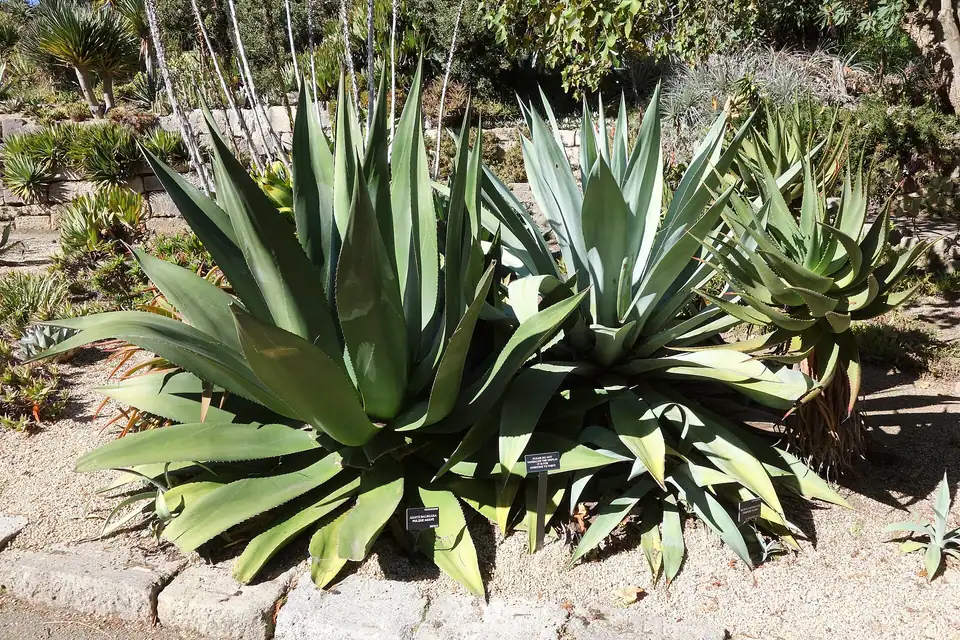
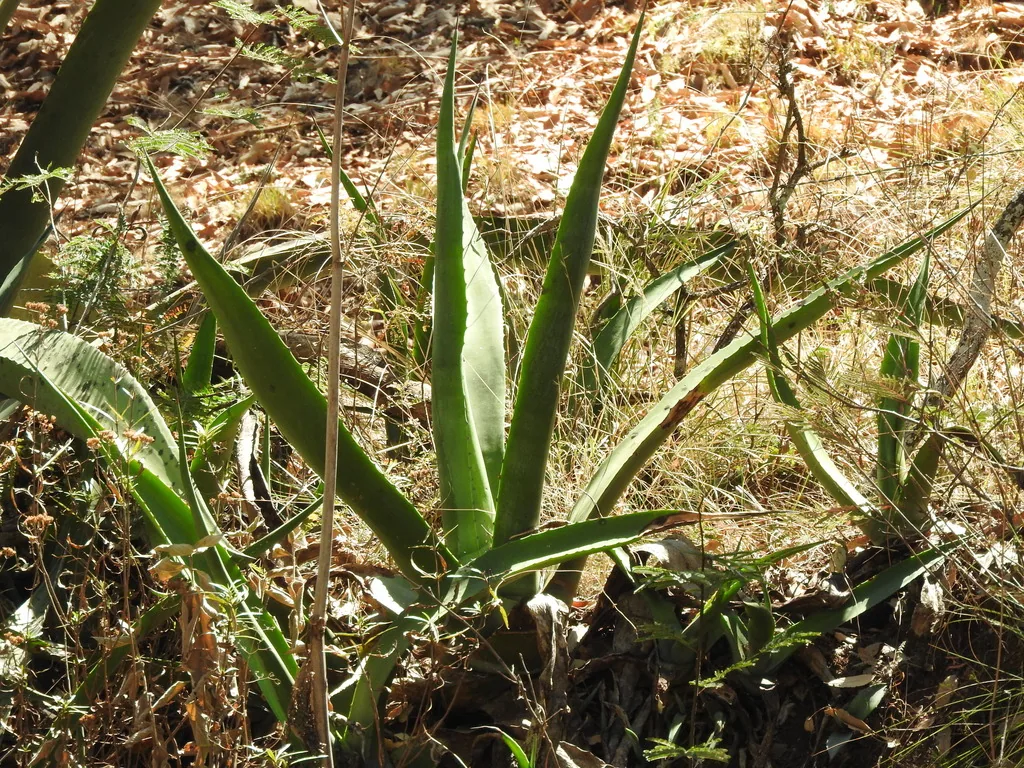
Agave salmiana is a bold perennial that grows 8 to 13 feet tall and just as wide, a living sculpture for any sunny garden. It shrugs off drought and asks only for full sun, 6 or more hours a day. Its stems are edible and are used to make tequila and mezcal, and you can start new plants by division or from seed.
- Sun
Full sun: 6 or more hours a day
What the sources say (1)
Light: Full sun (6 or more hours of direct sunlight a day)
Light: Full sun (6 or more hours of direct sunlight a day)
— Agave salmiana (Century Plant, Green Maguey, Pulque Agave) | North Carolina Extension Gardener Plant Toolbox [1] - Water
Handles drought well: it needs little water
What the sources say (1)
Watering: Drought tolerant
It is drought and poor soils tolerant. Divide the plant off-sets as needed for propagation.
— Agave salmiana (Century Plant, Green Maguey, Pulque Agave) | North Carolina Extension Gardener Plant Toolbox [1] - Cold
Survives winters down to 10 °F (−12.2 °C)
Hardy in cold winters · USDA 8a · RHS H5 · Z8
What the sources say (2)
Hardiness, coldest zone: 8a [winter low −12.2 to −9.4 °C (10 to 15 °F)]
USDA Plant Hardiness Zone: 8a, 8b, 9a, 9b, 10a, 10b
— Agave salmiana (Century Plant, Green Maguey, Pulque Agave) | North Carolina Extension Gardener Plant Toolbox [1] Hardiness, warmest zone: 10b [winter low 1.7 to 4.4 °C (35 to 40 °F)]
USDA Plant Hardiness Zone: 8a, 8b, 9a, 9b, 10a, 10b
— Agave salmiana (Century Plant, Green Maguey, Pulque Agave) | North Carolina Extension Gardener Plant Toolbox [1] - Soil
Soil from slightly acidic to alkaline, pH 6–8
What the sources say (2)
Soil pH, minimum: 6.0
Soil Texture: Sand Shallow Rocky Soil pH: Neutral (6.0-8.0)
— Agave salmiana (Century Plant, Green Maguey, Pulque Agave) | North Carolina Extension Gardener Plant Toolbox [1] Soil pH, maximum: 8.0
Soil Texture: Sand Shallow Rocky Soil pH: Neutral (6.0-8.0)
— Agave salmiana (Century Plant, Green Maguey, Pulque Agave) | North Carolina Extension Gardener Plant Toolbox [1] - Harvest
The stems are edible and are used to make tequila and mezcal
- Size
8 to 13 ft tall and just as wide
What the sources say (2)
Mature height: 243.84-396.24 cm (8-13 ft)
It grows 8 to 13 feet tall with equal spread in full sun in well-drained sandy to rocky soils.
— Agave salmiana (Century Plant, Green Maguey, Pulque Agave) | North Carolina Extension Gardener Plant Toolbox [1] Mature width: 243.84-396.24 cm (8-13 ft)
It grows 8 to 13 feet tall with equal spread in full sun in well-drained sandy to rocky soils.
— Agave salmiana (Century Plant, Green Maguey, Pulque Agave) | North Carolina Extension Gardener Plant Toolbox [1] - Propagation
Make new plants by division or from seed
What the sources say (1)
Propagation: Division; seed
Life Cycle: Perennial Recommended Propagation Strategy: Division Seed
— Agave salmiana (Century Plant, Green Maguey, Pulque Agave) | North Carolina Extension Gardener Plant Toolbox [1]
Overview
Agave salmiana is an evergreen succulent native to central and northern Mexico that grows 8 to 13 feet [2.4–4 m] tall in full sun and well-drained sandy to rocky soils. [1] It is drought and poor soil tolerant and is propagated by dividing offsets or by seed. [1]
This record is incomplete: the sources we read do not cover every field yet.
Not yet covered by our sources: Pruning
Century Plant care
Measurements in square brackets are our conversion into the other unit system; the quoted text is unchanged.
How to water Century Plant
Drought tolerant
What the sources say (1)
It is drought and poor soils tolerant. Divide the plant off-sets as needed for propagation.How much light Century Plant needs
Full sun (6 or more hours of direct sunlight a day)
What the sources say (1)
Light:
Full sun (6 or more hours of direct sunlight a day)How much cold Century Plant can take
Hardiness, coldest zone
8a [winter low −12.2 to −9.4 °C (10 to 15 °F)]
What the sources say (1)
USDA Plant Hardiness Zone:
8a, 8b, 9a, 9b, 10a, 10bHardiness, warmest zone
10b [winter low 1.7 to 4.4 °C (35 to 40 °F)]
What the sources say (1)
USDA Plant Hardiness Zone:
8a, 8b, 9a, 9b, 10a, 10bBest soil for Century Plant
Soil pH, minimum
6.0
What the sources say (1)
Soil Texture:
Sand
Shallow Rocky
Soil pH:
Neutral (6.0-8.0)Soil pH, maximum
8.0
What the sources say (1)
Soil Texture:
Sand
Shallow Rocky
Soil pH:
Neutral (6.0-8.0)How to propagate Century Plant
Division; seed
What the sources say (1)
Life Cycle:
Perennial
Recommended Propagation Strategy:
Division
SeedHow to grow Century Plant
The plant
Life cycle
perennial
What the sources say (1)
Life Cycle:
Perennial
Recommended Propagation Strategy:
Division
Seed
Country Or Region Of Origin:
Northern and central MexicoFamily
Asparagaceae
What the sources say (1)
This century plant is an evergreen succulent in the asparagus family (Asparagaceae) native to central and northern Mexico.Mature height
243.84-396.24 cm (8-13 ft)
What the sources say (1)
It grows 8 to 13 feet tall with equal spread in full sun in well-drained sandy to rocky soils.Mature width
243.84-396.24 cm (8-13 ft)
What the sources say (1)
It grows 8 to 13 feet tall with equal spread in full sun in well-drained sandy to rocky soils.Pests and diseases
Pests
The sources give different values depending on region, zone or growing conditions.
What each source says
genus Agave: agave snout weevil, agave mite, mealy bugs, scale:
What the sources say (1)
genus Agave: agave snout weevil, agave mite, mealy bugs, scale: Insects, Diseases, and Other Plant Problems: watch for the agave snout weevil, agave mite, mealy bugs and scale.Diseases
The sources give different values depending on region, zone or growing conditions.
What each source says
genus Agave: root rot:
What the sources say (1)
genus Agave: root rot: Root rot can occur from too wet soils and overwatering.Remedies
Each remedy shows what official sources say about it; traditional remedies without an official source are marked as such. Harmful ones are listed so you know to avoid them.
Treating the plant
agave snout weevil
removing infested plants and picking out grubs Not verified
Traditional remedy, not verified by an official source.
How: Remove the infested agave and every plant for several feet around it, then sift the soil and pick out grubs and beetles.
planting bare-root and hosing soil off roots Not verified
Traditional remedy, not verified by an official source.
How: Before planting, remove the agave from its nursery pot, hose the soil off the roots, and examine the plant for beetles and puncture holes and the soil for grubs.
root rot
cutting off rotted roots and replanting in drier soil Not verified
Traditional remedy, not verified by an official source.
If the roots have all rotted, all you can do is discard the plant and treat the soil with a fungicide
— gardeningknowhow.com [3] How: If caught before the whole root system has rotted, dig up the plant, remove all soil from the roots, cut off all the rotted parts, and move it to full sun and well-draining soil.
neem oil Not verified
Traditional remedy, not verified by an official source.
How: After cutting off the rotted parts, treat the plant and roots with a fungicide such as thiopanate methyl or neem oil.
scale
rubbing alcohol spray Partly works
I'm not sure if agave leaves will burn if you use rubbing alcohol, so I would test it on the underside of a leaf first.
— houzz.com [4] How: Spray bottle with 1/3 rubbing alcohol, 2/3 water and a couple drops of glycerine or dish soap; spray all over the plant and keep it out of the sun while it dries.
I would recommend a spray bottle with 1/3 rubbing alcohol, 2/3 water with a couple drops of glycerine or dish soap to make it stick
— houzz.com [4] What the evidence says Dabbing each scale with an alcohol-soaked cotton swab is another possibility on lightly-infested plants.
— yardandgarden.extension.iastate.edu [5] picking off scales Partly works
How: Hand-pick the scales and destroy them; do not leave them lying around where they can find other plants.
Hand-pick some to start, and destroy..Don't leave them lying around where they cand find other plants.
— houzz.com [4] What the evidence says One possibility is to pick off individual scales or gently scrub (or rub) the scales loose from the leaves and stems.
— yardandgarden.extension.iastate.edu [5]
Calendar
Pruning
Not stated in the sources we read.
Months as given by the sources, which are mostly from the United States (northern hemisphere). In the southern hemisphere they shift by about six months.
Edibility
Reported by the source, quoted verbatim. Do not eat a plant on the basis of this page alone: identification mistakes can be dangerous.
Edibility: Used in the production of tequilas and mezcals. The stems are edible.
[1]
Similar plants
- American Agave Agave virginica
- Coastal agave Agave shawii
- Henequen Agave fourcroydes
- Parry's Agave Agave parryi
- Tuberose Agave amica
- Century Plant Agave americana
- Agave ovatifolia Agave ovatifolia
- Sisal Agave sisalana
Sources
Every value above is quoted from these documents. Links lead to the original publisher.
- Agave salmiana (Century Plant, Green Maguey, Pulque Agave) | North Carolina Extension Gardener Plant Toolbox · plants.ces.ncsu.edu, consulted
- Agave (Agave, Century Plant) | North Carolina Extension Gardener Plant Toolbox · plants.ces.ncsu.edu, consulted
- gardeningknowhow.com · gardeningknowhow.com
- houzz.com · houzz.com
- yardandgarden.extension.iastate.edu · yardandgarden.extension.iastate.edu
Written by Emilio Marruso · last checked