
How to Grow and Care for Garlic Chives
Allium tuberosum
Written by Emilio Marruso · last checked
Toxic to: People · Why
At a glance
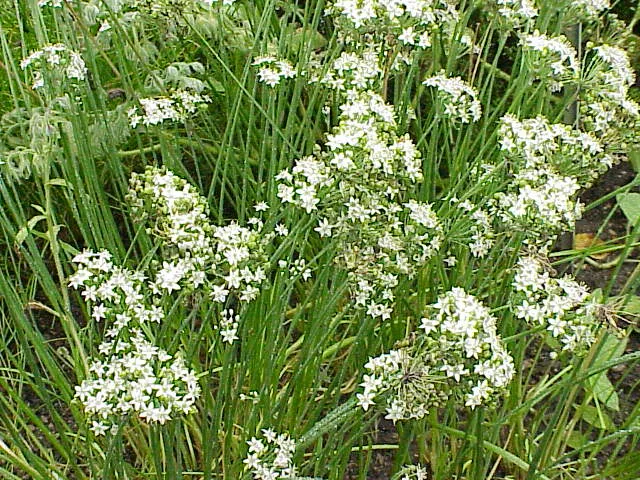
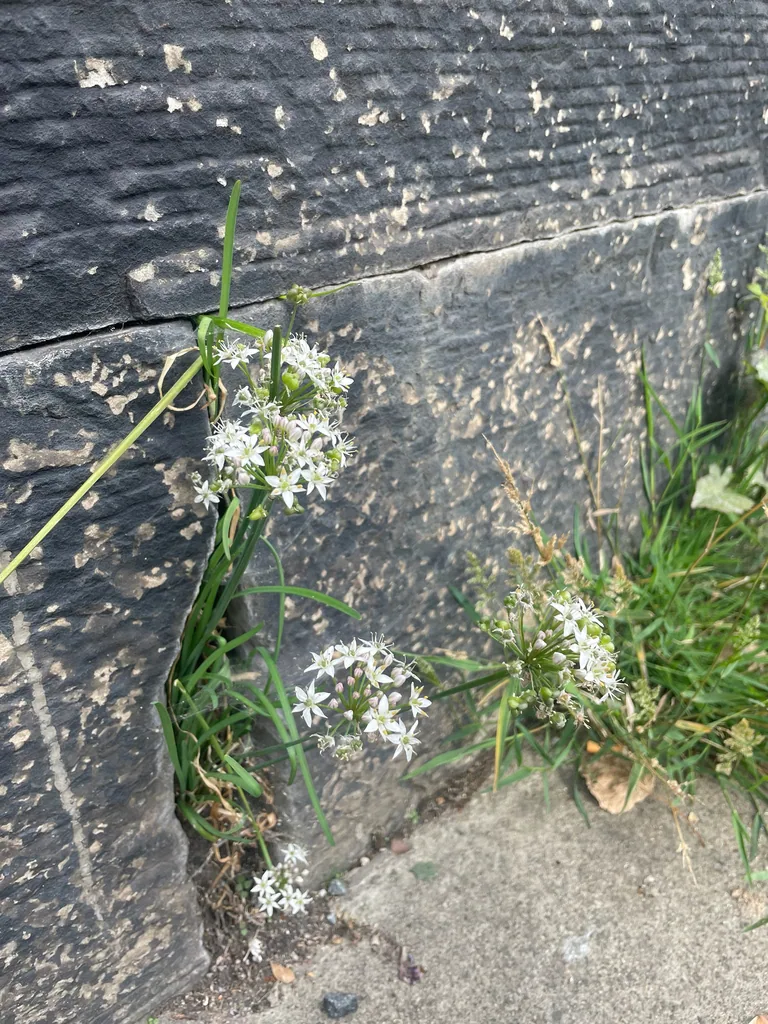
Garlic chives are a perennial that keeps on giving: pick the young leaves anytime and use them like chives in salads, egg dishes, soups or stews. The flowers are edible too and make a lovely garnish. Give them full sun or part shade and evenly moist, well-drained soil, in the garden or in a pot.
- Sun
Full sun to part shade
What the sources say (2)
- Water
Keep the soil evenly moist but well drained; in soggy soil the bulbs rot
What the sources say (2)
Watering notes: Soil should be evenly moist and well-drained; bulb rot can occur in too wet soils
Soil: Evenly moist, well-drained Growing Habit: Upright perennial Sun: Full sun to part shade
— How to grow garlic chives (Allium tuberosum) | Extension [2] They tolerate drought, and humidity. Bulb rot can occur in too wet soils.
— Allium tuberosum (Garlic Chives, Wild Leek) | North Carolina Extension Gardener Plant Toolbox [1] - Cold
Survives winters down to −40 °F (−40 °C)
Very hardy · USDA 3a · RHS H7 · Z3
What the sources say (2)
Hardiness, coldest zone: 3a [winter low −40 to −37.2 °C (−40 to −35 °F)]
USDA Plant Hardiness Zone: 3a, 3b, 4a, 4b, 5a, 5b, 6a, 6b, 7a, 7b, 8a, 8b, 9a, 9b
— Allium tuberosum (Garlic Chives, Wild Leek) | North Carolina Extension Gardener Plant Toolbox [1] Hardiness, warmest zone: 9b [winter low −3.9 to −1.1 °C (25 to 30 °F)]
USDA Plant Hardiness Zone: 3a, 3b, 4a, 4b, 5a, 5b, 6a, 6b, 7a, 7b, 8a, 8b, 9a, 9b
— Allium tuberosum (Garlic Chives, Wild Leek) | North Carolina Extension Gardener Plant Toolbox [1] - Soil
Well-drained soil, pH 6.0–8.0
What the sources say (4)
Soil pH, minimum: 6.0
Soil Texture: High Organic Matter Soil pH: Neutral (6.0-8.0) Soil Drainage: Good Drainage Moist
— Allium tuberosum (Garlic Chives, Wild Leek) | North Carolina Extension Gardener Plant Toolbox [1] Soil pH, maximum: 8.0
Soil Texture: High Organic Matter Soil pH: Neutral (6.0-8.0) Soil Drainage: Good Drainage Moist
— Allium tuberosum (Garlic Chives, Wild Leek) | North Carolina Extension Gardener Plant Toolbox [1] Watering notes: Soil should be evenly moist and well-drained; bulb rot can occur in too wet soils
Soil: Evenly moist, well-drained Growing Habit: Upright perennial Sun: Full sun to part shade
— How to grow garlic chives (Allium tuberosum) | Extension [2] They tolerate drought, and humidity. Bulb rot can occur in too wet soils.
— Allium tuberosum (Garlic Chives, Wild Leek) | North Carolina Extension Gardener Plant Toolbox [1] - Spacing
12 in between plants and 12 in between rows
What the sources say (2)
Spacing: 30.5 cm (12 in)
Germination: 7-14 days Plant Spacing: 12 inches Row Spacing: 12 inches Maturity: 80-90 days
— How to grow garlic chives (Allium tuberosum) | Extension [2] Row spacing: 30.5 cm (12 inches)
Plant Spacing: 12 inches Row Spacing: 12 inches Maturity: 80-90 days
— How to grow garlic chives (Allium tuberosum) | Extension [2] - Planting
Plant divided clumps in early spring
What the sources say (1)
Planting: Early spring (divided bulb clumps)
Bulb clumps can be divided and planted in early spring. Hardy to USDA Zone 3. Self-seeds aggressively.
— How to grow garlic chives (Allium tuberosum) | Extension [2] - Pruning
Cut off the flower stalks as soon as they finish blooming
What the sources say (1)
Pruning: Cut off flower stalks as soon as they have finished blooming
it is best to cut off the flower stalks as soon as they have finished blooming to prevent rampant spread.
— Garlic Chives, Allium tuberosum – Wisconsin Horticulture [3] - Harvest
Pick young leaves anytime; pick the flowers shortly after they open
What the sources say (3)
Harvest: Young leaves anytime; edible flowers shortly after opening
Young leaves can be harvested anytime. The edible flowers can be picked shortly after opening.
— How to grow garlic chives (Allium tuberosum) | Extension [2] Leaves can be harvested to eat anytime they are green.
— Garlic Chives, Allium tuberosum – Wisconsin Horticulture [3] How to harvest: Young leaves can be harvested at any time; the edible flowers can be picked shortly after opening.
Young leaves can be harvested anytime. The edible flowers can be picked shortly after opening.
— How to grow garlic chives (Allium tuberosum) | Extension [2] - Pests
Bulb mites, and bulb rot in soil that stays too wet
What the sources say (2)
Pests: bulb mites
They tolerate drought, and humidity. Bulb rot can occur in too wet soils. Bulb mites can occur.
— Allium tuberosum (Garlic Chives, Wild Leek) | North Carolina Extension Gardener Plant Toolbox [1] Diseases: bulb rot
They tolerate drought, and humidity. Bulb rot can occur in too wet soils. Bulb mites can occur.
— Allium tuberosum (Garlic Chives, Wild Leek) | North Carolina Extension Gardener Plant Toolbox [1] - Watch out
Self-seeds very easily and can spread; cut spent flowers and pull seedlings while young
What the sources say (1)
Pruning: Cut off flower stalks as soon as they have finished blooming
it is best to cut off the flower stalks as soon as they have finished blooming to prevent rampant spread.
— Garlic Chives, Allium tuberosum – Wisconsin Horticulture [3] - Size
12 in wide
What the sources say (2)
Mature width: 30.5 cm (12 in)
Dimensions: Height: 0 ft. 6 in. - 0 ft. 4 in. Width: 1 ft. 0 in. - 1 ft. 0 in.
— Allium tuberosum (Garlic Chives, Wild Leek) | North Carolina Extension Gardener Plant Toolbox [1] Plant Size: 18-24 inches tall; 12 inches wide
— How to grow garlic chives (Allium tuberosum) | Extension [2] - Propagation
By seed or by dividing the clumps
What the sources say (1)
Propagation: Seed; division
It can easily be started from seed, or from divisions. Once established, A. tuberosum is very heat, cold and drought tolerant.
— Garlic Chives, Allium tuberosum – Wisconsin Horticulture [3] - Sowing
Sow 1/4 in deep in fall when seeds ripen, or in a cold frame in spring; sprouts in 7–14 days
What the sources say (3)
Sowing: As soon as the seeds are ripe in the fall, or in a cold frame in the spring
Sow as soon as the seeds are ripe in the fall, or in a cold frame in the spring. Sow lightly,
— How to grow garlic chives (Allium tuberosum) | Extension [2] Sowing depth: 0.6 cm (1/4 inch)
Planting Depth: 1/4 inch Soil Temperature: 50℉ Germination: 7-14 days
— How to grow garlic chives (Allium tuberosum) | Extension [2] Days to germination: 7-14 days
Soil Temperature: 50℉ Germination: 7-14 days Plant Spacing: 12 inches
— How to grow garlic chives (Allium tuberosum) | Extension [2] - Containers
Grows in containers too
What the sources say (1)
In containers: Yes
It is often grown in containers since it spreads readily by self seeding and underground tuberous rootstocks.
— Allium tuberosum (Garlic Chives, Wild Leek) | North Carolina Extension Gardener Plant Toolbox [1] - Safety
Edible, but it has some toxicity: it can cause nausea, vomiting and diarrhea
Overview
Garlic chives are a bulbous perennial herb with an onion or garlic odor that is common in Asian cuisine. [1] They grow best in full sun in well-drained soil and are drought tolerant once established. [3] The plant self-seeds readily, so it is best grown in a pot or deadheaded. [1]
Garlic Chives care
How to water Garlic Chives
Watering
The sources disagree:
Soil: Evenly moist, well-drained
[2]
What the sources say (2)
Once established, A. tuberosum is very heat, cold and drought tolerant. Clumps should be lifted and divided about every 3 years to maintain vigor and blooming.They tolerate drought, and humidity. Bulb rot can occur in too wet soils.Watering notes
Soil should be evenly moist and well-drained; bulb rot can occur in too wet soils
What the sources say (2)
Soil: Evenly moist, well-drained Growing Habit: Upright perennial Sun: Full sun to part shadeThey tolerate drought, and humidity. Bulb rot can occur in too wet soils.How much light Garlic Chives needs
Full sun to part shade
How much cold Garlic Chives can take
Hardiness, coldest zone
3a [winter low −40 to −37.2 °C (−40 to −35 °F)]
What the sources say (1)
USDA Plant Hardiness Zone: 3a, 3b, 4a, 4b, 5a, 5b, 6a, 6b, 7a, 7b, 8a, 8b, 9a, 9bHardiness, warmest zone
9b [winter low −3.9 to −1.1 °C (25 to 30 °F)]
What the sources say (1)
USDA Plant Hardiness Zone: 3a, 3b, 4a, 4b, 5a, 5b, 6a, 6b, 7a, 7b, 8a, 8b, 9a, 9bBest soil for Garlic Chives
Soil pH, minimum
6.0
What the sources say (1)
Soil Texture: High Organic Matter Soil pH: Neutral (6.0-8.0) Soil Drainage: Good Drainage MoistSoil pH, maximum
8.0
What the sources say (1)
Soil Texture: High Organic Matter Soil pH: Neutral (6.0-8.0) Soil Drainage: Good Drainage MoistWhere to grow Garlic Chives
In containers
Yes
What the sources say (1)
It is often grown in containers since it spreads readily by self seeding and underground tuberous rootstocks.Spacing
30.5 cm (12 in)
What the sources say (1)
Germination: 7-14 days Plant Spacing: 12 inches Row Spacing: 12 inches Maturity: 80-90 daysHow to propagate Garlic Chives
Seed; division
What the sources say (1)
It can easily be started from seed, or from divisions. Once established, A. tuberosum is very heat, cold and drought tolerant.How to grow Garlic Chives
The plant
Life cycle
perennial
What the sources say (2)
Garlic chives are a perennial, clump-forming herb. They are in the onion family and have a strong onion or garlic scent.Life Cycle: Bulb Perennial Country Or Region Of Origin:Family
Amaryllidaceae
What the sources say (1)
Garlic chives are a bulbous perennial herb with characteristic onion or garlic odor from the amaryllis family (Amaryllidaceae).Mature height
Mature width
30.5 cm (12 in)
What the sources say (2)
Dimensions: Height: 0 ft. 6 in. - 0 ft. 4 in. Width: 1 ft. 0 in. - 1 ft. 0 in.Plant Size: 18-24 inches tall; 12 inches wideSowing and growth
Days to germination
7-14 days
What the sources say (1)
Soil Temperature: 50℉ Germination: 7-14 days Plant Spacing: 12 inchesSowing depth
0.6 cm (1/4 inch)
What the sources say (1)
Planting Depth: 1/4 inch Soil Temperature: 50℉ Germination: 7-14 daysRow spacing
30.5 cm (12 inches)
What the sources say (1)
Plant Spacing: 12 inches Row Spacing: 12 inches Maturity: 80-90 daysDays to maturity
80-90 days
What the sources say (1)
Row Spacing: 12 inches Maturity: 80-90 days Soil: Evenly moist, well-drained Growing Habit: Upright perennial Sun: Full sun to part shadeHarvest and storage
How to harvest
Young leaves can be harvested at any time; the edible flowers can be picked shortly after opening.
What the sources say (1)
Young leaves can be harvested anytime. The edible flowers can be picked shortly after opening.Pests and diseases
Pests
bulb mites
What the sources say (1)
They tolerate drought, and humidity. Bulb rot can occur in too wet soils. Bulb mites can occur.Diseases
bulb rot
What the sources say (1)
They tolerate drought, and humidity. Bulb rot can occur in too wet soils. Bulb mites can occur.Garlic Chives pests and problems
Bulb rot
Symptom: Bulb rot can occur in too wet soils.
What to do: Grow in well-drained soil.
What the sources say (2)
They tolerate drought, and humidity. Bulb rot can occur in too wet soils. Bulb mites can occur.
— Allium tuberosum (Garlic Chives, Wild Leek) | North Carolina Extension Gardener Plant Toolbox [1] Grow garlic chives in full sun in well-drained soil.
— Garlic Chives, Allium tuberosum – Wisconsin Horticulture [3] Bulb mites
Symptom: Bulb mites can occur.
What to do: No management given in the sources.
What the sources say (1)
They tolerate drought, and humidity. Bulb rot can occur in too wet soils. Bulb mites can occur.
— Allium tuberosum (Garlic Chives, Wild Leek) | North Carolina Extension Gardener Plant Toolbox [1] Aggressive self-seeding
Symptom: Self seeds very readily and can be invasive under some conditions.
What to do: Cut off the flower stalks as soon as they have finished blooming; seedlings are relatively easy to remove when young.
What the sources say (2)
Because it self seeds very readily and produces seed prolifically (like many ornamental onions), it is best to cut off the flower stalks as soon as they have finished blooming to prevent rampant spread.
— Garlic Chives, Allium tuberosum – Wisconsin Horticulture [3] This plant can be invasive under some conditions, so should be planted with care.
— Garlic Chives, Allium tuberosum – Wisconsin Horticulture [3]
Remedies
Each remedy shows what official sources say about it; traditional remedies without an official source are marked as such. Harmful ones are listed so you know to avoid them.
First aid
First aid: not a substitute for a doctor
allergic reaction
antihistamine after eating or touching Official source, not independently tested
Call 911 right away if you experience a severe allergic reaction
— my.clevelandclinic.org [5] See a healthcare provider if you have a physical reaction to garlic.
— my.clevelandclinic.org [5] How: If you accidentally eat or touch garlic and develop mild symptoms, most people respond well to antihistamines that you can purchase at a drugstore or grocery store.
If you accidentally eat or touch garlic and develop mild symptoms, most people respond well to antihistamines that you can purchase at a drugstore or grocery store.
— my.clevelandclinic.org [5]
Treating the plant
aphids
strong water jet from a hose Works
How: For smaller pests like aphids or spider mites, a strong burst of water from a hose often knocks them off plant stems and leaves.
For smaller pests like aphids or spider mites, a strong burst of water from a hose often knocks them off plant stems and leaves, reducing their populations without causing harm.
— cultivatedearth.com [6] What the evidence says Spray the plant with a strong jet of water to dislodge them or use Neem or insecticidal soap according to label instructions.
— blogs.ifas.ufl.edu [7] neem oil and soap spray Partly works
Homemade pesticides do not have directions for use or instructions for safe handling and application.
— pubs.ext.vt.edu [9] How: Mix a couple of teaspoons of neem oil with water and a few drops of mild soap, then spray it on affected plants.
Neem oil acts as a natural insect repellent and disrupts pest life cycles. Mix a couple of teaspoons with water and a few drops of mild soap, then spray it on affected plants.
— cultivatedearth.com [6] What the evidence says However, neem oil is not effective against every insect and disease, and often must be frequently reapplied to reach the desired outcome.
— extension.unh.edu [8] insecticidal soap Works
we are referring to commercially available oils and soaps that are formulated specifically for use as pesticides- not household oils and soaps meant for cooking, cleaning, or other purposes.
— ucanr.edu [11] How: Insecticidal soaps, store-bought or homemade using pure castile soap and water, are gentle on plants but deadly to soft-bodied insects like aphids and whiteflies.
Insecticidal soaps, either store-bought or homemade using pure castile soap and water, are gentle on plants but deadly to soft-bodied insects like aphids and whiteflies.
— cultivatedearth.com [6] What the evidence says For example, insecticidal soap is a safe, effective organic insecticide with minimal environmental impact.
— extension.psu.edu [10] garlic spray Not verified
Traditional remedy, not verified by an official source.
Homemade pesticides do not have directions for use or instructions for safe handling and application.
— pubs.ext.vt.edu [9] How: Blend a few cloves of garlic with water, strain the mixture, and apply it to your plants with a spray bottle.
snails
hand-picking Works
How: Hand-pick snails off the plants.
like blasting aphids off with water, hand-picking snails, or planting chives alongside pest-fighting neighbors
— cultivatedearth.com [6] What the evidence says Many insect and disease issues can be solved in the home garden by hand-picking insects or clipping and disposing of diseased plant parts.
— extension.unh.edu [8]
Getting rid of it
invasive spread
digging out roots and bulbs with a trowel Official source, not independently tested
How: Get as much of the root out as possible with a trowel, and if you see a baby plant resprouting immediately dig it up.
They will regrow from pieces of root. Try to get as much of the root out as possible with a trowel, and if you see a baby plant resprouting immediately dig it up.
— ask.extension.org [12] cutting off flower heads before seeding Works
How: Cut off the flower heads before they self-seed.
Garlic chives can be hard to eliminate when they start to spread. Cut off the flower heads before they self-seed.
— ask.extension.org [12] What the evidence says it is best to cut off the flower stalks as soon as they have finished blooming to prevent rampant spread.
— Garlic Chives, Allium tuberosum – Wisconsin Horticulture [3]
Is Garlic Chives poisonous?
Reported by the source, quoted verbatim. This is not medical or veterinary advice: if a person or an animal may have eaten this plant, contact a poison control centre or a veterinarian.
Calendar
Sowing
As soon as the seeds are ripe in the fall, or in a cold frame in the spring
What the sources say (1)
Sow as soon as the seeds are ripe in the fall, or in a cold frame in the spring. Sow lightly,Planting
Early spring (divided bulb clumps)
What the sources say (1)
Bulb clumps can be divided and planted in early spring. Hardy to USDA Zone 3. Self-seeds aggressively.Harvest
Young leaves anytime; edible flowers shortly after opening
Pruning
Cut off flower stalks as soon as they have finished blooming
What the sources say (1)
it is best to cut off the flower stalks as soon as they have finished blooming to prevent rampant spread.Months as given by the sources, which are mostly from the United States (northern hemisphere). In the southern hemisphere they shift by about six months.
Edibility
Reported by the source, quoted verbatim. Do not eat a plant on the basis of this page alone: identification mistakes can be dangerous.
Leaves, bulbs and flowers are edible. However, the plant also has poisonous characteristics as noted in the
[1]The leaves are used similarly to the way chives or green onions are used. They can be added to salads, egg dishes, soups, or stews.
[3]The flowers are also edible, so can be used as a garnish or added to salads.
[3]
Indicative values
Values from a secondary source, not checked word for word like the rest of this page. Use them as a starting point.
- Hours of sun
- 8-12 hoursIndicative value, adapt it to your climate · Secondary source
- Drought tolerant
- yesIndicative value, adapt it to your climate · Secondary source
- Soil
- Well-drainedIndicative value, adapt it to your climate · Secondary source
- Care level
- MediumIndicative value, adapt it to your climate · Secondary source
- Growth rate
- HighIndicative value, adapt it to your climate · Secondary source
Similar plants
- Allium triquetrum Allium triquetrum
- Blue Globe Onion Allium caeruleum
- Broadleaf wild leek Allium ampeloprasum
- Field Garlic Allium vineale
- Lily Leek Allium moly
- Nodding Onion Allium cernuum
- Onion Allium cepa
- Ornamental Onion Allium aflatunense
Sources
Every value above is quoted from these documents. Links lead to the original publisher.
- Allium tuberosum (Garlic Chives, Wild Leek) | North Carolina Extension Gardener Plant Toolbox · plants.ces.ncsu.edu, consulted
- How to grow garlic chives (Allium tuberosum) | Extension · extension.unh.edu, consulted
- Garlic Chives, Allium tuberosum – Wisconsin Horticulture · hort.extension.wisc.edu, consulted
- Chives | Herbs | Illinois Extension | Illinois · extension.illinois.edu, consulted
- my.clevelandclinic.org · my.clevelandclinic.org
- cultivatedearth.com · cultivatedearth.com
- blogs.ifas.ufl.edu · blogs.ifas.ufl.edu
- extension.unh.edu · extension.unh.edu
- pubs.ext.vt.edu · pubs.ext.vt.edu
- extension.psu.edu · extension.psu.edu
- ucanr.edu · ucanr.edu
- ask.extension.org · ask.extension.org
Written by Emilio Marruso · last checked