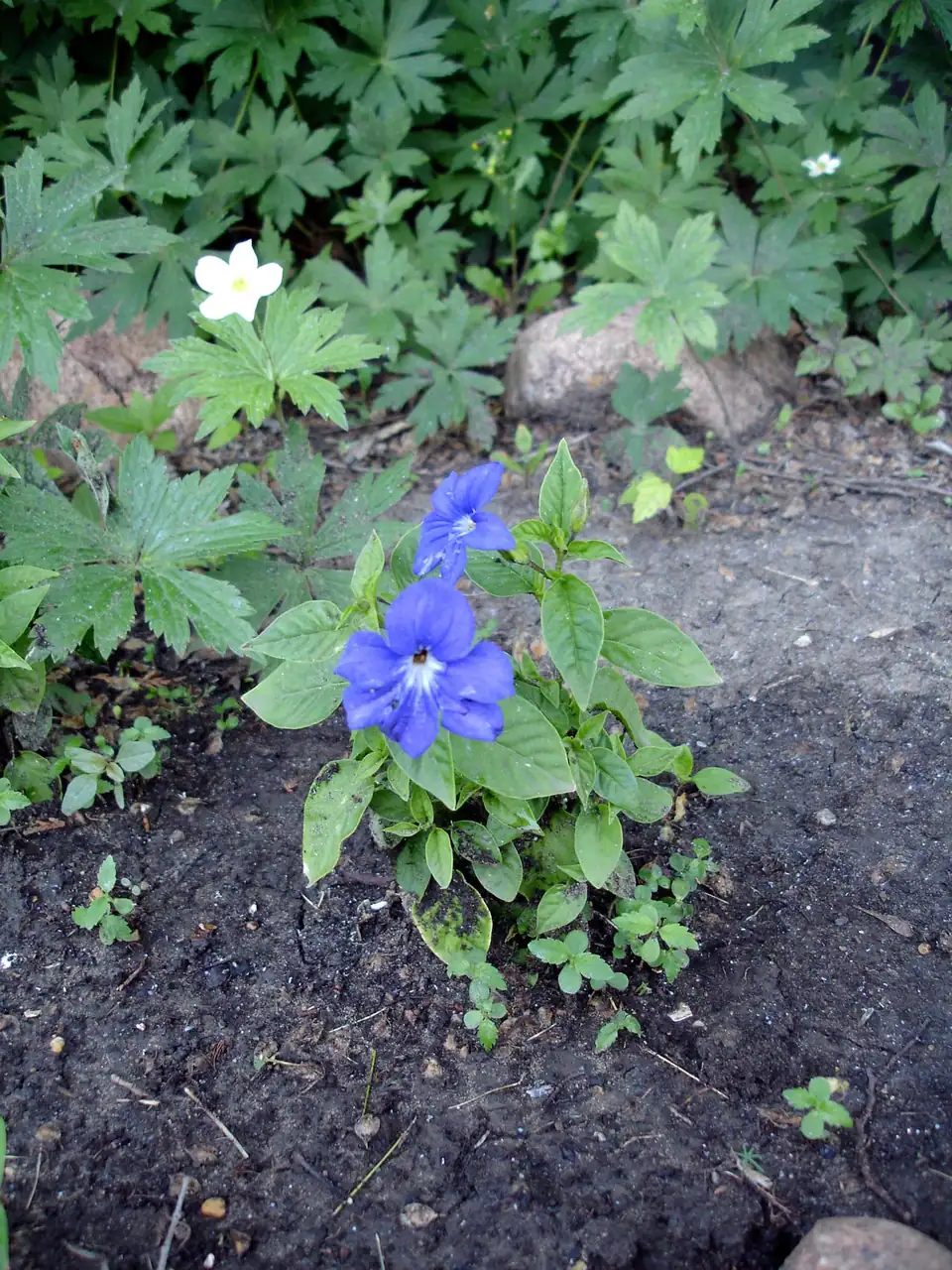


How to Grow and Care for Amethyst Flower
Browallia speciosa
Written by Emilio Marruso · last checked
Toxic to: Cats, Dogs · Why
At a glance
Browallia, also called amethyst flower, is a compact plant that grows 1–2 feet tall and wide, happy in containers and even indoors. Keep its soil evenly moist and well drained, and go easy on water and fertilizer: too much of either gives lush leaves at the expense of flowers. Grow it from seed and enjoy it as an annual or a perennial.
- Water
Keep the soil evenly moist and well drained; too much water means fewer flowers
What the sources say (2)
Watering: Evenly moist, well-drained soil
This plant prefers warm weather, sunlight with afternoon shade, and evenly moist, well-drained soil.
— Browallia speciosa (Amethyst Flower, Browallia, Bush Violet, Lovely Browallia, Sapphire Flower) | North Carolina Extension Gardener Plant Toolbox [1] Watering notes: Over-watering or over-fertilizing will promote foliage at the expense of flowers
Over-watering or over-fertilizing will promote foliage at the expense of flowers.
— Browallia speciosa (Amethyst Flower, Browallia, Bush Violet, Lovely Browallia, Sapphire Flower) | North Carolina Extension Gardener Plant Toolbox [1] - Cold
Survives winters down to 20 °F (−6.7 °C)
Hardy in average winters · USDA 9a · RHS H4 · Z9
What the sources say (2)
Hardiness, coldest zone: 9a [winter low −6.7 to −3.9 °C (20 to 25 °F)]
USDA Plant Hardiness Zone: 9a, 9b, 10a, 10b, 11a, 11b
— Browallia speciosa (Amethyst Flower, Browallia, Bush Violet, Lovely Browallia, Sapphire Flower) | North Carolina Extension Gardener Plant Toolbox [1] Hardiness, warmest zone: 11b [winter low 7.2 to 10 °C (45 to 50 °F)]
USDA Plant Hardiness Zone: 9a, 9b, 10a, 10b, 11a, 11b
— Browallia speciosa (Amethyst Flower, Browallia, Bush Violet, Lovely Browallia, Sapphire Flower) | North Carolina Extension Gardener Plant Toolbox [1] - Spacing
6–8 in between plants
What the sources say (1)
Spacing: 15.2-20.3 cm (6-8 in)
It needs a space of at least 6-8 inches since it generally spreads 1 foot
— Browallia speciosa (Amethyst Flower, Browallia, Bush Violet, Lovely Browallia, Sapphire Flower) | North Carolina Extension Gardener Plant Toolbox [1] - Feeding
Go easy on fertilizer: too much gives lush leaves and fewer flowers
What the sources say (2)
Avoid: Over-fertilizing
Over-watering or over-fertilizing will promote foliage at the expense of flowers.
— Browallia speciosa (Amethyst Flower, Browallia, Bush Violet, Lovely Browallia, Sapphire Flower) | North Carolina Extension Gardener Plant Toolbox [1] Signs of excess: Lush foliage at the expense of flowers
Over-watering or over-fertilizing will promote foliage at the expense of flowers.
— Browallia speciosa (Amethyst Flower, Browallia, Bush Violet, Lovely Browallia, Sapphire Flower) | North Carolina Extension Gardener Plant Toolbox [1] - Pests
Watch for aphids, thrips, spider mites, leafhoppers and whiteflies
What the sources say (1)
Pests: aphids, thrips, spider mites, leafhoppers, whiteflies
The Amethyst Flower has no serious diseases or pests. Pests such as aphids, thrips, spider mites, leafhoppers, and whiteflies may occur.
— Browallia speciosa (Amethyst Flower, Browallia, Bush Violet, Lovely Browallia, Sapphire Flower) | North Carolina Extension Gardener Plant Toolbox [1] - Size
1–2 ft tall and 1–2 ft wide
What the sources say (2)
Mature height: 30.48-60.96 cm (1-2 ft)
Height: 1 ft. 0 in. - 2 ft. 0 in. Width: 1 ft. 0 in. - 2 ft. 0 in.
— Browallia speciosa (Amethyst Flower, Browallia, Bush Violet, Lovely Browallia, Sapphire Flower) | North Carolina Extension Gardener Plant Toolbox [1] Mature width: 30.48-60.96 cm (1-2 ft)
Height: 1 ft. 0 in. - 2 ft. 0 in. Width: 1 ft. 0 in. - 2 ft. 0 in.
— Browallia speciosa (Amethyst Flower, Browallia, Bush Violet, Lovely Browallia, Sapphire Flower) | North Carolina Extension Gardener Plant Toolbox [1] - Propagation
Grows from seed
What the sources say (1)
Propagation: Seed
Pinching back the terminal growth will encourage a bushy appearance. It is propagated by seeds.
— Browallia speciosa (Amethyst Flower, Browallia, Bush Violet, Lovely Browallia, Sapphire Flower) | North Carolina Extension Gardener Plant Toolbox [1] - Containers
Grows in containers and indoors too
What the sources say (2)
In containers: Yes
may be grown in a container or hanging basket, either indoors or outdoors.
— Browallia speciosa (Amethyst Flower, Browallia, Bush Violet, Lovely Browallia, Sapphire Flower) | North Carolina Extension Gardener Plant Toolbox [1] Indoors: Yes
may be grown in a container or hanging basket, either indoors or outdoors.
— Browallia speciosa (Amethyst Flower, Browallia, Bush Violet, Lovely Browallia, Sapphire Flower) | North Carolina Extension Gardener Plant Toolbox [1] - Safety
Toxic to cats and dogs if eaten
Overview
Amethyst flower is a tropical herbaceous perennial with purplish-blue flowers, frequently grown in the United States as a warm-weather annual. [1] The plant is toxic to cats and dogs if ingested. [1]
This record is incomplete: the sources we read do not cover every field yet.
Not yet covered by our sources: Pruning
Amethyst Flower care
How to water Amethyst Flower
Watering
Evenly moist, well-drained soil
What the sources say (1)
This plant prefers warm weather, sunlight with afternoon shade, and evenly moist, well-drained soil.Watering notes
Over-watering or over-fertilizing will promote foliage at the expense of flowers
What the sources say (1)
Over-watering or over-fertilizing will promote foliage at the expense of flowers.How much light Amethyst Flower needs
The sources disagree:
Exposure/Light Requirements Full Shade Partial Sun/Shade Additional Notes
[2]
What the sources say (2)
Light:
Full sun (6 or more hours of direct sunlight a day)
Partial Shade (Direct sunlight only part of the day, 2-6 hours)This plant prefers warm weather, sunlight with afternoon shade, and evenly moist, well-drained soil.How much cold Amethyst Flower can take
Hardiness, coldest zone
9a [winter low −6.7 to −3.9 °C (20 to 25 °F)]
What the sources say (1)
USDA Plant Hardiness Zone:
9a, 9b, 10a, 10b, 11a, 11bHardiness, warmest zone
11b [winter low 7.2 to 10 °C (45 to 50 °F)]
What the sources say (1)
USDA Plant Hardiness Zone:
9a, 9b, 10a, 10b, 11a, 11bWhere to grow Amethyst Flower
Indoors
Yes
What the sources say (1)
may be grown in a container or hanging basket, either indoors or outdoors.In containers
Yes
What the sources say (1)
may be grown in a container or hanging basket, either indoors or outdoors.Spacing
15.2-20.3 cm (6-8 in)
What the sources say (1)
It needs a space of at least 6-8 inches since it generally spreads 1 footHow to propagate Amethyst Flower
Seed
What the sources say (1)
Pinching back the terminal growth will encourage a bushy appearance. It is propagated by seeds.How to grow Amethyst Flower
The plant
Life cycle
annual or perennial
What the sources say (1)
Life Cycle:
Annual
PerennialFamily
Solanaceae
What the sources say (1)
Genus:
Browallia
Species:
speciosa
Family:
SolanaceaeMature height
30.48-60.96 cm (1-2 ft)
What the sources say (1)
Height: 1 ft. 0 in. - 2 ft. 0 in.
Width: 1 ft. 0 in. - 2 ft. 0 in.Mature width
30.48-60.96 cm (1-2 ft)
What the sources say (1)
Height: 1 ft. 0 in. - 2 ft. 0 in.
Width: 1 ft. 0 in. - 2 ft. 0 in.Pests and diseases
Pests
aphids, thrips, spider mites, leafhoppers, whiteflies
What the sources say (1)
The Amethyst Flower has no serious diseases or pests. Pests such as aphids, thrips, spider mites, leafhoppers, and whiteflies may occur.Fertilizing
Avoid
Over-fertilizing
What the sources say (1)
Over-watering or over-fertilizing will promote foliage at the expense of flowers.Signs of excess
Lush foliage at the expense of flowers
What the sources say (1)
Over-watering or over-fertilizing will promote foliage at the expense of flowers.Amethyst Flower pests and problems
Pests
Symptom: Aphids, thrips, spider mites, leafhoppers and whiteflies may occur
What to do: No management given in the sources
What the sources say (1)
Pests such as aphids, thrips, spider mites, leafhoppers, and whiteflies may occur.
— Browallia speciosa (Amethyst Flower, Browallia, Bush Violet, Lovely Browallia, Sapphire Flower) | North Carolina Extension Gardener Plant Toolbox [1]
Remedies
Each remedy shows what official sources say about it; traditional remedies without an official source are marked as such. Harmful ones are listed so you know to avoid them.
Treating the plant
aphids
strong water spray Works
How: Remove aphids by blasting the plant with water.
If found, you can remove aphids by blasting the plant with water or using insecticidal soap or neem oil spray.
— gardenseeker.co.uk [5] What the evidence says Soapy water can help kill the aphids, as it sounds like you know, but a particularly strong jet of water will dislodge/kill most of them physically, as well.
— extension.umaine.edu [6] insecticidal soap Partly works
How: Use insecticidal soap spray on the aphids.
If found, you can remove aphids by blasting the plant with water or using insecticidal soap or neem oil spray.
— gardenseeker.co.uk [5] What the evidence says I will note that insecticidal soap worked well for me with my purple passion, but it does require direct contact with the aphid to kill them and it washes off easily and must be reapplied.
— extension.umaine.edu [6] neem oil spray Not verified
Traditional remedy, not verified by an official source.
How: Use neem oil spray on the aphids.
spider mites
rinsing the plant Not verified
Traditional remedy, not verified by an official source.
How: Increase humidity around the plant as spider mites prefer dry conditions; rinse the plant thoroughly to knock off the mites, or use an insecticidal soap.
whiteflies
sticky traps Not verified
Traditional remedy, not verified by an official source.
How: Introduce natural predators like ladybugs into the garden; sticky traps can also help control whitefly populations.
powdery mildew
baking soda and dish soap mixture Not verified
Traditional remedy, not verified by an official source.
How: Avoid overhead watering and ensure good air circulation; a homemade mixture of water, baking soda, and dish soap can be used.
Is Amethyst Flower toxic to pets?
Reported by the source, quoted verbatim. This is not medical or veterinary advice: if a person or an animal may have eaten this plant, contact a poison control centre or a veterinarian.
Calendar
Pruning
Not stated in the sources we read.
Months as given by the sources, which are mostly from the United States (northern hemisphere). In the southern hemisphere they shift by about six months.
Indicative values
Values from a secondary source, not checked word for word like the rest of this page. Use them as a starting point.
- Hours of sun
- 4-6 hoursIndicative value, adapt it to your climate · Secondary source
- Drought tolerant
- yesIndicative value, adapt it to your climate · Secondary source
- Soil pH
- 5.5-6.5Indicative value, adapt it to your climate · Secondary source
- Care level
- MediumIndicative value, adapt it to your climate · Secondary source
- Growth rate
- LowIndicative value, adapt it to your climate · Secondary source
- Pruning
- February, March, AprilIndicative value, adapt it to your climate · Secondary source
Similar plants
- Angel's-tears Brugmansia suaveolens
- Ashwagandha Withania somnifera
- Belladonna Atropa belladonna
- Bittersweet Solanum dulcamara
- Bladder cherry Alkekengi officinarum
- Brazilian nightshade Solanum seaforthianum
- Brunfelsia Brunfelsia pauciflora
- Cayenne Pepper Capsicum annuum
Sources
Every value above is quoted from these documents. Links lead to the original publisher.
- Browallia speciosa (Amethyst Flower, Browallia, Bush Violet, Lovely Browallia, Sapphire Flower) | North Carolina Extension Gardener Plant Toolbox · plants.ces.ncsu.edu, consulted
- Browallia (Browallia speciosa)-Hort Answers - University of Illinois Extension · web.extension.illinois.edu, consulted
- Browallia - Browallia speciosa | North Carolina Extension Gardener Plant Toolbox · plants.ces.ncsu.edu, consulted
- Bush Violet - Browallia speciosa | North Carolina Extension Gardener Plant Toolbox · plants.ces.ncsu.edu, consulted
- gardenseeker.co.uk · gardenseeker.co.uk
- extension.umaine.edu · extension.umaine.edu
Written by Emilio Marruso · last checked