
How to Grow and Care for Chinese Hackberry
Celtis sinensis
Written by Emilio Marruso · last checked
At a glance
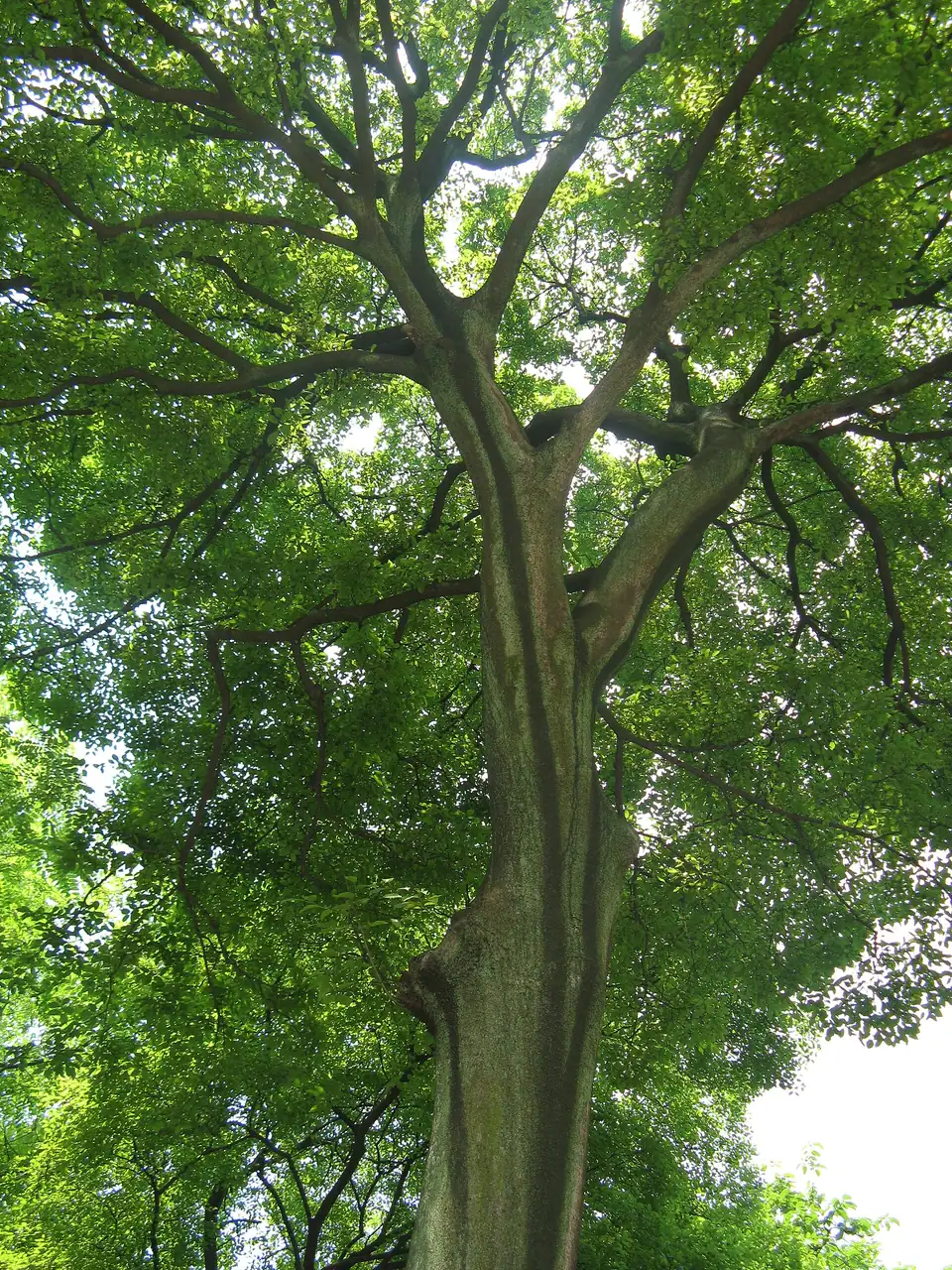
Chinese hackberry is a tough, generous tree: it grows 40–50 ft tall and just as wide, loves full sun, and handles drought as well as wet soils. Give it a little shaping while it is young, and it will even reward you with edible fruits. Just plant it away from driveways and sidewalks, where its roots can damage the paving.
- Sun
Full sun
What the sources say (2)
Light: Full sun
Plant in full sun in moist amended well-drained soil.
— Celtis sinensis (Chinese Hackberry, Chinese Nettle Tree, Japanese hackberry) | North Carolina Extension Gardener Plant Toolbox [1] Light: Full sun (6 or more hours of direct sunlight a day)
— Celtis sinensis (Chinese Hackberry, Chinese Nettle Tree, Japanese hackberry) | North Carolina Extension Gardener Plant Toolbox [1] - Water
Tough: handles drought, dry soil and wet soil
What the sources say (1)
Watering: Tolerates drought, dry soils and wet soils
It is a tough plant that tolerates drought, wind, urban conditions, dry, wet, and poor soils.
— Celtis sinensis (Chinese Hackberry, Chinese Nettle Tree, Japanese hackberry) | North Carolina Extension Gardener Plant Toolbox [1] - Cold
Survives winters down to 0 °F (−17.8 °C)
Hardy in very cold winters · USDA 7a · RHS H6 · Z7
What the sources say (2)
Hardiness, coldest zone: 7a [winter low −17.8 to −15 °C (0 to 5 °F)]
USDA Plant Hardiness Zone: 7a, 7b, 8a, 8b, 9a, 9b, 10a, 10b, 11a, 11b
— Celtis sinensis (Chinese Hackberry, Chinese Nettle Tree, Japanese hackberry) | North Carolina Extension Gardener Plant Toolbox [1] Hardiness, warmest zone: 11b [winter low 7.2 to 10 °C (45 to 50 °F)]
USDA Plant Hardiness Zone: 7a, 7b, 8a, 8b, 9a, 9b, 10a, 10b, 11a, 11b
— Celtis sinensis (Chinese Hackberry, Chinese Nettle Tree, Japanese hackberry) | North Carolina Extension Gardener Plant Toolbox [1] - Soil
Plant in moist, improved soil that drains well
What the sources say (1)
Watering notes: Plant in moist, amended, well-drained soil
Plant in full sun in moist amended well-drained soil.
— Celtis sinensis (Chinese Hackberry, Chinese Nettle Tree, Japanese hackberry) | North Carolina Extension Gardener Plant Toolbox [1] - Pruning
Prune it while the tree is young
What the sources say (1)
Pruning: While young
Prune while young to promote a strong growth pattern by removing multiple trunks and weak branch crotches.
— Celtis sinensis (Chinese Hackberry, Chinese Nettle Tree, Japanese hackberry) | North Carolina Extension Gardener Plant Toolbox [1] - Harvest
The fruits are edible
- Pests
Witches' broom and wood rot; don't nick the trunk with string trimmers or other tools
What the sources say (2)
Diseases: witches' broom, wood rot
dwarfed, dense, contorted twig clusters at the branch ends) is common in some areas.
— Celtis sinensis (Chinese Hackberry, Chinese Nettle Tree, Japanese hackberry) | North Carolina Extension Gardener Plant Toolbox [1] Avoid damaging the wood with string trimmers and other equipment as wood rot can occur.
— Celtis sinensis (Chinese Hackberry, Chinese Nettle Tree, Japanese hackberry) | North Carolina Extension Gardener Plant Toolbox [1] - Watch out
Roots can damage driveways, sidewalks and roads: plant it away from them
- Size
40–50 ft tall and just as wide
What the sources say (2)
Mature height: 1219-1524 cm (40-50 ft)
Chinese Hackberry is a rapidly growing, flowering, deciduous tree in the hemp family (Cannabaceae) reaching 40 to 50 feet high and wide at maturity
— Celtis sinensis (Chinese Hackberry, Chinese Nettle Tree, Japanese hackberry) | North Carolina Extension Gardener Plant Toolbox [1] Mature width: 1219-1524 cm (40-50 ft)
Chinese Hackberry is a rapidly growing, flowering, deciduous tree in the hemp family (Cannabaceae) reaching 40 to 50 feet high and wide at maturity
— Celtis sinensis (Chinese Hackberry, Chinese Nettle Tree, Japanese hackberry) | North Carolina Extension Gardener Plant Toolbox [1] - Propagation
From seed or stem cuttings
What the sources say (1)
Propagation: Seed, stem cutting
Recommended Propagation Strategy: Seed Stem Cutting
— Celtis sinensis (Chinese Hackberry, Chinese Nettle Tree, Japanese hackberry) | North Carolina Extension Gardener Plant Toolbox [1]
Overview
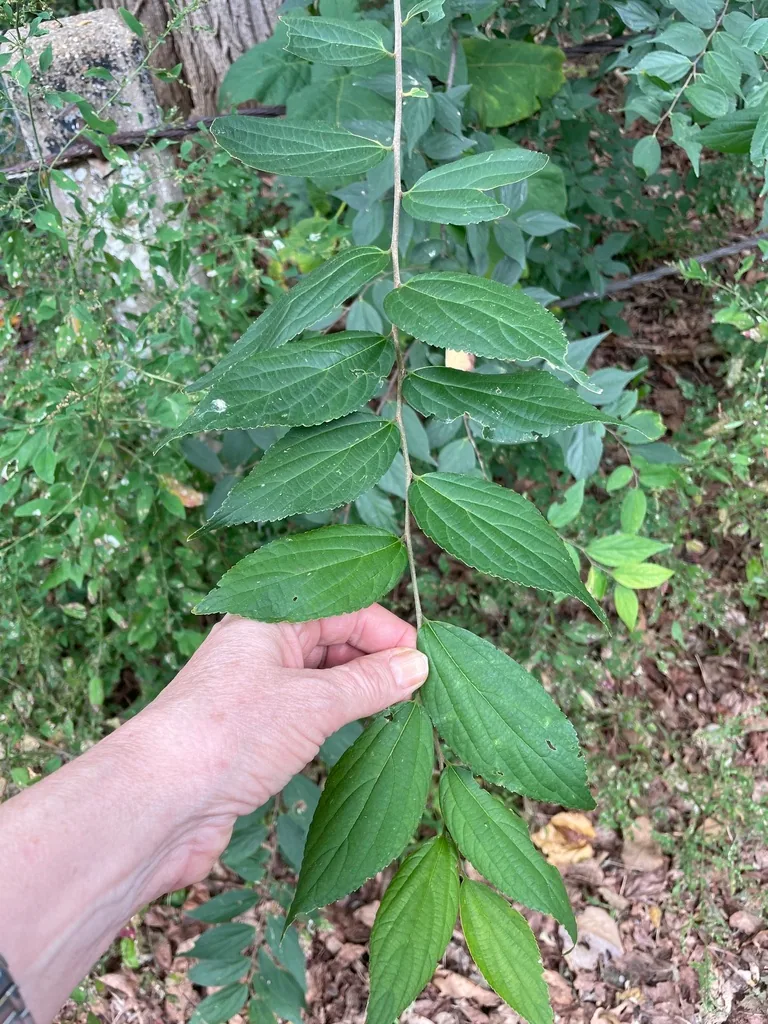
Chinese hackberry is a rapidly growing deciduous tree native to East Asia that reaches 40 to 50 feet [12.2–15.2 m] high and wide. [1] It tolerates drought, wind, urban conditions and poor soils, but it can be invasive in some environments. [1]
Chinese Hackberry care
Measurements in square brackets are our conversion into the other unit system; the quoted text is unchanged.
How to water Chinese Hackberry
Watering
Tolerates drought, dry soils and wet soils
What the sources say (1)
It is a tough plant that tolerates drought, wind, urban conditions, dry, wet, and poor soils.Watering notes
Plant in moist, amended, well-drained soil
What the sources say (1)
Plant in full sun in moist amended well-drained soil.How much light Chinese Hackberry needs
Full sun
What the sources say (2)
Plant in full sun in moist amended well-drained soil.Light:
Full sun (6 or more hours of direct sunlight a day)How much cold Chinese Hackberry can take
Hardiness, coldest zone
7a [winter low −17.8 to −15 °C (0 to 5 °F)]
What the sources say (1)
USDA Plant Hardiness Zone:
7a, 7b, 8a, 8b, 9a, 9b, 10a, 10b, 11a, 11bHardiness, warmest zone
11b [winter low 7.2 to 10 °C (45 to 50 °F)]
What the sources say (1)
USDA Plant Hardiness Zone:
7a, 7b, 8a, 8b, 9a, 9b, 10a, 10b, 11a, 11bHow to propagate Chinese Hackberry
Seed, stem cutting
What the sources say (1)
Recommended Propagation Strategy:
Seed
Stem CuttingHow to grow Chinese Hackberry
The plant
Family
Cannabaceae
What the sources say (1)
Chinese Hackberry is a rapidly growing, flowering, deciduous tree in the hemp family (Cannabaceae) reaching 40 to 50 feet high and wide at maturityMature height
1219-1524 cm (40-50 ft)
What the sources say (1)
Chinese Hackberry is a rapidly growing, flowering, deciduous tree in the hemp family (Cannabaceae) reaching 40 to 50 feet high and wide at maturityMature width
1219-1524 cm (40-50 ft)
What the sources say (1)
Chinese Hackberry is a rapidly growing, flowering, deciduous tree in the hemp family (Cannabaceae) reaching 40 to 50 feet high and wide at maturityPests and diseases
Diseases
witches' broom, wood rot
What the sources say (2)
dwarfed, dense, contorted twig clusters at the branch ends) is common in some areas.Avoid damaging the wood with string trimmers and other equipment as wood rot can occur.Chinese Hackberry pests and problems
Wood rot
Symptom: Wood rot can occur where the wood is damaged
What to do: Avoid damaging the wood with string trimmers and other equipment
What the sources say (1)
Avoid damaging the wood with string trimmers and other equipment as wood rot can occur.
— Celtis sinensis (Chinese Hackberry, Chinese Nettle Tree, Japanese hackberry) | North Carolina Extension Gardener Plant Toolbox [1] Root damage to paving
Symptom: The roots can cause damage along driveways, sidewalks and roads
What to do: Avoid planting along driveways, sidewalks and roads
What the sources say (1)
Avoid planting along driveways, sidewalks and roads as the roots can cause damage.
— Celtis sinensis (Chinese Hackberry, Chinese Nettle Tree, Japanese hackberry) | North Carolina Extension Gardener Plant Toolbox [1]
Remedies
Each remedy shows what official sources say about it; traditional remedies without an official source are marked as such. Harmful ones are listed so you know to avoid them.
Getting rid of it
invasive tree
hand pulling seedlings Official source, not independently tested
How: Hand pull seedlings up to 30 cm high; small isolated plants may be dug out.
Hand pull seedlings up to 30 cm high. Small isolated plants may be dug out.
— weeds.dpi.nsw.gov.au [2] cutting down and digging out the stump Official source, not independently tested
Be careful not to move fruit and seeds to new areas when removing trees.
— weeds.dpi.nsw.gov.au [2] How: Cut down larger trees and dig out the stump so that the tree cannot regrow.
Cut down larger trees and dig out the stump so that the tree cannot regrow.
— weeds.dpi.nsw.gov.au [2] dozing, burning and controlled grazing Official source, not independently tested
How: For large infestations the source combines dozing, burning and controlled grazing.
Combine dozing, burning and controlled grazing for large infestations.
— business.qld.gov.au [3]
Calendar
Pruning
While young
What the sources say (1)
Prune while young to promote a strong growth pattern by removing multiple trunks and weak branch crotches.Months as given by the sources, which are mostly from the United States (northern hemisphere). In the southern hemisphere they shift by about six months.
Edibility
Reported by the source, quoted verbatim. Do not eat a plant on the basis of this page alone: identification mistakes can be dangerous.
Edibility: The fruits are edible.
[1]
Indicative values
Values from a secondary source, not checked word for word like the rest of this page. Use them as a starting point.
- Life cycle
- PerennialIndicative value, adapt it to your climate · Secondary source · Data for the variety Celtis sinensis 'Green Cascade'
- Drought tolerant
- yesIndicative value, adapt it to your climate · Secondary source · Data for the variety Celtis sinensis 'Green Cascade'
- Soil pH
- 6-7.5Indicative value, adapt it to your climate · Secondary source · Data for the variety Celtis sinensis 'Green Cascade'
- Care level
- MediumIndicative value, adapt it to your climate · Secondary source · Data for the variety Celtis sinensis 'Green Cascade'
- Growth rate
- LowIndicative value, adapt it to your climate · Secondary source · Data for the variety Celtis sinensis 'Green Cascade'
Similar plants
- Hackberry Celtis occidentalis
- Hackberry Celtis tenuifolia
- Sugarberry Celtis laevigata
- Nettle Tree Celtis australis
- Blue Sandalwood Pteroceltis tatarinowii
- Common hop Humulus lupulus
- Japanese Hops Humulus scandens
- Abies grandis Abies grandis
Sources
Every value above is quoted from these documents. Links lead to the original publisher.
- Celtis sinensis (Chinese Hackberry, Chinese Nettle Tree, Japanese hackberry) | North Carolina Extension Gardener Plant Toolbox · plants.ces.ncsu.edu, consulted
- weeds.dpi.nsw.gov.au · weeds.dpi.nsw.gov.au
- business.qld.gov.au · business.qld.gov.au
Written by Emilio Marruso · last checked