
How to Grow and Care for Davallia canariensis
Davallia canariensis
Written by Emilio Marruso · last checked
At a glance
This plant is happy to live indoors, so you can enjoy it even without a garden. It grows well in a container and stays low, just 4 to 20 inches tall, while spreading wider, 20 to 39 inches across. That makes it a lovely fit for a shelf, a table or a cozy corner of your home.
- Size
4 to 20 inches tall and 20 to 39 inches wide
What the sources say (2)
Mature height: 10-50 cm (0.1–0.5 metres)
Davallia canariensis deer's foot fern Height 0.1–0.5 metres Width 0.5–1 metres
— Epiphytic ferns / RHS Plant Guide [2] Mature width: 50-100 cm (0.5–1 metres)
Davallia canariensis deer's foot fern Height 0.1–0.5 metres Width 0.5–1 metres
— Epiphytic ferns / RHS Plant Guide [2] - Containers
Grows well in containers, indoors too
What the sources say (2)
In containers: Yes
(especially hare’s foot ferns such as Davallia canariensis and Phlebodium aureum ). This isn’t a sign they need repotting, it’s just their natural growth habit.
— How to grow epiphytic ferns / RHS Growing Guide [1] Indoors: Yes
The most widely available epiphytic houseplant ferns – and the most suitable for growing in our homes
— How to grow epiphytic ferns / RHS Growing Guide [1]
Overview
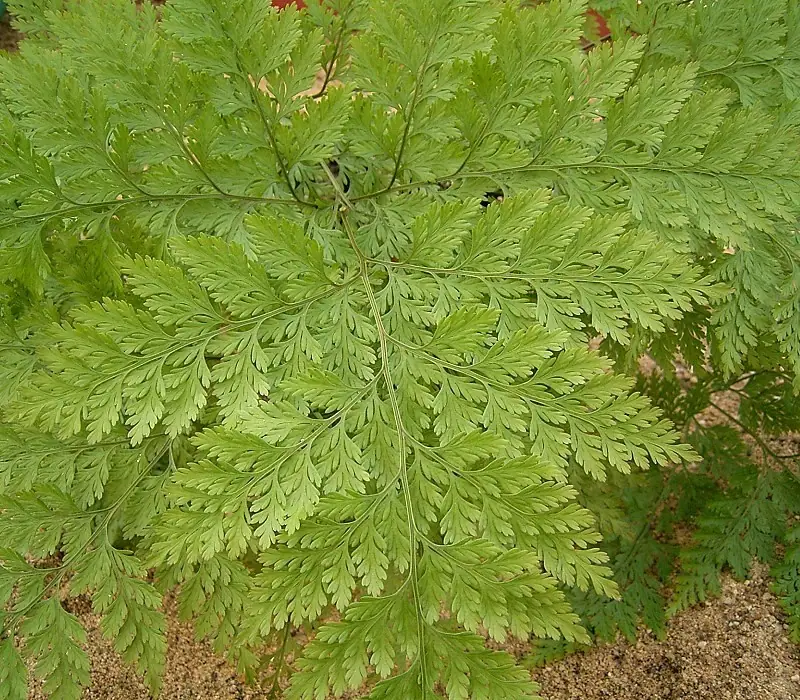
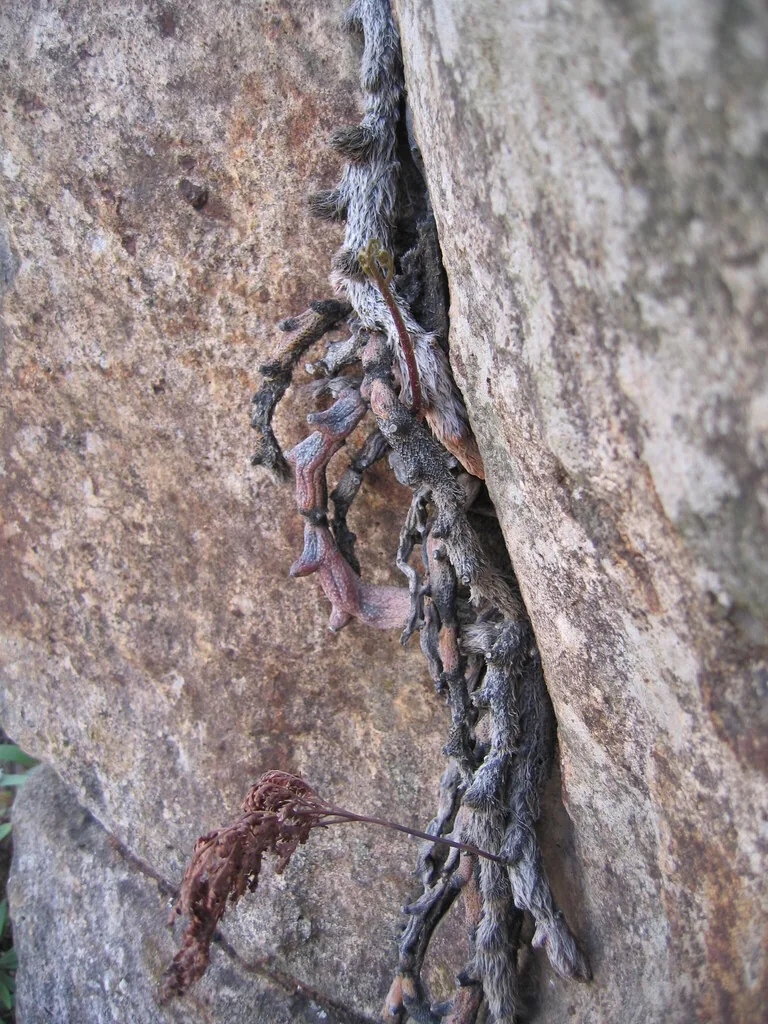
Davallia canariensis is one of the hare's foot ferns, named for the thick furry roots that emerge from the pot, with delicate feathery fronds. [1] It is grown as an indoor and greenhouse plant. [1]
This record is incomplete: the sources we read do not cover every field yet.
Not yet covered by our sources: Watering, Light, Propagation
Davallia canariensis care
How to water Davallia canariensis
Not stated in the sources we read.
How much light Davallia canariensis needs
Not stated in the sources we read.
Where to grow Davallia canariensis
Indoors
Yes
What the sources say (1)
The most widely available epiphytic houseplant ferns – and the most suitable for growing in our homesIn containers
Yes
What the sources say (1)
(especially hare’s foot ferns such as Davallia canariensis and Phlebodium aureum ). This isn’t a sign they need repotting, it’s just their natural growth habit.How to propagate Davallia canariensis
Not stated in the sources we read.
How to grow Davallia canariensis
The plant
Mature height
10-50 cm (0.1–0.5 metres)
What the sources say (1)
Davallia canariensis
deer's foot fern
Height
0.1–0.5 metres
Width
0.5–1 metresMature width
50-100 cm (0.5–1 metres)
What the sources say (1)
Davallia canariensis
deer's foot fern
Height
0.1–0.5 metres
Width
0.5–1 metresRemedies
Each remedy shows what official sources say about it; traditional remedies without an official source are marked as such. Harmful ones are listed so you know to avoid them.
Treating the plant
scale insects
horticultural oil Not verified
Traditional remedy, not verified by an official source.
How: treat the plant with a horticultural oil as per the manufacturer's recommendations
isolating the infested plant Not verified
Traditional remedy, not verified by an official source.
How: isolate the infested plant to limit spread
mealybugs
raising humidity with a pebble tray Not verified
Traditional remedy, not verified by an official source.
How: group plants together or set the pot on a wet pebble tray
brown leaf tips
misting the rhizomes Not verified
Traditional remedy, not verified by an official source.
How: mist the rhizomes more often, use a wet pebble tray or a cool mist humidifier
rhizome rot
keeping rhizomes above the soil Not verified
Traditional remedy, not verified by an official source.
How: do not bury the rhizomes under the soil
Indicative values
Values from a secondary source, not checked word for word like the rest of this page. Use them as a starting point.
- Life cycle
- PerennialIndicative value, adapt it to your climate · Secondary source
- Light
- Part shade, full shadeIndicative value, adapt it to your climate · Secondary source
- Hours of sun
- 12-14 hoursIndicative value, adapt it to your climate · Secondary source
- Watering
- AverageIndicative value, adapt it to your climate · Secondary source
- Soil pH
- 5.5-6.5Indicative value, adapt it to your climate · Secondary source
- USDA hardiness zones
- 10-11 [winter low −1.1 to 10 °C (30 to 50 °F)]Indicative value, adapt it to your climate · Secondary source
- Growth rate
- LowIndicative value, adapt it to your climate · Secondary source
- Pruning
- February, March, AprilIndicative value, adapt it to your climate · Secondary source
- Propagation
- Division, Cutting, Spore Propagation, Layering PropagationIndicative value, adapt it to your climate · Secondary source
Similar plants
- Dainty Rabbits-Foot Fern Davallia fejeensis
- African Blood Lily Scadoxus multiflorus
- African Blue Lily Agapanthus praecox
- African Living Rock Pleiospilos bolusii
- African Spear Dracaena angolensis
- African Violet Saintpaulia ionantha
- Air Plant Tillandsia ionantha
- Air Plant Tillandsia xerographica
Sources
Every value above is quoted from these documents. Links lead to the original publisher.
- How to grow epiphytic ferns / RHS Growing Guide · rhs.org.uk, consulted
- Epiphytic ferns / RHS Plant Guide · rhs.org.uk, consulted
Written by Emilio Marruso · last checked