
How to Grow and Care for Blue Echeveria
Echeveria secunda
Written by Emilio Marruso · last checked
Not toxic to cats and dogs, according to the sources · Sources
At a glance
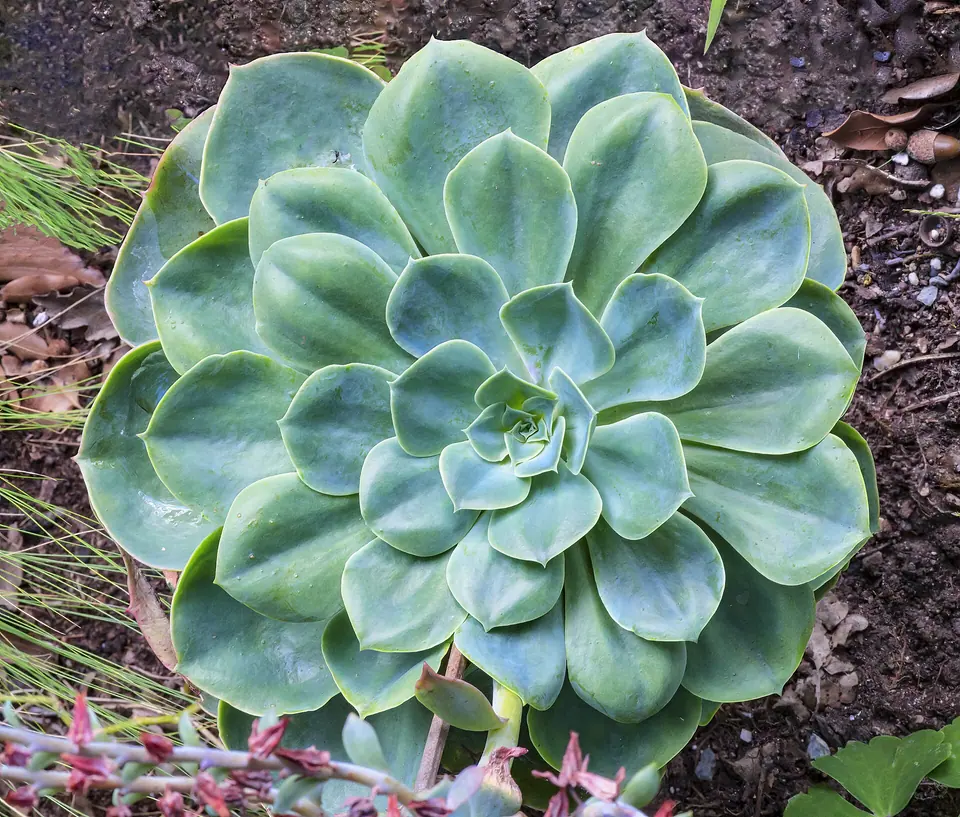
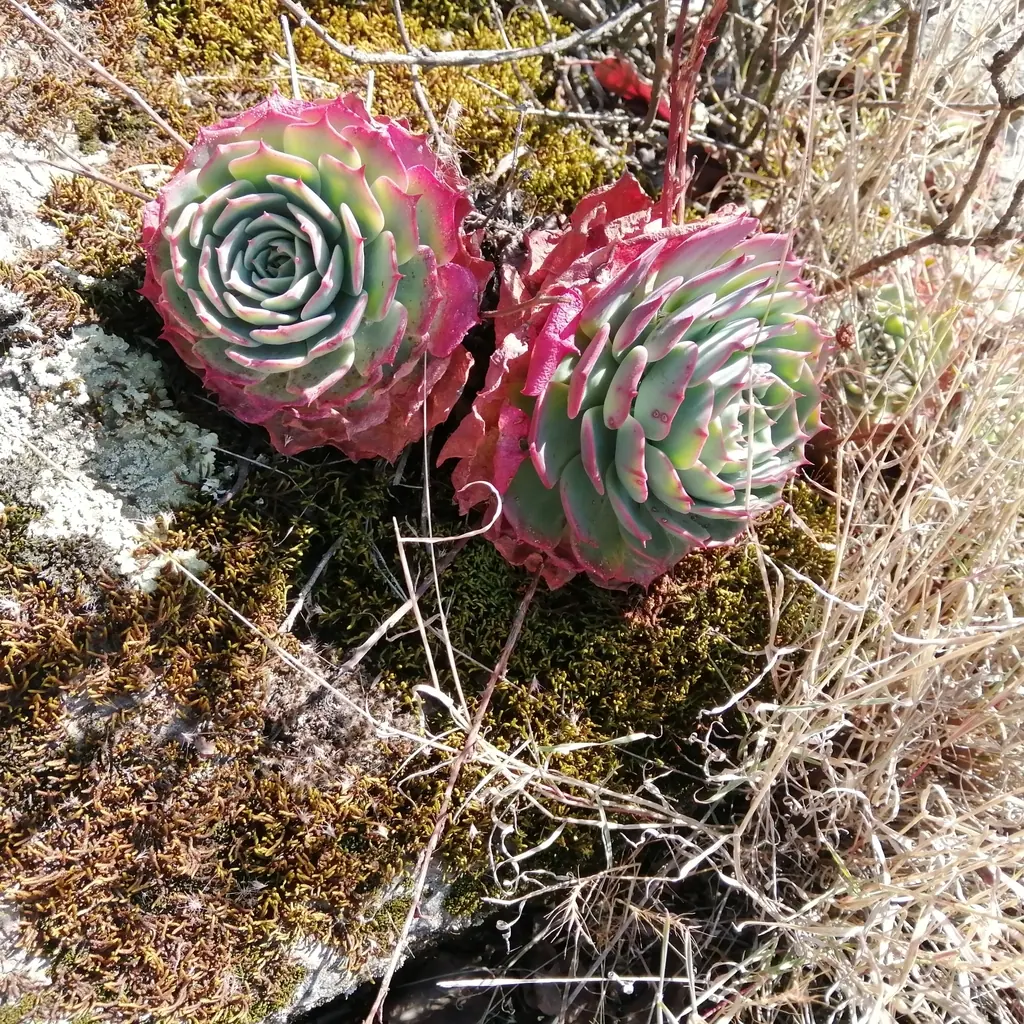
Echeveria secunda is a small succulent perennial, just 4–6 inches wide, that grows happily in full sun to partial shade, indoors or in a pot. Give it well-drained succulent soil and go easy on water and fertilizer, since too much of either leads to root rot. It's safe around cats, dogs and horses, and you can multiply it from offsets, leaves or seed.
- Sun
Full sun to partial shade
What the sources say (1)
Light: Full sun to partial shade
Light: Full sun (6 or more hours of direct sunlight a day) Partial Shade (Direct sunlight only part of the day, 2-6 hours)
— Echeveria secunda (Blue Echeveria, Copper Rose, Maroon Chenille Plant, Painted Lady, Painted-Lady, Plush Plant, Wax Rosette) | North Carolina Extension Gardener Plant Toolbox [1] - Water
Water sparingly: too much water rots the roots
What the sources say (1)
Watering: Do not overwater, to prevent root rot
Do not over-warter or fertilize these plants to prevent root rot.
— Echeveria secunda (Blue Echeveria, Copper Rose, Maroon Chenille Plant, Painted Lady, Painted-Lady, Plush Plant, Wax Rosette) | North Carolina Extension Gardener Plant Toolbox [1] - Cold
Survives winters down to 20 °F (−6.7 °C)
Hardy in average winters · USDA 9a · RHS H4 · Z9
What the sources say (2)
Hardiness, coldest zone: 9a [winter low −6.7 to −3.9 °C (20 to 25 °F)]
USDA Plant Hardiness Zone: 9a, 9b, 10a, 10b, 11a, 11b, 12a, 12b
— Echeveria secunda (Blue Echeveria, Copper Rose, Maroon Chenille Plant, Painted Lady, Painted-Lady, Plush Plant, Wax Rosette) | North Carolina Extension Gardener Plant Toolbox [1] Hardiness, warmest zone: 12b [winter low 12.8 to 15.6 °C (55 to 60 °F)]
USDA Plant Hardiness Zone: 9a, 9b, 10a, 10b, 11a, 11b, 12a, 12b
— Echeveria secunda (Blue Echeveria, Copper Rose, Maroon Chenille Plant, Painted Lady, Painted-Lady, Plush Plant, Wax Rosette) | North Carolina Extension Gardener Plant Toolbox [1] - Soil
Well-drained succulent soil
What the sources say (1)
Watering notes: Plant in well-drained succulent soil
Plant blue echeveria in well-drained succulent soil and provide plenty of light.
— Echeveria secunda (Blue Echeveria, Copper Rose, Maroon Chenille Plant, Painted Lady, Painted-Lady, Plush Plant, Wax Rosette) | North Carolina Extension Gardener Plant Toolbox [1] - Feeding
Feed lightly: too much fertilizer can cause root rot
What the sources say (1)
Avoid: Do not over-fertilize, to prevent root rot
Do not over-warter or fertilize these plants to prevent root rot.
— Echeveria secunda (Blue Echeveria, Copper Rose, Maroon Chenille Plant, Painted Lady, Painted-Lady, Plush Plant, Wax Rosette) | North Carolina Extension Gardener Plant Toolbox [1] - Size
4–6 inches wide
What the sources say (1)
Mature width: 10-15 cm (4-6 in)
Width: 0 ft. 4 in. - 0 ft. 6 in.
— Echeveria secunda (Blue Echeveria, Copper Rose, Maroon Chenille Plant, Painted Lady, Painted-Lady, Plush Plant, Wax Rosette) | North Carolina Extension Gardener Plant Toolbox [1] - Propagation
From offsets, leaf or stem cuttings, division, root cuttings or seed
What the sources say (2)
Propagation: Division; leaf cutting; root cutting; seed; stem cutting; offsets
Recommended Propagation Strategy: Division Leaf Cutting Root Cutting Seed Stem Cutting
— Echeveria secunda (Blue Echeveria, Copper Rose, Maroon Chenille Plant, Painted Lady, Painted-Lady, Plush Plant, Wax Rosette) | North Carolina Extension Gardener Plant Toolbox [1] It will readily make offsets that can be propagated when large enough.
— Echeveria secunda (Blue Echeveria, Copper Rose, Maroon Chenille Plant, Painted Lady, Painted-Lady, Plush Plant, Wax Rosette) | North Carolina Extension Gardener Plant Toolbox [1] - Containers
Grows well in pots and indoors
What the sources say (2)
In containers: Yes
Landscape Location: Container Houseplants
— Echeveria secunda (Blue Echeveria, Copper Rose, Maroon Chenille Plant, Painted Lady, Painted-Lady, Plush Plant, Wax Rosette) | North Carolina Extension Gardener Plant Toolbox [1] Indoors: Yes
They are typically grown as house plants and will not survive a hard frost.
— Echeveria secunda (Blue Echeveria, Copper Rose, Maroon Chenille Plant, Painted Lady, Painted-Lady, Plush Plant, Wax Rosette) | North Carolina Extension Gardener Plant Toolbox [1] - Safety
Not toxic to cats, dogs or horses
Overview
Blue echeveria is a succulent native to Mexico, typically grown as a house plant. [1] It needs well-drained succulent soil and plenty of light, and should not be overwatered. [1]
Blue Echeveria care
How to water Blue Echeveria
Watering
Do not overwater, to prevent root rot
What the sources say (1)
Do not over-warter or fertilize these plants to prevent root rot.Watering notes
Plant in well-drained succulent soil
What the sources say (1)
Plant blue echeveria in well-drained succulent soil and provide plenty of light.How much light Blue Echeveria needs
Full sun to partial shade
What the sources say (1)
Light:
Full sun (6 or more hours of direct sunlight a day)
Partial Shade (Direct sunlight only part of the day, 2-6 hours)How much cold Blue Echeveria can take
Hardiness, coldest zone
9a [winter low −6.7 to −3.9 °C (20 to 25 °F)]
What the sources say (1)
USDA Plant Hardiness Zone:
9a, 9b, 10a, 10b, 11a, 11b, 12a, 12bHardiness, warmest zone
12b [winter low 12.8 to 15.6 °C (55 to 60 °F)]
What the sources say (1)
USDA Plant Hardiness Zone:
9a, 9b, 10a, 10b, 11a, 11b, 12a, 12bWhere to grow Blue Echeveria
Indoors
Yes
What the sources say (1)
They are typically grown as house plants and will not survive a hard frost.In containers
Yes
What the sources say (1)
Landscape Location:
Container
HouseplantsHow to propagate Blue Echeveria
Division; leaf cutting; root cutting; seed; stem cutting; offsets
What the sources say (2)
Recommended Propagation Strategy:
Division
Leaf Cutting
Root Cutting
Seed
Stem CuttingIt will readily make offsets that can be propagated when large enough.How to grow Blue Echeveria
The plant
Life cycle
perennial
What the sources say (1)
Genus: Echeveria Species: secunda Family: Crassulaceae Life Cycle: PerennialFamily
Crassulaceae
What the sources say (1)
Genus: Echeveria Species: secunda Family: Crassulaceae Life Cycle: PerennialMature width
10-15 cm (4-6 in)
What the sources say (1)
Width: 0 ft. 4 in. - 0 ft. 6 in.Fertilizing
Avoid
Do not over-fertilize, to prevent root rot
What the sources say (1)
Do not over-warter or fertilize these plants to prevent root rot.Remedies
Each remedy shows what official sources say about it; traditional remedies without an official source are marked as such. Harmful ones are listed so you know to avoid them.
Treating the plant
mealybugs
insecticidal soap spray Partly works
before applying these treatments, be sure to test a small area because some plants may become injured.
— extension.colostate.edu [7] How: Dilute alcohol sprays (25 to 50 percent concentration) or insecticidal soaps can be used; test a small area first.
Swabbing individual mealybugs with alcohol is useful for control. Dilute alcohol sprays (25 to 50 percent concentration) or insecticidal soaps can also be used.
— extension.colostate.edu [7] What the evidence says Alcohol and soaps are strictly contact sprays with no residual action; they will only work upon contact with the insect pest. Root-feeding stages of mealybugs will be missed with these treatments.
— extension.colostate.edu [7] hand-picking mealybugs Partly works
How: Hand-pick and destroy the insects, or blast a stream of water on sturdy plants where the insects are visible.
Home remedies include hand-picking and destroying the insects, blasting a high-pressure stream of water on sturdy plants where the insects are visible, or pruning them out.
— ucanr.edu [8] What the evidence says Picking off individual mealybugs and egg sacs or dabbing each one with an alcohol–soaked cotton swab may be satisfactory for lightly–infested plants
— yardandgarden.extension.iastate.edu [9]
Is Blue Echeveria poisonous?
Reported by the source, quoted verbatim. This is not medical or veterinary advice: if a person or an animal may have eaten this plant, contact a poison control centre or a veterinarian.
#dry soils tolerant #succulent #drought tolerant #non-toxic for cats #non-toxic for horses #non-toxic for dogs
[1]The source flags the risk for this animal but does not explain why.
Similar plants
- Copper Rose Echeveria multicaulis
- Painted Lady Echeveria derenbergii
- White Mexican Rose Echeveria elegans
- Chandelier Plant Kalanchoe delagoensis
- Ghost Plant Graptopetalum paraguayense
- Kalanchoe Kalanchoe beharensis
- Moss Stonecrop Sedum acre
- Mother of Thousands Kalanchoe daigremontiana
Sources
Every value above is quoted from these documents. Links lead to the original publisher.
- Echeveria secunda (Blue Echeveria, Copper Rose, Maroon Chenille Plant, Painted Lady, Painted-Lady, Plush Plant, Wax Rosette) | North Carolina Extension Gardener Plant Toolbox · plants.ces.ncsu.edu, consulted
- Maroon Chenille Plant - Echeveria secunda | North Carolina Extension Gardener Plant Toolbox · plants.ces.ncsu.edu, consulted
- Copper Rose - Echeveria secunda | North Carolina Extension Gardener Plant Toolbox · plants.ces.ncsu.edu, consulted
- Echeveria - Echeveria | North Carolina Extension Gardener Plant Toolbox · plants.ces.ncsu.edu, consulted
- Echeveria (Echeveria, Mexican Rosettes, Mexican Snowballs, Variegated Wax Plant) | North Carolina Extension Gardener Plant Toolbox · plants.ces.ncsu.edu, consulted
- Variegated Wax Plant - Echeveria | North Carolina Extension Gardener Plant Toolbox · plants.ces.ncsu.edu, consulted
- extension.colostate.edu · extension.colostate.edu
- ucanr.edu · ucanr.edu
- yardandgarden.extension.iastate.edu · yardandgarden.extension.iastate.edu
Written by Emilio Marruso · last checked