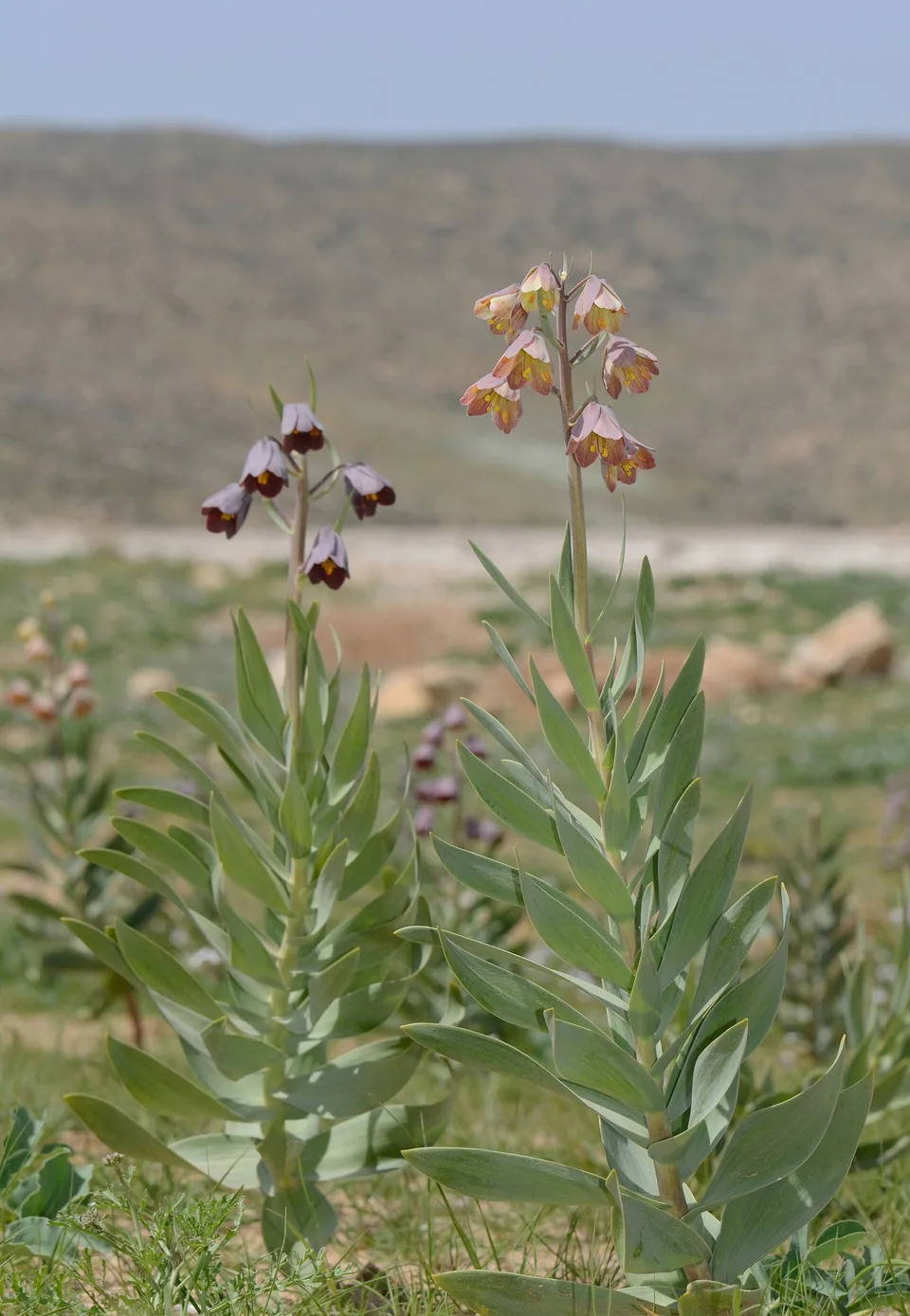
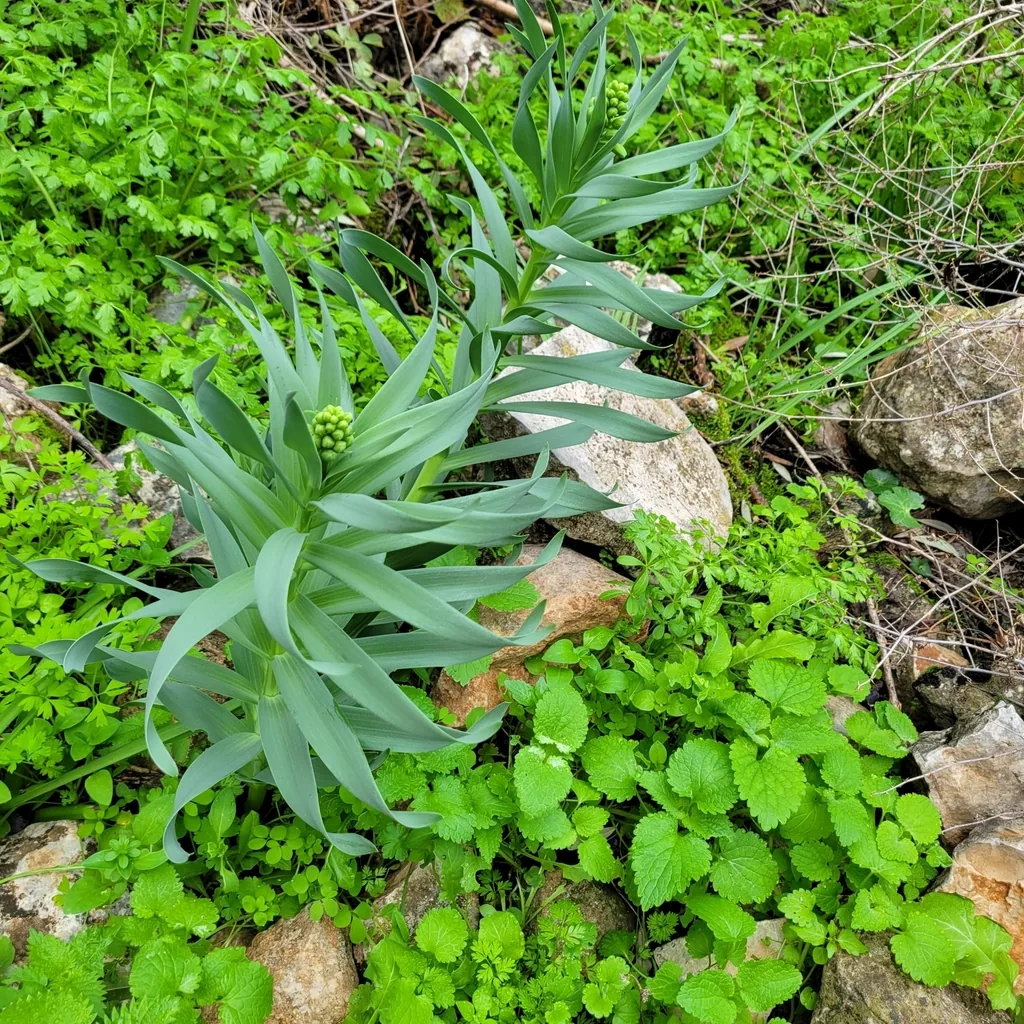

How to Grow and Care for Fritillaria persica
Fritillaria persica
Written by Emilio Marruso · last checked
At a glance
Fritillaria persica is a bulb you plant in fall, in full sun or partial shade, 9–12 inches apart. It needs little water and tolerates drought, though it does best when the soil stays evenly moist. Just give it soil that drains very well, because soggy ground rots the bulb, then snip off the flowers as they fade and enjoy watching it return.
- Sun
Full sun to partial shade
What the sources say (1)
Light: Full sun to partial shade
Sun exposure - Full sun to partial shade - Soil requirements - Well-drained, fertile
— Persian Lily Complete Care And Growing Guide | Gardening Know How [2] - Water
Needs little water and handles drought, but does best in evenly moist soil
What the sources say (1)
Watering: Low water needs; tolerates drought but does best with consistent moisture in the soil
Water needs are low for Persian lilies, which naturally grow in hot, dry climates. These flowers tolerate drought but do best with consistent moisture in the soil.
— Persian Lily Complete Care And Growing Guide | Gardening Know How [2] - Soil
Soil must drain very well; it can't stand soggy ground
What the sources say (1)
Watering notes: Soil must drain very well; it does not tolerate soggy soil
Persian lilies grow best in rich fertile soil that drains very well . It will not tolerate soggy soil.
— Persian Lily Complete Care And Growing Guide | Gardening Know How [2] - Spacing
9–12 in between bulbs
What the sources say (1)
Spacing: 22.9-30.5 cm (9-12 in)
Space each bulb 9 to 12 inches (23 to 30 cm) apart.
— Persian Lily Complete Care And Growing Guide | Gardening Know How [2] - Planting
Plant the bulbs in fall
What the sources say (1)
Planting: Fall
Plant bulbs in fall to a depth of about six inches (15 cm).
— Persian Lily Complete Care And Growing Guide | Gardening Know How [2] - Pruning
Cut off flowers as they fade; remove leaves once they turn yellow or brown
What the sources say (1)
Pruning: Deadhead flowers as they fade; remove foliage when it turns yellow or brown
Deadhead the flowers as they fade. Remove foliage that becomes yellow or brown.
— Persian Lily Complete Care And Growing Guide | Gardening Know How [2] - Pests
Bulb rot: give it soil that drains very well and don't overwater
- Propagation
Split off the small bulbs that form beside the main one, or grow from seed
What the sources say (2)
Propagation: Division of offset bulblets; seed
The easiest way to propagate Persian lily is by division
— Persian Lily Complete Care And Growing Guide | Gardening Know How [2] You can also collect seeds from the flowers to save and grow later.
— Persian Lily Complete Care And Growing Guide | Gardening Know How [2]
Overview
Fritillaria persica is a spring-flowering bulb grown in sunny borders and naturalized areas, planted in fall. [2] It needs well-drained soil and does not tolerate soggy soil. [2]
Fritillaria persica care
How to water Fritillaria persica
Watering
Low water needs; tolerates drought but does best with consistent moisture in the soil
What the sources say (1)
Water needs are low for Persian lilies, which naturally grow in hot, dry climates. These flowers tolerate drought but do best with consistent moisture in the soil.Watering notes
Soil must drain very well; it does not tolerate soggy soil
What the sources say (1)
Persian lilies grow best in rich fertile soil that drains very well . It will not tolerate soggy soil.How much light Fritillaria persica needs
Full sun to partial shade
What the sources say (1)
Sun exposure - Full sun to partial shade
- Soil requirements - Well-drained, fertileHow much cold Fritillaria persica can take
Hardiness, coldest zone
The sources give different values depending on region, zone or growing conditions.
What each source says
According to Gardening Know How: 5 [winter low −28.9 to −23.3 °C (−20 to −10 °F)]
According to Gardens Illustrated: 3a [winter low −40 to −37.2 °C (−40 to −35 °F)]
What the sources say (2)
According to Gardening Know How: The Persian lily grows well in USDA zones 5 through 8 in North America.According to Gardens Illustrated: Fritillaria persica, the Persian lily, makes a great late-spring bulb for a south-facing herbaceous border, the bulbs protected from summer heat by the surrounding perennials.
Up to 1m. RHS H4, USDA 3a-8b.Hardiness, warmest zone
8 [winter low −12.2 to −6.7 °C (10 to 20 °F)]
What the sources say (2)
The Persian lily grows well in USDA zones 5 through 8 in North America.Fritillaria persica, the Persian lily, makes a great late-spring bulb for a south-facing herbaceous border, the bulbs protected from summer heat by the surrounding perennials.
Up to 1m. RHS H4, USDA 3a-8b.Where to grow Fritillaria persica
22.9-30.5 cm (9-12 in)
What the sources say (1)
Space each bulb 9 to 12 inches (23 to 30 cm) apart.How to propagate Fritillaria persica
Division of offset bulblets; seed
Fritillaria persica pests and problems
Bulb rot
Symptom: Bulb rot
What to do: Make sure the soil drains very well and avoid overwatering.
What the sources say (1)
The most significant issue with growing Persian lily is bulb rot. Make sure the soil drains very well and avoid overwatering.
— Persian Lily Complete Care And Growing Guide | Gardening Know How [2]
Remedies
Each remedy shows what official sources say about it; traditional remedies without an official source are marked as such. Harmful ones are listed so you know to avoid them.
Treating the plant
lily leaf beetle
hand removal Works
How: Remove the scarlet lily beetles by hand.
Scarlet lily beetles can also be an issue. The best way to manage them is to remove them by hand.
— Persian Lily Complete Care And Growing Guide | Gardening Know How [2] What the evidence says Mechanical management of lily leaf beetle is possible by hand picking the adults, larvae, and eggs from the host plant. This can be effective in plantings with few susceptible, infested hosts.
— umass.edu [4]
Calendar
Planting
Fall
What the sources say (1)
Plant bulbs in fall to a depth of about six inches (15 cm).Pruning
Deadhead flowers as they fade; remove foliage when it turns yellow or brown
What the sources say (1)
Deadhead the flowers as they fade. Remove foliage that becomes yellow or brown.Months as given by the sources, which are mostly from the United States (northern hemisphere). In the southern hemisphere they shift by about six months.
Indicative values
Values from a secondary source, not checked word for word like the rest of this page. Use them as a starting point.
- Life cycle
- PerennialIndicative value, adapt it to your climate · Secondary source
- Mature height
- 30.5-91.4 cm (1-3 ft)Indicative value, adapt it to your climate · Secondary source
- Hours of sun
- 6-8 hoursIndicative value, adapt it to your climate · Secondary source
- Drought tolerant
- yesIndicative value, adapt it to your climate · Secondary source
- Soil pH
- 6-7Indicative value, adapt it to your climate · Secondary source
- Care level
- MediumIndicative value, adapt it to your climate · Secondary source
- Growth rate
- LowIndicative value, adapt it to your climate · Secondary source
Similar plants
- Crown Imperial Fritillary Fritillaria imperialis
- Guinea Fritillaria meleagris
- Abies grandis Abies grandis
- Abraham Trachystemon orientalis
- Abyssinian banana Ensete ventricosum
- Acacia longifolia Acacia longifolia
- Acanthus hungaricus Acanthus hungaricus
- Achlys triphylla Achlys triphylla
Sources
Every value above is quoted from these documents. Links lead to the original publisher.
- Marianna D ’ A r i e n z o - Valeria Mezzetti Bambacioni · ortobotaniconapoli.it, consulted
- Persian Lily Complete Care And Growing Guide | Gardening Know How · gardeningknowhow.com, consulted
- These beautiful fritillaries are perfect for spring flower displays: here's how to grow them and the most striking to plant | Gardens Illustrated · gardensillustrated.com, consulted
- umass.edu · umass.edu
Written by Emilio Marruso · last checked