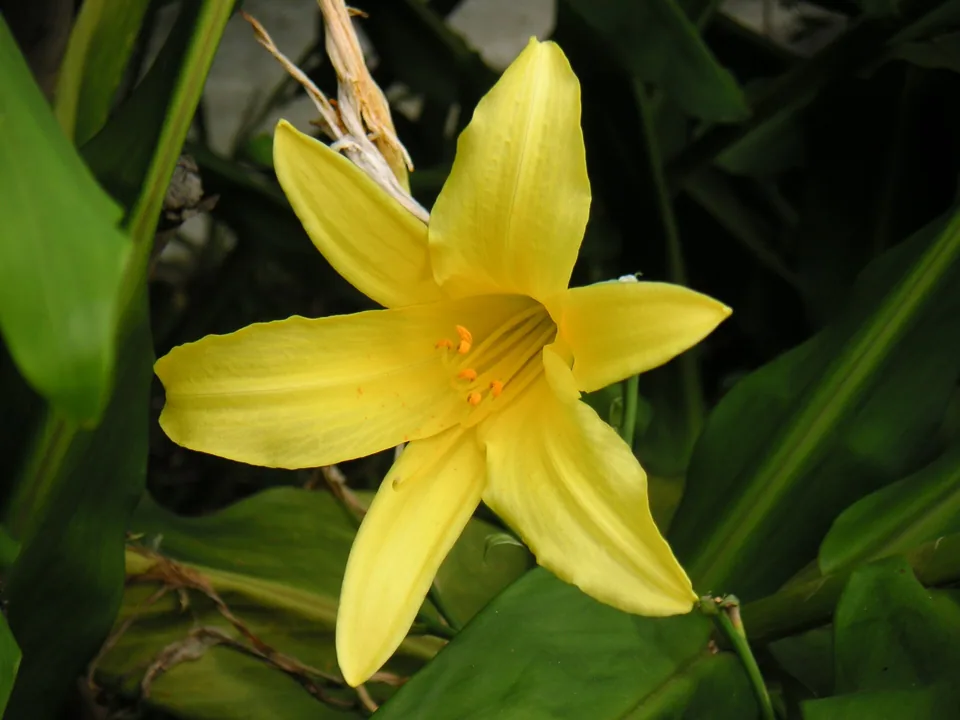
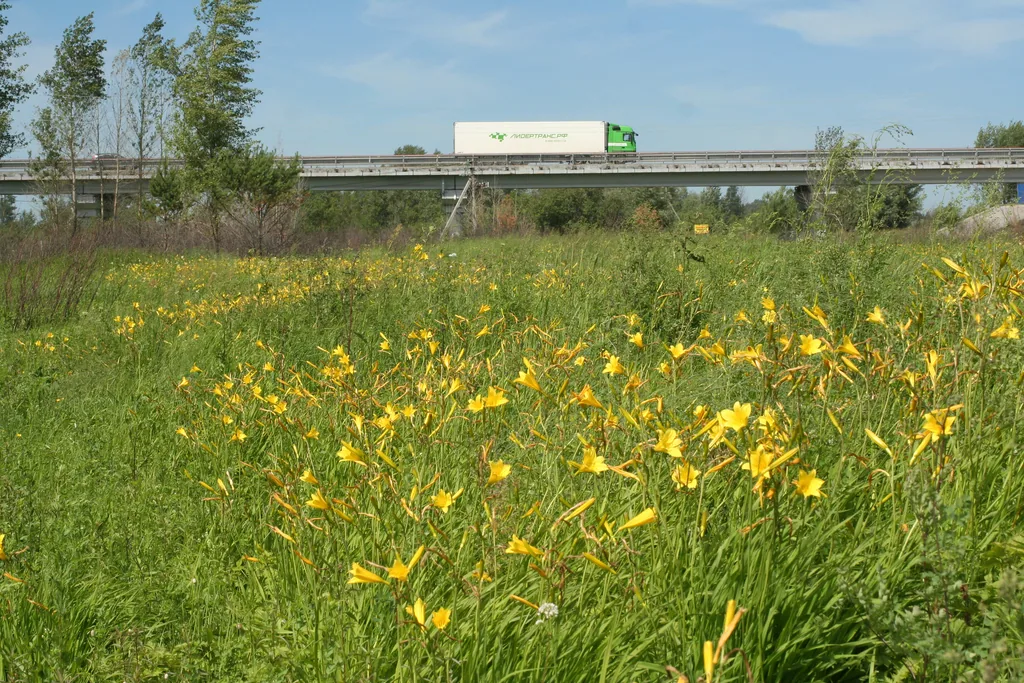

How to Grow and Care for Daylily
Hemerocallis minor
Written by Emilio Marruso · last checked
Not toxic to cats and dogs, according to the sources · Sources
At a glance
This little daylily is an easygoing perennial that comes back year after year, happy in full sun or partial shade. It likes average, moist, well-drained soil, yet it tolerates drought if you forget to water now and then. At just 1 to 2 feet tall it fits almost anywhere, and you can get more plants simply by dividing it.
- Sun
Full sun to partial shade
What the sources say (2)
Light: Full sun to partial shade
This daylily is easy to grow in average, moist, well-drained soil and in full sun to partial shade.
— Hemerocallis minor (Daylily, Dwarf Yellow Daylily, Grass-Leaved Daylily, Small Daylily) | North Carolina Extension Gardener Plant Toolbox [1] Light: Full sun (6 or more hours of direct sunlight a day) Partial Shade (Direct sunlight only part of the day, 2-6 hours)
— Hemerocallis minor (Daylily, Dwarf Yellow Daylily, Grass-Leaved Daylily, Small Daylily) | North Carolina Extension Gardener Plant Toolbox [1] - Water
Keep the soil moist; it also tolerates drought
What the sources say (2)
Watering: Average, moist, well-drained soil; tolerates drought
This daylily is easy to grow in average, moist, well-drained soil and in full sun to partial shade.
— Hemerocallis minor (Daylily, Dwarf Yellow Daylily, Grass-Leaved Daylily, Small Daylily) | North Carolina Extension Gardener Plant Toolbox [1] It tolerates drought, heat, humidity, erosion, and pollution. Rabbits do not like it.
— Hemerocallis minor (Daylily, Dwarf Yellow Daylily, Grass-Leaved Daylily, Small Daylily) | North Carolina Extension Gardener Plant Toolbox [1] - Cold
Survives winters down to −40 °F (−40 °C)
Very hardy · USDA 3a · RHS H7 · Z3
What the sources say (2)
Hardiness, coldest zone: 3a [winter low −40 to −37.2 °C (−40 to −35 °F)]
USDA Plant Hardiness Zone: 3a, 3b, 4a, 4b, 5a, 5b, 6a, 6b, 7a, 7b, 8a, 8b, 9a, 9b
— Hemerocallis minor (Daylily, Dwarf Yellow Daylily, Grass-Leaved Daylily, Small Daylily) | North Carolina Extension Gardener Plant Toolbox [1] Hardiness, warmest zone: 9b [winter low −3.9 to −1.1 °C (25 to 30 °F)]
USDA Plant Hardiness Zone: 3a, 3b, 4a, 4b, 5a, 5b, 6a, 6b, 7a, 7b, 8a, 8b, 9a, 9b
— Hemerocallis minor (Daylily, Dwarf Yellow Daylily, Grass-Leaved Daylily, Small Daylily) | North Carolina Extension Gardener Plant Toolbox [1] - Soil
Average, moist, well-drained soil
What the sources say (2)
Watering: Average, moist, well-drained soil; tolerates drought
This daylily is easy to grow in average, moist, well-drained soil and in full sun to partial shade.
— Hemerocallis minor (Daylily, Dwarf Yellow Daylily, Grass-Leaved Daylily, Small Daylily) | North Carolina Extension Gardener Plant Toolbox [1] It tolerates drought, heat, humidity, erosion, and pollution. Rabbits do not like it.
— Hemerocallis minor (Daylily, Dwarf Yellow Daylily, Grass-Leaved Daylily, Small Daylily) | North Carolina Extension Gardener Plant Toolbox [1] - Size
1 to 2 ft tall
What the sources say (1)
Mature height: 30.48-60.96 cm (1-2 ft)
Dwarf yellow daylily is an herbaceous perennial in the asphodel family (Asphodelaceae) that grows 1 to 2 feet tall.
— Hemerocallis minor (Daylily, Dwarf Yellow Daylily, Grass-Leaved Daylily, Small Daylily) | North Carolina Extension Gardener Plant Toolbox [1] - Propagation
Make new plants by dividing the clump
What the sources say (2)
Propagation: Division
Divide clumps as needed when they become overcrowded.
— Hemerocallis minor (Daylily, Dwarf Yellow Daylily, Grass-Leaved Daylily, Small Daylily) | North Carolina Extension Gardener Plant Toolbox [1] Recommended Propagation Strategy: Division Country Or Region Of Origin:
— Hemerocallis minor (Daylily, Dwarf Yellow Daylily, Grass-Leaved Daylily, Small Daylily) | North Carolina Extension Gardener Plant Toolbox [1] - Safety
Harmful to cats; not toxic to dogs or horses
Overview
Dwarf yellow daylily is a clumping herbaceous perennial that grows 1 to 2 feet [30–61 cm] tall. [1] It grows in average, moist, well-drained soil in full sun to partial shade and tolerates drought. [1] It is used in mass plantings, rock gardens, borders and on slopes. [1]
This record is incomplete: the sources we read do not cover every field yet.
Not yet covered by our sources: Pruning
Daylily care
Measurements in square brackets are our conversion into the other unit system; the quoted text is unchanged.
How to water Daylily
Average, moist, well-drained soil; tolerates drought
What the sources say (2)
This daylily is easy to grow in average, moist, well-drained soil and in full sun to partial shade.It tolerates drought, heat, humidity, erosion, and pollution. Rabbits do not like it.How much light Daylily needs
Full sun to partial shade
What the sources say (2)
This daylily is easy to grow in average, moist, well-drained soil and in full sun to partial shade.Light:
Full sun (6 or more hours of direct sunlight a day)
Partial Shade (Direct sunlight only part of the day, 2-6 hours)How much cold Daylily can take
Hardiness, coldest zone
3a [winter low −40 to −37.2 °C (−40 to −35 °F)]
What the sources say (1)
USDA Plant Hardiness Zone:
3a, 3b, 4a, 4b, 5a, 5b, 6a, 6b, 7a, 7b, 8a, 8b, 9a, 9bHardiness, warmest zone
9b [winter low −3.9 to −1.1 °C (25 to 30 °F)]
What the sources say (1)
USDA Plant Hardiness Zone:
3a, 3b, 4a, 4b, 5a, 5b, 6a, 6b, 7a, 7b, 8a, 8b, 9a, 9bHow to propagate Daylily
Division
What the sources say (2)
Divide clumps as needed when they become overcrowded.Recommended Propagation Strategy:
Division
Country Or Region Of Origin:How to grow Daylily
The plant
Life cycle
perennial
What the sources say (1)
Dwarf yellow daylily is an herbaceous perennial in the asphodel family (Asphodelaceae) that grows 1 to 2 feet tall.Family
Asphodelaceae
What the sources say (1)
Dwarf yellow daylily is an herbaceous perennial in the asphodel family (Asphodelaceae) that grows 1 to 2 feet tall.Mature height
30.48-60.96 cm (1-2 ft)
What the sources say (1)
Dwarf yellow daylily is an herbaceous perennial in the asphodel family (Asphodelaceae) that grows 1 to 2 feet tall.Fertilizing
When
The sources give different values depending on region, zone or growing conditions.
What each source says
Hemerocallis in general: Early spring as new growth begins, and again in midsummer
What the sources say (1)
Hemerocallis in general: Put down fertilizer in the early spring just as new growth commences, and again in midsummer.How often
The sources give different values depending on region, zone or growing conditions.
What each source says
Hemerocallis in general: Twice a year (early spring and midsummer); light feeding is enough
What the sources say (1)
Hemerocallis in general: Daylilies usually grow adequately without fertilizer but grow best when lightly fertilized.Mineral fertilizers
The sources give different values depending on region, zone or growing conditions.
What each source says
Hemerocallis in general: Slow-release fertilizer with moderate nitrogen and higher phosphorus and potash
What the sources say (1)
Hemerocallis in general: They prefer moderate nitrogen and higher rates of phosphorous and potash. Slow-release fertilizers are best for daylilies.Avoid
The sources give different values depending on region, zone or growing conditions.
What each source says
Hemerocallis in general: Applying fertilizer to dry soil
What the sources say (1)
Hemerocallis in general: and again in midsummer. Make sure that the soil is moist whenever applying fertilizer.Remedies
Each remedy shows what official sources say about it; traditional remedies without an official source are marked as such. Harmful ones are listed so you know to avoid them.
Treating the plant
aphids
insecticidal soap Official source, not independently tested
How: Insecticidal soap sprays are a less toxic option for aphids on daylilies.
Insecticidal soap sprays are a less toxic option that can help reduce aphid populations.
— hgic.clemson.edu [6]
slugs and snails
remove leaf litter Official source, not independently tested
How: Remove mulch and leaf litter near the base of daylilies to eliminate daytime hiding places.
Remove mulch and leaf litter near the base of daylilies to eliminate daytime hiding places.
— hgic.clemson.edu [6]
daylily leaf streak
remove dead foliage Official source, not independently tested
How: In the fall, remove dead foliage from around the base of the plants and dispose of the clippings.
In the fall, remove dead foliage from around the base of the plants.
— hgic.clemson.edu [6]
daylily rust
remove dead foliage Official source, not independently tested
How: In the fall, remove dead foliage from around the base of daylily plants and dispose of the clippings.
In the fall, remove dead foliage from around the base of daylily plants and dispose of the clippings.
— hgic.clemson.edu [6]
spider mites
remove nearby weeds Official source, not independently tested
How: Remove nearby weeds, such as chickweed, before spring growth because spider mites overwinter on weeds.
Remove nearby weeds, such as chickweed, before spring growth because spider mites overwinter on weeds.
— hgic.clemson.edu [6]
Is Daylily poisonous?
Reported by the source, quoted verbatim. This is not medical or veterinary advice: if a person or an animal may have eaten this plant, contact a poison control centre or a veterinarian.
Calendar
Pruning
Not stated in the sources we read.
Months as given by the sources, which are mostly from the United States (northern hemisphere). In the southern hemisphere they shift by about six months.
Indicative values
Values from a secondary source, not checked word for word like the rest of this page. Use them as a starting point.
- Hours of sun
- 6-8 hoursIndicative value, adapt it to your climate · Secondary source
- Drought tolerant
- yesIndicative value, adapt it to your climate · Secondary source
- Soil pH
- 6-7Indicative value, adapt it to your climate · Secondary source
- Care level
- LowIndicative value, adapt it to your climate · Secondary source
- Growth rate
- LowIndicative value, adapt it to your climate · Secondary source
- Pruning
- March, AprilIndicative value, adapt it to your climate · Secondary source
Similar plants
- Daylily Hemerocallis fulva
- Citron daylily Hemerocallis citrina
- Lemon day-lily Hemerocallis lilioasphodelus
- Bulbine frutescens Bulbine frutescens
- New Zealand Flax Phormium tenax
- Pearl Plant Tulista pumila
- Torch Lily Kniphofia uvaria
- Aloe aristata Aloe aristata
Sources
Every value above is quoted from these documents. Links lead to the original publisher.
- Hemerocallis minor (Daylily, Dwarf Yellow Daylily, Grass-Leaved Daylily, Small Daylily) | North Carolina Extension Gardener Plant Toolbox · plants.ces.ncsu.edu, consulted
- Dwarf Yellow Daylily - Hemerocallis minor | North Carolina Extension Gardener Plant Toolbox · plants.ces.ncsu.edu, consulted
- Hemerocallis (Day Lilies, Daylily, Day Lily) | North Carolina Extension Gardener Plant Toolbox · plants.ces.ncsu.edu, consulted
- Grass-Leaved Daylily - Hemerocallis minor | North Carolina Extension Gardener Plant Toolbox · plants.ces.ncsu.edu, consulted
- hgic.clemson.edu · hgic.clemson.edu
- hgic.clemson.edu · hgic.clemson.edu
Written by Emilio Marruso · last checked