
How to Grow and Care for Aloe aristata
Aloe aristata
Written by Emilio Marruso · last checked
Toxic to: People · Why
At a glance
Aristaloe is a long-lived perennial that happily grows in pots, even indoors, so it can brighten a windowsill or a patio. Give it well-draining soil and water only when the top of the soil is dry, easing off in cold winter months. It even makes little pups you can pot up, giving you new plants to keep or share.
- Water
Water only when the top of the soil is dry, less in winter; never leave it in soggy soil
What the sources say (2)
Watering notes: Never let plants or pots sit in soggy soil or puddled water; reduce watering in cold winter months
To discourage root rot, never let the plants or pots sit in soggy soil or puddled water.
— How to Grow and Care for Lace Aloe | Gardener’s Path [4] Reduce watering in cold winter months. Fleshy leaves retain water and allow this plant to easily survive drought.
— January 2023 Plant of the Month: Lace Aloe, Torch Plant – Public Works [2] - Cold
Survives winters down to 0 °F (−17.8 °C)
Hardy in very cold winters · USDA 7 · RHS H6 · Z7
What the sources say (2)
Hardiness, coldest zone: 7 [winter low −17.8 to −12.2 °C (0 to 10 °F)]
Hardiness (USDA Zone): | 7-10
— How to Grow and Care for Lace Aloe | Gardener’s Path [4] Hardiness, warmest zone: 10 [winter low −1.1 to 4.4 °C (30 to 40 °F)]
Hardiness (USDA Zone): | 7-10
— How to Grow and Care for Lace Aloe | Gardener’s Path [4] - Soil
Well-draining soil, pH 5.5–7.0
- Spacing
1–2 ft between plants
What the sources say (1)
Spacing: 30.5-61.0 cm (1-2 feet)
Spacing: | 1-2 feet
— How to Grow and Care for Lace Aloe | Gardener’s Path [4] - Pests
Soggy soil rots the roots; indoors, watch for mealybugs and scale insects
- Propagation
New plants from pups, leaf cuttings or seed
What the sources say (3)
Propagation: Offsets (pups); leaf cuttings; seed
dividing pups produced by a parent plant is the simplest way to propagate
— How to Grow and Care for Lace Aloe | Gardener’s Path [4] To root a cutting instead, use a sanitized knife to cut a leaf off at its base.
— How to Grow and Care for Lace Aloe | Gardener’s Path [4] It is technically possible to propagate A. aristata from seed outdoors in sandy loam or inside in a potting mix.
— How to Grow and Care for Lace Aloe | Gardener’s Path [4] - Containers
Grows well in pots, indoors too
- Safety
Keep away from children and pets that may chew it: eating it can cause severe discomfort
Overview
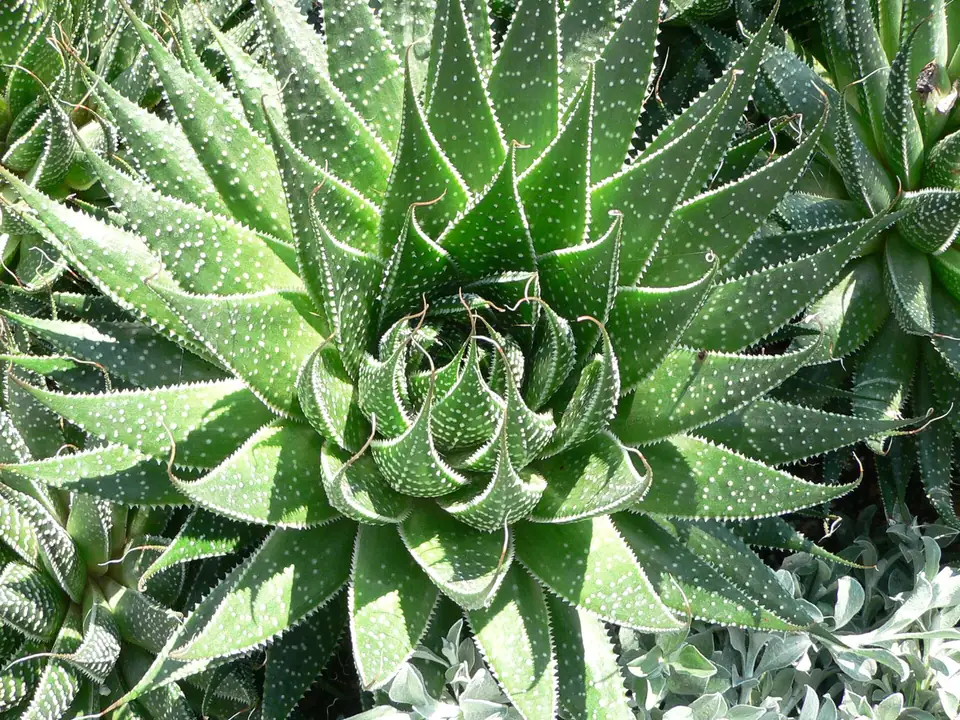
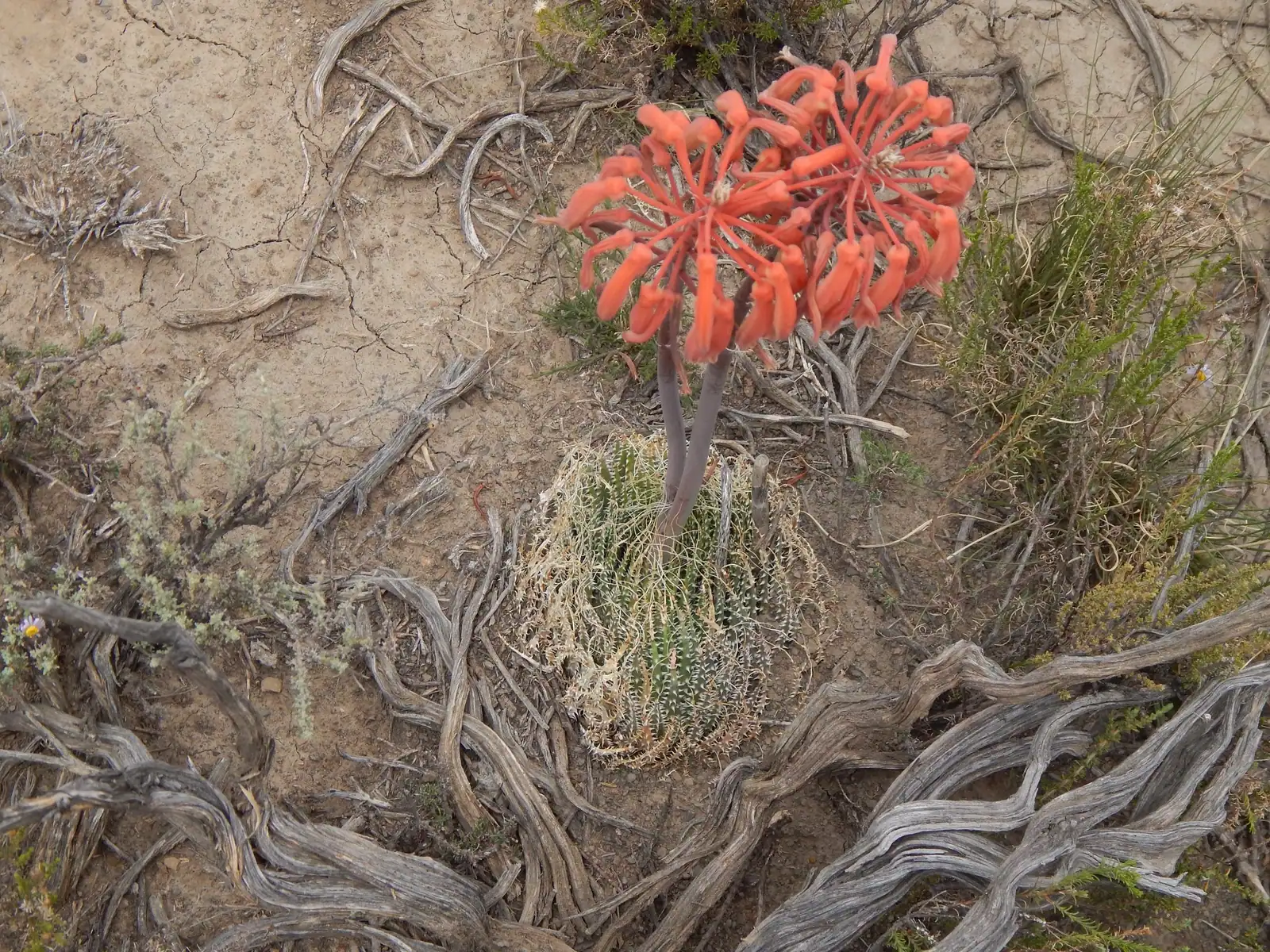
Aristaloe aristata is a succulent perennial native to South Africa, formerly classified as Aloe aristata. [1][4] Separating the pups produced by the parent plant is the simplest way to propagate it. [4]
This record is incomplete: the sources we read do not cover every field yet.
Not yet covered by our sources: Pruning
Aloe aristata care
Measurements in square brackets are our conversion into the other unit system; the quoted text is unchanged.
How to water Aloe aristata
Watering
The sources give different values depending on region, zone or growing conditions.
What each source says
According to Gardener's Path: Water deeply only when the soil is dry to at least 2 inches [5.1 cm] deep
According to Plant Care Today: Let the top half-inch of soil dry between waterings
According to San Bernardino County Public Works: 2 to 4 times a month
What the sources say (3)
According to Gardener's Path: Water deeply but only when the ground or potting mix is dry to at least 2 inches deep.According to Plant Care Today: Allow the top half-inch of soil to dry between watering.According to San Bernardino County Public Works: needing watering only 2 to 4 times a monthWatering notes
Never let plants or pots sit in soggy soil or puddled water; reduce watering in cold winter months
What the sources say (2)
To discourage root rot, never let the plants or pots sit in soggy soil or puddled water.Reduce watering in cold winter months. Fleshy leaves retain water and allow this plant to easily survive drought.How much light Aloe aristata needs
How much cold Aloe aristata can take
Hardiness, coldest zone
7 [winter low −17.8 to −12.2 °C (0 to 10 °F)]
What the sources say (1)
Hardiness (USDA Zone): | 7-10Hardiness, warmest zone
10 [winter low −1.1 to 4.4 °C (30 to 40 °F)]
What the sources say (1)
Hardiness (USDA Zone): | 7-10Best soil for Aloe aristata
Soil pH, minimum
5.5
What the sources say (1)
Soil pH: | 5.5-7.0Soil pH, maximum
7.0
What the sources say (1)
Soil pH: | 5.5-7.0Where to grow Aloe aristata
Indoors
Yes
What the sources say (1)
Grown as a houseplant, A. aristata needs plenty of indirect lightIn containers
Yes
What the sources say (1)
perfect for edging, ground covers, or in potsSpacing
30.5-61.0 cm (1-2 feet)
What the sources say (1)
Spacing: | 1-2 feetHow to propagate Aloe aristata
Offsets (pups); leaf cuttings; seed
What the sources say (3)
dividing pups produced by a parent plant is the simplest way to propagateTo root a cutting instead, use a sanitized knife to cut a leaf off at its base.It is technically possible to propagate A. aristata from seed outdoors in sandy loam or inside in a potting mix.How to grow Aloe aristata
The plant
Life cycle
perennial
What the sources say (1)
The native range of this species is S. Africa. It is a succulent perennial and grows primarily in the subtropical biome.Family
Asphodelaceae
What the sources say (1)
Family Asphodelaceae View Family Tree opens in a new tab - Genus Aristaloe View in Tree of Life opens in a new tab - Species Aristaloe aristataAloe aristata pests and problems
Root rot
Symptom: Fungal rot of the roots in overly soggy soil, which can kill the plant
What to do: Plant in well-draining soil, water only when the top couple of inches are dry, and never let it sit in pooled water
Mealybugs and scale insects
Symptom: The few insect pests the plant attracts, more common indoors
What to do: Isolate affected plants and use a labeled treatment
Remedies
The sources we checked give no remedies for this plant.
Is Aloe aristata poisonous?
Reported by the source, quoted verbatim. This is not medical or veterinary advice: if a person or an animal may have eaten this plant, contact a poison control centre or a veterinarian.
Calendar
Pruning
Not stated in the sources we read.
Months as given by the sources, which are mostly from the United States (northern hemisphere). In the southern hemisphere they shift by about six months.
Indicative values
Values from a secondary source, not checked word for word like the rest of this page. Use them as a starting point.
- Mature height
- 15.2-22.9 cm (0.5-0.75 ft)Indicative value, adapt it to your climate · Secondary source
- Care level
- MediumIndicative value, adapt it to your climate · Secondary source
- Growth rate
- LowIndicative value, adapt it to your climate · Secondary source
- Pruning
- April, June, SeptemberIndicative value, adapt it to your climate · Secondary source
Similar plants
- Aloe vera Aloe vera
- Aloe striata Aloe striata
- Cape aloe Aloe ferox
- Krantz aloe Aloe arborescens
- Soap aloe Aloe maculata
- Asphodeline lutea Asphodeline lutea
- Bulbine frutescens Bulbine frutescens
- Daylily Hemerocallis fulva
Sources
Every value above is quoted from these documents. Links lead to the original publisher.
- Aristaloe aristata (Haw.) Boatwr. & J.C.Manning | Plants of the World Online | Kew Science · powo.science.kew.org, consulted
- January 2023 Plant of the Month: Lace Aloe, Torch Plant – Public Works · specialdistricts.sbcounty.gov, consulted
- Aloe aristata · calflora.net, consulted
- How to Grow and Care for Lace Aloe | Gardener’s Path · gardenerspath.com, consulted
- Aristaloe aristata · llifle.com, consulted
- How to Keep Lace Aloe Compact and Healthy - Houseplant Central · houseplantcentral.com, consulted
- Aloe Aristata Care: Learn Tips On Growing The Lace Aloe · plantcaretoday.com, consulted
Written by Emilio Marruso · last checked