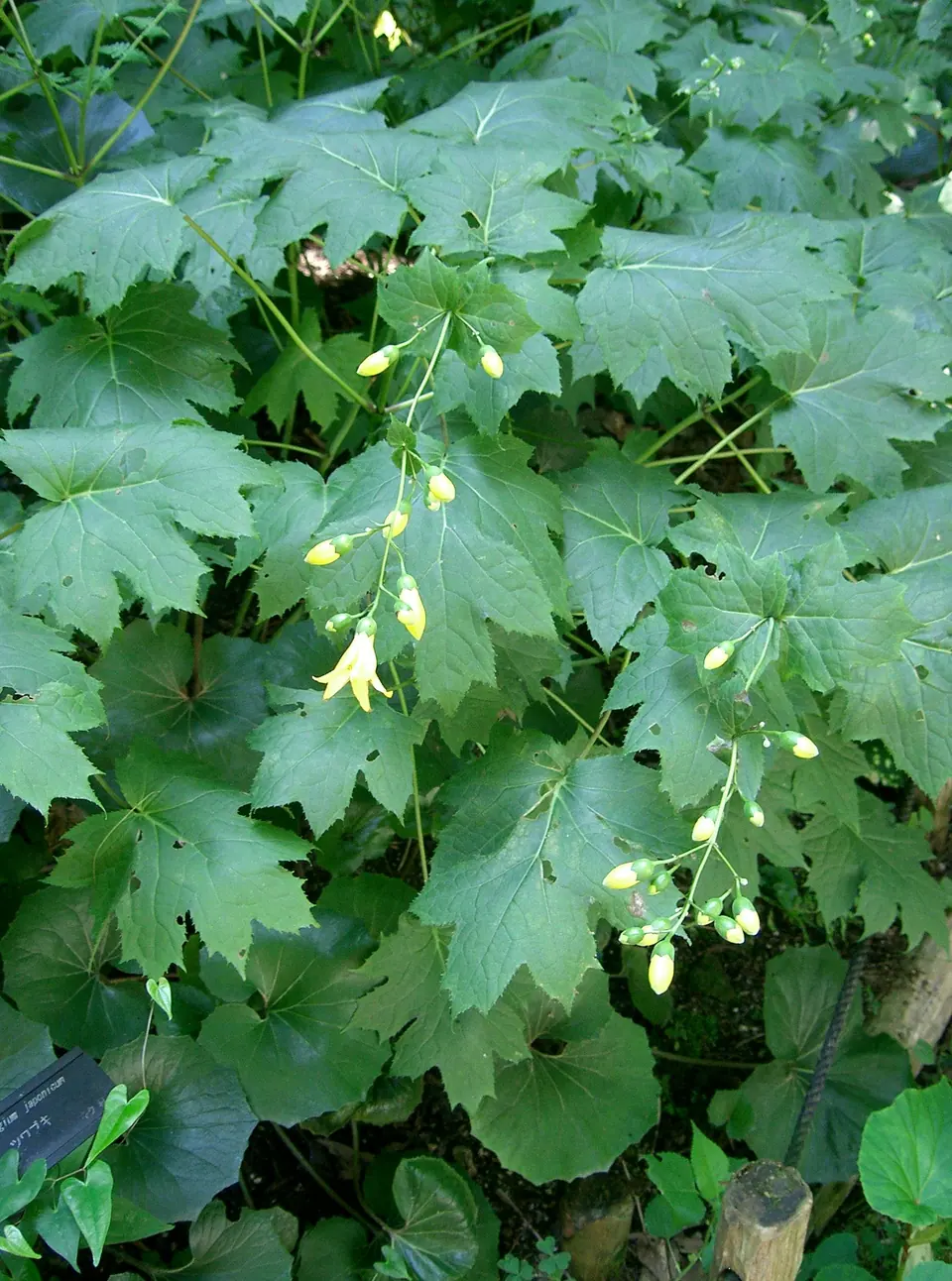
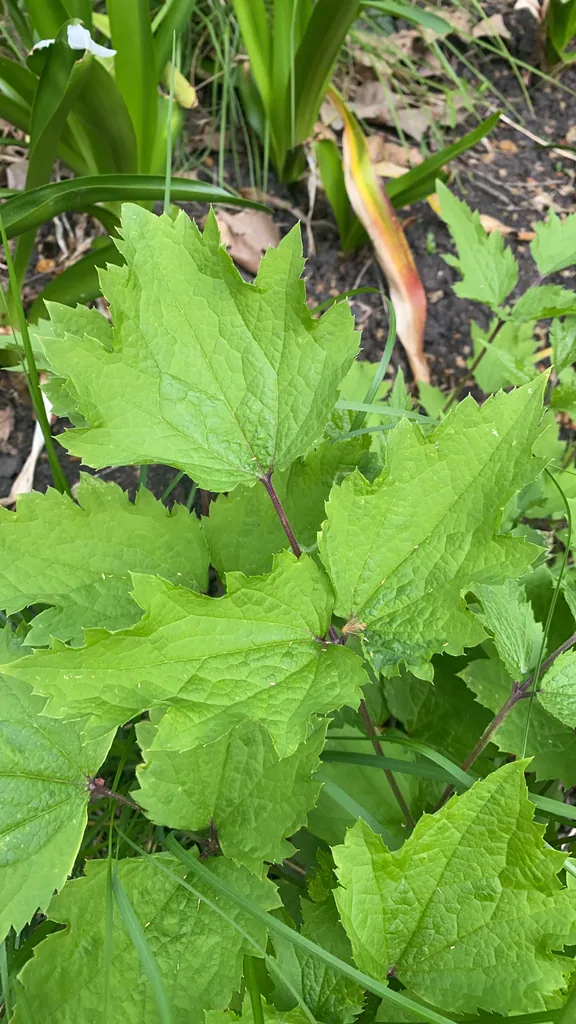

How to Grow and Care for Kirengeshoma palmata
Kirengeshoma palmata
Written by Emilio Marruso · last checked
At a glance
Got a shady corner that needs some life? This plant is happy in part to full shade and can grow 4½–5½ ft tall, filling the space with lush growth. Give it moist, well-drained soil and a drink during dry summer spells. It also grows in containers, and you can easily make more plants from division, cuttings or seeds.
- Sun
Part to full shade
What the sources say (2)
Light: Part to full shade
Plants grow best in part to full shade, in moist, well-drained, humus-rich acid soils.
— Kirengeshoma palmata: A Woodland Perennial with Elegant Late Summer Flowers — Seattle Japanese Garden [4] K. palmata grows well in shade or semi-shade, facing north, east or west.
— Gardening 101: Yellow Wax-Bells - Gardenista [2] - Water
Keep the soil moist; water during dry summer spells or it will suffer
What the sources say (2)
Watering: Moist, well-drained soil
Plants grow best in part to full shade, in moist, well-drained, humus-rich acid soils.
— Kirengeshoma palmata: A Woodland Perennial with Elegant Late Summer Flowers — Seattle Japanese Garden [4] Watering notes: Shows signs of drought stress in a dry summer spell
The plant does show signs of drought stress when we are the beneficiaries of a dry spell during summer.
— Hoverfly magnet – Botanics Stories [3] - Soil
Moist soil that drains well
What the sources say (1)
Watering: Moist, well-drained soil
Plants grow best in part to full shade, in moist, well-drained, humus-rich acid soils.
— Kirengeshoma palmata: A Woodland Perennial with Elegant Late Summer Flowers — Seattle Japanese Garden [4] - Pests
Slugs and snails attack young growth: pick them off or use nematodes
- Size
4½–5½ ft tall
What the sources say (1)
Mature height: 140-170 cm (1.4-1.7 m)
Now in full flower on stems reaching 1.4 – 1.7 metres tall.
— Hoverfly magnet – Botanics Stories [3] - Propagation
Make new plants by division, cuttings or seeds
What the sources say (1)
Propagation: Division, cuttings, seeds
Kirengeshoma is long-lived and easy to grow and propagate – by division, cuttings or seeds.
— Kirengeshoma palmata: A Woodland Perennial with Elegant Late Summer Flowers — Seattle Japanese Garden [4] - Containers
Grows in containers too
What the sources say (1)
In containers: Yes
The soil in my own garden is less than ideal, but it grows happily there in a large container.
— Kirengeshoma palmata: A Woodland Perennial with Elegant Late Summer Flowers — Seattle Japanese Garden [4]
Overview
Kirengeshoma palmata grows best in part to full shade in moist, well-drained, humus-rich acid soils. [4] It shows signs of drought stress during a dry summer spell and may attract slugs and snails when emerging. [3][4]
This record is incomplete: the sources we read do not cover every field yet.
Not yet covered by our sources: Hardiness, warmest zone, Pruning
Kirengeshoma palmata care
How to water Kirengeshoma palmata
Watering
Moist, well-drained soil
What the sources say (1)
Plants grow best in part to full shade, in moist, well-drained, humus-rich acid soils.Watering notes
Shows signs of drought stress in a dry summer spell
What the sources say (1)
The plant does show signs of drought stress when we are the beneficiaries of a dry spell during summer.How much light Kirengeshoma palmata needs
Part to full shade
What the sources say (2)
Plants grow best in part to full shade, in moist, well-drained, humus-rich acid soils.K. palmata grows well in shade or semi-shade, facing north, east or west.How much cold Kirengeshoma palmata can take
Hardiness, coldest zone
The sources give different values depending on region, zone or growing conditions.
What each source says
According to Seattle Japanese Garden: 4-5 [winter low −34.4 to −23.3 °C (−30 to −10 °F)]
According to Gardenista: 7 [winter low −17.8 to −12.2 °C (0 to 10 °F)]
What the sources say (2)
According to Seattle Japanese Garden: It is hardy to USDA Zones 4 or 5 (minimum temperature -30 or -20 degrees F).According to Gardenista: Hardy to Zone 7, enjoys a sheltered position.Hardiness, warmest zone
Not stated in the sources we read.
Where to grow Kirengeshoma palmata
Yes
What the sources say (1)
The soil in my own garden is less than ideal, but it grows happily there in a large container.How to propagate Kirengeshoma palmata
Division, cuttings, seeds
What the sources say (1)
Kirengeshoma is long-lived and easy to grow and propagate – by division, cuttings or seeds.How to grow Kirengeshoma palmata
The plant
Mature height
140-170 cm (1.4-1.7 m)
What the sources say (1)
Now in full flower on stems reaching 1.4 – 1.7 metres tall.Kirengeshoma palmata pests and problems
Slugs and snails
Symptom: Susceptible in the early stages of growth
What to do: Picking them off, or use nematodes.
What the sources say (1)
K. palmata is susceptible to the attentions of slugs and snails in its early stages of growth. Keep an eye on it, picking them off, or use nematodes.
— Gardening 101: Yellow Wax-Bells - Gardenista [2]
Remedies
Each remedy shows what official sources say about it; traditional remedies without an official source are marked as such. Harmful ones are listed so you know to avoid them.
Treating the plant
slugs and snails
handpicking Not verified
Traditional remedy, not verified by an official source.
How: Keep an eye on young growth and pick slugs and snails off.
nematodes Not verified
Traditional remedy, not verified by an official source.
How: Use nematodes against slugs in the early stages of growth.
drought stress
supplemental watering Official source, not independently tested
How: Grow in deep, humus-rich soil and give supplemental water in dry years.
It does best in deep, humus-rich soil and should be provided supplemental water in dry years.
— hort.extension.wisc.edu [5]
Calendar
Pruning
Not stated in the sources we read.
Months as given by the sources, which are mostly from the United States (northern hemisphere). In the southern hemisphere they shift by about six months.
Indicative values
Values from a secondary source, not checked word for word like the rest of this page. Use them as a starting point.
- Life cycle
- Herbaceous PerennialIndicative value, adapt it to your climate · Secondary source
- Hours of sun
- 4-6 hoursIndicative value, adapt it to your climate · Secondary source
- Drought tolerant
- yesIndicative value, adapt it to your climate · Secondary source
- Soil
- Humus rich, Well-drainedIndicative value, adapt it to your climate · Secondary source
- Soil pH
- 5.5-6.5Indicative value, adapt it to your climate · Secondary source
- Growth rate
- HighIndicative value, adapt it to your climate · Secondary source
- Pruning
- February, March, April, MayIndicative value, adapt it to your climate · Secondary source
- Pests
- Slugs, snails, Pest resistant, Disease resistant, Deer resistantIndicative value, adapt it to your climate · Secondary source
Similar plants
- Abraham Trachystemon orientalis
- African Marigold Tagetes erecta
- Alabama Croton Croton alabamensis
- Alpine Currant Ribes alpinum
- Alpine violet Viola labradorica
- Alumroot Heuchera americana
- American Arborvitae Thuja occidentalis
- American Cancer-root Conopholis americana
Sources
Every value above is quoted from these documents. Links lead to the original publisher.
- Kirengeshoma - Fine Gardening · finegardening.com, consulted
- Gardening 101: Yellow Wax-Bells - Gardenista · gardenista.com, consulted
- Hoverfly magnet – Botanics Stories · stories.rbge.org.uk, consulted
- Kirengeshoma palmata: A Woodland Perennial with Elegant Late Summer Flowers — Seattle Japanese Garden · seattlejapanesegarden.org, consulted
- hort.extension.wisc.edu · hort.extension.wisc.edu
Written by Emilio Marruso · last checked