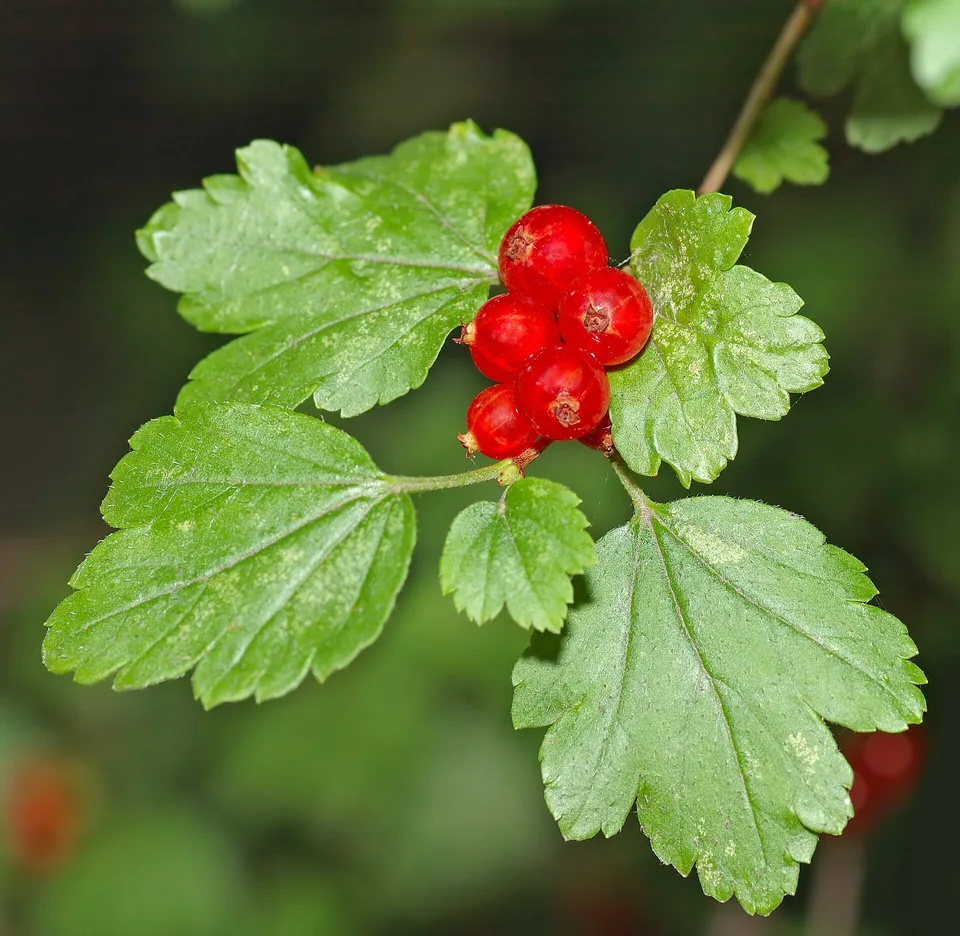
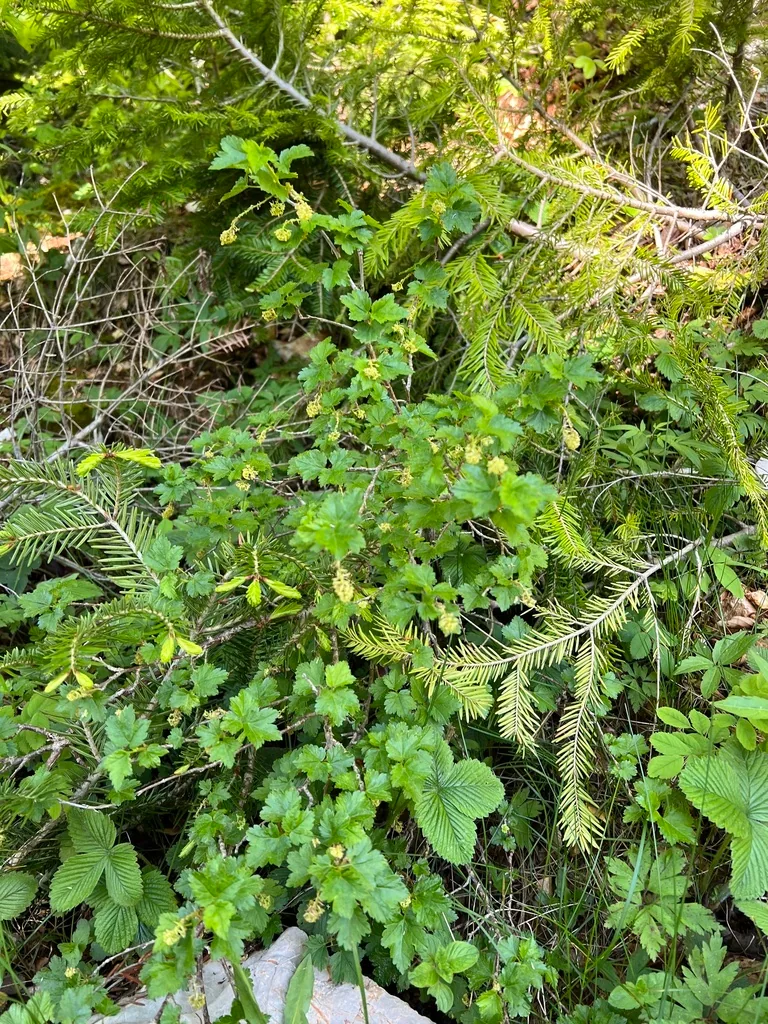

How to Grow and Care for Alpine Currant
Ribes alpinum
Written by Emilio Marruso · last checked
At a glance
Alpine currant is a forgiving shrub that fits almost any corner of the garden, from full sun to deep shade. It likes moist, well-drained soil, yet once established it copes with some drought. You can grow new plants from stem cuttings. Before planting, check your local rules, because female plants can host white pine blister rust.
- Sun
Anywhere from full sun to deep shade
What the sources say (2)
Light: Full sun to deep shade
Grow this plant in full sun to deep shade in average moist well-drained alkaline soils. It is tolerant of rocky and clay soils and is somewhat drought tolerant once established.
— Ribes alpinum (Alpine Current, Mountain Current) | North Carolina Extension Gardener Plant Toolbox [1] Culture Full sun to shade; moist, well-drained soil is best, but tolerates some dryness; tolerates alkaline soils.
— Alpine Currant (Ribes alpinum)-Hort Answers - University of Illinois Extension [3] - Water
Keep the soil moist but well drained; once settled in, it handles some drought
What the sources say (2)
Watering: Moist, well-drained soil is best; somewhat drought tolerant once established
Grow this plant in full sun to deep shade in average moist well-drained alkaline soils. It is tolerant of rocky and clay soils and is somewhat drought tolerant once established.
— Ribes alpinum (Alpine Current, Mountain Current) | North Carolina Extension Gardener Plant Toolbox [1] Culture Full sun to shade; moist, well-drained soil is best, but tolerates some dryness; tolerates alkaline soils.
— Alpine Currant (Ribes alpinum)-Hort Answers - University of Illinois Extension [3] - Cold
Survives winters down to −50 °F (−45.6 °C)
Very hardy · USDA 2a · RHS H7 · Z2
What the sources say (2)
Hardiness, coldest zone: 2a [winter low −45.6 to −42.8 °C (−50 to −45 °F)]
USDA Plant Hardiness Zone: 2a, 2b, 3a, 3b, 4a, 4b, 5a, 5b, 6a, 6b, 7a, 7b
— Ribes alpinum (Alpine Current, Mountain Current) | North Carolina Extension Gardener Plant Toolbox [1] Hardiness, warmest zone: 7b [winter low −15 to −12.2 °C (5 to 10 °F)]
USDA Plant Hardiness Zone: 2a, 2b, 3a, 3b, 4a, 4b, 5a, 5b, 6a, 6b, 7a, 7b
— Ribes alpinum (Alpine Current, Mountain Current) | North Carolina Extension Gardener Plant Toolbox [1] - Pests
Aphids, scales and bud mites; in humid climates, leaf spots, rust and anthracnose
What the sources say (2)
Pests: aphids, current bud mite, scales
Insects, Diseases, and Other Plant Problems : Aphids, current bud mite, and scales are occasional pests.
— Ribes alpinum (Alpine Current, Mountain Current) | North Carolina Extension Gardener Plant Toolbox [1] Diseases: leaf spots, rust, anthracnose, white pine blister rust (alternate host)
In humid, wet climates leaf spots, rust, and anthracnose can be a problem. Female plants are an alternative host for white pine blister rust.
— Ribes alpinum (Alpine Current, Mountain Current) | North Carolina Extension Gardener Plant Toolbox [1] - Watch out
Female plants can host white pine blister rust: check local rules before planting
What the sources say (1)
Diseases: leaf spots, rust, anthracnose, white pine blister rust (alternate host)
In humid, wet climates leaf spots, rust, and anthracnose can be a problem. Female plants are an alternative host for white pine blister rust.
— Ribes alpinum (Alpine Current, Mountain Current) | North Carolina Extension Gardener Plant Toolbox [1] - Propagation
Grow new plants from stem cuttings
What the sources say (1)
Propagation: Stem cutting
Recommended Propagation Strategy: Stem Cutting
— Ribes alpinum (Alpine Current, Mountain Current) | North Carolina Extension Gardener Plant Toolbox [1]
Overview
Alpine currant is a dense, rounded deciduous shrub that reaches 5-6 feet [1.5–1.8 m] tall and wide. [1] It grows in full sun to deep shade in moist, well-drained soil and is somewhat drought tolerant once established. [1] All Ribes are prohibited in North Carolina because they host white pine blister rust, and planting is illegal in some parts of the country. [1][3]
This record is incomplete: the sources we read do not cover every field yet.
Not yet covered by our sources: Pruning
Alpine Currant care
Measurements in square brackets are our conversion into the other unit system; the quoted text is unchanged.
How to water Alpine Currant
Moist, well-drained soil is best; somewhat drought tolerant once established
What the sources say (2)
Grow this plant in full sun to deep shade in average moist well-drained alkaline soils. It is tolerant of rocky and clay soils and is somewhat drought tolerant once established.Culture
Full sun to shade; moist, well-drained soil is best, but tolerates some dryness; tolerates alkaline soils.How much light Alpine Currant needs
Full sun to deep shade
What the sources say (2)
Grow this plant in full sun to deep shade in average moist well-drained alkaline soils. It is tolerant of rocky and clay soils and is somewhat drought tolerant once established.Culture
Full sun to shade; moist, well-drained soil is best, but tolerates some dryness; tolerates alkaline soils.How much cold Alpine Currant can take
Hardiness, coldest zone
2a [winter low −45.6 to −42.8 °C (−50 to −45 °F)]
What the sources say (1)
USDA Plant Hardiness Zone:
2a, 2b, 3a, 3b, 4a, 4b, 5a, 5b, 6a, 6b, 7a, 7bHardiness, warmest zone
7b [winter low −15 to −12.2 °C (5 to 10 °F)]
What the sources say (1)
USDA Plant Hardiness Zone:
2a, 2b, 3a, 3b, 4a, 4b, 5a, 5b, 6a, 6b, 7a, 7bHow to propagate Alpine Currant
Stem cutting
What the sources say (1)
Recommended Propagation Strategy:
Stem CuttingHow to grow Alpine Currant
The plant
Family
Grossulariaceae
What the sources say (1)
Genus:
Ribes
Species:
alpinum
Family:
Grossulariaceae
Life Cycle:
WoodyMature height
Pests and diseases
Pests
aphids, current bud mite, scales
What the sources say (1)
Insects, Diseases, and Other Plant Problems : Aphids, current bud mite, and scales are occasional pests.Diseases
leaf spots, rust, anthracnose, white pine blister rust (alternate host)
What the sources say (1)
In humid, wet climates leaf spots, rust, and anthracnose can be a problem. Female plants are an alternative host for white pine blister rust.Alpine Currant pests and problems
White pine blister rust
Symptom: Female plants are an alternative host for white pine blister rust; in humid, wet climates leaf spots, rust, and anthracnose can be a problem
What to do: Check with local authorities before planting; in North Carolina all Ribes are prohibited
What the sources say (2)
Female plants are an alternative host for white pine blister rust. All Ribes are prohibited in North Carolina at this time.
— Ribes alpinum (Alpine Current, Mountain Current) | North Carolina Extension Gardener Plant Toolbox [1] In some parts of the country, the planting of Ribes species is illegal, due to the fact some species are alternate hosts for white pine blister rust. Check with local authorities before planting.
— Alpine Currant (Ribes alpinum)-Hort Answers - University of Illinois Extension [3]
Remedies
Each remedy shows what official sources say about it; traditional remedies without an official source are marked as such. Harmful ones are listed so you know to avoid them.
Treating the plant
aphids
squashing colonies by hand Official source, not independently tested
How: Use finger and thumb to squash aphid colonies where practical.
Use finger and thumb to squash aphid colonies where practical
— rhs.org.uk [4] insecticidal soap spray Works
How: Spray insecticidal soap on the undersides of the leaves as soon as the aphids appear.
Sprays of insecticidal soap, ultrafine horticultural oil or malathion, which are among the compounds registered for control of this pest in Connecticut, may be applied to the undersides of the leaves as soon as the aphids appear.
— portal.ct.gov [5] What the evidence says insecticidal soap is a safe, effective organic insecticide with minimal environmental impact.
— extension.psu.edu [6]
imported currantworm
picking off infested leaves Official source, not independently tested
How: Pick off infested leaves and destroy larvae. Remove and destroy badly infested canes.
Home gardeners: Pick off infested leaves and destroy larvae. Remove and destroy badly infested canes.
— pnwhandbooks.org [7]
anthracnose
raking and removing infected leaves Official source, not independently tested
How: Rake and remove infected leaves and fruit; keep good air circulation and plant vigor.
Control can be achieved by raking and removing of infected leaves and fruit. It is also important to maintain good air circulation and maximize plant vigor.
— portal.ct.gov [5]
powdery mildew
pruning out infected shoots Official source, not independently tested
How: Prune and remove infected shoots.
Control can be achieved by pruning and removing of infected shoots.
— portal.ct.gov [5]
currant borer
cutting off and burning sickly canes Official source, not independently tested
How: Sickly canes may be cut off and burned, if allowed, before June 1.
Sickly canes may be cut off and burned, if allowed, before June 1.
— portal.ct.gov [5]
currant stem girdler
clipping off and burning cane tips Official source, not independently tested
How: Clip off and burn the tips of the canes.
The only known remedy is to clip off and burn the tips of the canes.
— portal.ct.gov [5]
Calendar
Pruning
Not stated in the sources we read.
Months as given by the sources, which are mostly from the United States (northern hemisphere). In the southern hemisphere they shift by about six months.
Indicative values
Values from a secondary source, not checked word for word like the rest of this page. Use them as a starting point.
- Life cycle
- PerennialIndicative value, adapt it to your climate · Secondary source
- Hours of sun
- 2-4 hoursIndicative value, adapt it to your climate · Secondary source
- Soil
- Well-drainedIndicative value, adapt it to your climate · Secondary source
- Soil pH
- 6-7.5Indicative value, adapt it to your climate · Secondary source
- Care level
- MediumIndicative value, adapt it to your climate · Secondary source
- Growth rate
- ModerateIndicative value, adapt it to your climate · Secondary source
- Pruning
- May, February, March, AprilIndicative value, adapt it to your climate · Secondary source
Similar plants
- Flowering Currant Ribes sanguineum
- Ribes nidigrolaria Ribes nidigrolaria
- Redcurrant Ribes rubrum
- Gooseberry Ribes uva-crispa
- Golden currant Ribes aureum
- European black currant Ribes nigrum
- Abies grandis Abies grandis
- Abraham Trachystemon orientalis
Sources
Every value above is quoted from these documents. Links lead to the original publisher.
- Ribes alpinum (Alpine Current, Mountain Current) | North Carolina Extension Gardener Plant Toolbox · plants.ces.ncsu.edu, consulted
- Alpine Currant (Ribes alpinum) - Selecting Shrubs for Your Home - University of Illinois Extension · web.extension.illinois.edu, consulted
- Alpine Currant (Ribes alpinum)-Hort Answers - University of Illinois Extension · web.extension.illinois.edu, consulted
- rhs.org.uk · rhs.org.uk
- portal.ct.gov · portal.ct.gov
- extension.psu.edu · extension.psu.edu
- pnwhandbooks.org · pnwhandbooks.org
Written by Emilio Marruso · last checked