
How to Grow and Care for Western larch
Larix occidentalis
Written by Emilio Marruso · last checked
At a glance
Western larch is a sun lover that you can grow from seed, sown in fall or spring. Give it full sun and keep its soil moist, away from drought and heat. In spring its sap can be boiled down into a sweet syrup, and its gum, very soluble in water, is even used for chewing.
- Sun
Full sun; it does not tolerate shade
- Water
Keep the soil moist; protect it from drought and heat
- Cold
Survives winters down to −30 °F (−34.4 °C)
Very hardy · USDA 4 · RHS H7 · Z4
- Harvest
Spring sap boils down into a sweet syrup; the gum can be chewed
- Propagation
By seed; cuttings are not a proven method yet
What the sources say (1)
Propagation: Seed; cuttings rooted by researchers but methods not fully tested
Seed. Cuttings have been successfully rooted by researchers
— Plant Data Sheet [2] - Sowing
Sow in fall or spring; cover fall-sown seed with mulch
What the sources say (1)
Sowing: Fall or spring (fall-sown seed covered with mulch)
Sow in the fall or spring and cover with not more than 0.5 cm of soil.
— Plant Data Sheet [2]
Overview
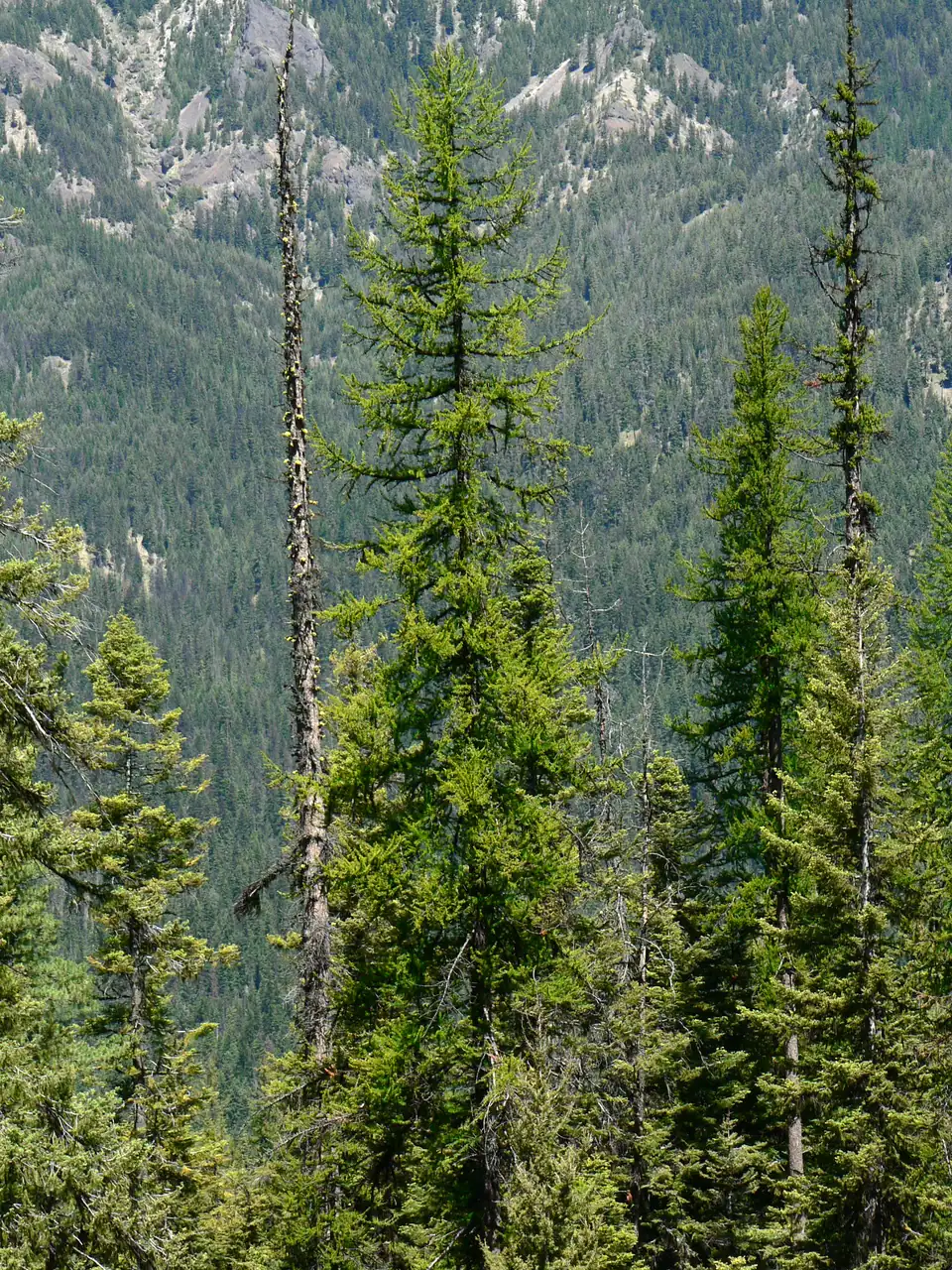
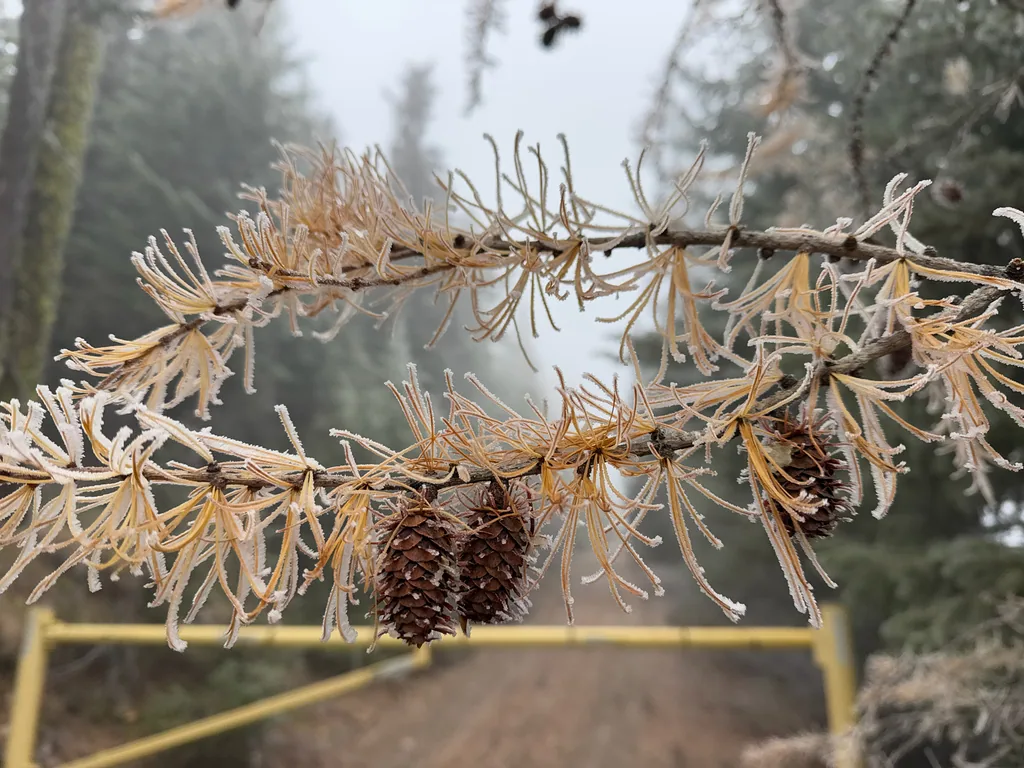
Western larch is a large deciduous conifer that grows rapidly and soon becomes too large for the average garden. [1] It is shade intolerant and prefers an open position in light, well-drained soil. [2][3] It is propagated mainly by seed. [2]
This record is incomplete: the sources we read do not cover every field yet.
Not yet covered by our sources: Hardiness, warmest zone, Pruning
Western larch care
How to water Western larch
Watering
Moist soil
What the sources say (1)
Sun, moist, light soilWatering notes
Keep soil from drought and high temperature
What the sources say (1)
Keep
soil from drought and high temperature.How much light Western larch needs
How much cold Western larch can take
Hardiness, coldest zone
4 [winter low −34.4 to −28.9 °C (−30 to −20 °F)]
Hardiness, warmest zone
Not stated in the sources we read.
How to propagate Western larch
Seed; cuttings rooted by researchers but methods not fully tested
What the sources say (1)
Seed. Cuttings have been successfully rooted by researchersHow to grow Western larch
The plant
Family
Pinaceae
What the sources say (1)
Family: Pinaceae Genus: Larix Type: Conifer Native to (or naturalized in) Oregon:Remedies
Each remedy shows what official sources say about it; traditional remedies without an official source are marked as such. Harmful ones are listed so you know to avoid them.
Treating the plant
larch sawfly
raking up and burning cocoons Not verified
Traditional remedy, not verified by an official source.
How: rake up and burn cocoons and debris from beneath the trees in the spring, on a few ornamental trees
picking off larvae by hand Not verified
Traditional remedy, not verified by an official source.
How: pick off and destroy the larvae on small trees when they are first noticed
needle cast
raking and disposing of fallen needles Official source, not independently tested
How: rake and dispose of fallen needles, keep the trees vigorous with adequate water in dry periods and fertilization in spring
localized damage. Rake and dispose of fallen needles to reduce the chance of infection in the following season, and maintain vigor of the trees with adequate water during dry periods and fertilization in the spring.
— portal.ct.gov [7]
Calendar
Sowing
Fall or spring (fall-sown seed covered with mulch)
What the sources say (1)
Sow
in the fall or spring and cover with not more than 0.5 cm of soil.Pruning
Not stated in the sources we read.
Months as given by the sources, which are mostly from the United States (northern hemisphere). In the southern hemisphere they shift by about six months.
Edibility
Reported by the source, quoted verbatim. Do not eat a plant on the basis of this page alone: identification mistakes can be dangerous.
Indicative values
Values from a secondary source, not checked word for word like the rest of this page. Use them as a starting point.
- Life cycle
- PerennialIndicative value, adapt it to your climate · Secondary source
- Soil
- Well-drainedIndicative value, adapt it to your climate · Secondary source
- Soil pH
- 5.5-6.5Indicative value, adapt it to your climate · Secondary source
- Care level
- MediumIndicative value, adapt it to your climate · Secondary source
- Growth rate
- ModerateIndicative value, adapt it to your climate · Secondary source
- Pruning
- February, February, March, August, July, August, December, January, February, August, December, January, February, August, AugustIndicative value, adapt it to your climate · Secondary source
- Pests
- Drought resistantIndicative value, adapt it to your climate · Secondary source
Similar plants
- European Larch Larix decidua
- Japanese Larch Larix kaempferi
- Tamarack Larix laricina
- Dahurian Larch Larix gmelinii
- Abies grandis Abies grandis
- Aleppo Pine Pinus halepensis
- Alpine Fir Abies lasiocarpa
- Armand Pine Pinus armandi
Sources
Every value above is quoted from these documents. Links lead to the original publisher.
- Larix occidentalis | Landscape Plants | Oregon State University · landscapeplants.oregonstate.edu, consulted
- Plant Data Sheet · depts.washington.edu, consulted
- Larix occidentalis - Useful Temperate Plants · temperate.theferns.info, consulted
- Larix occidentalis - Trees and Shrubs Online · treesandshrubsonline.org, consulted
- Virginia Tech Dendrology Fact Sheet · dendro.cnre.vt.edu, consulted
- Conifer Database - occidentalis · conifersociety.org, consulted
- portal.ct.gov · portal.ct.gov
Written by Emilio Marruso · last checked