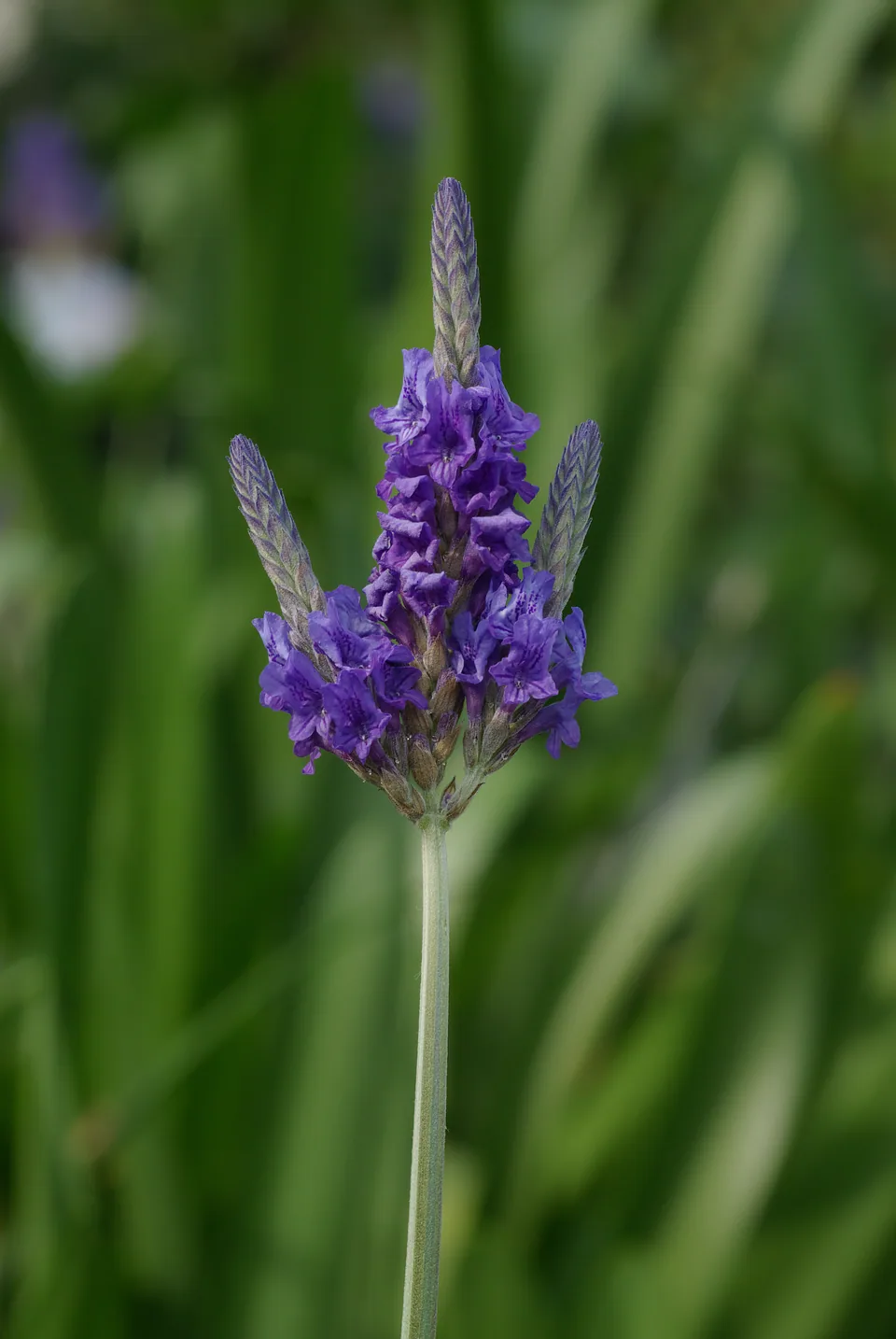
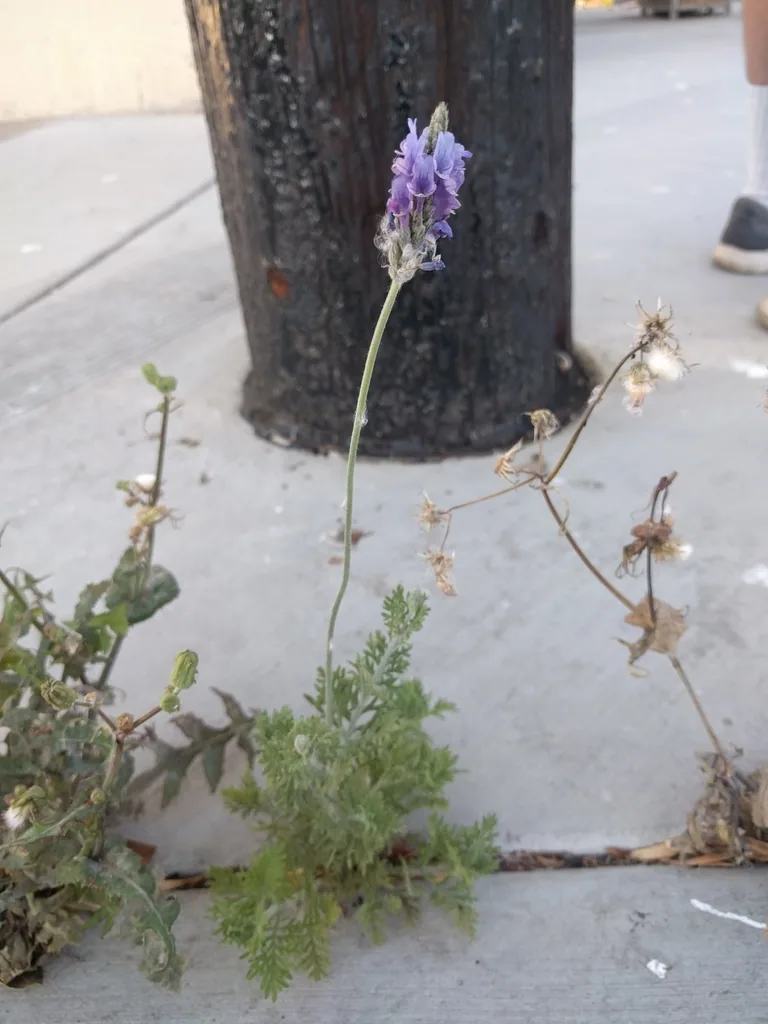

How to Grow and Care for Lavandula multifida
Lavandula multifida
Written by Emilio Marruso · last checked
At a glance
This lavender, a member of the mint family, loves a warm, sunny spot. Sow the seeds in a greenhouse in spring, or root half-ripe cuttings with a heel to make new plants. Then set them out in late spring, once the last frosts are behind you, and give them all the sunshine you can.
- Sun
A warm, sunny spot
What the sources say (1)
Light: Warm, sunny position
Requires a warm, sunny position in a very well-drained soil
— Lavandula multifida - Useful Temperate Plants [1] - Planting
Plant out in late spring, after the last frosts
What the sources say (1)
Planting: Late spring, after the last expected frosts
planting them out in late spring after the last expected frosts
— Lavandula multifida - Useful Temperate Plants [1] - Propagation
From seed, or from half-ripe cuttings with a bit of old stem at the base
What the sources say (2)
- Sowing
Sow in spring, in a greenhouse
What the sources say (1)
Sowing: Spring (sown in a greenhouse)
Seed - sow spring in a greenhouse and only just cover the seed
— Lavandula multifida - Useful Temperate Plants [1]
Overview
Lavandula multifida is a short-lived perennial with stems that become woody near the base. [1] It requires a warm, sunny position in very well-drained soil. [1] Its native range runs from southern Portugal to southwest Italy and from North Africa to northeast Sudan. [3]
This record is incomplete: the sources we read do not cover every field yet.
Not yet covered by our sources: Watering, Hardiness, coldest zone, Hardiness, warmest zone, Pruning
Lavandula multifida care
How to water Lavandula multifida
Not stated in the sources we read.
How much light Lavandula multifida needs
Warm, sunny position
What the sources say (1)
Requires a warm, sunny position in a very well-drained soilHow much cold Lavandula multifida can take
Hardiness, coldest zone
Not stated in the sources we read.
Hardiness, warmest zone
Not stated in the sources we read.
How to propagate Lavandula multifida
How to grow Lavandula multifida
The plant
Family
Lamiaceae
What the sources say (1)
El género Lavandula L., pertenece a la familia Lamiaceae (Labiatae).Remedies
Each remedy shows what official sources say about it; traditional remedies without an official source are marked as such. Harmful ones are listed so you know to avoid them.
Treating the plant
root rot
well-drained sunny site and no overwatering Official source, not independently tested
How: Plant in sunny locations with well-drained soils, avoid high levels of organic matter that retain moisture and do not overwater.
Do not incorporate high levels of organic matter that retain moisture around plants.
— pnwhandbooks.org [5] removing diseased plants Official source, not independently tested
How: Promptly remove diseased plants, avoid splashing water when irrigating and keep hose ends off the floor.
Promptly remove diseased plants, avoid splashing water when irrigating and keep hose ends off the floor.
— umass.edu [6]
Calendar
Sowing
Spring (sown in a greenhouse)
What the sources say (1)
Seed - sow spring in a greenhouse and only just cover the seedPlanting
Late spring, after the last expected frosts
What the sources say (1)
planting them out in late spring after the last expected frostsPruning
Not stated in the sources we read.
Months as given by the sources, which are mostly from the United States (northern hemisphere). In the southern hemisphere they shift by about six months.
Indicative values
Values from a secondary source, not checked word for word like the rest of this page. Use them as a starting point.
- Life cycle
- Herbaceous PerennialIndicative value, adapt it to your climate · Secondary source
- Mature height
- 30.5-61 cm (1-2 ft)Indicative value, adapt it to your climate · Secondary source
- Hours of sun
- 6-8 hoursIndicative value, adapt it to your climate · Secondary source
- Watering
- MinimumIndicative value, adapt it to your climate · Secondary source
- Drought tolerant
- yesIndicative value, adapt it to your climate · Secondary source
- Soil pH
- 6-8Indicative value, adapt it to your climate · Secondary source
- USDA hardiness zones
- 8-10 [winter low −12.2 to 4.4 °C (10 to 40 °F)]Indicative value, adapt it to your climate · Secondary source
- Care level
- MediumIndicative value, adapt it to your climate · Secondary source
- Growth rate
- LowIndicative value, adapt it to your climate · Secondary source
- Pruning
- March, April, March, April, May, June, July, August, SeptemberIndicative value, adapt it to your climate · Secondary source
Similar plants
- Lavender Lavandula angustifolia
- Spanish Lavender Lavandula stoechas
- French lavender Lavandula dentata
- Anise Sage Salvia guaranitica
- Apple mint Mentha suaveolens
- Arrowleaf Sage Salvia sagittata
- Autumn Sage Salvia greggii
- Beach Vitex Vitex rotundifolia
Sources
Every value above is quoted from these documents. Links lead to the original publisher.
- Lavandula multifida - Useful Temperate Plants · temperate.theferns.info, consulted
- Traditional Applications, Phytochemical Constituents, and Pharmacological Properties of Lavandula multifida L.: A Review - PMC · ncbi.nlm.nih.gov, consulted
- Lavandula multifida L. | Plants of the World Online | Kew Science · powo.science.kew.org, consulted
-  · uv.es, consulted
- pnwhandbooks.org · pnwhandbooks.org
- umass.edu · umass.edu
Written by Emilio Marruso · last checked