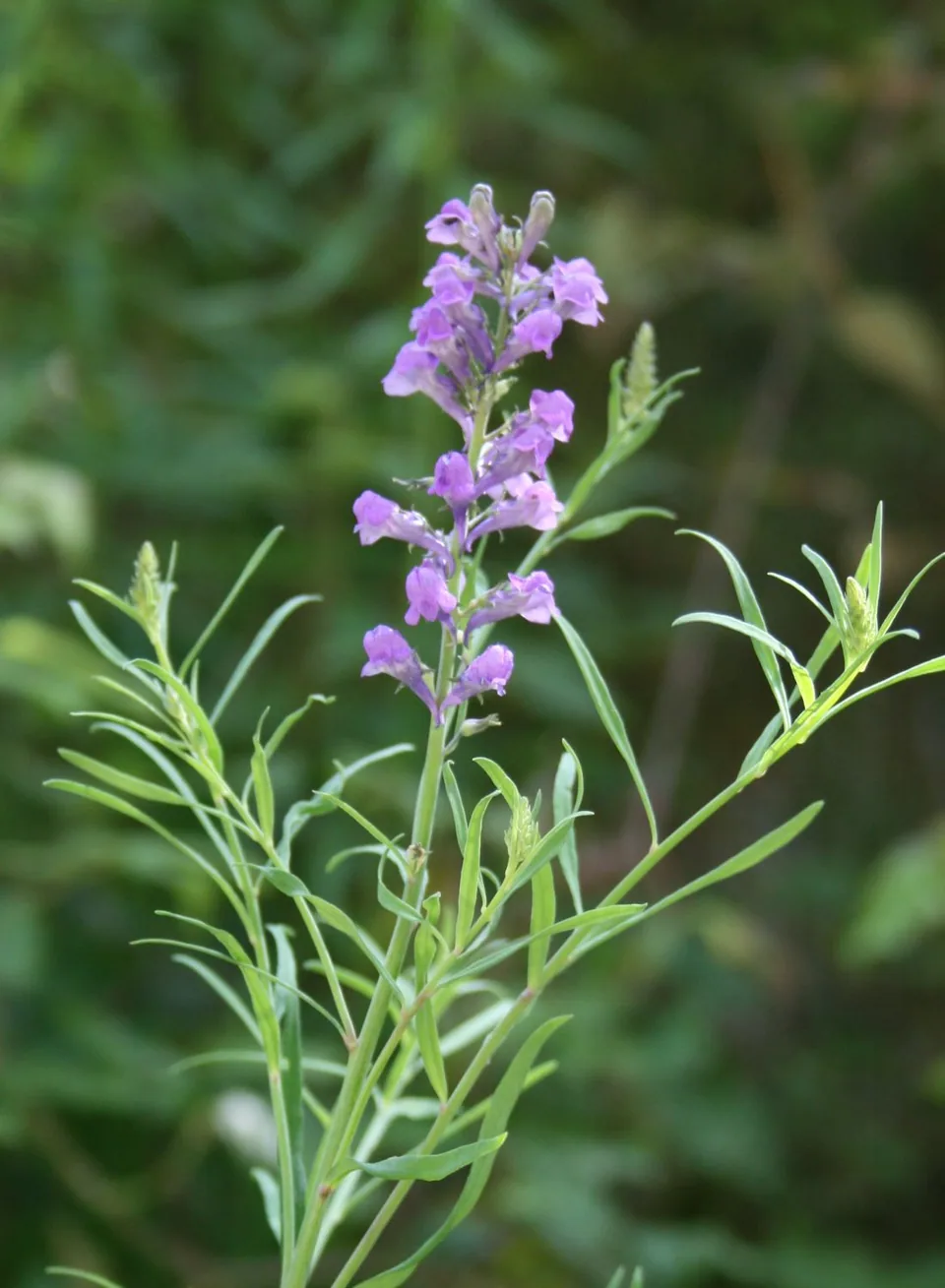
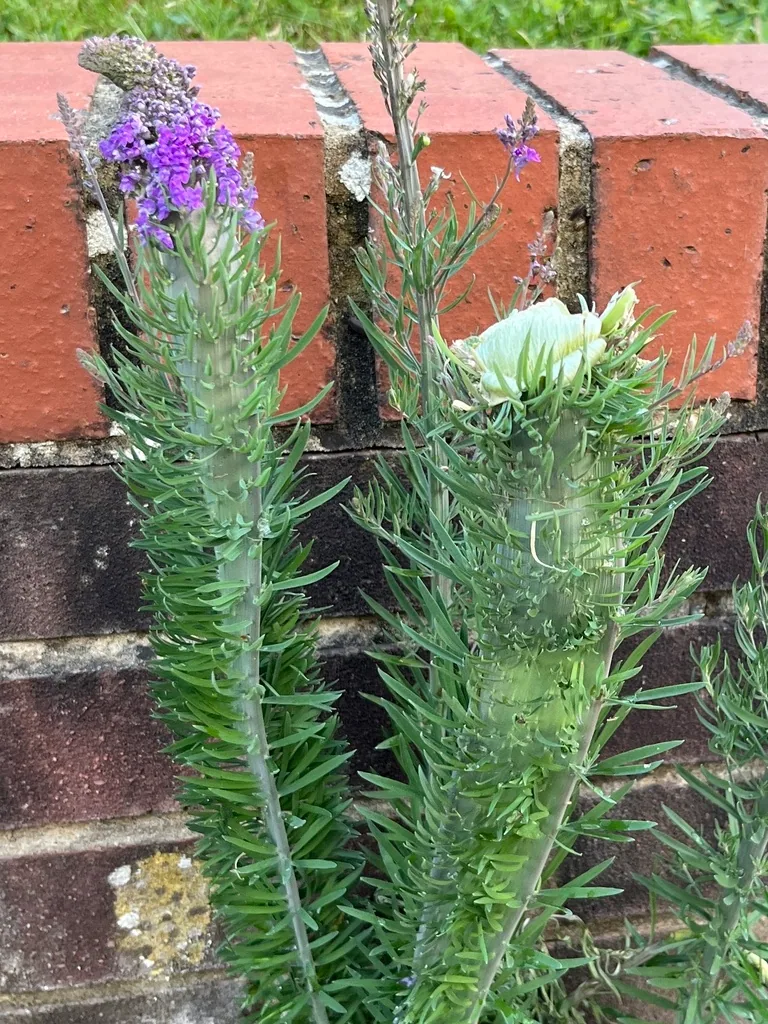

How to Grow and Care for Purple Toadflax
Linaria purpurea
Written by Emilio Marruso · last checked
At a glance
Purple toadflax is a perennial that asks for very little: a spot in full sun, well-drained soil and hardly any water. Sow it in March–April or September–October, or set plants out in May–June, and it can grow up to 3 ft tall. It's a low-water choice that brings height to a sunny corner of the garden.
- Sun
Full sun
What the sources say (1)
Light: Full sun
For best results grow in well-drained soil in full sun.
— Linaria purpurea | BBC Gardeners World Magazine [3] - Water
Needs very little water
What the sources say (1)
Watering: Requires very little water
Its popularity stems from the combination of remarkable hardiness, requiring very little water and tolerating poor soils
— Linaria purpurea (L.) Mill. – Giardino della Flora Appenninica [1] - Soil
Well-drained soil
What the sources say (1)
Watering notes: Grow in well-drained soil
Grow Linaria purpurea in an herbaceous border or gravel garden, where it will quickly naturalise. For best results grow in well-drained soil in full sun.
— Linaria purpurea | BBC Gardeners World Magazine [3] - Planting
Plant out in May–June
What the sources say (1)
Planting: May-June
| | Jan | Feb | Mar | Apr | May | Jun | Jul | Aug | Sep | Oct | Nov | Dec | Sow | | | yes | yes | | | | | yes | yes | | | Plant | | | | | yes | yes | | | | | |
— Linaria purpurea | BBC Gardeners World Magazine [3] - Size
Up to 3 ft tall
What the sources say (1)
Mature height: up to nearly 100 cm [39 in] (nearly 1 m [3.3 ft])
Habit: A perennial herb that may reach nearly 1 m in height.
— Linaria purpurea (L.) Mill. – Giardino della Flora Appenninica [1] - Sowing
Sow in March–April or September–October
What the sources say (1)
Sowing: March-April; September-October
| | Jan | Feb | Mar | Apr | May | Jun | Jul | Aug | Sep | Oct | Nov | Dec | Sow | | | yes | yes | | | | | yes | yes | |
— Linaria purpurea | BBC Gardeners World Magazine [3]
Overview
Linaria purpurea is a perennial herb endemic to central-southern Italy and Sicily, growing on cliffs, screes, embankments and roadsides. [1] It is valued as an ornamental for needing very little water, tolerating poor soils and flowering for a long period. [1] It is grown in herbaceous borders or gravel gardens in well-drained soil and full sun, and attracts bees and butterflies. [3]
This record is incomplete: the sources we read do not cover every field yet.
Not yet covered by our sources: Hardiness, coldest zone, Hardiness, warmest zone, Pruning, Propagation
Purple Toadflax care
How to water Purple Toadflax
Watering
Requires very little water
What the sources say (1)
Its popularity stems from the combination of remarkable hardiness, requiring very little water and tolerating poor soilsWatering notes
Grow in well-drained soil
What the sources say (1)
Grow Linaria purpurea in an herbaceous border or gravel garden, where it will quickly naturalise. For best results grow in well-drained soil in full sun.How much light Purple Toadflax needs
Full sun
What the sources say (1)
For best results grow in well-drained soil in full sun.How much cold Purple Toadflax can take
Hardiness, coldest zone
Not stated in the sources we read.
Hardiness, warmest zone
Not stated in the sources we read.
How to propagate Purple Toadflax
Not stated in the sources we read.
How to grow Purple Toadflax
The plant
Life cycle
perennial
What the sources say (1)
Habit: A perennial herb that may reach nearly 1 m in height.Family
Plantaginaceae
What the sources say (1)
Common name: Purple Toadflax Family: Plantaginaceae Biological form: Emicriptofita scaposaMature height
up to nearly 100 cm [39 in] (nearly 1 m [3.3 ft])
What the sources say (1)
Habit: A perennial herb that may reach nearly 1 m in height.Remedies
Each remedy shows what official sources say about it; traditional remedies without an official source are marked as such. Harmful ones are listed so you know to avoid them.
Treating the plant
aphids
weed removal around plants Not verified
Traditional remedy, not verified by an official source.
How: Keep weeds to an absolute minimum, especially around desirable plants.
lady bugs and lacewings Works
How: Lady bugs and lacewings feed on aphids in the garden.
Lady bugs and lacewings will feed on aphids in the garden.
— backyardgardener.com [5] What the evidence says Beneficial insects such as ladybugs eat aphids, which are pests.
— extension.psu.edu [6]
Calendar
March-April; September-October
What the sources say (1)
| | Jan | Feb | Mar | Apr | May | Jun | Jul | Aug | Sep | Oct | Nov | Dec
| Sow | | | yes | yes | | | | | yes | yes | |May-June
What the sources say (1)
| | Jan | Feb | Mar | Apr | May | Jun | Jul | Aug | Sep | Oct | Nov | Dec
| Sow | | | yes | yes | | | | | yes | yes | |
| Plant | | | | | yes | yes | | | | | |Not stated in the sources we read.
Months as given by the sources, which are mostly from the United States (northern hemisphere). In the southern hemisphere they shift by about six months.
Similar plants
- Blue Toadflax Linaria canadensis
- Butter and Eggs Linaria vulgaris
- Toadflax Linaria maroccana
- Angelonia Angelonia angustifolia
- Birdeye Speedwell Veronica persica
- Brazilian Snapdragon Achetaria azurea
- Coral Plant Russelia equisetiformis
- Creeping Gloxinia Lophospermum erubescens
Sources
Every value above is quoted from these documents. Links lead to the original publisher.
- Linaria purpurea (L.) Mill. – Giardino della Flora Appenninica · giardinocapracotta.unimol.it, consulted
- Linaria purpurea • New Zealand Plant Conservation Network · nzpcn.org.nz, consulted
- Linaria purpurea | BBC Gardeners World Magazine · gardenersworld.com, consulted
- Flora of New Zealand | Taxon Profile | Linaria purpurea · nzflora.info, consulted
- backyardgardener.com · backyardgardener.com
- extension.psu.edu · extension.psu.edu
Written by Emilio Marruso · last checked