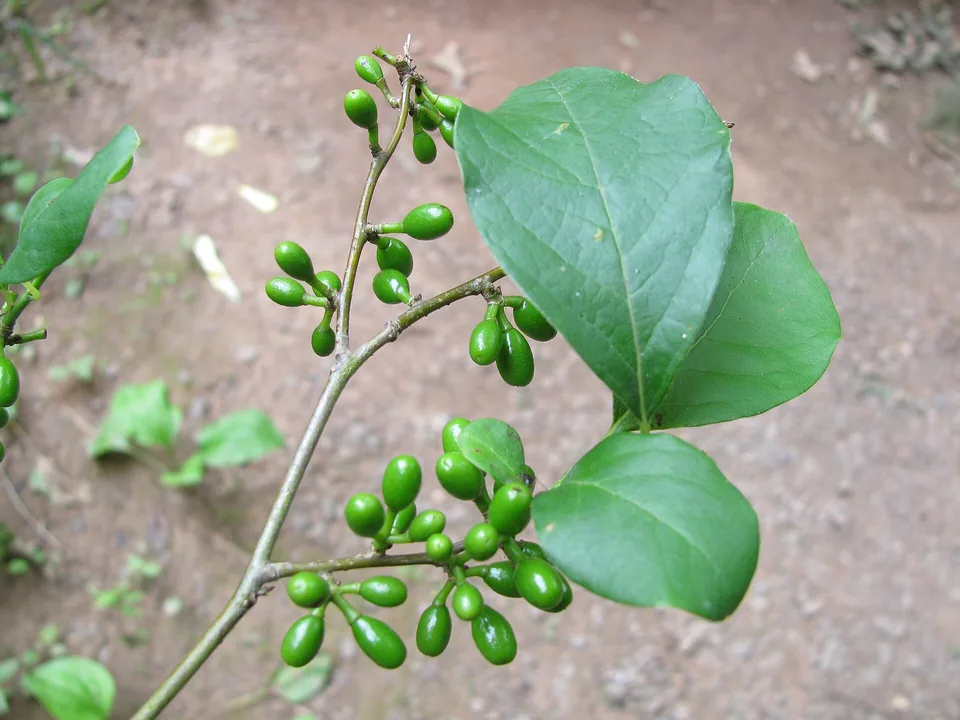


How to Grow and Care for Spicebush
Lindera benzoin
Written by Emilio Marruso · last checked
At a glance
Spicebush is an easygoing shrub, 6–12 feet tall and wide, that shrugs off occasional flooding and short dry spells. In fall it carries red fruit: dried and ground, it can stand in for allspice, while its young leaves and twigs flavor teas. Give it moist, well-drained soil and it will stay with you year after year.
- Sun
Takes full sun only if the soil stays moist; sun plus dry soil can scorch it
What the sources say (3)
Watering: Prefers moist, well-drained soil; more watering is required if grown in full sun
The easy-to-grow shrub prefers moist, well-drained soils in part shade. More watering is required if grown in full sun.
— Lindera benzoin (Northern Spicebush, Spicebush, Spice Bush) | North Carolina Extension Gardener Plant Toolbox [1] Watering notes: Full sun combined with drier soil can stress the plant, slowing growth and increasing the risk of sunscorch; tolerates occasional flooding and occasional dry periods
Although it will tolerate a fair amount of sun and drier soils, an overlap in these conditions can stress the plant, slowing growth and increasing the risk of sunscorch.
— Spicebush | University of Maryland Extension [7] Hydrologic zone : Moist, tolerates occasional flooding and occasional dry periods
— Rain Garden Plants: Spicebush [5] - Water
Keep the soil moist; it handles occasional flooding and short dry spells
What the sources say (3)
Watering: Prefers moist, well-drained soil; more watering is required if grown in full sun
The easy-to-grow shrub prefers moist, well-drained soils in part shade. More watering is required if grown in full sun.
— Lindera benzoin (Northern Spicebush, Spicebush, Spice Bush) | North Carolina Extension Gardener Plant Toolbox [1] Watering notes: Full sun combined with drier soil can stress the plant, slowing growth and increasing the risk of sunscorch; tolerates occasional flooding and occasional dry periods
Although it will tolerate a fair amount of sun and drier soils, an overlap in these conditions can stress the plant, slowing growth and increasing the risk of sunscorch.
— Spicebush | University of Maryland Extension [7] Hydrologic zone : Moist, tolerates occasional flooding and occasional dry periods
— Rain Garden Plants: Spicebush [5] - Soil
Moist, well-drained soil; fine even in acidic soil down to pH 5.0
What the sources say (2)
Watering: Prefers moist, well-drained soil; more watering is required if grown in full sun
The easy-to-grow shrub prefers moist, well-drained soils in part shade. More watering is required if grown in full sun.
— Lindera benzoin (Northern Spicebush, Spicebush, Spice Bush) | North Carolina Extension Gardener Plant Toolbox [1] Soil pH, minimum: 5.0
Soil: Rich, well-drained (pH 5.0 to 8.0) - Hydrologic zone : Moist, tolerates occasional flooding
— Rain Garden Plants: Spicebush [5] - Harvest
Pick the red fruit in fall: dried and ground, it replaces allspice
What the sources say (1)
Harvest: Fall (fruit collected for propagation)
Collect fruit in the fall and remove the fleshy red coating.
— Shrub of the Week: Lindera benzoin | BYGL [8] - Pests
Watch for laurel wilt and sassafras borer; protect young plants from deer
What the sources say (2)
Pests: sassafras borer
The grubs of the sassafras borer ( Oberea ruficollis) will bore into the branches and roots of spicebush.
— Native Plants of PA: Spicebush (Lindera benzoin) [2] Diseases: laurel wilt
Insects, Diseases, and Other Plant Problems: No significant problems. This plant is susceptible to laurel wilt.
— Lindera benzoin (Northern Spicebush, Spicebush, Spice Bush) | North Carolina Extension Gardener Plant Toolbox [1] - Size
6 to 12 ft tall and just as wide
What the sources say (4)
Mature height: 183-366 cm (6-12 ft)
On average, it grows 6 to 12’ tall and wide.
— Lindera benzoin (Northern Spicebush, Spicebush, Spice Bush) | North Carolina Extension Gardener Plant Toolbox [1] Spicebush is a deciduous shrub native to Pennsylvania with a broad, rounded habit, and typically grows 6 to 12 feet tall.
— Native Plants of PA: Spicebush (Lindera benzoin) [2] Mature width: 183-366 cm (6-12 ft)
On average, it grows 6 to 12’ tall and wide.
— Lindera benzoin (Northern Spicebush, Spicebush, Spice Bush) | North Carolina Extension Gardener Plant Toolbox [1] It has a broad, rounded habit and grows 6 to 12 feet high and wide.
— Spice Up Your Garden with Spicebush [6] - Propagation
From seeds or from soft, young stem cuttings
What the sources say (2)
Propagation: Seeds or softwood cuttings; seeds need at least three months of cold, moist stratification
A male plant is needed to pollinate the female plant. Propagation is by seeds or softwood cuttings.
— Lindera benzoin (Northern Spicebush, Spicebush, Spice Bush) | North Carolina Extension Gardener Plant Toolbox [1] Place the seeds in a plastic bag with moist (not wet) peat moss and place in your refrigerator for a minimum of three months.
— Shrub of the Week: Lindera benzoin | BYGL [8] - Sowing
Clean the seeds and keep them in moist peat moss in the fridge for at least 3 months
What the sources say (3)
Saving seeds: Collect fruit in the fall and remove the fleshy red coating; place the seeds in a plastic bag with moist (not wet) peat moss in the refrigerator for a minimum of three months
Collect fruit in the fall and remove the fleshy red coating. Place the seeds in a plastic bag with moist (not wet) peat moss and place in your refrigerator for a minimum of three months.
— Shrub of the Week: Lindera benzoin | BYGL [8] Propagation: Seeds or softwood cuttings; seeds need at least three months of cold, moist stratification
A male plant is needed to pollinate the female plant. Propagation is by seeds or softwood cuttings.
— Lindera benzoin (Northern Spicebush, Spicebush, Spice Bush) | North Carolina Extension Gardener Plant Toolbox [1] Place the seeds in a plastic bag with moist (not wet) peat moss and place in your refrigerator for a minimum of three months.
— Shrub of the Week: Lindera benzoin | BYGL [8] - Containers
Grows in containers too
What the sources say (1)
In containers: Yes
For those interested in container gardening with Pennsylvania natives, spicebush can be an excellent choice.
— Native Plants of PA: Spicebush (Lindera benzoin) [2]
Overview
Spicebush is a deciduous shrub in the laurel family, native to central and eastern United States. [1] Male and female flowers are on separate plants, and a male plant is needed to pollinate the female plant. [1]
This record is incomplete: the sources we read do not cover every field yet.
Not yet covered by our sources: Pruning
Spicebush care
How to water Spicebush
Watering
Prefers moist, well-drained soil; more watering is required if grown in full sun
What the sources say (1)
The easy-to-grow shrub prefers moist, well-drained soils in part shade. More watering is required if grown in full sun.Watering notes
Full sun combined with drier soil can stress the plant, slowing growth and increasing the risk of sunscorch; tolerates occasional flooding and occasional dry periods
What the sources say (2)
Although it will tolerate a fair amount of sun and drier soils, an overlap in these conditions can stress the plant, slowing growth and increasing the risk of sunscorch.Hydrologic zone : Moist, tolerates occasional flooding and occasional dry periodsHow much light Spicebush needs
The sources give different values depending on region, zone or growing conditions.
What each source says
According to NC State Extension: Partial shade; tolerates full sun to deep shade
According to Illinois Extension: Partial to full shade
According to University of Maryland Extension: Part sun to shade
rain garden: Partial shade, understory conditions
full sun: Grows in full sun, with denser and less vigorous growth but better flowering and fruit production
What the sources say (7)
According to NC State Extension: Partial Shade (Direct sunlight only part of the day, 2-6 hours)According to Illinois Extension: Partial to full shade; moist, well-drained soils are best, but tolerates wet sitesAccording to University of Maryland Extension: Sun: part sun to shaderain garden: Sun : Partial shade, understory conditionsfull sun: If planted in a location with full sun, the growth will be denser and less vigorous but with better flowering and fruit production.Partial Shade (Direct sunlight only part of the day, 2-6 hours)Spicebush grows best on moist, calcium-rich sites and can tolerate a range of light conditions from full sun to deep shade.How much cold Spicebush can take
Hardiness, coldest zone
The sources give different values depending on region, zone or growing conditions.
What each source says
According to NC State Extension: 5a [winter low −28.9 to −26.1 °C (−20 to −15 °F)]
According to Penn State Extension: 4a [winter low −34.4 to −31.7 °C (−30 to −25 °F)]
What the sources say (3)
According to NC State Extension: 5a, 5b, 6a, 6b, 7a, 7b, 8a, 8b, 9a, 9bAccording to Penn State Extension: Hardiness zone: 4a to 105a, 5b, 6a, 6b, 7a, 7b, 8a, 8b, 9a, 9bHardiness, warmest zone
The sources give different values depending on region, zone or growing conditions.
What each source says
According to NC State Extension: 9b [winter low −3.9 to −1.1 °C (25 to 30 °F)]
According to Penn State Extension: 10 [winter low −1.1 to 4.4 °C (30 to 40 °F)]
What the sources say (3)
According to NC State Extension: 5a, 5b, 6a, 6b, 7a, 7b, 8a, 8b, 9a, 9bAccording to Penn State Extension: Hardiness zone: 4a to 105a, 5b, 6a, 6b, 7a, 7b, 8a, 8b, 9a, 9bBest soil for Spicebush
Soil pH, minimum
5.0
What the sources say (1)
Soil: Rich, well-drained (pH 5.0 to 8.0)
- Hydrologic zone : Moist, tolerates occasional floodingSoil pH, maximum
The sources give different values depending on region, zone or growing conditions.
What each source says
According to Penn State Extension: 8.0
According to University of Illinois Extension: Slightly acid (preferred)
What the sources say (3)
According to Penn State Extension: Soil: Rich, well-drained (pH 5.0 to 8.0)
- Hydrologic zone : Moist, tolerates occasional floodingAccording to University of Illinois Extension: prefers slightly acid soilSoil: Rich, well-drained (pH 5.0 to 8.0)
- Hydrologic zone : Moist, tolerates occasional floodingWhere to grow Spicebush
Yes
What the sources say (1)
For those interested in container gardening with Pennsylvania natives, spicebush can be an excellent choice.How to propagate Spicebush
Seeds or softwood cuttings; seeds need at least three months of cold, moist stratification
What the sources say (2)
A male plant is needed to pollinate the female plant. Propagation is by seeds or softwood cuttings.Place the seeds in a plastic bag with moist (not wet) peat moss and place in your refrigerator for a minimum of three months.How to grow Spicebush
The plant
Life cycle
perennial
What the sources say (1)
Plant Type: Native Plant Perennial Shrub Woody Plant Leaf Characteristics: DeciduousFamily
Lauraceae
What the sources say (1)
Spicebush is a deciduous shrub in the laurel family (Lauraceae).Mature height
183-366 cm (6-12 ft)
What the sources say (2)
On average, it grows 6 to 12’ tall and wide.Spicebush is a deciduous shrub native to Pennsylvania with a broad, rounded habit, and typically grows 6 to 12 feet tall.Mature width
183-366 cm (6-12 ft)
Harvest and storage
Saving seeds
Collect fruit in the fall and remove the fleshy red coating; place the seeds in a plastic bag with moist (not wet) peat moss in the refrigerator for a minimum of three months
What the sources say (1)
Collect fruit in the fall and remove the fleshy red coating. Place the seeds in a plastic bag with moist (not wet) peat moss and place in your refrigerator for a minimum of three months.Pests and diseases
Pests
sassafras borer
What the sources say (1)
The grubs of the sassafras borer ( Oberea ruficollis) will bore into the branches and roots of spicebush.Diseases
laurel wilt
What the sources say (1)
Insects, Diseases, and Other Plant Problems: No significant problems. This plant is susceptible to laurel wilt.Spicebush pests and problems
Laurel wilt
Symptom: Plant is susceptible to laurel wilt; otherwise no significant problems listed
What the sources say (1)
Insects, Diseases, and Other Plant Problems: No significant problems. This plant is susceptible to laurel wilt.
— Lindera benzoin (Northern Spicebush, Spicebush, Spice Bush) | North Carolina Extension Gardener Plant Toolbox [1] Sunscorch and stress
Symptom: Full sun combined with drier soils can stress the plant, slowing growth and increasing the risk of sunscorch
What the sources say (1)
Although it will tolerate a fair amount of sun and drier soils, an overlap in these conditions can stress the plant, slowing growth and increasing the risk of sunscorch.
— Spicebush | University of Maryland Extension [7] Deer browsing
Symptom: Deer will browse spicebush; younger plants are most affected
What to do: Protect younger, newly planted specimens from deer browsing
What the sources say (1)
Deer will browse spicebush but may pass by larger plants in the landscape. This means younger, newly planted specimens may need protection from deer browsing.
— Native Plants of PA: Spicebush (Lindera benzoin) [2]
Remedies
The sources we checked give no remedies for this plant.
Calendar
Harvest
Fall (fruit collected for propagation)
What the sources say (1)
Collect fruit in the fall and remove the fleshy red coating.Pruning
Not stated in the sources we read.
Months as given by the sources, which are mostly from the United States (northern hemisphere). In the southern hemisphere they shift by about six months.
Edibility
Reported by the source, quoted verbatim. Do not eat a plant on the basis of this page alone: identification mistakes can be dangerous.
Indicative values
Values from a secondary source, not checked word for word like the rest of this page. Use them as a starting point.
- Soil
- Sandy LoamyIndicative value, adapt it to your climate · Secondary source
- Care level
- MediumIndicative value, adapt it to your climate · Secondary source
- Growth rate
- LowIndicative value, adapt it to your climate · Secondary source
- Pruning
- March, AprilIndicative value, adapt it to your climate · Secondary source
Similar plants
- Japanese Spicebush Lindera obtusiloba
- Pondberry Lindera melissifolia
- California bay Umbellularia californica
- Camphor Tree Cinnamomum camphora
- Cinnamon Cinnamomum verum
- Sassafras Sassafras albidum
- Silk Bay Tamala humilis
- Swamp Bay Tamala palustris
Sources
Every value above is quoted from these documents. Links lead to the original publisher.
- Lindera benzoin (Northern Spicebush, Spicebush, Spice Bush) | North Carolina Extension Gardener Plant Toolbox · plants.ces.ncsu.edu, consulted
- Native Plants of PA: Spicebush (Lindera benzoin) · extension.psu.edu, consulted
- Spicebush (Lindera benzoin) - Selecting Shrubs for Your Home - University of Illinois Extension · web.extension.illinois.edu, consulted
- Spicebush - Lindera benzoin | North Carolina Extension Gardener Plant Toolbox · plants.ces.ncsu.edu, consulted
- Rain Garden Plants: Spicebush · extension.psu.edu, consulted
- Spice Up Your Garden with Spicebush · extension.psu.edu, consulted
- Spicebush | University of Maryland Extension · extension.umd.edu, consulted
- Shrub of the Week: Lindera benzoin | BYGL · bygl.osu.edu, consulted
Written by Emilio Marruso · last checked