
How to Grow and Care for Japanese Spicebush
Lindera obtusiloba
Written by Emilio Marruso · last checked
At a glance
This perennial grows happily anywhere from full sun to partial shade, as long as its soil stays moist and drains well. In time it reaches 10 to 15 feet tall and just as wide. Its young buds and leaves can even be brewed into tea, and you can start new plants from seed or from stem cuttings.
- Sun
Full sun to partial shade
What the sources say (1)
Light: Full sun to partial shade
prefers moist well-drained soils in full to partial sun
— Lindera obtusiloba (Blunt-Lobed Spicebush, Japanese Spicebush, Japanese Spice Bush) | North Carolina Extension Gardener Plant Toolbox [1] - Water
Keep the soil moist
What the sources say (1)
Watering notes: Prefers moist, well-drained soils
prefers moist well-drained soils in full to partial sun
— Lindera obtusiloba (Blunt-Lobed Spicebush, Japanese Spicebush, Japanese Spice Bush) | North Carolina Extension Gardener Plant Toolbox [1] - Cold
Survives winters down to −10 °F (−23.3 °C)
Very hardy · USDA 6a · RHS H7 · Z6
What the sources say (2)
Hardiness, coldest zone: 6a [winter low −23.3 to −20.6 °C (−10 to −5 °F)]
USDA Plant Hardiness Zone: 6a, 6b, 7a, 7b, 8a, 8b, 9a, 9b
— Lindera obtusiloba (Blunt-Lobed Spicebush, Japanese Spicebush, Japanese Spice Bush) | North Carolina Extension Gardener Plant Toolbox [1] Hardiness, warmest zone: 9b [winter low −3.9 to −1.1 °C (25 to 30 °F)]
USDA Plant Hardiness Zone: 6a, 6b, 7a, 7b, 8a, 8b, 9a, 9b
— Lindera obtusiloba (Blunt-Lobed Spicebush, Japanese Spicebush, Japanese Spice Bush) | North Carolina Extension Gardener Plant Toolbox [1] - Soil
Moist soil that drains well
What the sources say (1)
Watering notes: Prefers moist, well-drained soils
prefers moist well-drained soils in full to partial sun
— Lindera obtusiloba (Blunt-Lobed Spicebush, Japanese Spicebush, Japanese Spice Bush) | North Carolina Extension Gardener Plant Toolbox [1] - Harvest
Young buds and leaves make tea; young leaves can also be fried
- Size
10 to 15 ft tall and just as wide
What the sources say (2)
Mature height: 304.8-457.2 cm (10 to 15 ft)
generally growing 10 to 15 feet tall and wide at maturity (20 to 50 years)
— Lindera obtusiloba (Blunt-Lobed Spicebush, Japanese Spicebush, Japanese Spice Bush) | North Carolina Extension Gardener Plant Toolbox [1] Mature width: 304.8-457.2 cm (10 to 15 ft)
generally growing 10 to 15 feet tall and wide at maturity (20 to 50 years)
— Lindera obtusiloba (Blunt-Lobed Spicebush, Japanese Spicebush, Japanese Spice Bush) | North Carolina Extension Gardener Plant Toolbox [1] - Propagation
From seed or stem cuttings
What the sources say (1)
Propagation: Seed; stem cutting
Recommended Propagation Strategy: Seed Stem Cutting Country Or
— Lindera obtusiloba (Blunt-Lobed Spicebush, Japanese Spicebush, Japanese Spice Bush) | North Carolina Extension Gardener Plant Toolbox [1]
Overview
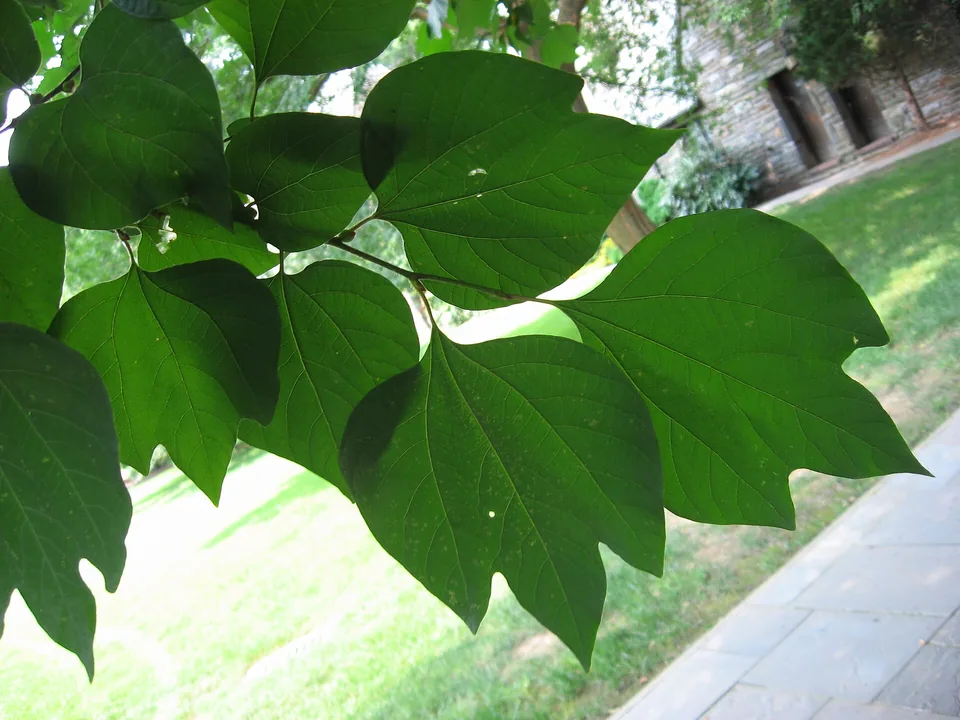
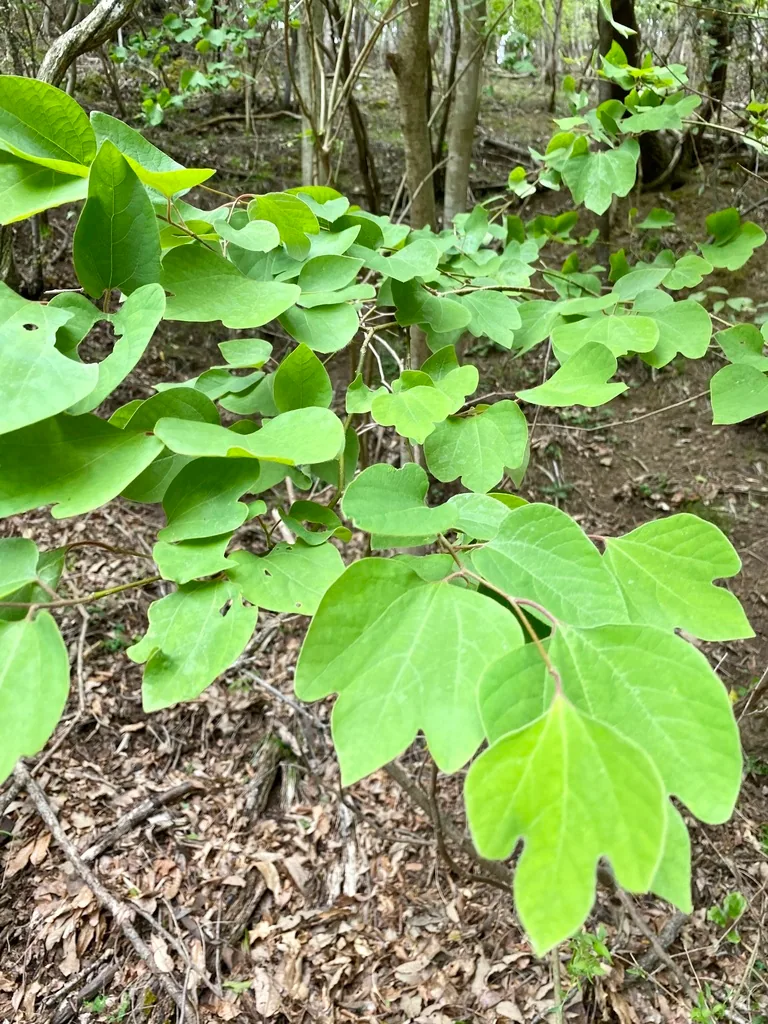
Japanese spicebush is a multi-stemmed flowering shrub or small tree native to Asia, with yellow flowers in early spring and bright yellow fall color. [1] It prefers moist well-drained soils in full to partial sun, and male and female plants are needed to bear fruit. [1]
This record is incomplete: the sources we read do not cover every field yet.
Not yet covered by our sources: Watering, Pruning
Japanese Spicebush care
How to water Japanese Spicebush
Watering
Not stated in the sources we read.
Watering notes
Prefers moist, well-drained soils
What the sources say (1)
prefers moist well-drained soils in full to partial sunHow much light Japanese Spicebush needs
Full sun to partial shade
What the sources say (1)
prefers moist well-drained soils in full to partial sunHow much cold Japanese Spicebush can take
Hardiness, coldest zone
6a [winter low −23.3 to −20.6 °C (−10 to −5 °F)]
What the sources say (1)
USDA Plant Hardiness Zone:
6a, 6b, 7a, 7b, 8a, 8b, 9a, 9bHardiness, warmest zone
9b [winter low −3.9 to −1.1 °C (25 to 30 °F)]
What the sources say (1)
USDA Plant Hardiness Zone:
6a, 6b, 7a, 7b, 8a, 8b, 9a, 9bHow to propagate Japanese Spicebush
Seed; stem cutting
What the sources say (1)
Recommended Propagation Strategy:
Seed
Stem Cutting
Country OrHow to grow Japanese Spicebush
The plant
Life cycle
perennial
What the sources say (1)
Genus:
Lindera
Species:
obtusiloba
Family:
Lauraceae
Uses (Ethnobotany):
Young leaves are fried and used as a Buddhist ceremonial dish.
Life Cycle:
PerennialFamily
Lauraceae
What the sources say (1)
Japanese Spicebush is a large, herbaceous, multi-stemmed, flowering shrub or small tree in the laurel family, native to the valleys and mountain slopes of AsiaMature height
304.8-457.2 cm (10 to 15 ft)
What the sources say (1)
generally growing 10 to 15 feet tall and wide at maturity (20 to 50 years)Mature width
304.8-457.2 cm (10 to 15 ft)
What the sources say (1)
generally growing 10 to 15 feet tall and wide at maturity (20 to 50 years)Remedies
The sources we checked give no remedies for this plant.
Calendar
Pruning
Not stated in the sources we read.
Months as given by the sources, which are mostly from the United States (northern hemisphere). In the southern hemisphere they shift by about six months.
Edibility
Reported by the source, quoted verbatim. Do not eat a plant on the basis of this page alone: identification mistakes can be dangerous.
Similar plants
- Pondberry Lindera melissifolia
- Spicebush Lindera benzoin
- California bay Umbellularia californica
- Camphor Tree Cinnamomum camphora
- Sassafras Sassafras albidum
- Silk Bay Tamala humilis
- Swamp Bay Tamala palustris
- Sweet bay Laurus nobilis
Sources
Every value above is quoted from these documents. Links lead to the original publisher.
- Lindera obtusiloba (Blunt-Lobed Spicebush, Japanese Spicebush, Japanese Spice Bush) | North Carolina Extension Gardener Plant Toolbox · plants.ces.ncsu.edu, consulted
Written by Emilio Marruso · last checked