
How to Grow and Care for Oriental Sweetgum
Liquidambar orientalis
Written by Emilio Marruso · last checked
At a glance
Oriental sweetgum is a stately tree that can reach 66 to 98 feet tall, a grand presence for a big garden. It's easygoing: give it full sun to part sun and only occasional watering in the dry season. Its resin is still used as a flavoring today, even in chewing gum and baking. You can start new trees from seeds, sprouts or stem cuttings.
- Sun
Full sun to part sun
- Water
Water now and then during the dry season
What the sources say (1)
Watering: Occasional watering during the dry season
Watering Needs: Occasional watering during the dry season
— Oriental Sweet Gum (Liquidambar orientalis) [3] - Harvest
Its resin is used as a flavoring, for example in chewing gum and baking
- Size
A big tree: 66 to 98 ft tall
What the sources say (1)
Mature height: 2000-3000 cm (20-30 m)
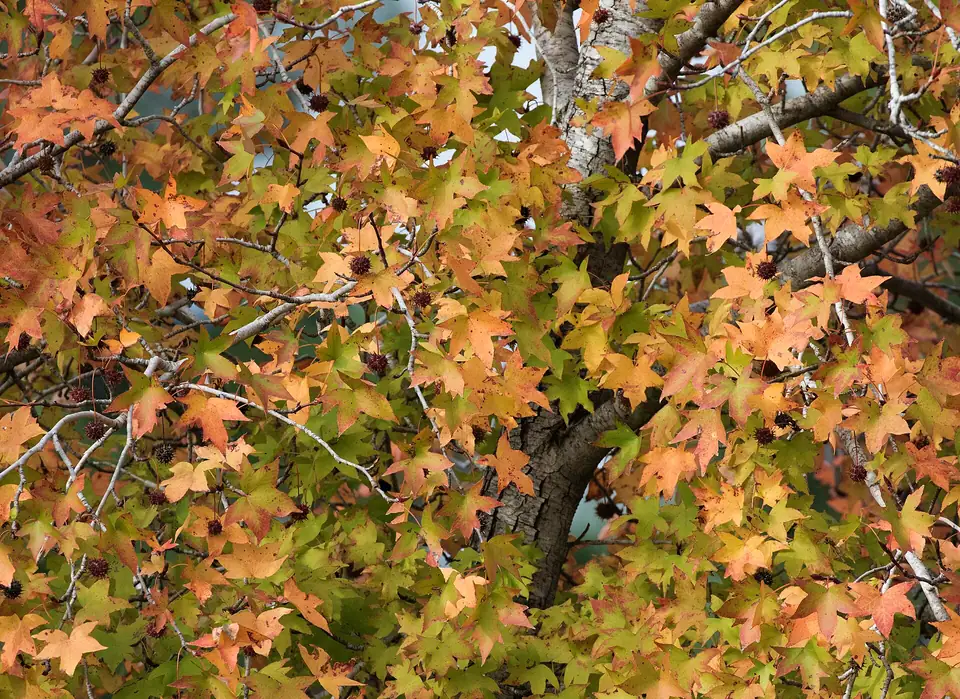
This species can reach heights of 20–30 metres and is characterized by its star-shaped leaves, which turn brilliant shades of yellow, orange, and red in autumn.
— Liquidambar orientalis - EUFORGEN European forest genetic resources programme [1] - Propagation
Grow new trees from seeds, sprouts or stem cuttings; it is hard to transplant
What the sources say (1)
Propagation: Seeds, sprouts, stem cuttings; difficult to transplant
Propagation: Seeds, sprouts, stem cuttings, difficult to transplant
— Oriental Sweet Gum (Liquidambar orientalis) [3]
Overview
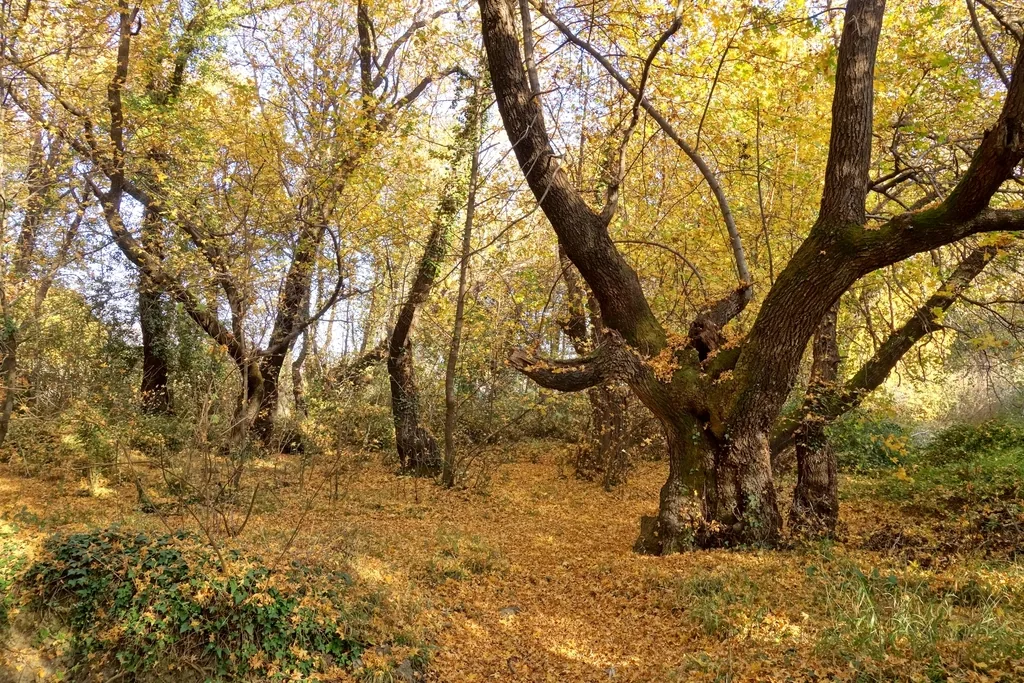
Oriental sweetgum is a deciduous relict tree endemic to Türkiye, also found on Rhodes. [1] It thrives in deep, moist, rich, well-drained soils and full sunlight. [1]
This record is incomplete: the sources we read do not cover every field yet.
Not yet covered by our sources: Hardiness, coldest zone, Hardiness, warmest zone, Pruning
Oriental Sweetgum care
How to water Oriental Sweetgum
Occasional watering during the dry season
What the sources say (1)
Watering Needs: Occasional watering during the dry seasonHow much light Oriental Sweetgum needs
How much cold Oriental Sweetgum can take
Hardiness, coldest zone
Not stated in the sources we read.
Hardiness, warmest zone
Not stated in the sources we read.
How to propagate Oriental Sweetgum
Seeds, sprouts, stem cuttings; difficult to transplant
What the sources say (1)
Propagation: Seeds, sprouts, stem cuttings, difficult to transplantHow to grow Oriental Sweetgum
The plant
Mature height
2000-3000 cm (20-30 m)
What the sources say (1)
This species can reach heights of 20–30 metres and is characterized by its star-shaped leaves, which turn brilliant shades of yellow, orange, and red in autumn.Remedies
Each remedy shows what official sources say about it; traditional remedies without an official source are marked as such. Harmful ones are listed so you know to avoid them.
Treating the plant
bleeding canker
pruning infected wood Partly works
How: Prune infected material well back of any discoloration in the wood; fertilize in spring and water during dry weather to maintain vigor.
Pruning infected material well back of any discoloration in the wood may prevent further spread. Fertilize trees in the spring and water during dry weather to maintain tree vigor.
— portal.ct.gov [4] What the evidence says Pruning infected material well back of any discoloration in the wood may prevent further spread.
— portal.ct.gov [4]
fall webworm
insecticidal soap spray Works
How: Summer foliar sprays control this minor pest.
Summer foliar sprays, such as acephate, carbaryl, insecticidal soap, Bacillus thuringiensis var. kurstaki, or spinosad, which are among the compounds registered for control of this pest in Connecticut, control this minor pest.
— portal.ct.gov [4] What the evidence says Summer foliar sprays, such as acephate, carbaryl, insecticidal soap, Bacillus thuringiensis var. kurstaki, or spinosad, which are among the compounds registered for control of this pest in Connecticut, control this minor pest.
— portal.ct.gov [4]
tent caterpillars
bacillus thuringiensis spray Works
How: Foliar spray on caterpillars.
Foliar sprays of carbaryl, azadirachtin, Bacillus thuringiensis var kurstaki , or spinosad, which are among the compounds registered for use against this pest in Connecticut, effectively control caterpillars.
— portal.ct.gov [4] What the evidence says Foliar sprays of carbaryl, azadirachtin, Bacillus thuringiensis var kurstaki , or spinosad, which are among the compounds registered for use against this pest in Connecticut, effectively control caterpillars.
— portal.ct.gov [4]
walnut scale
twig pruners
collecting fallen twigs Official source, not independently tested
How: Collect and destroy fallen twigs.
Collecting and destroying fallen twigs can help to reduce infestations.
— uky.edu [5]
Calendar
Pruning
Not stated in the sources we read.
Months as given by the sources, which are mostly from the United States (northern hemisphere). In the southern hemisphere they shift by about six months.
Edibility
Reported by the source, quoted verbatim. Do not eat a plant on the basis of this page alone: identification mistakes can be dangerous.
it continues to be used as a flavouring, for example in chewing gum, as a stabiliser in baking, in soaps, and in cosmetics
[2]
Indicative values
Values from a secondary source, not checked word for word like the rest of this page. Use them as a starting point.
- Life cycle
- PerennialIndicative value, adapt it to your climate · Secondary source
- Hours of sun
- 5-6 hoursIndicative value, adapt it to your climate · Secondary source
- Soil pH
- 5.5-6.5Indicative value, adapt it to your climate · Secondary source
- USDA hardiness zones
- 7-9 [winter low −17.8 to −1.1 °C (0 to 30 °F)]Indicative value, adapt it to your climate · Secondary source
- Care level
- MediumIndicative value, adapt it to your climate · Secondary source
- Growth rate
- HighIndicative value, adapt it to your climate · Secondary source
- Pruning
- February, March, April, August, December, January, February, March, April, AugustIndicative value, adapt it to your climate · Secondary source
Similar plants
- Formosa Sweet Gum Liquidambar formosana
- Sweetgum Liquidambar styraciflua
- Abies grandis Abies grandis
- Abraham Trachystemon orientalis
- Abyssinian banana Ensete ventricosum
- Acacia longifolia Acacia longifolia
- Acanthus hungaricus Acanthus hungaricus
- Achlys triphylla Achlys triphylla
Sources
Every value above is quoted from these documents. Links lead to the original publisher.
- Liquidambar orientalis - EUFORGEN European forest genetic resources programme · euforgen.org, consulted
- Liquidambar orientalis - Trees and Shrubs Online · treesandshrubsonline.org, consulted
- Oriental Sweet Gum (Liquidambar orientalis) · desert-tropicals.com, consulted
- portal.ct.gov · portal.ct.gov
- uky.edu · uky.edu
Written by Emilio Marruso · last checked