
How to Grow and Care for Raceme catnip
Nepeta racemosa
Written by Emilio Marruso · last checked
Toxic to: People · Why
At a glance
This catmint is an easy friend for sunny spots: it thrives in dry soil and handles drought with ease. Its leaves can flavor a salad or brew into a tea. Cut off the flower spikes after the first bloom and it keeps on flowering, and new plants come easily from seed, division or cuttings.
- Sun
Full sun to part shade; a little afternoon shade in hot summers
What the sources say (2)
Light: Full sun to part shade; light afternoon shade in hot summer climates
Easily grown in an average, dry to medium, well-drained soil in full sun to part shade.
— Nepeta racemosa - Useful Temperate Plants [1] It is somewhat intolerant of heat and humidity and appreciates some light afternoon shade in hot summer climates
— Nepeta racemosa - Useful Temperate Plants [1] - Water
Likes dry to medium soil and handles drought very well
What the sources say (2)
Watering: Dry to medium soil; thrives in dry soils and is very tolerant of drought
Easily grown in an average, dry to medium, well-drained soil in full sun to part shade.
— Nepeta racemosa - Useful Temperate Plants [1] The plant thrives in dry soils and is very tolerant of drought.
— Nepeta racemosa - Useful Temperate Plants [1] - Planting
Move young seedlings to their final spot in summer
What the sources say (1)
Planting: Summer (seedlings pricked out and planted into permanent positions)
Prick out the seedlings into individual pots when they are large enough to handle and plant them out into their permanent positions in the summer.
— Nepeta racemosa - Useful Temperate Plants [1] - Pruning
Cut off the flower spikes after the first bloom to keep it flowering
- Harvest
The leaves flavor salads or make a tea
- Watch out
In ideal conditions it can self-seed a lot; removing spent flower spikes helps
- Propagation
Seed, dividing clumps in fall or spring, or tip cuttings in spring or early summer
What the sources say (3)
Propagation: Seed; division of clumps in autumn or spring; stem tip or softwood cuttings in spring or early summer
Seed - best sown in the autumn, in situ if possible.
— Nepeta racemosa - Useful Temperate Plants [1] Division of clumps in the autumn or spring, when the plant is dormant or just coming into growth
— Nepeta racemosa - Useful Temperate Plants [1] Stem tip or softwood cuttings can be taken in the spring or early summer
— Nepeta racemosa - Useful Temperate Plants [1] - Sowing
Sow in fall, right where it will grow if you can; spring sowing is less reliable
What the sources say (1)
Sowing: Autumn (in situ if possible); spring sowing can be erratic
Seed - best sown in the autumn, in situ if possible. Germination of spring sown seed can be erratic
— Nepeta racemosa - Useful Temperate Plants [1] - Safety
No known hazards to people
Overview
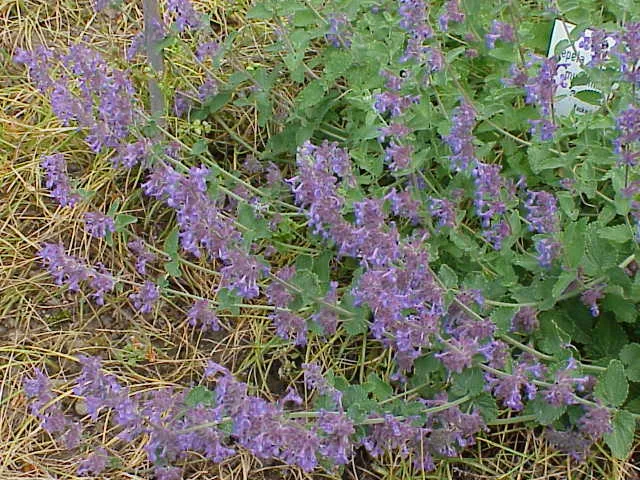
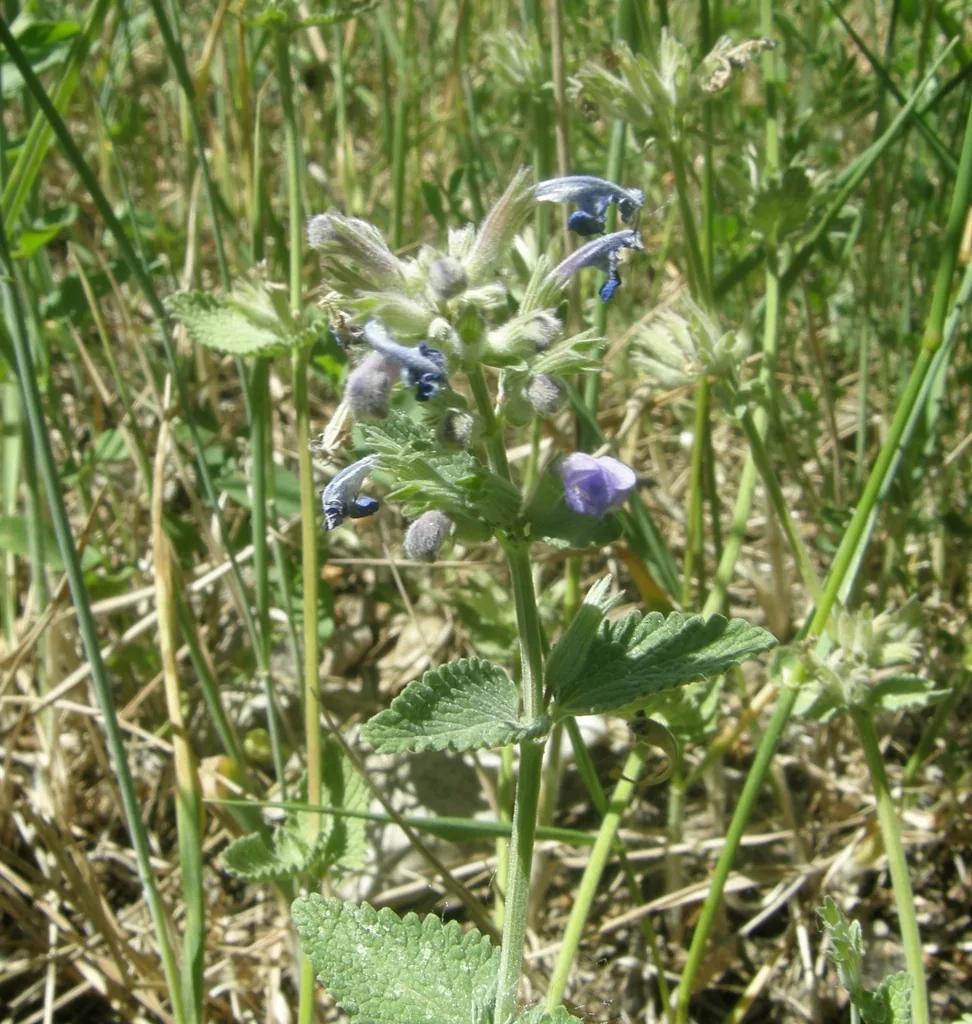
Nepeta racemosa is a low-growing herbaceous perennial that forms a spreading clump 20-50 cm [8–20 in] tall and 45 cm [18 in] wide. [1] It is easily grown in well-drained soil in full sun to part shade and is very tolerant of drought. [1]
This record is incomplete: the sources we read do not cover every field yet.
Not yet covered by our sources: Hardiness, coldest zone, Hardiness, warmest zone, Pruning
Raceme catnip care
Measurements in square brackets are our conversion into the other unit system; the quoted text is unchanged.
How to water Raceme catnip
Dry to medium soil; thrives in dry soils and is very tolerant of drought
How much light Raceme catnip needs
Full sun to part shade; light afternoon shade in hot summer climates
What the sources say (2)
Easily grown in an average, dry to medium, well-drained soil in full sun to part shade.It is somewhat intolerant of heat and humidity and appreciates some light afternoon shade in hot summer climatesHow much cold Raceme catnip can take
Hardiness, coldest zone
Not stated in the sources we read.
Hardiness, warmest zone
Not stated in the sources we read.
How to propagate Raceme catnip
Seed; division of clumps in autumn or spring; stem tip or softwood cuttings in spring or early summer
What the sources say (3)
Seed - best sown in the autumn, in situ if possible.Division of clumps in the autumn or spring, when the plant is dormant or just coming into growthStem tip or softwood cuttings can be taken in the spring or early summerRaceme catnip pests and problems
Aggressive self-seeding
Symptom: The plant may aggressively self-seed in optimum growing conditions
What to do: Removing the flower spikes after initial flowering promotes continued blooming
What the sources say (1)
The plant may agressively self-seed in optimum growing conditions
— Nepeta racemosa - Useful Temperate Plants [1]
Remedies
The sources we checked give no remedies for this plant.
Is Raceme catnip poisonous?
Reported by the source, quoted verbatim. This is not medical or veterinary advice: if a person or an animal may have eaten this plant, contact a poison control centre or a veterinarian.
## Known Hazards None known
[1]
Calendar
Sowing
Autumn (in situ if possible); spring sowing can be erratic
What the sources say (1)
Seed - best sown in the autumn, in situ if possible. Germination of spring sown seed can be erraticPlanting
Summer (seedlings pricked out and planted into permanent positions)
What the sources say (1)
Prick out the seedlings into individual pots when they are large enough to handle and plant them out into their permanent positions in the summer.Pruning
Not stated in the sources we read.
Months as given by the sources, which are mostly from the United States (northern hemisphere). In the southern hemisphere they shift by about six months.
Edibility
Reported by the source, quoted verbatim. Do not eat a plant on the basis of this page alone: identification mistakes can be dangerous.
Indicative values
Values from a secondary source, not checked word for word like the rest of this page. Use them as a starting point.
- Life cycle
- Herbaceous PerennialIndicative value, adapt it to your climate · Secondary source
- Mature height
- 22.9-30.5 cm (0.75-1 ft)Indicative value, adapt it to your climate · Secondary source
- Drought tolerant
- yesIndicative value, adapt it to your climate · Secondary source
- Soil pH
- 6-7.5Indicative value, adapt it to your climate · Secondary source
- USDA hardiness zones
- 4-8 [winter low −34.4 to −6.7 °C (−30 to 20 °F)]Indicative value, adapt it to your climate · Secondary source
- Care level
- MediumIndicative value, adapt it to your climate · Secondary source
- Growth rate
- LowIndicative value, adapt it to your climate · Secondary source
- Pruning
- February, March, April, June, JulyIndicative value, adapt it to your climate · Secondary source
Similar plants
- Catnip Nepeta cataria
- Nepeta nepetella Nepeta nepetella
- Nepeta × faassenii Nepeta faassenii
- Abies grandis Abies grandis
- Abraham Trachystemon orientalis
- Abyssinian banana Ensete ventricosum
- Acacia longifolia Acacia longifolia
- Acanthus hungaricus Acanthus hungaricus
Sources
Every value above is quoted from these documents. Links lead to the original publisher.
- Nepeta racemosa - Useful Temperate Plants · temperate.theferns.info, consulted
- Nepeta racemosa [Lam. ] · lamiaceae.myspecies.info, consulted
- Catmint: Growing and Caring for Catmint (Nepeta) Plants | BBC Gardeners World Magazine · gardenersworld.com, consulted
- Nepeta: how to grow and prune, plus 13 of the best varieties | Gardens Illustrated · gardensillustrated.com, consulted
Written by Emilio Marruso · last checked