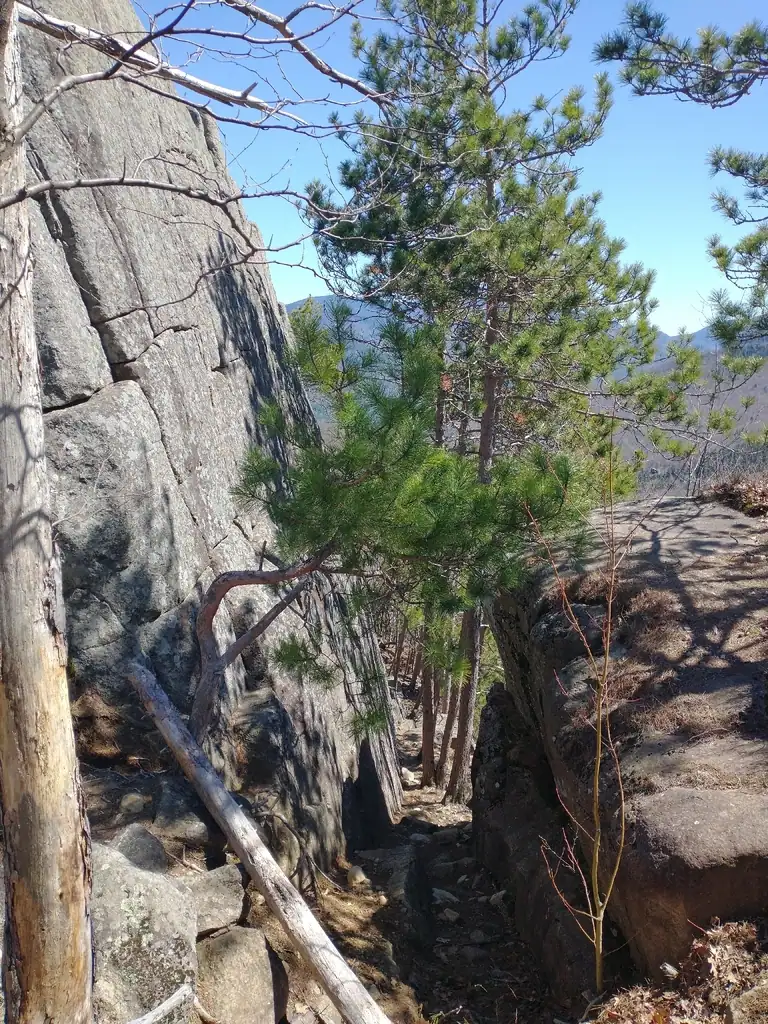
How to Grow and Care for Red pine
Pinus resinosa
Written by Emilio Marruso · last checked
At a glance
Red pine is an easygoing choice for a sunny spot: give it full sun and it is happy in dry or moderately moist soil. It accepts a wide range of soils, from very acidic to slightly alkaline, pH 4.0 to 7.5. Plant it in spring or fall, and keep an eye out for pine bud moth and aphids.
- Sun
Full sun
- Water
Likes dry or moderately moist soil
What the sources say (1)
Watering: Dry or moderately moist soil
Grow in full sun, in dry or moderately moist soil with an acidic pH.
— Red Pine Is a Hardier Alternative to White Pine - Horticulture [8] - Soil
Very acidic to slightly alkaline soil, pH 4.0–7.5
- Planting
Plant in spring or fall, with the root ball wrapped in burlap
What the sources say (1)
Planting: Spring or fall (balled and burlapped)
Native to eastern US and Canada. Transplant B & B in spring or fall
— Woody Plants Database [5] - Pests
Pine bud moth and aphids; also rusts, blights and canker
What the sources say (3)
Pests: pine bud moth, aphids
Pine bud moth (as well as other moths) can be problem if not controlled.
— Pinus resinosa (Red Pine) – Purdue Arboretum Explorer [2] Generally insect problems are not chronic; possible problems may include dieback, rusts, blights, canker, aphids and more
— Woody Plants Database [5] Diseases: rusts, blights, canker
Generally insect problems are not chronic; possible problems may include dieback, rusts, blights, canker, aphids and more
— Woody Plants Database [5]
Overview
Red pine is an evergreen conifer native to northeastern North America. [1] It is grown in full sun and tolerates poor, sandy or gravelly sites. [1][8]
This record is incomplete: the sources we read do not cover every field yet.
Not yet covered by our sources: Hardiness, coldest zone, Pruning, Propagation
Red pine care
How to water Red pine
Dry or moderately moist soil
What the sources say (1)
Grow in full sun, in dry or moderately moist soil with an acidic pH.How much light Red pine needs
How much cold Red pine can take
Hardiness, coldest zone
Not stated in the sources we read.
Best soil for Red pine
Soil pH, minimum
4.0
What the sources say (1)
red pine is from 5.2 to 6.5, but it can grow on soils with pH of 4.0 to 7.5Soil pH, maximum
7.5
What the sources say (1)
red pine is from 5.2 to 6.5, but it can grow on soils with pH of 4.0 to 7.5How to propagate Red pine
Not stated in the sources we read.
How to grow Red pine
The plant
Family
Pinaceae
What the sources say (1)
The scientific name of red pine is Pinus resinosa Ait. (Pinaceae)Mature height
Pests and diseases
Pests
pine bud moth, aphids
What the sources say (2)
Pine bud moth (as well as other moths) can be problem if not controlled.Generally insect problems are not chronic; possible problems may include dieback, rusts, blights, canker, aphids and moreDiseases
rusts, blights, canker
What the sources say (1)
Generally insect problems are not chronic; possible problems may include dieback, rusts, blights, canker, aphids and moreRemedies
Each remedy shows what official sources say about it; traditional remedies without an official source are marked as such. Harmful ones are listed so you know to avoid them.
Treating the plant
diplodia tip blight
pruning infected branches and removing infected needles and cones Partly works
Pruning should be conducted only as needed, and tools should be disinfected, e.g. with bleach or alcohol, between cuts.
— ohioline.osu.edu [9] How: Prune infected branches on lightly diseased trees, cutting at least two feet below visible symptoms; follow with removal and destruction of infected needles and cones. Disinfect tools between cuts.
Pruning of infected branches on lightly diseased trees can be an effective control measure by making the cut at least two feet below visible symptoms and if there are no infected trees nearby.
— ohioline.osu.edu [9] What the evidence says Pruning of infected branches on lightly diseased trees can be an effective control measure by making the cut at least two feet below visible symptoms and if there are no infected trees nearby.
— ohioline.osu.edu [9]
red pine scale
horticultural oil spray Partly works
How: Two applications of horticultural oil (early June and early September) at a two percent rate on ornamentals.
Some control may be attained on ornamentals by two applications of horticultural oil (early June and early September) at a two percent rate.
— maine.gov [10] What the evidence says Some control may be attained on ornamentals by two applications of horticultural oil (early June and early September) at a two percent rate.
— maine.gov [10]
Calendar
Planting
Spring or fall (balled and burlapped)
What the sources say (1)
Native to eastern US and Canada. Transplant B & B in spring or fallPruning
Not stated in the sources we read.
Months as given by the sources, which are mostly from the United States (northern hemisphere). In the southern hemisphere they shift by about six months.
Indicative values
Values from a secondary source, not checked word for word like the rest of this page. Use them as a starting point.
- Life cycle
- PerennialIndicative value, adapt it to your climate · Secondary source
- Soil
- Sandy Loamy RockyIndicative value, adapt it to your climate · Secondary source
- Care level
- MediumIndicative value, adapt it to your climate · Secondary source
- Growth rate
- HighIndicative value, adapt it to your climate · Secondary source
- Pruning
- December, January, FebruaryIndicative value, adapt it to your climate · Secondary source
- Propagation
- Seed PropagationIndicative value, adapt it to your climate · Secondary source
Similar plants
- Aleppo Pine Pinus halepensis
- Armand Pine Pinus armandi
- Austrian Pine Pinus nigra
- Bristlecone Pine Pinus aristata
- Chinese Pine Pinus yunnanensis
- Himalayan Pine Pinus wallichiana
- Jack pine Pinus banksiana
- Japanese Black Pine Pinus thunbergii
Sources
Every value above is quoted from these documents. Links lead to the original publisher.
- Red Pine | Natural Resources · naturalresources.extension.iastate.edu, consulted
- Pinus resinosa (Red Pine) – Purdue Arboretum Explorer · arboretum.purdue.edu, consulted
- Pinus resinosa · fs.usda.gov, consulted
- Pinus resinosa (red pine) description - The Gymnosperm Database · conifers.org, consulted
- Woody Plants Database · woodyplants.cals.cornell.edu, consulted
- Pinus resinosa Aiton | Plants of the World Online | Kew Science · powo.science.kew.org, consulted
- Planting Pine Trees: When, Where & How to Grow | Almanac.com · almanac.com, consulted
- Red Pine Is a Hardier Alternative to White Pine - Horticulture · hortmag.com, consulted
- ohioline.osu.edu · ohioline.osu.edu
- maine.gov · maine.gov
Written by Emilio Marruso · last checked