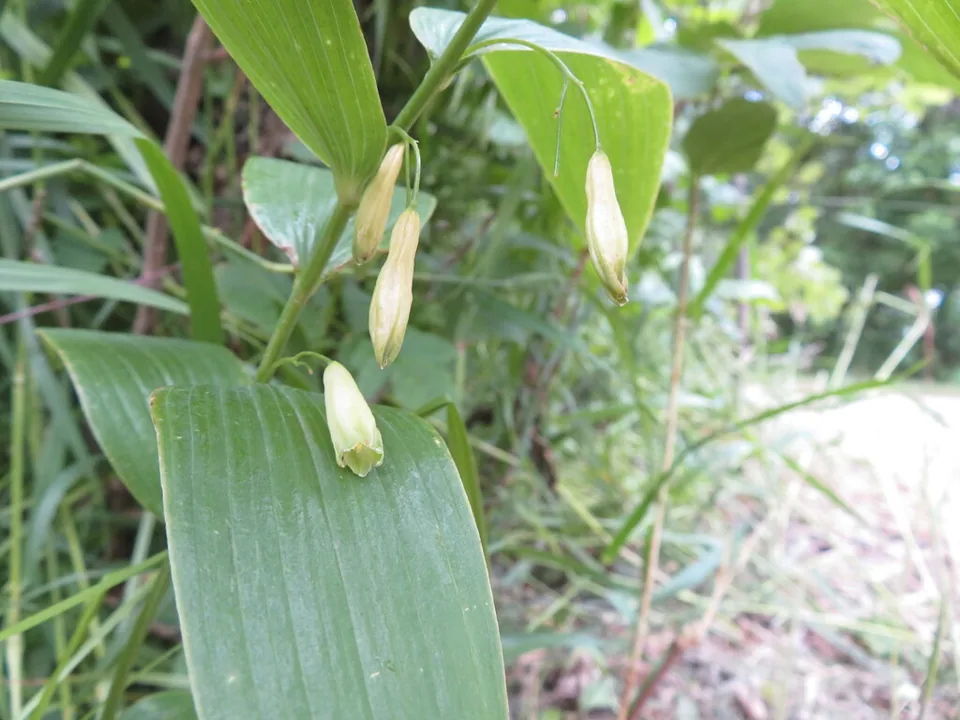
How to Grow and Care for Solomon's Seal
Polygonatum multiflorum
Written by Emilio Marruso · last checked
Toxic to: People · Why
At a glance
Solomon's seal is a perennial made for the shady corners of your garden, where cool shade or semi-shade suits it best. Give it soil that holds moisture but drains well, and it can even cope with dry shade if the soil is rich. Plant it in late spring or early summer, then share it by dividing the clumps in early spring or early autumn.
- Sun
Cool shade or partial shade
What the sources say (2)
Light: Cool shade or semi-shade
Prefers a fertile humus rich moisture retentive well-drained soil in cool shade or semi-shade
— Polygonatum multiflorum - Useful Temperate Plants [3] A typically sciaphilous (shade-loving) species that grows in cool, shady places, preferably at the edge or in the undergrowth of beech and pine woods
— Polygonatum multiflorum (L.) All. – Giardino della Flora Appenninica [1] - Water
Likes soil that stays moist but drains well; copes with dry shade in rich soil
What the sources say (2)
Watering notes: Prefers moisture-retentive, well-drained soil; succeeds in dry shade if the soil is rich in humus
Prefers a fertile humus rich moisture retentive well-drained soil in cool shade or semi-shade
— Polygonatum multiflorum - Useful Temperate Plants [3] Succeeds in dry shade if the soil is rich in humus
— Polygonatum multiflorum - Useful Temperate Plants [3] - Spacing
12 in between plants
What the sources say (2)
- Planting
Plant in late spring or early summer, after the last frosts
What the sources say (1)
Planting: Late spring or early summer, after the last expected frosts
Plant them out into their permanent positions in late spring or early summer, after the last expected frosts.
— Polygonatum multiflorum - Useful Temperate Plants [3] - Size
Up to 3 ft tall
What the sources say (1)
Mature height: up to 100 cm (1 m)
Habit: Perennial herbaceous plant reaching up to 1 metre in height.
— Polygonatum multiflorum (L.) All. – Giardino della Flora Appenninica [1] - Propagation
Divide the clumps in early spring or early autumn, or grow from seed
What the sources say (2)
Propagation: Seed; division in early spring or early autumn
Seed - best sown as soon as it is ripe in early autumn in a shady part of a cold greenhouse
— Polygonatum multiflorum - Useful Temperate Plants [3] Division in early spring or early autumn. Larger divisions can be planted out direct into their permanent positions.
— Polygonatum multiflorum - Useful Temperate Plants [3] - Sowing
Sow in early autumn as soon as the seed is ripe; stored seed as early in the year as you can
What the sources say (2)
Sowing: Early autumn as soon as the seed is ripe; stored seed as early in the year as possible
Seed - best sown as soon as it is ripe in early autumn in a shady part of a cold greenhouse
— Polygonatum multiflorum - Useful Temperate Plants [3] Sow stored seed as early in the year as possible. Germination can be slow, they may not come true to type
— Polygonatum multiflorum - Useful Temperate Plants [3] - Safety
Poisonous if eaten: it can cause vomiting and diarrhea
Overview
Polygonatum multiflorum is a rhizomatous perennial herb up to 1 metre [3.3 ft] tall, native from Europe to northern Iran and present in all Italian regions. [1][2] It is a shade-loving woodland species that prefers fertile, humus-rich, moisture-retentive but well-drained soil in cool shade or semi-shade. [3][1] The berries are described as poisonous, while the young shoots are reported as eaten cooked like asparagus. [1][3]
This record is incomplete: the sources we read do not cover every field yet.
Not yet covered by our sources: Watering, Hardiness, coldest zone, Hardiness, warmest zone, Pruning
Solomon's Seal care
Measurements in square brackets are our conversion into the other unit system; the quoted text is unchanged.
How to water Solomon's Seal
Watering
Not stated in the sources we read.
Watering notes
Prefers moisture-retentive, well-drained soil; succeeds in dry shade if the soil is rich in humus
How much light Solomon's Seal needs
Cool shade or semi-shade
What the sources say (2)
Prefers a fertile humus rich moisture retentive well-drained soil in cool shade or semi-shadeA typically sciaphilous (shade-loving) species that grows in cool, shady places, preferably at the edge or in the undergrowth of beech and pine woodsHow much cold Solomon's Seal can take
Hardiness, coldest zone
Not stated in the sources we read.
Hardiness, warmest zone
Not stated in the sources we read.
Where to grow Solomon's Seal
30 cm (30cm)
What each source says
ground cover: 30 cm (30cm)
How to propagate Solomon's Seal
Seed; division in early spring or early autumn
What the sources say (2)
Seed - best sown as soon as it is ripe in early autumn in a shady part of a cold greenhouseDivision in early spring or early autumn. Larger divisions can be planted out direct into their permanent positions.How to grow Solomon's Seal
The plant
Life cycle
perennial
What the sources say (1)
Habit: Perennial herbaceous plant reaching up to 1 metre in height.Family
Asparagaceae
What the sources say (1)
Asparagaceae Polygonatum ## Polygonatum multiflorum (L.) All. First published in Fl. Pedem. 1: 131 (1785) This species is acceptedMature height
up to 100 cm (1 m)
What the sources say (1)
Habit: Perennial herbaceous plant reaching up to 1 metre in height.Heat and drought
Remedies
The sources we checked give no remedies for this plant.
Is Solomon's Seal poisonous?
Reported by the source, quoted verbatim. This is not medical or veterinary advice: if a person or an animal may have eaten this plant, contact a poison control centre or a veterinarian.
Calendar
Sowing
Early autumn as soon as the seed is ripe; stored seed as early in the year as possible
What the sources say (2)
Seed - best sown as soon as it is ripe in early autumn in a shady part of a cold greenhouseSow stored seed as early in the year as possible. Germination can be slow, they may not come true to typePlanting
Late spring or early summer, after the last expected frosts
What the sources say (1)
Plant them out into their permanent positions in late spring or early summer, after the last expected frosts.Pruning
Not stated in the sources we read.
Months as given by the sources, which are mostly from the United States (northern hemisphere). In the southern hemisphere they shift by about six months.
Edibility
Reported by the source, quoted verbatim. Do not eat a plant on the basis of this page alone: identification mistakes can be dangerous.
Young shoots - cooked. Boiled and used as an asparagus substitute, they make an excellent vegetable
[3]Although the young spring shoots are sometimes eaten like wild asparagus (a practice not recommended to non-experts), the plant is considered toxic.
[1]The rhizome should be macerated for some time in water in order to remove bitter substances
[3]
Similar plants
- Dwarf Solomon's Seal Polygonatum humile
- Angular Solomon's seal Polygonatum odoratum
- Hairy Solomon's Seal Polygonatum pubescens
- Solomon's Seal Polygonatum biflorum
- Adam's Needle Yucca flaccida
- African Spear Dracaena angolensis
- Alpine squill Scilla bifolia
- American Agave Agave virginica
Sources
Every value above is quoted from these documents. Links lead to the original publisher.
- Polygonatum multiflorum (L.) All. – Giardino della Flora Appenninica · giardinocapracotta.unimol.it, consulted
- Polygonatum multiflorum (L.) All. | Plants of the World Online | Kew Science · powo.science.kew.org, consulted
- Polygonatum multiflorum - Useful Temperate Plants · temperate.theferns.info, consulted
- Polygonatum: growing and care, plus 13 of the best varieties | Gardens Illustrated · gardensillustrated.com, consulted
- How to Grow and Care for Solomon's Seal | BBC Gardeners World Magazine · gardenersworld.com, consulted
- Polygonatum (Solomon's Seal) | North Carolina Extension Gardener Plant Toolbox · plants.ces.ncsu.edu, consulted
- rhs.org.uk · rhs.org.uk
Written by Emilio Marruso · last checked