
How to Grow and Care for Briançon Apricot
Prunus brigantina
Written by Emilio Marruso · last checked
Toxic to: People · Why
At a glance
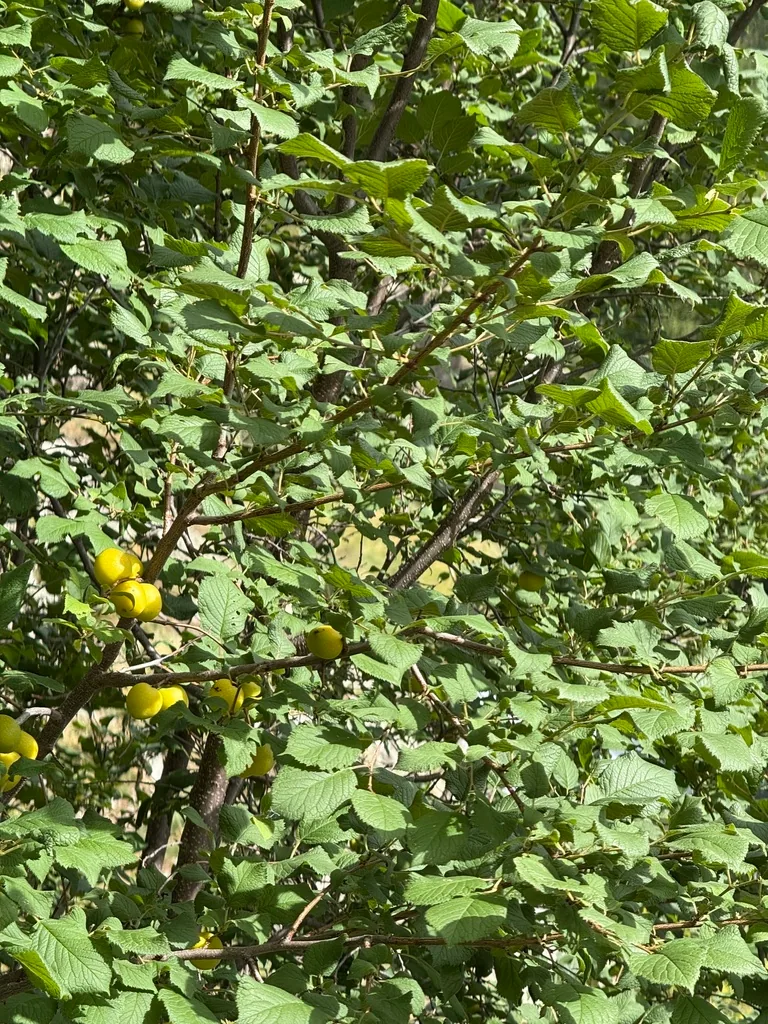
The Briançon apricot gives yellow plums 1 inch across, tasty raw or cooked, and its seed even yields an edible oil. It grows in sun or partial shade, but fruits better in a sunny spot. Give it moderate water and a well-drained loamy soil that holds moisture, because it does not tolerate drought.
- Sun
Sun or partial shade; fruits best in a sunny spot
What the sources say (1)
Light: Sun or partial shade; fruits better in a sunny position
Succeeds in sun or partial shade though it fruits better in a sunny position
— Prunus brigantina - Useful Temperate Plants [1] - Water
Moderate water; it can't stand drought
What the sources say (1)
Watering: Moderate water; drought intolerant
Drought intolerant
— Briançon Apricot (Prunus brigantina) — Practical Plants [2] - Cold
Survives winters down to 0 °F (−17.8 °C)
Hardy in very cold winters · USDA 7 · RHS H6 · Z7
What the sources say (1)
Hardiness, coldest zone: 7 [winter low −17.8 to −12.2 °C (0 to 10 °F)]
Hardiness Zone 7+
— Briançon Apricot (Prunus brigantina) — Practical Plants [2] - Soil
Well-drained loamy soil that holds moisture
What the sources say (1)
Watering notes: Thrives in a well-drained moisture-retentive loamy soil
Thrives in a well-drained moisture-retentive loamy soil, growing well on limestone
— Prunus brigantina - Useful Temperate Plants [1] - Planting
Plant seedlings out in late spring or early summer, after their first winter
What the sources say (1)
Planting: Late spring or early summer (seedlings, after their first winter)
plant them out in late spring or early summer of the following year
— Prunus brigantina - Useful Temperate Plants [1] - Harvest
Yellow plums 1 inch across, raw or cooked; the seed gives an edible oil
- Propagation
From seed, from cuttings, or by layering in spring
What the sources say (3)
Propagation: Seed (2-3 months cold stratification, sown in a cold frame); half-ripe wood cuttings with a heel; softwood cuttings; layering in spring
Seed - requires 2 - 3 months cold stratification and is best sown in a cold frame as soon as it is ripe
— Prunus brigantina - Useful Temperate Plants [1] Softwood cuttings from strongly growing plants in spring to early summer in a frame
— Prunus brigantina - Useful Temperate Plants [1] Layering in spring.
— Prunus brigantina - Useful Temperate Plants [1] - Sowing
Give seeds 2–3 months of cold, then sow in a cold frame as early in the year as you can
What the sources say (4)
Sowing: As early in the year as possible (stored seed, in a cold frame)
Sow stored seed in a cold frame as early in the year as possible
— Prunus brigantina - Useful Temperate Plants [1] Propagation: Seed (2-3 months cold stratification, sown in a cold frame); half-ripe wood cuttings with a heel; softwood cuttings; layering in spring
Seed - requires 2 - 3 months cold stratification and is best sown in a cold frame as soon as it is ripe
— Prunus brigantina - Useful Temperate Plants [1] Softwood cuttings from strongly growing plants in spring to early summer in a frame
— Prunus brigantina - Useful Temperate Plants [1] Layering in spring.
— Prunus brigantina - Useful Temperate Plants [1] - Safety
Seeds and young shoots contain natural poisons: don't eat the seeds
Overview
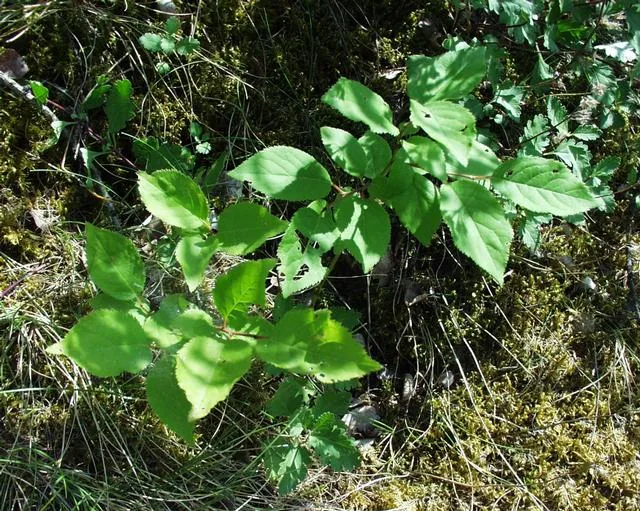
Prunus brigantina is a much-branched deciduous tree with a short trunk, cultivated as a fruit tree in parts of its native range. [1] It succeeds in sun or partial shade but fruits better in a sunny position, in a well-drained, moisture-retentive loamy soil. [1] The seed yields an edible oil used as an olive oil substitute in France. [2]
This record is incomplete: the sources we read do not cover every field yet.
Not yet covered by our sources: Harvest, Spacing
Briançon Apricot care
How to water Briançon Apricot
Watering
Moderate water; drought intolerant
What the sources say (1)
Drought
intolerantWatering notes
Thrives in a well-drained moisture-retentive loamy soil
What the sources say (1)
Thrives in a well-drained moisture-retentive loamy soil, growing well on limestoneHow much light Briançon Apricot needs
Sun or partial shade; fruits better in a sunny position
What the sources say (1)
Succeeds in sun or partial shade though it fruits better in a sunny positionHow much cold Briançon Apricot can take
7 [winter low −17.8 to −12.2 °C (0 to 10 °F)]
What the sources say (1)
Hardiness
Zone 7+Where to grow Briançon Apricot
Not stated in the sources we read.
How to propagate Briançon Apricot
Seed (2-3 months cold stratification, sown in a cold frame); half-ripe wood cuttings with a heel; softwood cuttings; layering in spring
What the sources say (3)
Seed - requires 2 - 3 months cold stratification and is best sown in a cold frame as soon as it is ripeSoftwood cuttings from strongly growing plants in spring to early summer in a frameLayering in spring.Remedies
The sources we checked give no remedies for this plant.
Is Briançon Apricot poisonous?
Reported by the source, quoted verbatim. This is not medical or veterinary advice: if a person or an animal may have eaten this plant, contact a poison control centre or a veterinarian.
The plant (especially the seed and young shoots) contains cyanogenic glycosides, especially amygdalin and prunasin.
[1]- Poisonous parts
The plant (especially the seed and young shoots) contains cyanogenic glycosides
[1]- Toxic principle
When injested, these compounds break down in the digestive tract to release cyanide.
[1]- Symptoms
cyanide can cause gasping, weakness, excitement, pupil dilation, spasms, convulsions, coma and respiratory failure leading to death
[1]
Calendar
Sowing
As early in the year as possible (stored seed, in a cold frame)
What the sources say (1)
Sow stored seed in a cold frame as early in the year as possiblePlanting
Late spring or early summer (seedlings, after their first winter)
What the sources say (1)
plant them out in late spring or early summer of the following yearHarvest
Not stated in the sources we read.
Months as given by the sources, which are mostly from the United States (northern hemisphere). In the southern hemisphere they shift by about six months.
Edibility
Reported by the source, quoted verbatim. Do not eat a plant on the basis of this page alone: identification mistakes can be dangerous.
Similar plants
- American Plum Prunus americana
- Black Cherry Prunus serotina
- Carolina Cherry Laurel Prunus caroliniana
- Cherry Plum Prunus cerasifera
- Chickasaw Plum Prunus angustifolia
- Chinese Plum Prunus glandulosa
- Downy Cherry Prunus tomentosa
- Flatwoods Plum Prunus umbellata
Sources
Every value above is quoted from these documents. Links lead to the original publisher.
- Prunus brigantina - Useful Temperate Plants · temperate.theferns.info, consulted
- Briançon Apricot (Prunus brigantina) — Practical Plants · practicalplants.org, consulted
- Prunus brigantina - Trees and Shrubs Online · treesandshrubsonline.org, consulted
- Plant of the Month · arthurleej.com, consulted
Written by Emilio Marruso · last checked