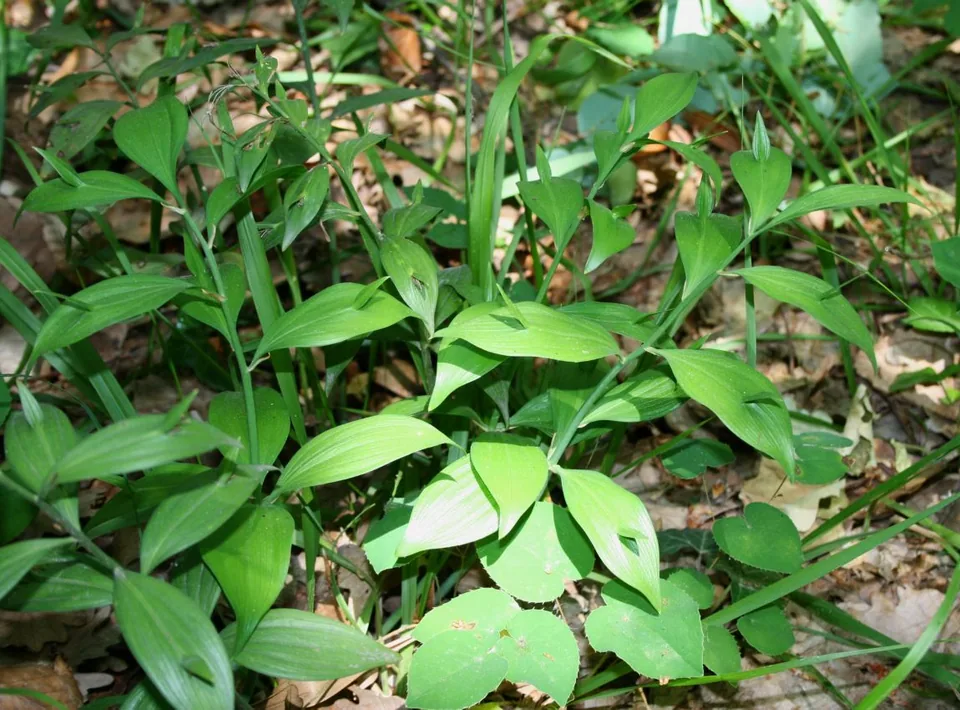
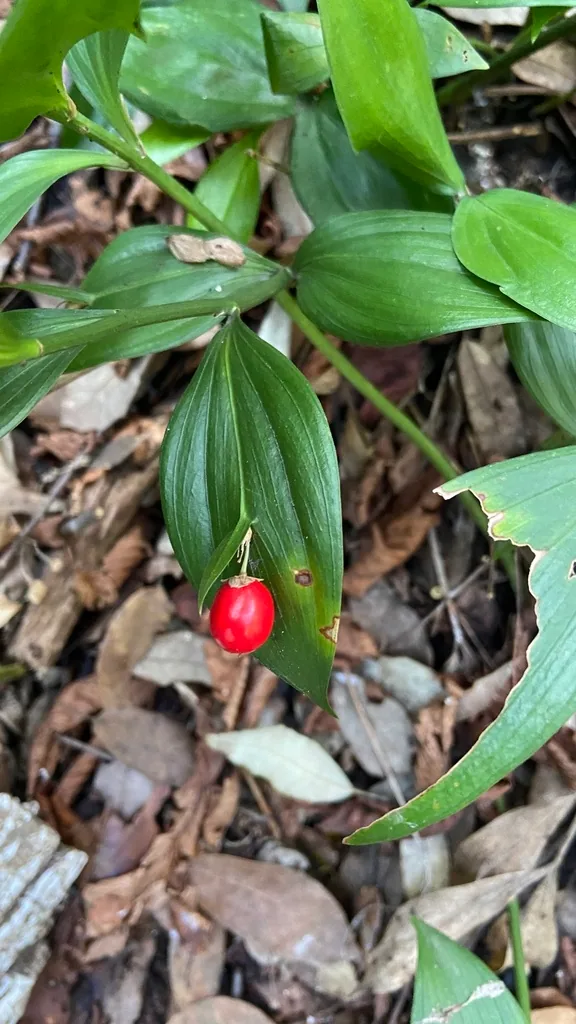

How to Grow and Care for Ruscus hypoglossum
Ruscus hypoglossum
Written by Emilio Marruso · last checked
At a glance
Got a shady corner where little else seems happy? This plant asks for shade and grows well in containers too, so it fits a dim patio or a quiet bed. Plant it in early spring, give it a light trim in autumn, and when the clump fills out, divide its rhizomes to share new plants with friends.
- Sun
Likes shade
- Planting
Plant in early spring
What the sources say (1)
Planting: Early spring
Planting is done in early spring at the rate of 3 plants per square meter.
— Ruscus hypoglossum or Spineless Butcher's-broom | Care and Growing [4] - Pruning
A light trim in autumn
What the sources say (1)
Pruning: Autumn (light pruning)
Ruscus hypoglossum accepts a light pruning in autumn to maintain a compact appearance.
— Ruscus hypoglossum or Spineless Butcher's-broom | Care and Growing [4] - Harvest
Has food uses, but which part is edible is not specified
- Propagation
Make new plants by dividing the clump of underground stems
- Containers
Grows in containers too
What the sources say (1)
In containers: Yes
Spineless Butcher's-broom is used to cover shady areas of the garden, in dark undergrowths and in pots.
— Ruscus hypoglossum or Spineless Butcher's-broom | Care and Growing [4]
Overview
Ruscus hypoglossum is a compact evergreen shrub with leaf-like cladodes, valued in gardens for shade and dry shade. [1] It is dioecious and bears red berries only when plants of both sexes are grown. [5] It is used to cover shady areas of the garden and in pots. [4]
This record is incomplete: the sources we read do not cover every field yet.
Not yet covered by our sources: Hardiness, coldest zone, Hardiness, warmest zone
Ruscus hypoglossum care
How to water Ruscus hypoglossum
The sources give different values depending on region, zone or growing conditions.
What each source says
According to consultaplantas: Water regularly, waiting for the substrate to be almost dry
According to Desert-Tropicals: Fairly drought resistant
What the sources say (2)
According to consultaplantas: Water regularly, waiting for the substrate to be almost dry; reduce watering in winter and increase it slightly in summer.According to Desert-Tropicals: Watering Needs: Fairly drought resistant, needs good drainage and alkaline soilHow much light Ruscus hypoglossum needs
How much cold Ruscus hypoglossum can take
Hardiness, coldest zone
Not stated in the sources we read.
Hardiness, warmest zone
Not stated in the sources we read.
Where to grow Ruscus hypoglossum
Yes
What the sources say (1)
Spineless Butcher's-broom is used to cover shady areas of the garden, in dark undergrowths and in pots.How to propagate Ruscus hypoglossum
How to grow Ruscus hypoglossum
The plant
Family
Asparagaceae
What the sources say (1)
Order
Asparagales
View Order Tree
opens in a new tab
-
Family
Asparagaceae
View Family Tree opens in a new tab
-
Genus
RuscusRemedies
The sources we checked give no remedies for this plant.
Calendar
Planting
Early spring
What the sources say (1)
Planting is done in early spring at the rate of 3 plants per square meter.Pruning
Autumn (light pruning)
What the sources say (1)
Ruscus hypoglossum accepts a light pruning in autumn to maintain a compact appearance.Months as given by the sources, which are mostly from the United States (northern hemisphere). In the southern hemisphere they shift by about six months.
Edibility
Reported by the source, quoted verbatim. Do not eat a plant on the basis of this page alone: identification mistakes can be dangerous.
has environmental uses and for food.
[2]
Similar plants
- Butcher's Broom Ruscus aculeatus
- Ruscus hypophyllum Ruscus hypophyllum
- Adam's Needle Yucca flaccida
- Alpine squill Scilla bifolia
- American Agave Agave virginica
- Asparagus Asparagus officinalis
- Asparagus Fern Asparagus setaceus
- Beaked Yucca Yucca rostrata
Sources
Every value above is quoted from these documents. Links lead to the original publisher.
- Ruscus hypoglossum - Trees and Shrubs Online · treesandshrubsonline.org, consulted
- Ruscus hypoglossum L. | Plants of the World Online | Kew Science · powo.science.kew.org, consulted
- A Neglected Genus � Ruscus · mediterraneangardensociety.org, consulted
- Ruscus hypoglossum or Spineless Butcher's-broom | Care and Growing · consultaplantas.com, consulted
- Butcher's Broom (Ruscus hypoglossum) · desert-tropicals.com, consulted
Written by Emilio Marruso · last checked