
How to Grow and Care for Persian zatar
Satureja thymbra
Written by Emilio Marruso · last checked
At a glance
This savory is a cook's delight: its leaves taste like thyme and season beans, savory breads, brine-cured olives and vegetables, while the leaves and young shoots make a tea. Give it full sun or light shade and soil that drains well, and you can pick it all through the growing season.
- Sun
Full sun to light shade
- Water
Needs soil that drains well: it can't stand soil that stays damp
- Cold
Survives winters down to 0 °F (−17.8 °C)
Hardy in very cold winters · USDA 7 · RHS H6 · Z7
What the sources say (1)
Hardiness, coldest zone: 7 [winter low −17.8 to −12.2 °C (0 to 10 °F)]
Light full sun Shade tolerance light shade Water moderate Hardiness Zone 7+
— Thyme-Leaved Savory (Satureja thymbra) — Practical Plants [2] - Planting
Plant seedlings out in summer, or in late spring to early summer after a winter in a cold frame
What the sources say (1)
Planting: Summer for seedlings, or late spring or early summer of the following year after a first winter in a cold frame
It is usually possible to plant out into their permanent positions during the summer
— Satureja thymbra - Useful Temperate Plants [1] - Harvest
Pick all season: the leaves taste like thyme; leaves and young shoots also make a tea
What the sources say (1)
Harvest: During the growing season
The leaves are harvested during the growing season and can be used fresh or dried
— Satureja thymbra - Useful Temperate Plants [1] - Propagation
By seed, cuttings, or dividing the plant in early spring
What the sources say (2)
Propagation: Seed; half-ripe wood cuttings; young wood cuttings; division in early spring
Cuttings of half-ripe wood, 5 - 8cm taken at a node, mid summer in a frame.
— Satureja thymbra - Useful Temperate Plants [1] Division in early spring as growth commences [11] [5] . This works best if soil has been mounded up
— Thyme-Leaved Savory (Satureja thymbra) — Practical Plants [2] - Sowing
Sow in mid-spring in a greenhouse, on the surface without covering the seeds
What the sources say (2)
Sowing: Mid spring, surface sown in a greenhouse (April in the second source)
Seed - surface sow in mid spring in a greenhouse. Do not allow the compost to dry out.
— Satureja thymbra - Useful Temperate Plants [1] Seed - surface sow in April in a greenhouse. Do not allow the compost to dry out.
— Thyme-Leaved Savory (Satureja thymbra) — Practical Plants [2]
Overview
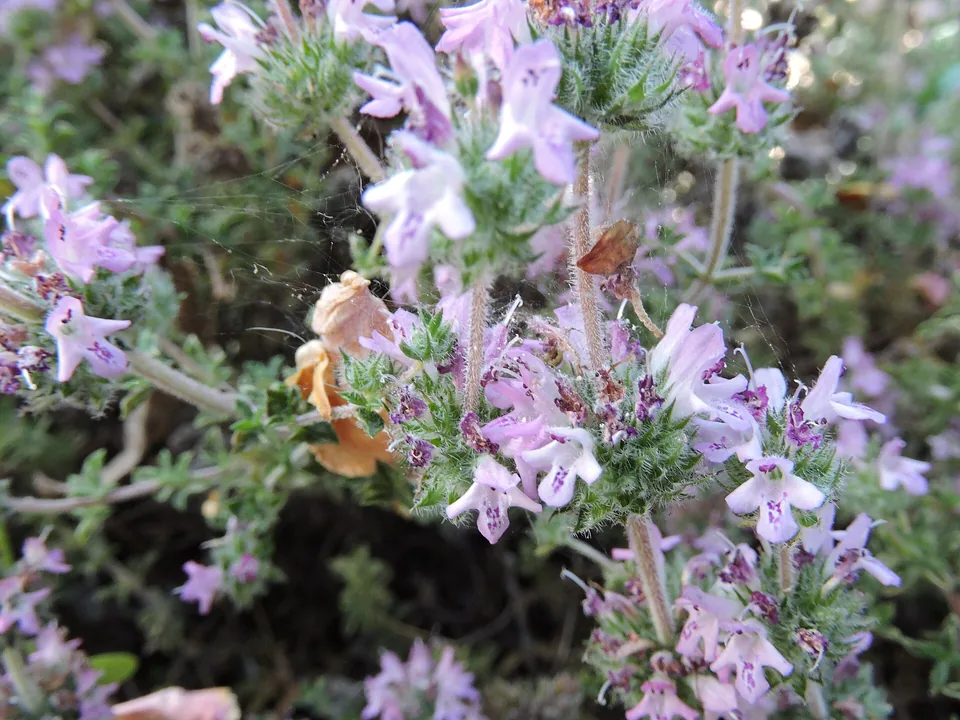
Satureja thymbra is a much-branched, dome-shaped aromatic shrub. [1][3] It needs a sunny position in well-drained soil and does not tolerate soils that stay damp. [1] The leaves have a thyme-like flavour and are used as a seasoning and for tea. [1]
Persian zatar care
How to water Persian zatar
How much light Persian zatar needs
How much cold Persian zatar can take
7 [winter low −17.8 to −12.2 °C (0 to 10 °F)]
What the sources say (1)
Light
full sun
Shade tolerance
light shade
Water
moderate
Hardiness
Zone 7+How to propagate Persian zatar
Seed; half-ripe wood cuttings; young wood cuttings; division in early spring
What the sources say (2)
Cuttings of half-ripe wood, 5 - 8cm taken at a node, mid summer in a frame.Division in early spring as growth commences [11] [5] . This works best if soil has been mounded upRemedies
Each remedy shows what official sources say about it; traditional remedies without an official source are marked as such. Harmful ones are listed so you know to avoid them.
Treating the plant
aphids
horticultural soap or neem oil Not verified
Traditional remedy, not verified by an official source.
How: Horticultural soaps and neem oil may aid in exterminating these pests.
spider mites
strong stream of water Not verified
Traditional remedy, not verified by an official source.
How: a strong stream of water aimed at the foliage and regular irrigation
Calendar
Mid spring, surface sown in a greenhouse (April in the second source)
What the sources say (2)
Seed - surface sow in mid spring in a greenhouse. Do not allow the compost to dry out.Seed - surface sow in April in a greenhouse. Do not allow the compost to dry out.Summer for seedlings, or late spring or early summer of the following year after a first winter in a cold frame
What the sources say (1)
It is usually possible to plant out into their permanent positions during the summerDuring the growing season
What the sources say (1)
The leaves are harvested during the growing season and can be used fresh or driedMonths as given by the sources, which are mostly from the United States (northern hemisphere). In the southern hemisphere they shift by about six months.
Edibility
Reported by the source, quoted verbatim. Do not eat a plant on the basis of this page alone: identification mistakes can be dangerous.
Similar plants
- Summer savory Satureja hortensis
- Winter savory Satureja montana
- Angelica Angelica archangelica
- Anise burnet saxifrage Pimpinella anisum
- Artemisia afra Artemisia afra
- Asiatic pennywort Centella asiatica
- Autumn Sage Salvia greggii
- Basil Ocimum basilicum
Sources
Every value above is quoted from these documents. Links lead to the original publisher.
- Satureja thymbra - Useful Temperate Plants · temperate.theferns.info, consulted
- Thyme-Leaved Savory (Satureja thymbra) — Practical Plants · practicalplants.org, consulted
- Savory of Crete : Protected,Herbal,Medicinal · wildflowers.co.il, consulted
- · cretanflora.com, consulted
Written by Emilio Marruso · last checked