
How to Grow and Care for Maltese Cross
Silene chalcedonica
Written by Emilio Marruso · last checked
Toxic to: Dogs · Why
At a glance
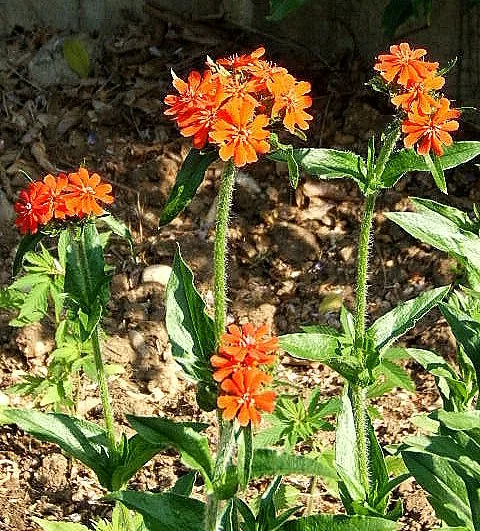
This plant is happy in full sun or partial shade, and it grows in containers too. Water new clumps regularly for the first few months, give it well-drained soil, and deadhead as the flowers fade. Its stems reach 20 to 40 inches tall, so it stands out wherever you plant it.
- Sun
Full sun to partial shade; afternoon shade helps in warm climates
What the sources say (3)
Light: Full sun to partial shade
warmer climates: A spot that provides afternoon shade is particularly beneficial in warmer climates.
— How to grow Silene chalcedonica: an expert flower guide | Homes and Gardens [5] Full sun (6 or more hours of direct sunlight a day) Partial Shade (Direct sunlight only part of the day, 2-6 hours)
— Silene chalcedonica (Burning Love, Common Rose Campion, Constantinople Campion, Flower of Bristol, Flower of Constantinople, Jerusalem Cross, Knight's Cross, Maltese Cross, Meadow Campion, None-such, Scarlet Lightning, Scarlet Lychnis, Tears of Christ) | North Carolina Extension Gardener Plant Toolbox [1] Grow Silene chalcedonica in full sun for the best flowers, but the plant can also tolerate part shade.
— How to grow Silene chalcedonica: an expert flower guide | Homes and Gardens [5] - Water
Water new plants regularly for the first few months; mulch in early spring to keep moisture in
What the sources say (2)
Watering notes: Water newly planted clumps regularly for the first few months; mulch in early spring to retain moisture; needs well-drained soil
However, newly-planted clumps need regular watering for the first few months to get established, and, even afterwards, the plants will perform better when watered during dry periods.
— How to grow Silene chalcedonica: an expert flower guide | Homes and Gardens [5] Mulching the plant in early spring will help the soil to retain moisture and suppress weeds.
— How to grow Silene chalcedonica: an expert flower guide | Homes and Gardens [5] - Soil
Needs well-drained soil
What the sources say (2)
Watering notes: Water newly planted clumps regularly for the first few months; mulch in early spring to retain moisture; needs well-drained soil
However, newly-planted clumps need regular watering for the first few months to get established, and, even afterwards, the plants will perform better when watered during dry periods.
— How to grow Silene chalcedonica: an expert flower guide | Homes and Gardens [5] Mulching the plant in early spring will help the soil to retain moisture and suppress weeds.
— How to grow Silene chalcedonica: an expert flower guide | Homes and Gardens [5] - Pruning
Remove fading flowers; cut the stems back in late fall or early spring
What the sources say (4)
Pruning: Deadhead as flowers fade; cut back after flowering in summer; cut back stems in late fall or early spring
According to Homes and Gardens: Tabar Gifford also recommends: 'Cut back the stems in late fall or early spring to prepare for new growth.'
— How to grow Silene chalcedonica: an expert flower guide | Homes and Gardens [5] According to BOKU Wien: empfiehlt es sich, die Pflanze nach Blüte im Sommer etwa eine Handbreit über dem Boden abschneiden.
— Lychnis chalcedonica (Brennende Liebe, scarlet lychnis) [6] Tabar Gifford also recommends: 'Cut back the stems in late fall or early spring to prepare for new growth.'
— How to grow Silene chalcedonica: an expert flower guide | Homes and Gardens [5] empfiehlt es sich, die Pflanze nach Blüte im Sommer etwa eine Handbreit über dem Boden abschneiden.
— Lychnis chalcedonica (Brennende Liebe, scarlet lychnis) [6] - Pests
Aphids and slugs
What the sources say (1)
Pests: aphids, slugs
Insects, Diseases, and Other Plant Problems: Aphids and slugs are known to feed on the Maltese Cross. The plant is generally disease-free.
— Silene chalcedonica (Burning Love, Common Rose Campion, Constantinople Campion, Flower of Bristol, Flower of Constantinople, Jerusalem Cross, Knight's Cross, Maltese Cross, Meadow Campion, None-such, Scarlet Lightning, Scarlet Lychnis, Tears of Christ) | North Carolina Extension Gardener Plant Toolbox [1] - Watch out
Wind and heavy rain can topple the tall stems: stake them; deadhead to stop it self-seeding
- Size
20–40 in tall and 4–20 in wide
What the sources say (3)
Mature height: 50.8-101.6 cm (20-40 in)
Maltese Cross is an erect deciduous perennial plant that grows about 20 to 40 inches tall.
— Silene chalcedonica (Burning Love, Common Rose Campion, Constantinople Campion, Flower of Bristol, Flower of Constantinople, Jerusalem Cross, Knight's Cross, Maltese Cross, Meadow Campion, None-such, Scarlet Lightning, Scarlet Lychnis, Tears of Christ) | North Carolina Extension Gardener Plant Toolbox [1] Height: 1 ft. 8 in. - 3 ft. 4 in. Width: 0 ft. 4 in. - 1 ft. 8 in.
— Silene chalcedonica (Burning Love, Common Rose Campion, Constantinople Campion, Flower of Bristol, Flower of Constantinople, Jerusalem Cross, Knight's Cross, Maltese Cross, Meadow Campion, None-such, Scarlet Lightning, Scarlet Lychnis, Tears of Christ) | North Carolina Extension Gardener Plant Toolbox [1] Mature width: 10.16-50.8 cm (4 in-1 ft 8 in)
Height: 1 ft. 8 in. - 3 ft. 4 in. Width: 0 ft. 4 in. - 1 ft. 8 in.
— Silene chalcedonica (Burning Love, Common Rose Campion, Constantinople Campion, Flower of Bristol, Flower of Constantinople, Jerusalem Cross, Knight's Cross, Maltese Cross, Meadow Campion, None-such, Scarlet Lightning, Scarlet Lychnis, Tears of Christ) | North Carolina Extension Gardener Plant Toolbox [1] - Propagation
By seed, by dividing clumps, or by basal cuttings in early spring
What the sources say (4)
Propagation: Seed, division of rhizomes, basal cuttings
The plant is propagated by seeds, division of its rhizomes, and basal cuttings.
— Silene chalcedonica (Burning Love, Common Rose Campion, Constantinople Campion, Flower of Bristol, Flower of Constantinople, Jerusalem Cross, Knight's Cross, Maltese Cross, Meadow Campion, None-such, Scarlet Lightning, Scarlet Lychnis, Tears of Christ) | North Carolina Extension Gardener Plant Toolbox [1] The ideal time to divide plants is in the fall, while you can also collect seeds from Silene chalcedonica in late summer or fall to sow next year.
— How to grow Silene chalcedonica: an expert flower guide | Homes and Gardens [5] Cuttings: Basal cuttings in early spring.
Propagate by division or basal cuttings in early spring.
— [7] The plant is propagated by seeds, division of its rhizomes, and basal cuttings.
— Silene chalcedonica (Burning Love, Common Rose Campion, Constantinople Campion, Flower of Bristol, Flower of Constantinople, Jerusalem Cross, Knight's Cross, Maltese Cross, Meadow Campion, None-such, Scarlet Lightning, Scarlet Lychnis, Tears of Christ) | North Carolina Extension Gardener Plant Toolbox [1] - Containers
Grows in containers too
What the sources say (1)
In containers: Yes
Silene chalcedonica can grow in pots in a container garden on a deck, patio, or balcony.
— How to grow Silene chalcedonica: an expert flower guide | Homes and Gardens [5] - Safety
Not poisonous to dogs, but eating a lot of it can upset their stomach
Overview
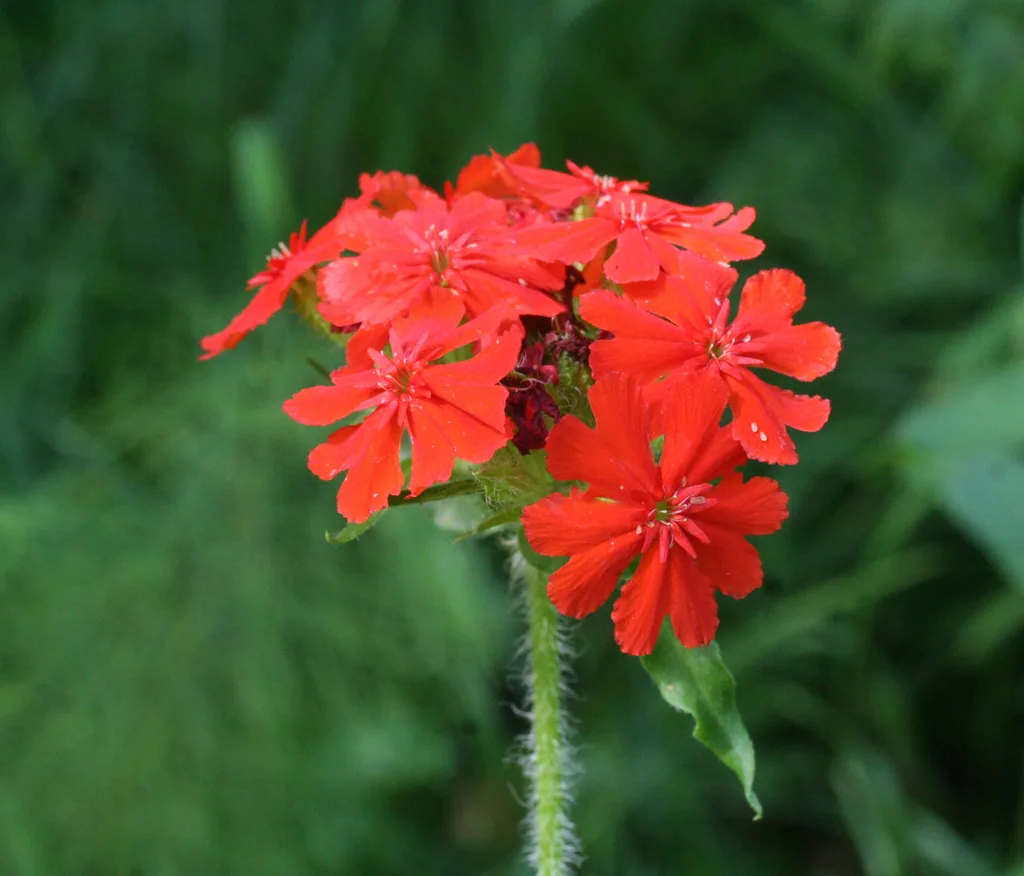
Silene chalcedonica, formerly Lychnis chalcedonica, is an erect perennial with clusters of scarlet cross-shaped flowers in summer. [1] It prefers full sun, constant moisture and well-drained soil, and tall plants may need staking and shelter from wind. [1] Removing faded flowers extends the bloom, and the flowers attract hummingbirds, bees and butterflies. [1]
Maltese Cross care
How to water Maltese Cross
Watering
The sources give different values depending on region, zone or growing conditions.
What each source says
According to NC State Extension: Constant moisture
According to Homes and Gardens: Drought tolerant once established; water during dry periods
What the sources say (5)
According to NC State Extension: The Maltese Cross prefers full sun and requires constant moisture and well-drained soil.According to Homes and Gardens: However, newly-planted clumps need regular watering for the first few months to get established, and, even afterwards, the plants will perform better when watered during dry periods.The Maltese Cross prefers full sun and requires constant moisture and well-drained soil.Maltese cross grows best in full sunlight on well-drained soils (eFloras 2008, Kahtz 2008). It requires constant moistureTrockenheit verträgt diese Pflanze nicht gut, weshalb regelmäßige Wassergaben wichtig sind.Watering notes
Water newly planted clumps regularly for the first few months; mulch in early spring to retain moisture; needs well-drained soil
What the sources say (2)
However, newly-planted clumps need regular watering for the first few months to get established, and, even afterwards, the plants will perform better when watered during dry periods.Mulching the plant in early spring will help the soil to retain moisture and suppress weeds.How much light Maltese Cross needs
Full sun to partial shade
What each source says
warmer climates: Afternoon shade beneficial
What the sources say (3)
warmer climates: A spot that provides afternoon shade is particularly beneficial in warmer climates.Full sun (6 or more hours of direct sunlight a day)
Partial Shade (Direct sunlight only part of the day, 2-6 hours)Grow Silene chalcedonica in full sun for the best flowers, but the plant can also tolerate part shade.How much cold Maltese Cross can take
Hardiness, coldest zone
The sources give different values depending on region, zone or growing conditions.
What each source says
According to NC State Extension: 3a [winter low −40 to −37.2 °C (−40 to −35 °F)]
According to Missouri Botanical Garden: 4 [winter low −34.4 to −28.9 °C (−30 to −20 °F)]
What the sources say (2)
According to NC State Extension: USDA Plant Hardiness Zone:
3a, 3b, 4a, 4b, 5a, 5b, 6a, 6b, 7a, 7b, 8a, 8b, 9a, 9bAccording to Missouri Botanical Garden: Recommended
for planting in sunny places on well-drained soil. In cultivation
since the XVI century. Z 4.Hardiness, warmest zone
9b [winter low −3.9 to −1.1 °C (25 to 30 °F)]
What the sources say (1)
USDA Plant Hardiness Zone:
3a, 3b, 4a, 4b, 5a, 5b, 6a, 6b, 7a, 7b, 8a, 8b, 9a, 9bWhere to grow Maltese Cross
Yes
What the sources say (1)
Silene chalcedonica can grow in pots in a container garden on a deck, patio, or balcony.How to propagate Maltese Cross
Seed, division of rhizomes, basal cuttings
What the sources say (2)
The plant is propagated by seeds, division of its rhizomes, and basal cuttings.The ideal time to divide plants is in the fall, while you can also collect seeds from Silene chalcedonica in late summer or fall to sow next year.How to grow Maltese Cross
The plant
Life cycle
biennial or perennial
What the sources say (1)
Life Cycle: Biennial Perennial Recommended Propagation Strategy: Division Seed Stem CuttingFamily
Caryophyllaceae
What the sources say (1)
It is a member of the Caryophyllaceae family that includes carnations and pinks.Mature height
50.8-101.6 cm (20-40 in)
What the sources say (2)
Maltese Cross is an erect deciduous perennial plant that grows about 20 to 40 inches tall.Height: 1 ft. 8 in. - 3 ft. 4 in. Width: 0 ft. 4 in. - 1 ft. 8 in.Mature width
10.16-50.8 cm (4 in-1 ft 8 in)
What the sources say (1)
Height: 1 ft. 8 in. - 3 ft. 4 in. Width: 0 ft. 4 in. - 1 ft. 8 in.Pests and diseases
Pests
aphids, slugs
What the sources say (1)
Insects, Diseases, and Other Plant Problems: Aphids and slugs are known to feed on the Maltese Cross. The plant is generally disease-free.Propagation
Cuttings
Basal cuttings in early spring.
What the sources say (2)
Propagate by division or basal cuttings in early spring.The plant is propagated by seeds, division of its rhizomes, and basal cuttings.Maltese Cross pests and problems
Aphids and slugs
Symptom: Aphids and slugs feed on the plant
What the sources say (1)
Insects, Diseases, and Other Plant Problems: Aphids and slugs are known to feed on the Maltese Cross. The plant is generally disease-free.
— Silene chalcedonica (Burning Love, Common Rose Campion, Constantinople Campion, Flower of Bristol, Flower of Constantinople, Jerusalem Cross, Knight's Cross, Maltese Cross, Meadow Campion, None-such, Scarlet Lightning, Scarlet Lychnis, Tears of Christ) | North Carolina Extension Gardener Plant Toolbox [1] Wind damage
Symptom: Tall stems toppled by wind or heavy rain
What to do: Stake plants and choose a sheltered site
What the sources say (1)
Tall plant supports prevent the plant from being toppled in winds or heavy rain, especially when it is covered in flowers.
— How to grow Silene chalcedonica: an expert flower guide | Homes and Gardens [5] Self-seeding
Symptom: Self-seeds around the garden
What to do: Deadhead to prevent spreading
What the sources say (1)
Silene chalcedonica is known to self-seed around a garden once planted, but it is not officially regarded as an invasive plant .
— How to grow Silene chalcedonica: an expert flower guide | Homes and Gardens [5]
Remedies
The sources we checked give no remedies for this plant.
Is Maltese Cross toxic to pets?
Reported by the source, quoted verbatim. This is not medical or veterinary advice: if a person or an animal may have eaten this plant, contact a poison control centre or a veterinarian.
Calendar
Pruning
Deadhead as flowers fade; cut back after flowering in summer; cut back stems in late fall or early spring
What each source says
According to Homes and Gardens: Late fall or early spring
According to BOKU Wien: After flowering in summer, a hand's width above the ground
What the sources say (4)
According to Homes and Gardens: Tabar Gifford also recommends: 'Cut back the stems in late fall or early spring to prepare for new growth.'According to BOKU Wien: empfiehlt es sich, die Pflanze nach Blüte im Sommer etwa eine Handbreit über dem Boden abschneiden.Tabar Gifford also recommends: 'Cut back the stems in late fall or early spring to prepare for new growth.'empfiehlt es sich, die Pflanze nach Blüte im Sommer etwa eine Handbreit über dem Boden abschneiden.Months as given by the sources, which are mostly from the United States (northern hemisphere). In the southern hemisphere they shift by about six months.
Similar plants
- Fire Pink Silene virginica
- Moss Campion Silene acaulis
- Rose Campion Silene coronaria
- Starry Campion Silene stellata
- Wild Pink Silene caroliniana
- Bladder Campion Silene vulgaris
- Silene dioica Silene dioica
- Royal catchfly Silene regia
Sources
Every value above is quoted from these documents. Links lead to the original publisher.
- Silene chalcedonica (Burning Love, Common Rose Campion, Constantinople Campion, Flower of Bristol, Flower of Constantinople, Jerusalem Cross, Knight's Cross, Maltese Cross, Meadow Campion, None-such, Scarlet Lightning, Scarlet Lychnis, Tears of Christ) | North Carolina Extension Gardener Plant Toolbox · plants.ces.ncsu.edu, consulted
- Last Updated: 2011-01-21 by Timm Nawrocki · accs.uaa.alaska.edu, consulted
- Lychnis chalcedonica (scarlet lychnis): Go Botany · gobotany.nativeplanttrust.org, consulted
- MBG: Research: Russia: Ornamental plants from Russia · mobot.org, consulted
- How to grow Silene chalcedonica: an expert flower guide | Homes and Gardens · homesandgardens.com, consulted
- Lychnis chalcedonica (Brennende Liebe, scarlet lychnis) · boku.ac.at, consulted
- rhs.org.uk · rhs.org.uk
Written by Emilio Marruso · last checked