
How to Grow and Care for Pink porcelain lily
Alpinia zerumbet
Written by Emilio Marruso · last checked
Toxic to: People · Why
At a glance
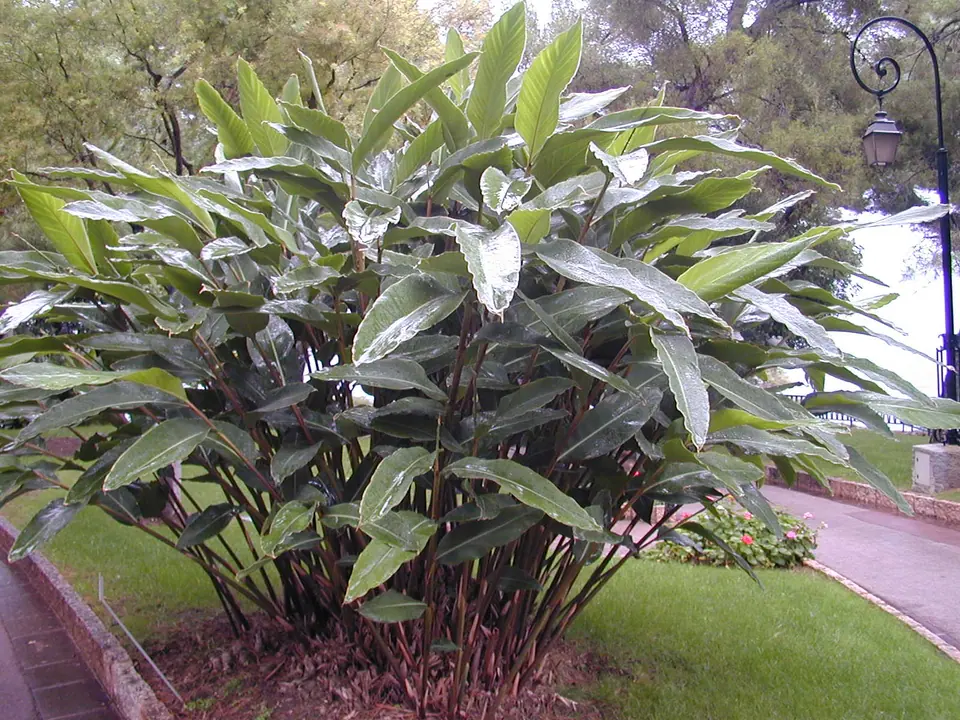
This member of the ginger family can reach 10 feet in its green form, while the variegated form stays at 3–4 feet. It grows in containers too, and you can start new plants from seed or by dividing its underground stems. The soft center of its young stems is eaten raw or stir-fried, and its leaves flavor ice cream and tea.
- Harvest
Young stem centers are eaten raw or stir-fried; the leaves flavor ice cream, teas and seasonings
- Size
Green form up to 10 ft tall; variegated form 3–4 ft
- Propagation
Grow from seed or by dividing the underground stems
What the sources say (3)
Propagation: Seed; division (rhizome)
Propagation Method | Seed, Division, Storage Organ (Rhizome)
— NParks | Alpinia zerumbet [2] It can be propagated by seed, and division via rhizomes.
— NParks | Alpinia zerumbet [2] Butterfly ginger is propagated by division of the rhizome in spring directly in the definitive location; new specimens can take up to 3 years to flower.
— Alpinia zerumbet or Shell ginger | Care and Growing [5] - Containers
Grows in containers too
What the sources say (1)
In containers: Yes
Landscape Uses | General, Suitable for Roadsides, Parks & Gardens, Flowerbed / Border, Container Planting
— NParks | Alpinia zerumbet [2] - Safety
No known hazards to people
Overview
Shell ginger is a rhizomatous herbaceous perennial grown as an ornamental, and its leaves are used to flavour foods in some countries. [2] It is propagated by seed and by division of rhizomes and can be planted in containers. [2]
This record is incomplete: the sources we read do not cover every field yet.
Not yet covered by our sources: Hardiness, coldest zone, Hardiness, warmest zone, Pruning
Pink porcelain lily care
How to water Pink porcelain lily
The sources give different values depending on region, zone or growing conditions.
What each source says
According to University of North Florida Botanical Garden: Moderately drought tolerant once established; irrigation may help during droughts
According to NParks: Lots of water
According to Consulta Plantas: Water regularly so the substrate is always damp but never waterlogged
What the sources say (3)
According to University of North Florida Botanical Garden: Water: moderately drought tolerant once established, irrigation may be beneficial during droughtsAccording to NParks: Water Preference
| Lots of WaterAccording to Consulta Plantas: Water regularly so that the substrate is always damp but never waterlogged.How much light Pink porcelain lily needs
The sources give different values depending on region, zone or growing conditions.
What each source says
According to University of North Florida Botanical Garden: Full sun to part shade
According to NParks: Semi-shade, full sun
According to Flora of the Canary Islands: Semi-shade; does not tolerate direct exposure to intense sunlight
According to Consulta Plantas: Semi-shade, without direct sun in the central hours of the day
What the sources say (4)
According to University of North Florida Botanical Garden: Light: full sun to part shadeAccording to NParks: Light Preference
| Semi-Shade, Full SunAccording to Flora of the Canary Islands: It does not tolerate direct exposure to intense
sunlight, which can burn the leavesAccording to Consulta Plantas: Alpinia zerumbet requires a semi-shade exposure without direct sun in the central hours of the day and a medium-high humidity.How much cold Pink porcelain lily can take
Hardiness, coldest zone
Not stated in the sources we read.
Hardiness, warmest zone
Not stated in the sources we read.
Where to grow Pink porcelain lily
Yes
What the sources say (1)
Landscape Uses
| General, Suitable for Roadsides, Parks & Gardens, Flowerbed / Border, Container PlantingHow to propagate Pink porcelain lily
Seed; division (rhizome)
What the sources say (3)
Propagation Method
| Seed, Division, Storage Organ (Rhizome)It can be propagated by seed, and division via rhizomes.Butterfly ginger is propagated by division of the rhizome in spring directly in the definitive location; new specimens can take up to 3 years to flower.How to grow Pink porcelain lily
The plant
Family
Zingiberaceae
What the sources say (1)
Family Zingiberaceae ## Description: The genus Alpinia is reported to be the largest genus in the ginger familyMature height
305 cm (10 feet), typical green form
What each source says
variegated form: about 91-122 cm (three to four feet)
Remedies
The sources we checked give no remedies for this plant.
Is Pink porcelain lily poisonous?
Reported by the source, quoted verbatim. This is not medical or veterinary advice: if a person or an animal may have eaten this plant, contact a poison control centre or a veterinarian.
Known Hazards None known
[3]
Calendar
Pruning
Not stated in the sources we read.
Months as given by the sources, which are mostly from the United States (northern hemisphere). In the southern hemisphere they shift by about six months.
Edibility
Reported by the source, quoted verbatim. Do not eat a plant on the basis of this page alone: identification mistakes can be dangerous.
Indicative values
Values from a secondary source, not checked word for word like the rest of this page. Use them as a starting point.
- Life cycle
- Herbaceous PerennialIndicative value, adapt it to your climate · Secondary source
- Hours of sun
- 6-8 hoursIndicative value, adapt it to your climate · Secondary source
- Drought tolerant
- yesIndicative value, adapt it to your climate · Secondary source
- Soil pH
- 5.5-6.5Indicative value, adapt it to your climate · Secondary source
- USDA hardiness zones
- 8-11 [winter low −12.2 to 10 °C (10 to 50 °F)]Indicative value, adapt it to your climate · Secondary source
- Growth rate
- LowIndicative value, adapt it to your climate · Secondary source
- Pruning
- February, March, AprilIndicative value, adapt it to your climate · Secondary source
Similar plants
- Greater galangal Alpinia galanga
- Butterfly Ginger Hedychium coronarium
- Cardamom Elettaria cardamomum
- Curcuma petiolata Curcuma petiolata
- Ginger Zingiber officinale
- Japanese ginger Zingiber mioga
- Kahili Ginger Hedychium gardnerianum
- Shampoo Ginger Zingiber zerumbet
Sources
Every value above is quoted from these documents. Links lead to the original publisher.
- UNF: Alpinia zerumbet · unf.edu, consulted
- NParks | Alpinia zerumbet · nparks.gov.sg, consulted
- Alpinia zerumbet - Useful Tropical Plants · tropical.theferns.info, consulted
- Alpinia zerumbet. Flora of the Canary Islands. Exotic and ornamental plants in Canary Islands · floracanaria.com, consulted
- Alpinia zerumbet or Shell ginger | Care and Growing · consultaplantas.com, consulted
- Discover Nature at JCU - Alpinia zerumbet - JCU Australia · jcu.edu.au, consulted
Written by Emilio Marruso · last checked