
How to Grow and Care for Pineapple
Ananas comosus
Written by Emilio Marruso · last checked
Toxic to: People · Why
At a glance
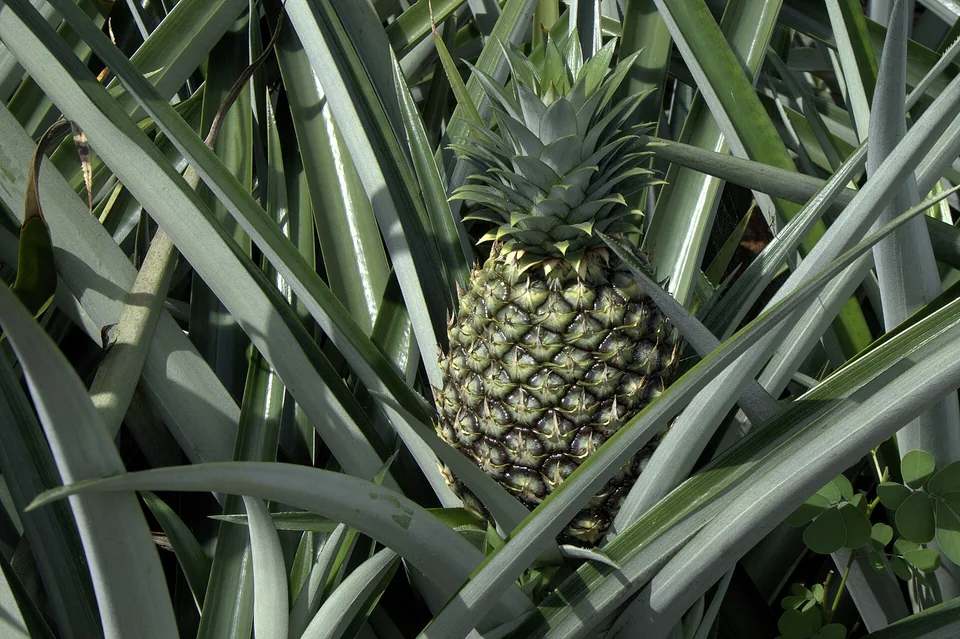
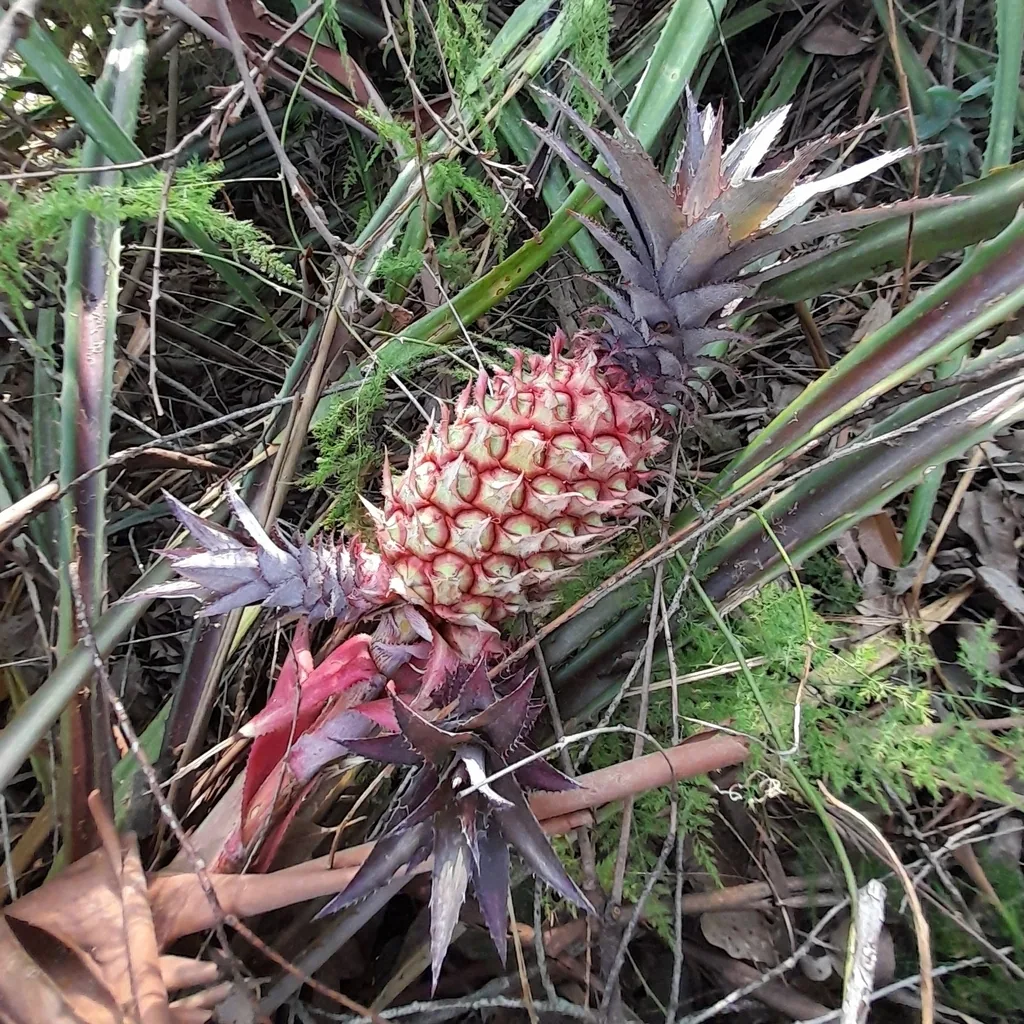
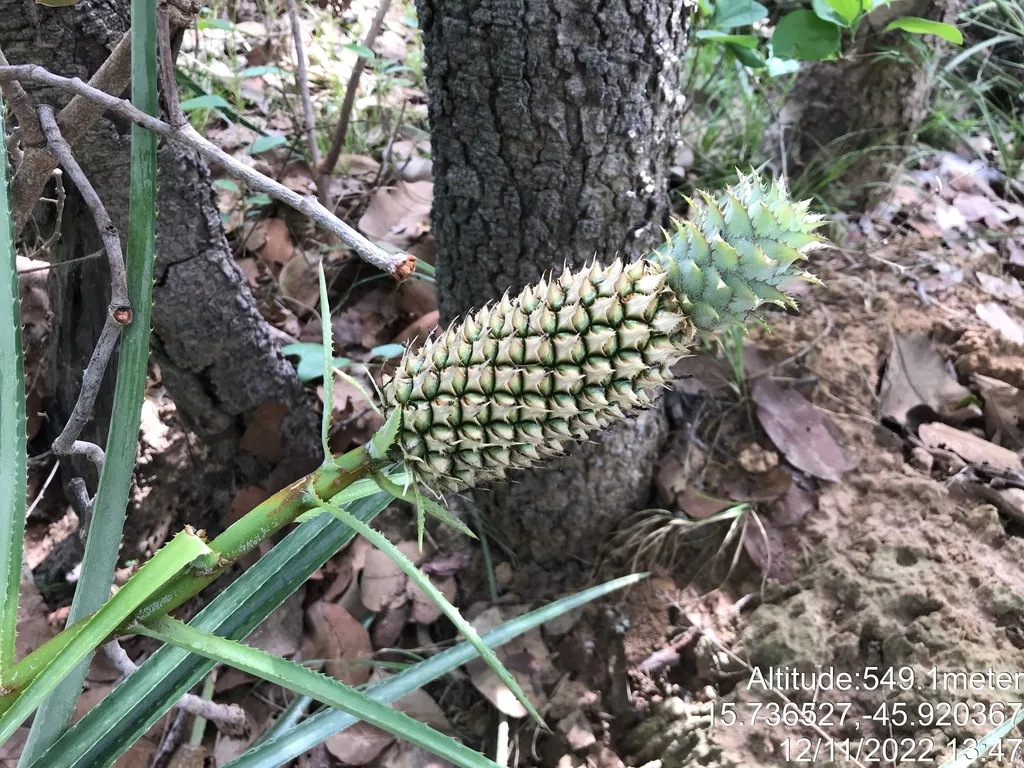
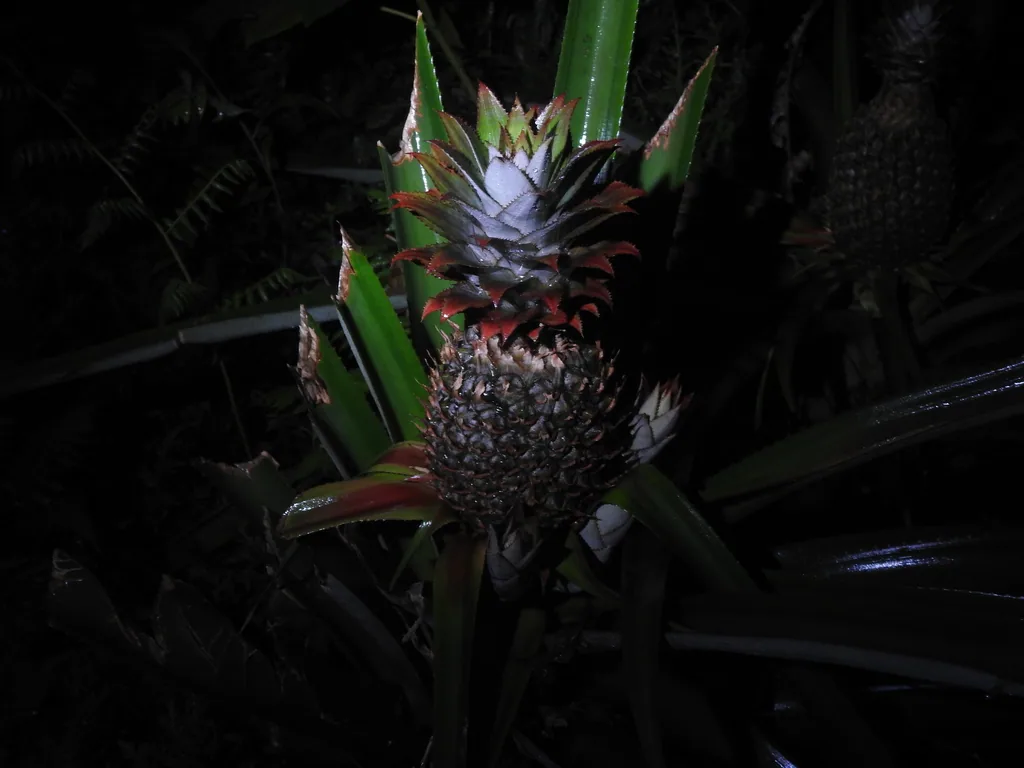
Pineapple is a patient, rewarding perennial: plant a crown or a pup in well-drained soil and let it dry out between waterings. In 18 to 32 months, a sweet, aromatic fruit turns from green to golden brown and smells ripe, ready to pick. It grows happily in pots and even indoors; just keep it safe from frost.
- Water
Handles dry spells; in sandy soil water once a week and let the soil dry out between waterings
What the sources say (7)
Watering: Fairly drought tolerant but does best when watered during dry periods; in sandy soils water about once a week; best to allow the soil to dry out between watering
sandy soils: In sandy soils you may need to water about once a week.
— Pineapple – Gardening Solutions [4] According to NC State Extension: It is best to allow the soil to dry out between watering.
— Ananas comosus (Ananas, Pina, Pineapple) | North Carolina Extension Gardener Plant Toolbox [1] Pineapples are fairly drought tolerant but do best when watered during dry periods. In sandy soils you may need to water about once a week.
— Pineapple – Gardening Solutions [4] It is best to allow the soil to dry out between watering.
— Ananas comosus (Ananas, Pina, Pineapple) | North Carolina Extension Gardener Plant Toolbox [1] Watering notes: Wilting and drying older leaves indicate underwatering; avoid overwatering, prolonged wet conditions and poor drainage; mulching helps the soil retain water
If the older leaves are wilting and drying out, your pineapple is underwatered.
— Pineapple – Gardening Solutions [4] Avoid overwatering, prolonged wet conditions, and poor drainage.
— Ananas comosus (Ananas, Pina, Pineapple) | North Carolina Extension Gardener Plant Toolbox [1] Mulching around the plant can suppress weeds and help the soil retain water.
— Pineapple – Gardening Solutions [4] - Cold
Survives winters down to 30 °F (−1.1 °C)
Half hardy: mild winters or an unheated greenhouse · USDA 10a · RHS H3 · Z10
What the sources say (2)
Hardiness, coldest zone: 10a [winter low −1.1 to 1.7 °C (30 to 35 °F)]
USDA Plant Hardiness Zone: 10a, 10b, 11a, 11b, 12a, 12b
— Ananas comosus (Ananas, Pina, Pineapple) | North Carolina Extension Gardener Plant Toolbox [1] Hardiness, warmest zone: 12b [winter low 12.8 to 15.6 °C (55 to 60 °F)]
USDA Plant Hardiness Zone: 10a, 10b, 11a, 11b, 12a, 12b
— Ananas comosus (Ananas, Pina, Pineapple) | North Carolina Extension Gardener Plant Toolbox [1] - Soil
Well-drained, acidic soil, pH up to 6.0
What the sources say (4)
Soil pH, maximum: 6.0
Soil pH: Acid (<6.0) Soil Drainage: Good Drainage
— Ananas comosus (Ananas, Pina, Pineapple) | North Carolina Extension Gardener Plant Toolbox [1] Watering notes: Wilting and drying older leaves indicate underwatering; avoid overwatering, prolonged wet conditions and poor drainage; mulching helps the soil retain water
If the older leaves are wilting and drying out, your pineapple is underwatered.
— Pineapple – Gardening Solutions [4] Avoid overwatering, prolonged wet conditions, and poor drainage.
— Ananas comosus (Ananas, Pina, Pineapple) | North Carolina Extension Gardener Plant Toolbox [1] Mulching around the plant can suppress weeds and help the soil retain water.
— Pineapple – Gardening Solutions [4] - Spacing
1 to 3 ft apart
What the sources say (1)
Spacing: 30.5-91.4 cm (1 to 3 ft)
Plant pineapple pups or crowns in full sun, leaving 1 to 3 feet between individual plants.
— Pineapple – Gardening Solutions [4] - Planting
Plant a crown 3 to 4 in deep
What the sources say (1)
Sowing depth: 7.6-10 cm (3 to 4 in) for a crown
Plant the crown 3 to 4 inches deep in a well-drained container with good potting soil.
— Pineapple – Gardening Solutions [4] - Harvest
Pick when it smells ripe and turns golden brown, 18 to 32 months after planting
What the sources say (4)
Harvest: About 18 to 32 months after planting; ripe when it smells ripe and the peel has changed from green to golden brown
All told, your patience will be rewarded about 18 to 32 months after you plant.
— Pineapple – Gardening Solutions [4] When it smells ripe and the peel has changed from green to golden brown, it’s ready to eat!
— Pineapple – Gardening Solutions [4] How to harvest: Harvest when the fruit smells ripe and the peel has changed from green to golden brown. The fruit can also be picked early, when full-sized but still green, and underripe fruit allowed to ripen at room temperature.
When it smells ripe and the peel has changed from green to golden brown, it’s ready to eat!
— Pineapple – Gardening Solutions [4] You may pick the fruit early, when it is full-sized but still green. Allow any underripe fruit to ripen at room temperature.
— Pineapple – Gardening Solutions [4] - Pests
Watch for mealybugs, scale, spider mites and nematodes; avoid soggy soil to prevent root rot
What the sources say (4)
Pests: mealybugs, scale insects, spider mites, nematodes
Monitor for mealybugs, scale insects, spider mites, and nematodes.
— Ananas comosus (Ananas, Pina, Pineapple) | North Carolina Extension Gardener Plant Toolbox [1] Nematodes, scales, and mealy bugs are the most common pests.
— Pineapple – Gardening Solutions [4] - Safety
Juice may irritate skin and eyes; leaves have sharp, spiny tips
- Propagation
Grow new plants from the fruit crown, pups, suckers or slips
What the sources say (2)
Propagation: Fruit crown, suckers produced at the base of the plant, plantlets produced on the inflorescence; pups (slips, suckers, hapas) and ratoons
Pineapple is propagated asexually from the fruit crown, suckers produced at the base of the plant or plantlets produced on the inflorescence below the flowers.
— Ananas comosus (Ananas, Pina, Pineapple) | North Carolina Extension Gardener Plant Toolbox [1] These are called slips, suckers, or hapas depending where on the plant they grow.
— Pineapple – Gardening Solutions [4] - Containers
Grows in containers, even indoors
Overview
Pineapple is a slow-growing tropical perennial of the bromeliad family grown for its edible fruit. [1] Freezing temperatures below 28 degrees Fahrenheit [−2 °C] will kill the plant, and it is vulnerable to root rot in prolonged high soil moisture. [4] It is commonly propagated from the fruit crown or from pups, and can be grown in containers. [4]
This record is incomplete: the sources we read do not cover every field yet.
Not yet covered by our sources: Planting
Pineapple care
Measurements in square brackets are our conversion into the other unit system; the quoted text is unchanged.
How to water Pineapple
Watering
Fairly drought tolerant but does best when watered during dry periods; in sandy soils water about once a week; best to allow the soil to dry out between watering
What each source says
sandy soils: About once a week
According to NC State Extension: Allow the soil to dry out between watering
What the sources say (4)
sandy soils: In sandy soils you may need to water about once a week.According to NC State Extension: It is best to allow the soil to dry out between watering.Pineapples are fairly drought tolerant but do best when watered during dry periods. In sandy soils you may need to water about once a week.It is best to allow the soil to dry out between watering.Watering notes
Wilting and drying older leaves indicate underwatering; avoid overwatering, prolonged wet conditions and poor drainage; mulching helps the soil retain water
What the sources say (3)
If the older leaves are wilting and drying out, your pineapple is underwatered.Avoid overwatering, prolonged wet conditions, and poor drainage.Mulching around the plant can suppress weeds and help the soil retain water.How much light Pineapple needs
The sources give different values depending on region, zone or growing conditions.
What each source says
According to NC State Extension: Bright, indirect sunlight (partial shade)
According to UF/IFAS Gardening Solutions (pups or crowns planted in the landscape): Full sun
grown as a houseplant (University of Arkansas Extension): As much light as possible
What the sources say (3)
According to NC State Extension: This plant prefers bright, indirect sunlight and consistently moist, slightly acidic, well-drained sand or organically rich soil.According to UF/IFAS Gardening Solutions (pups or crowns planted in the landscape): Plant pineapple pups or crowns in full sun, leaving 1 to 3 feet between individual plants.grown as a houseplant (University of Arkansas Extension): Give the new plant as much light as possible but be sure to keep the night temperature above 65 degrees.How much cold Pineapple can take
Hardiness, coldest zone
10a [winter low −1.1 to 1.7 °C (30 to 35 °F)]
What the sources say (1)
USDA Plant Hardiness Zone:
10a, 10b, 11a, 11b, 12a, 12bHardiness, warmest zone
12b [winter low 12.8 to 15.6 °C (55 to 60 °F)]
What the sources say (1)
USDA Plant Hardiness Zone:
10a, 10b, 11a, 11b, 12a, 12bBest soil for Pineapple
6.0
What the sources say (1)
Soil pH:
Acid (<6.0)
Soil Drainage:
Good DrainageWhere to grow Pineapple
Indoors
Yes
What the sources say (1)
Pineapple plants can be grown as a houseplant, and if you are patient they will evenIn containers
Yes
What the sources say (1)
Pineapple plants will also grow happily in 3 to 7 gallon containers.Spacing
30.5-91.4 cm (1 to 3 ft)
What the sources say (1)
Plant pineapple pups or crowns in full sun, leaving 1 to 3 feet between individual plants.How to propagate Pineapple
Fruit crown, suckers produced at the base of the plant, plantlets produced on the inflorescence; pups (slips, suckers, hapas) and ratoons
What the sources say (2)
Pineapple is propagated asexually from the fruit crown, suckers produced at the base of the plant or plantlets produced on the inflorescence below the flowers.These are called slips, suckers, or hapas depending where on the plant they grow.How to grow Pineapple
The plant
Life cycle
perennial
What the sources say (1)
Pineapple is an herbaceous perennial that is slow-growing and clump-forming and is native to the tropical areas of South America.Family
Bromeliaceae
What the sources say (1)
This plant is a member of the pineapple family (Bromeliaceae).Mature height
The sources disagree:
Pineapples grow 3 to 4 feet tall and 3 to 4 feet wide and have an evergreen basal rosette of stiff, sword-shaped, spiky, narrow, long leaves.
[1]Mature plants grow to between 3 and 6 feet high and wide.
[4]In tropical regions pineapples grow about five feet tall with their long, stiff, sword-shaped leaves in an upright rosette.
[3]
Mature width
The sources disagree:
Sowing and growth
Sowing depth
7.6-10 cm (3 to 4 in) for a crown
What the sources say (1)
Plant the crown 3 to 4 inches deep in a well-drained container with good potting soil.Days to maturity
18 to 32 months after planting; 14 to 18 months to reach mature size
Harvest and storage
How to harvest
Harvest when the fruit smells ripe and the peel has changed from green to golden brown. The fruit can also be picked early, when full-sized but still green, and underripe fruit allowed to ripen at room temperature.
What the sources say (2)
When it smells ripe and the peel has changed from green to golden brown, it’s ready to eat!You may pick the fruit early, when it is full-sized but still green. Allow any underripe fruit to ripen at room temperature.Saving seeds
The fruit is generally seedless because pineapples are self-incompatible; plants are propagated vegetatively from the fruit crown, pups, suckers or slips.
Pests and diseases
Pests
mealybugs, scale insects, spider mites, nematodes
Diseases
heart rot, black rot, base rot, root rot
Fertilizing
When
The sources give different values depending on region, zone or growing conditions.
What each source says
young plants: During the dry period of the year
What the sources say (1)
young plants: Fertilize young plants with a balanced fertilizer about every two months during the dry period of the year.How often
The sources give different values depending on region, zone or growing conditions.
What each source says
young plants: Every two months
What the sources say (1)
young plants: Fertilize young plants with a balanced fertilizer about every two months during the dry period of the year.Mineral fertilizers
The sources give different values depending on region, zone or growing conditions.
What each source says
young plants: Balanced fertilizer
What the sources say (1)
young plants: Fertilize young plants with a balanced fertilizer about every two months during the dry period of the year.Pineapple pests and problems
Root rot
Symptom: Root rot in long periods of high soil moisture
What to do: Avoid long periods of high soil moisture
What the sources say (1)
Pineapples are vulnerable to root rot. This can be prevented by avoiding long periods of high soil moisture.
— Pineapple – Gardening Solutions [4] Pests
Symptom: Nematodes, scales and mealy bugs are the most common pests
What to do: Monitor for mealybugs, scale insects, spider mites and nematodes
Cold damage
Symptom: Freezing temperatures below 28 degrees Fahrenheit kill the plant
What to do: Protect from frost or bring containers inside
What the sources say (1)
Protect them from frost or bring containers inside to avoid freeze damage.
— Pineapple – Gardening Solutions [4]
Remedies
Each remedy shows what official sources say about it; traditional remedies without an official source are marked as such. Harmful ones are listed so you know to avoid them.
Treating the plant
mealybugs and scale
horticultural oil Not verified
Traditional remedy, not verified by an official source.
How: Spray, or dip the whole plant if mealybugs are present at the base of the plant.
mealybugs
lady beetles Official source, not independently tested
How: Natural enemies such as lady beetles can control mealybugs.
Mealybugs can potentially be controlled by natural enemies such as lady beetles
— plantvillage.psu.edu [5]
pests
insecticidal soap spray Works
How: Insecticidal soaps are among the ways to keep pests at bay.
From insecticidal soaps to natural predators like ladybugs, there are plenty of ways to keep pests at bay.
— mypineappleplant.com [6] What the evidence says For example, insecticidal soap is a safe, effective organic insecticide with minimal environmental impact.
— extension.psu.edu [7]
nematodes
clean sterile growing medium Not verified
Traditional remedy, not verified by an official source.
How: Use clean, sterile medium for growing pineapples indoors or in a greenhouse so as not to encourage nematodes.
three-year crop rotation with grasses Not verified
Traditional remedy, not verified by an official source.
How: A three-year crop rotation with grasses like green foxtail grass is recommended for pineapples in the garden.
phytophthora heart and root rot
planting in raised beds Official source, not independently tested
How: Raised beds drain the soil and reduce the incidence of the disease.
Planting in raised beds helps to drain the soil and reduces incidence of the disease
— plantvillage.psu.edu [5]
Is Pineapple poisonous?
Reported by the source, quoted verbatim. This is not medical or veterinary advice: if a person or an animal may have eaten this plant, contact a poison control centre or a veterinarian.
Mild skin irritation in sensitive people from contact with juice; mechanical damage from sharp-pointed, spiny leaves; irritation to the eyes from splashed juice;
[1]- Poisonous parts
Poison Part: Fruits Leaves Sap/Juice
[1]- Toxic principle
Poison Toxic Principle: Bromelin, ethyl acrylate, and calcium oxalate crystals
[1]- Symptoms
Mild skin irritation in sensitive people from contact with juice; mechanical damage from sharp-pointed, spiny leaves; irritation to the eyes from splashed juice; irritation of mouth, lips, and tongue from ingesting fruit (bromelain).
[1]- Severity
Poison Severity: Low
[1]
Calendar
Planting
Not stated in the sources we read.
Harvest
About 18 to 32 months after planting; ripe when it smells ripe and the peel has changed from green to golden brown
Months as given by the sources, which are mostly from the United States (northern hemisphere). In the southern hemisphere they shift by about six months.
Edibility
Reported by the source, quoted verbatim. Do not eat a plant on the basis of this page alone: identification mistakes can be dangerous.
Sweet, succulent, aromatic mature fruit edible raw, cooked or preserved.
[1]
Indicative values
Values from a secondary source, not checked word for word like the rest of this page. Use them as a starting point.
- Hours of sun
- 6-8 hoursIndicative value, adapt it to your climate · Secondary source
- Care level
- MediumIndicative value, adapt it to your climate · Secondary source
- Growth rate
- HighIndicative value, adapt it to your climate · Secondary source
- Pruning
- December, January, FebruaryIndicative value, adapt it to your climate · Secondary source
Similar plants
- Air Plant Tillandsia ionantha
- Air Plant Tillandsia xerographica
- Amazonian Zebra Plant Aechmea chantinii
- Earth Star Cryptanthus bivittatus
- Flaming Sword Vriesea splendens
- Scarlet Star Guzmania lingulata
- Spanish moss Tillandsia usneoides
- Urn Plant Aechmea fasciata
Sources
Every value above is quoted from these documents. Links lead to the original publisher.
- Ananas comosus (Ananas, Pina, Pineapple) | North Carolina Extension Gardener Plant Toolbox · plants.ces.ncsu.edu, consulted
- Ananas - Ananas comosus | North Carolina Extension Gardener Plant Toolbox · plants.ces.ncsu.edu, consulted
- Pineapple · uaex.uada.edu, consulted
- Pineapple – Gardening Solutions · gardeningsolutions.ifas.ufl.edu, consulted
- plantvillage.psu.edu · plantvillage.psu.edu
- mypineappleplant.com · mypineappleplant.com
- extension.psu.edu · extension.psu.edu
Written by Emilio Marruso · last checked