
How to Grow and Care for Flaming Sword
Vriesea splendens
Written by Emilio Marruso · last checked
At a glance
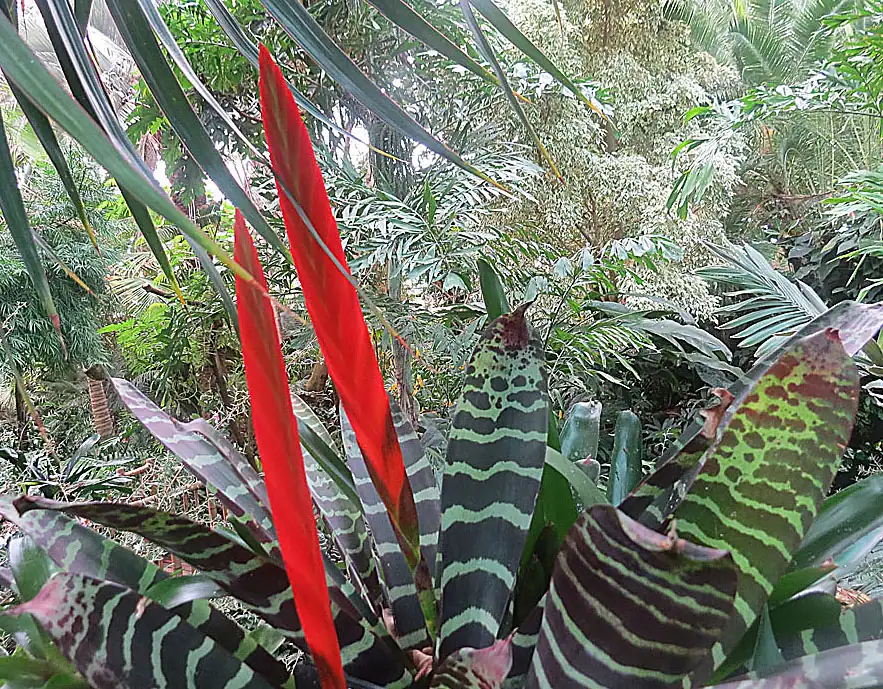
This perennial bromeliad is happy to live indoors or in a pot, bringing a touch of the tropics to your home. Give it bright, indirect light and keep its central cup filled with water, refreshing it every 2 weeks. It grows 2–3 feet tall, and over time it makes little pups you can use to start new plants.
- Sun
Bright, indirect light to partial shade
What the sources say (3)
Light: Bright, indirect light to partial shade
The flaming sword prefers bright, indirect sunlight to partial shade and grows best in a potting mix or orchid mix.
— Lutheria splendens (Flaming Sword) | North Carolina Extension Gardener Plant Toolbox [1] Cultural Conditions: Light: Partial Shade (Direct sunlight only part of the day, 2-6 hours)
— Lutheria splendens (Flaming Sword) | North Carolina Extension Gardener Plant Toolbox [1] Light : Bright indirect light year-round, with some direct sun in the winter.
— Bromeliad Plant Growing Specifications - Vriesea Splendens And Hybrids | Bromeliad Plant Care [5] - Water
Keep the central cup full, fresh water every 2 weeks; let the top half of the soil dry out
What the sources say (5)
Watering: Water through the central cup; keep the potting mix moist but well-drained and let the top half dry out between waterings
The plant is watered through its central cup, and the soil should be moist but well-drained. Allow the top half of the potting mix to dry out between waterings.
— Lutheria splendens (Flaming Sword) | North Carolina Extension Gardener Plant Toolbox [1] Vriesea flaming sword info says watering for this plant should be minimal. Soil should be no more than lightly moist and never allowed to completely dry out.
— Flaming Sword Houseplant - Vriesea Flaming Sword Info And Care | Gardening Know How [2] Watering notes: Keep the central cup filled with water; refill the reservoir every 2 weeks with fresh water; high humidity (50%)
As with other bromeliads, the flaming sword houseplant has a cup or tank in the middle of the plant. Keep this cup filled with water.
— Flaming Sword Houseplant - Vriesea Flaming Sword Info And Care | Gardening Know How [2] Water : Keep soil lightly moist at all times, and refill reservoir every 2 weeks with fresh water.
— Bromeliad Plant Growing Specifications - Vriesea Splendens And Hybrids | Bromeliad Plant Care [5] Fifty percent humidity is necessary for optimum performance of Vriesea flaming sword.
— Flaming Sword Houseplant - Vriesea Flaming Sword Info And Care | Gardening Know How [2] - Cold
Survives winters down to 30 °F (−1.1 °C)
Half hardy: mild winters or an unheated greenhouse · USDA 10a · RHS H3 · Z10
What the sources say (2)
Hardiness, coldest zone: 10a [winter low −1.1 to 1.7 °C (30 to 35 °F)]
USDA Plant Hardiness Zone: 10a, 10b, 11a, 11b, 12a, 12b
— Lutheria splendens (Flaming Sword) | North Carolina Extension Gardener Plant Toolbox [1] Hardiness, warmest zone: 12b [winter low 12.8 to 15.6 °C (55 to 60 °F)]
USDA Plant Hardiness Zone: 10a, 10b, 11a, 11b, 12a, 12b
— Lutheria splendens (Flaming Sword) | North Carolina Extension Gardener Plant Toolbox [1] - Soil
Well-drained mix with a pH no higher than 6.0
What the sources say (1)
Soil pH, maximum: 6.0
Soil Texture: Loam (Silt) Soil pH: Acid (<6.0) Soil Drainage: Good Drainage Moist Occasionally Dry
— Lutheria splendens (Flaming Sword) | North Carolina Extension Gardener Plant Toolbox [1] - Pests
Watch for scale and mealybugs; it can also get leaf spots and soft rot
What the sources say (2)
Pests: Scale, mealybugs
This plant may be susceptible to scale and mealybugs. Leaf spots and bacterial soft rot can occur.
— Lutheria splendens (Flaming Sword) | North Carolina Extension Gardener Plant Toolbox [1] Diseases: Leaf spots, bacterial soft rot
This plant may be susceptible to scale and mealybugs. Leaf spots and bacterial soft rot can occur.
— Lutheria splendens (Flaming Sword) | North Carolina Extension Gardener Plant Toolbox [1] - Size
2–3 ft tall and 1.5–2 ft wide
What the sources say (2)
Mature height: 61-91 cm (2-3 ft)
The plant can reach up to about 2 to 3 feet tall and 1.5 to 2 feet wide.
— Lutheria splendens (Flaming Sword) | North Carolina Extension Gardener Plant Toolbox [1] Mature width: 46-61 cm (1.5-2 ft)
The plant can reach up to about 2 to 3 feet tall and 1.5 to 2 feet wide.
— Lutheria splendens (Flaming Sword) | North Carolina Extension Gardener Plant Toolbox [1] - Propagation
Easiest from pups or division; seed is unreliable
What the sources say (2)
Propagation: Offsets (pups); division; seed (unreliable)
Propagation of the flaming sword can be done by using the seed, but this method is unreliable. It is much easier to propagate the offsets or pups that the parent plant produces at the base or center of its rosette.
— Lutheria splendens (Flaming Sword) | North Carolina Extension Gardener Plant Toolbox [1] Uses (Ethnobotany): Used as a medicine and for ornamental purposes. Life Cycle: Perennial Recommended Propagation Strategy: Division
— Lutheria splendens (Flaming Sword) | North Carolina Extension Gardener Plant Toolbox [1] - Containers
Grows well in a pot, indoors too
What the sources say (3)
In containers: Yes
The flaming sword is frequently used as a container plant and is often seen at indoor business sites.
— Lutheria splendens (Flaming Sword) | North Carolina Extension Gardener Plant Toolbox [1] Indoors: Yes
The flaming sword is frequently used as a container plant and is often seen at indoor business sites.
— Lutheria splendens (Flaming Sword) | North Carolina Extension Gardener Plant Toolbox [1] The flaming sword houseplant, Vriesea splendens , is one of the most common bromeliads used for indoor decoration and is one of the showiest.
— Flaming Sword Houseplant - Vriesea Flaming Sword Info And Care | Gardening Know How [2]
Overview
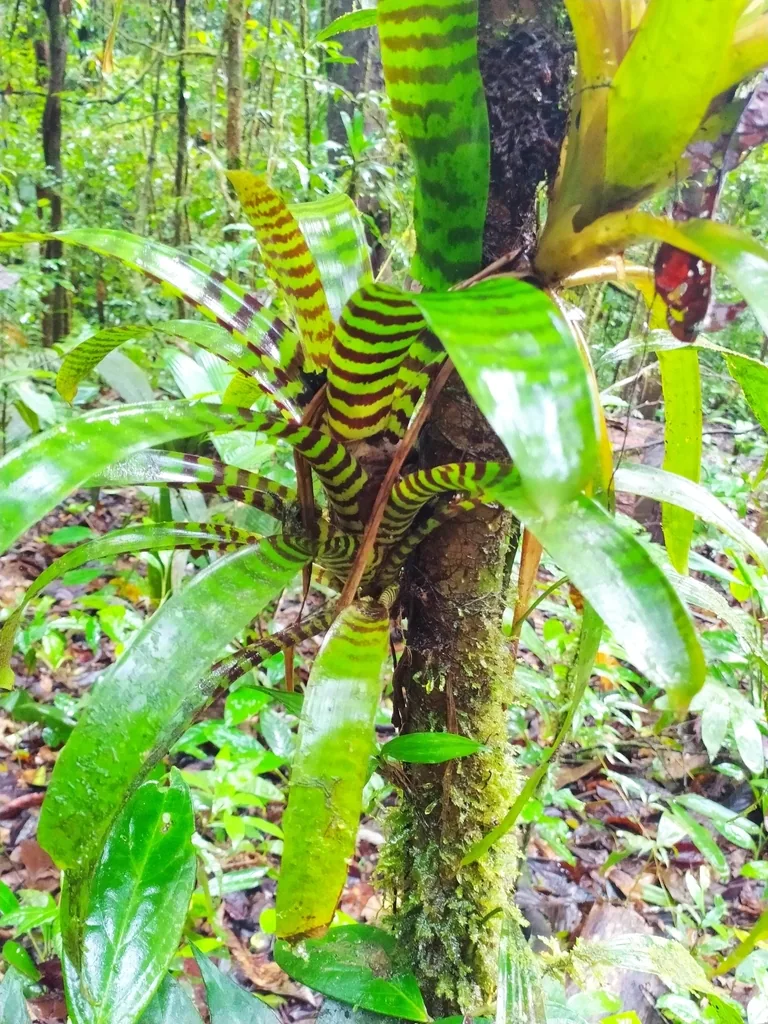
Flaming sword is an epiphytic perennial bromeliad native to tropical rain forests from eastern Colombia to Trinidad and Tobago. [1] It prefers bright, indirect light to partial shade and is watered through its central cup. [1] It is propagated mainly from the offsets (pups) the parent produces; the parent plant dies after flowering. [1]
Flaming Sword care
How to water Flaming Sword
Watering
Water through the central cup; keep the potting mix moist but well-drained and let the top half dry out between waterings
What the sources say (2)
The plant is watered through its central cup, and the soil should be moist but well-drained. Allow the top half of the potting mix to dry out between waterings.Vriesea flaming sword info says watering for this plant should be minimal. Soil should be no more than lightly moist and never allowed to completely dry out.Watering notes
Keep the central cup filled with water; refill the reservoir every 2 weeks with fresh water; high humidity (50%)
What the sources say (3)
As with other bromeliads, the flaming sword houseplant has a cup or tank in the middle of the plant. Keep this cup filled with water.Water : Keep soil lightly moist at all times, and refill reservoir every 2 weeks with fresh water.Fifty percent humidity is necessary for optimum performance of Vriesea flaming sword.How much light Flaming Sword needs
Bright, indirect light to partial shade
What the sources say (3)
The flaming sword prefers bright, indirect sunlight to partial shade and grows best in a potting mix or orchid mix.Cultural Conditions: Light: Partial Shade (Direct sunlight only part of the day, 2-6 hours)Light : Bright indirect light year-round, with some direct sun in the winter.How much cold Flaming Sword can take
Hardiness, coldest zone
10a [winter low −1.1 to 1.7 °C (30 to 35 °F)]
What the sources say (1)
USDA Plant Hardiness Zone: 10a, 10b, 11a, 11b, 12a, 12bHardiness, warmest zone
12b [winter low 12.8 to 15.6 °C (55 to 60 °F)]
What the sources say (1)
USDA Plant Hardiness Zone: 10a, 10b, 11a, 11b, 12a, 12bBest soil for Flaming Sword
6.0
What the sources say (1)
Soil Texture: Loam (Silt) Soil pH: Acid (<6.0) Soil Drainage: Good Drainage Moist Occasionally DryWhere to grow Flaming Sword
Indoors
Yes
What the sources say (2)
The flaming sword is frequently used as a container plant and is often seen at indoor business sites.The flaming sword houseplant, Vriesea splendens , is one of the most common bromeliads used for indoor decoration and is one of the showiest.In containers
Yes
What the sources say (1)
The flaming sword is frequently used as a container plant and is often seen at indoor business sites.How to propagate Flaming Sword
Offsets (pups); division; seed (unreliable)
What the sources say (2)
Propagation of the flaming sword can be done by using the seed, but this method is unreliable. It is much easier to propagate the offsets or pups that the parent plant produces at the base or center of its rosette.Uses (Ethnobotany): Used as a medicine and for ornamental purposes. Life Cycle: Perennial Recommended Propagation Strategy: DivisionHow to grow Flaming Sword
The plant
Life cycle
perennial
What the sources say (1)
The flaming sword is an epiphytic herbaceous perennial that is native to the tropical rain forests of Eastern Colombia to Trinidad and Tobago.Family
Bromeliaceae
What the sources say (1)
It is a member of the pineapple family (Bromeliaceae). The genus name honors Harry E. Luther, an American botanist and bromeliad expert.Mature height
61-91 cm (2-3 ft)
What the sources say (1)
The plant can reach up to about 2 to 3 feet tall and 1.5 to 2 feet wide.Mature width
46-61 cm (1.5-2 ft)
What the sources say (1)
The plant can reach up to about 2 to 3 feet tall and 1.5 to 2 feet wide.Pests and diseases
Pests
Scale, mealybugs
What the sources say (1)
This plant may be susceptible to scale and mealybugs. Leaf spots and bacterial soft rot can occur.Diseases
Leaf spots, bacterial soft rot
What the sources say (1)
This plant may be susceptible to scale and mealybugs. Leaf spots and bacterial soft rot can occur.Flaming Sword pests and problems
Scale and mealybugs
Symptom: The plant may be susceptible to scale and mealybugs.
What the sources say (1)
This plant may be susceptible to scale and mealybugs. Leaf spots and bacterial soft rot can occur.
— Lutheria splendens (Flaming Sword) | North Carolina Extension Gardener Plant Toolbox [1]
Remedies
Each remedy shows what official sources say about it; traditional remedies without an official source are marked as such. Harmful ones are listed so you know to avoid them.
Treating the plant
scale and mealybugs
horticultural oil Not verified
Traditional remedy, not verified by an official source.
How: Isolate the affected plant to prevent spread to other plants and treat it with horticultural oil as per the manufacturer's recommendations.
bacterial rot in the cup
empty and refill the central cup Not verified
Traditional remedy, not verified by an official source.
How: Empty and refill the central cup every 5-7 days to prevent growth of bacteria which may cause the water to become smelly.
Indicative values
Values from a secondary source, not checked word for word like the rest of this page. Use them as a starting point.
- Hours of sun
- 4-6 hoursIndicative value, adapt it to your climate · Secondary source
- Care level
- MediumIndicative value, adapt it to your climate · Secondary source
- Growth rate
- LowIndicative value, adapt it to your climate · Secondary source
- Pruning
- March, April, May, June, July, AugustIndicative value, adapt it to your climate · Secondary source
Similar plants
- Amazonian Zebra Plant Aechmea chantinii
- Earth Star Cryptanthus bivittatus
- Spanish moss Tillandsia usneoides
- Urn Plant Aechmea fasciata
- Air Plant Tillandsia ionantha
- Air Plant Tillandsia xerographica
- Pineapple Ananas comosus
- Scarlet Star Guzmania lingulata
Sources
Every value above is quoted from these documents. Links lead to the original publisher.
- Lutheria splendens (Flaming Sword) | North Carolina Extension Gardener Plant Toolbox · plants.ces.ncsu.edu, consulted
- Flaming Sword Houseplant - Vriesea Flaming Sword Info And Care | Gardening Know How · gardeningknowhow.com, consulted
- How to Grow Vriesea - Flaming Sword · harvesttotable.com, consulted
- Learn How to Grow Flaming Sword Bromeliads (Vriesea) · gardenerspath.com, consulted
- Bromeliad Plant Growing Specifications - Vriesea Splendens And Hybrids | Bromeliad Plant Care · bromeliads.info, consulted
- Vriesea splendens (VRISP)[Overview]| EPPO Global Database · gd.eppo.int, consulted
Written by Emilio Marruso · last checked