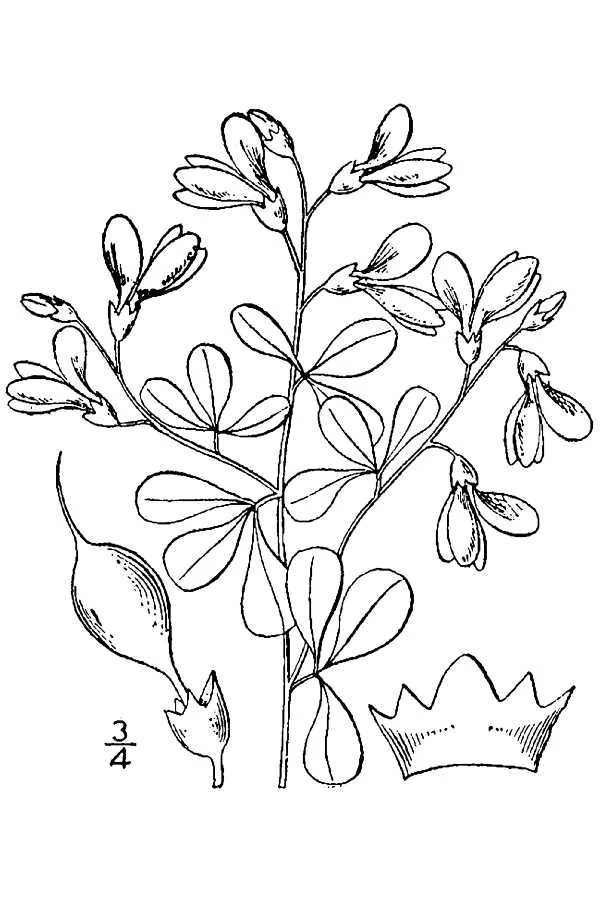


How to Grow and Care for Wild Indigo
Baptisia tinctoria
Written by Emilio Marruso · last checked
At a glance
Yellow wild indigo is a tough, easygoing perennial for full sun to light shade. Its deep taproot makes it drought tolerant once established, and as a legume that makes its own nitrogen, it thrives even in poor soil without fertilizer. With no significant pests or diseases, it asks for very little and stays with you year after year.
- Sun
Full sun to light shade
What the sources say (2)
Light: Full sun to light shade
This shrub grows 2 to 3 feet tall and wide in full sun to light shade in well-drained garden soils.
— Baptisia tinctoria (Horseflyweed, Rattleweed, Shoofly, Wild Black Indigo, Wild Indigo, Yellow Wild Indigo) | North Carolina Extension Gardener Plant Toolbox [1] It grows best in well-drained, moderately moist to dry soil in full sun, and is quite drought tolerant once established.
— Baptisia (False or Wild Indigo) | Home & Garden Information Center [3] - Water
Handles drought once established; likes soil from slightly moist to dry
What the sources say (4)
Watering: Drought tolerant once established; well-drained, moderately moist to dry soil
It grows best in well-drained, moderately moist to dry soil in full sun, and is quite drought tolerant once established.
— Baptisia (False or Wild Indigo) | Home & Garden Information Center [3] The deep tap root makes it drought-tolerant but difficult to transplant.
— Baptisia tinctoria (Horseflyweed, Rattleweed, Shoofly, Wild Black Indigo, Wild Indigo, Yellow Wild Indigo) | North Carolina Extension Gardener Plant Toolbox [1] Watering notes: Tolerates dry soils; deep tap root makes it drought-tolerant
The deep tap root makes it drought-tolerant but difficult to transplant.
— Baptisia tinctoria (Horseflyweed, Rattleweed, Shoofly, Wild Black Indigo, Wild Indigo, Yellow Wild Indigo) | North Carolina Extension Gardener Plant Toolbox [1] It tolerates poor soils, dry soils and erosion.
— Baptisia tinctoria (Horseflyweed, Rattleweed, Shoofly, Wild Black Indigo, Wild Indigo, Yellow Wild Indigo) | North Carolina Extension Gardener Plant Toolbox [1] - Cold
Survives winters down to −40 °F (−40 °C)
Very hardy · USDA 3a · RHS H7 · Z3
What the sources say (2)
Hardiness, coldest zone: 3a [winter low −40 to −37.2 °C (−40 to −35 °F)]
USDA Plant Hardiness Zone: 3a, 3b, 4a, 4b, 5a, 5b, 6a, 6b, 7a, 7b, 8a, 8b, 9a, 9b
— Baptisia tinctoria (Horseflyweed, Rattleweed, Shoofly, Wild Black Indigo, Wild Indigo, Yellow Wild Indigo) | North Carolina Extension Gardener Plant Toolbox [1] Hardiness, warmest zone: 9b [winter low −3.9 to −1.1 °C (25 to 30 °F)]
USDA Plant Hardiness Zone: 3a, 3b, 4a, 4b, 5a, 5b, 6a, 6b, 7a, 7b, 8a, 8b, 9a, 9b
— Baptisia tinctoria (Horseflyweed, Rattleweed, Shoofly, Wild Black Indigo, Wild Indigo, Yellow Wild Indigo) | North Carolina Extension Gardener Plant Toolbox [1] - Soil
Well-drained soil, pH up to 6.0; in very alkaline soil the leaves turn yellow-green
What the sources say (4)
Watering: Drought tolerant once established; well-drained, moderately moist to dry soil
It grows best in well-drained, moderately moist to dry soil in full sun, and is quite drought tolerant once established.
— Baptisia (False or Wild Indigo) | Home & Garden Information Center [3] The deep tap root makes it drought-tolerant but difficult to transplant.
— Baptisia tinctoria (Horseflyweed, Rattleweed, Shoofly, Wild Black Indigo, Wild Indigo, Yellow Wild Indigo) | North Carolina Extension Gardener Plant Toolbox [1] Soil pH, maximum: 6.0
Soil pH: Acid (<6.0) Soil Drainage: Good Drainage
— Baptisia tinctoria (Horseflyweed, Rattleweed, Shoofly, Wild Black Indigo, Wild Indigo, Yellow Wild Indigo) | North Carolina Extension Gardener Plant Toolbox [1] Signs of deficiency: Chlorotic, yellow-green foliage in highly alkaline soils
Minor (mainly cosmetic) fungal diseases include leaf spots and powdery mildew. In highly alkaline soils, plant foliage may be chlorotic (yellow-green).
— Growing Baptisia (False Indigo) in Iowa | Yard and Garden [4] - Feeding
Usually no fertilizer needed: it makes its own nitrogen and grows in poor soil
What the sources say (1)
How often: Generally not needed in fertile soils: as a nitrogen-fixing legume it grows in nutrient-poor soils
False indigos are a nitrogen-fixing legume. This ability allows them to grow in nutrient poor soils. In fertile soils, fertilization is generally not necessary.
— Growing Baptisia (False Indigo) in Iowa | Yard and Garden [4] - Pests
No significant pests or diseases
What the sources say (2)
Pests: none significant
Diseases, Insect Pests, and Other Plant Problems: No significant problems.
— Baptisia tinctoria (Horseflyweed, Rattleweed, Shoofly, Wild Black Indigo, Wild Indigo, Yellow Wild Indigo) | North Carolina Extension Gardener Plant Toolbox [1] Diseases: none significant
Diseases, Insect Pests, and Other Plant Problems: No significant problems.
— Baptisia tinctoria (Horseflyweed, Rattleweed, Shoofly, Wild Black Indigo, Wild Indigo, Yellow Wild Indigo) | North Carolina Extension Gardener Plant Toolbox [1] - Watch out
Hard to move once planted because of its deep taproot: choose its spot carefully
- Size
2 ft to 3 ft 9 in tall and 2–3 ft wide
What the sources say (2)
Mature height: 61-114 cm (2 ft 0 in - 3 ft 9 in)
Height: 2 ft. 0 in. - 3 ft. 9 in. Width: 2 ft. 0 in. - 3 ft. 0 in.
— Baptisia tinctoria (Horseflyweed, Rattleweed, Shoofly, Wild Black Indigo, Wild Indigo, Yellow Wild Indigo) | North Carolina Extension Gardener Plant Toolbox [1] Mature width: 61-91 cm (2 ft 0 in - 3 ft 0 in)
Height: 2 ft. 0 in. - 3 ft. 9 in. Width: 2 ft. 0 in. - 3 ft. 0 in.
— Baptisia tinctoria (Horseflyweed, Rattleweed, Shoofly, Wild Black Indigo, Wild Indigo, Yellow Wild Indigo) | North Carolina Extension Gardener Plant Toolbox [1] - Propagation
From seed or stem cuttings
What the sources say (1)
Propagation: Seed or stem cutting
Recommended Propagation Strategy: Seed Stem Cutting Country Or
— Baptisia tinctoria (Horseflyweed, Rattleweed, Shoofly, Wild Black Indigo, Wild Indigo, Yellow Wild Indigo) | North Carolina Extension Gardener Plant Toolbox [1]
Overview
Yellow wild indigo is a native herbaceous perennial in the bean family that grows 2 to 3 feet [61–91 cm] tall and wide. [1] It is drought-tolerant and tolerates poor and dry soils, but is difficult to transplant because of its deep tap root. [1] The bright yellow flowers appear in late spring to early summer. [1]
This record is incomplete: the sources we read do not cover every field yet.
Not yet covered by our sources: Pruning
Wild Indigo care
Measurements in square brackets are our conversion into the other unit system; the quoted text is unchanged.
How to water Wild Indigo
Watering
Drought tolerant once established; well-drained, moderately moist to dry soil
What the sources say (2)
It grows best in well-drained, moderately moist to dry soil in full sun, and is quite drought tolerant once established.The deep tap root makes it drought-tolerant but difficult to transplant.Watering notes
Tolerates dry soils; deep tap root makes it drought-tolerant
What the sources say (2)
The deep tap root makes it drought-tolerant but difficult to transplant.It tolerates poor soils, dry soils and erosion.How much light Wild Indigo needs
Full sun to light shade
What the sources say (2)
This shrub grows 2 to 3 feet tall and wide in full sun to light shade in well-drained garden soils.It grows best in well-drained, moderately moist to dry soil in full sun, and is quite drought tolerant once established.How much cold Wild Indigo can take
Hardiness, coldest zone
3a [winter low −40 to −37.2 °C (−40 to −35 °F)]
What the sources say (1)
USDA Plant Hardiness Zone:
3a, 3b, 4a, 4b, 5a, 5b, 6a, 6b, 7a, 7b, 8a, 8b, 9a, 9bHardiness, warmest zone
9b [winter low −3.9 to −1.1 °C (25 to 30 °F)]
What the sources say (1)
USDA Plant Hardiness Zone:
3a, 3b, 4a, 4b, 5a, 5b, 6a, 6b, 7a, 7b, 8a, 8b, 9a, 9bBest soil for Wild Indigo
6.0
What the sources say (1)
Soil pH:
Acid (<6.0)
Soil Drainage:
Good DrainageHow to propagate Wild Indigo
Seed or stem cutting
What the sources say (1)
Recommended Propagation Strategy:
Seed
Stem Cutting
Country OrHow to grow Wild Indigo
The plant
Life cycle
perennial
What the sources say (1)
Yellow wild indigo is a native herbaceous perennial in the bean family (Fabaceae) native to eastern North America.Family
Fabaceae
What the sources say (1)
Yellow wild indigo is a native herbaceous perennial in the bean family (Fabaceae) native to eastern North America.Mature height
61-114 cm (2 ft 0 in - 3 ft 9 in)
What the sources say (1)
Height: 2 ft. 0 in. - 3 ft. 9 in.
Width: 2 ft. 0 in. - 3 ft. 0 in.Mature width
61-91 cm (2 ft 0 in - 3 ft 0 in)
What the sources say (1)
Height: 2 ft. 0 in. - 3 ft. 9 in.
Width: 2 ft. 0 in. - 3 ft. 0 in.Pests and diseases
Pests
none significant
What the sources say (1)
Diseases, Insect Pests, and Other Plant Problems: No significant problems.Diseases
none significant
What the sources say (1)
Diseases, Insect Pests, and Other Plant Problems: No significant problems.Fertilizing
How often
Generally not needed in fertile soils: as a nitrogen-fixing legume it grows in nutrient-poor soils
What the sources say (1)
False indigos are a nitrogen-fixing legume. This ability allows them to grow in nutrient poor soils. In fertile soils, fertilization is generally not necessary.Signs of deficiency
Chlorotic, yellow-green foliage in highly alkaline soils
What the sources say (1)
Minor (mainly cosmetic) fungal diseases include leaf spots and powdery mildew. In highly alkaline soils, plant foliage may be chlorotic (yellow-green).Wild Indigo pests and problems
No significant problems
What the sources say (1)
Diseases, Insect Pests, and Other Plant Problems: No significant problems.
— Baptisia tinctoria (Horseflyweed, Rattleweed, Shoofly, Wild Black Indigo, Wild Indigo, Yellow Wild Indigo) | North Carolina Extension Gardener Plant Toolbox [1] Difficult to transplant
Symptom: Deep tap root
What the sources say (1)
The deep tap root makes it drought-tolerant but difficult to transplant.
— Baptisia tinctoria (Horseflyweed, Rattleweed, Shoofly, Wild Black Indigo, Wild Indigo, Yellow Wild Indigo) | North Carolina Extension Gardener Plant Toolbox [1]
Remedies
Each remedy shows what official sources say about it; traditional remedies without an official source are marked as such. Harmful ones are listed so you know to avoid them.
Treating the plant
powdery mildew
remove affected leaves Official source, not independently tested
How: trim away any affected leaves and dispose of them; keep plenty of spacing around and within the plant
Trim away any affected leaves and dispose of them. Keep plenty of spacing around and within your plant.
— ask.extension.org [5]
Calendar
Pruning
Not stated in the sources we read.
Months as given by the sources, which are mostly from the United States (northern hemisphere). In the southern hemisphere they shift by about six months.
Indicative values
Values from a secondary source, not checked word for word like the rest of this page. Use them as a starting point.
- Drought tolerant
- yesIndicative value, adapt it to your climate · Secondary source
- Soil
- Sand, LoamIndicative value, adapt it to your climate · Secondary source
- Care level
- MediumIndicative value, adapt it to your climate · Secondary source
- Growth rate
- LowIndicative value, adapt it to your climate · Secondary source
- Pruning
- March, AprilIndicative value, adapt it to your climate · Secondary source
Similar plants
- Blue False Indigo Baptisia australis
- White Wild Indigo Baptisia alba
- Afghan Redbud Cercis griffithii
- Amur Maackia Maackia amurensis
- Bauhinia Bauhinia blakeana
- Bicolor Lespedeza Lespedeza bicolor
- Black Locust Robinia pseudoacacia
- Blue Ridge Golden-banner Thermopsis villosa
Sources
Every value above is quoted from these documents. Links lead to the original publisher.
- Baptisia tinctoria (Horseflyweed, Rattleweed, Shoofly, Wild Black Indigo, Wild Indigo, Yellow Wild Indigo) | North Carolina Extension Gardener Plant Toolbox · plants.ces.ncsu.edu, consulted
- Baptisia (Baptisia, False Indigo, Wild Indigo) | North Carolina Extension Gardener Plant Toolbox · plants.ces.ncsu.edu, consulted
- Baptisia (False or Wild Indigo) | Home & Garden Information Center · hgic.clemson.edu, consulted
- Growing Baptisia (False Indigo) in Iowa | Yard and Garden · yardandgarden.extension.iastate.edu, consulted
- ask.extension.org · ask.extension.org
Written by Emilio Marruso · last checked