
How to Grow and Care for Parlor Palm
Chamaedorea elegans
Written by Emilio Marruso · last checked
Toxic to: People · Why
At a glance
The parlor palm is an easygoing perennial that grows happily in a pot, even indoors, reaching 2 to 7.5 feet tall. It's safe for cats, dogs and horses, so it fits right into a home with pets. Just go easy on the water: give it well-drained soil and let it dry slightly between waterings.
- Water
Don't overwater: let the soil dry slightly between waterings
What the sources say (1)
Watering notes: Overwatering can be a problem, so plant in well-drained soil
Overwatering can be a problem, so be sure to plant in well-drained soil and let the soil dry slightly out between waterings.
— Chamaedorea elegans (Bamboo Palm, Chamaedorea, Collinia Elegans, Dwarf Palm, Good Luck Palm, Neanthebella, Neanthe Bella Palm, Neanthe Palm, Parlor Palm, Parlour Palm, Reed Palm) | North Carolina Extension Gardener Plant Toolbox [1] - Cold
Survives winters down to 30 °F (−1.1 °C)
Half hardy: mild winters or an unheated greenhouse · USDA 10a · RHS H3 · Z10
What the sources say (2)
Hardiness, coldest zone: 10a [winter low −1.1 to 1.7 °C (30 to 35 °F)]
USDA Plant Hardiness Zone: 10a, 10b, 11a, 11b, 12a, 12b
— Chamaedorea elegans (Bamboo Palm, Chamaedorea, Collinia Elegans, Dwarf Palm, Good Luck Palm, Neanthebella, Neanthe Bella Palm, Neanthe Palm, Parlor Palm, Parlour Palm, Reed Palm) | North Carolina Extension Gardener Plant Toolbox [1] Hardiness, warmest zone: 12b [winter low 12.8 to 15.6 °C (55 to 60 °F)]
USDA Plant Hardiness Zone: 10a, 10b, 11a, 11b, 12a, 12b
— Chamaedorea elegans (Bamboo Palm, Chamaedorea, Collinia Elegans, Dwarf Palm, Good Luck Palm, Neanthebella, Neanthe Bella Palm, Neanthe Palm, Parlor Palm, Parlour Palm, Reed Palm) | North Carolina Extension Gardener Plant Toolbox [1] - Soil
Well-drained soil
What the sources say (1)
Watering notes: Overwatering can be a problem, so plant in well-drained soil
Overwatering can be a problem, so be sure to plant in well-drained soil and let the soil dry slightly out between waterings.
— Chamaedorea elegans (Bamboo Palm, Chamaedorea, Collinia Elegans, Dwarf Palm, Good Luck Palm, Neanthebella, Neanthe Bella Palm, Neanthe Palm, Parlor Palm, Parlour Palm, Reed Palm) | North Carolina Extension Gardener Plant Toolbox [1] - Feeding
Slow-release palm fertilizer 2–3 times a year in spring and summer; never in winter
What the sources say (6)
When: Spring and summer, while the plant is actively growing
Fertilize only two to three times a year while the plant is actively growing during the spring and summer months. Excessive fertilizer can be harmful to palms.
— Indoor Palms | Home & Garden Information Center [4] Fertilize periodically during the growing season and none in the winter.
— Chamaedorea elegans (Bamboo Palm, Chamaedorea, Collinia Elegans, Dwarf Palm, Good Luck Palm, Neanthebella, Neanthe Bella Palm, Neanthe Palm, Parlor Palm, Parlour Palm, Reed Palm) | North Carolina Extension Gardener Plant Toolbox [1] How often: Two to three times a year
Fertilize only two to three times a year while the plant is actively growing during the spring and summer months. Excessive fertilizer can be harmful to palms.
— Indoor Palms | Home & Garden Information Center [4] Mineral fertilizers: Slow-release palm fertilizer with an analysis such as 12-4-12 or 8-2-12, containing micronutrients
Fertilize with a slow-release palm fertilizer with an analysis like 12-4-12 or 8-2-12. It should contain micronutrients, such as iron, manganese, zinc, boron and copper to maintain a healthy plant.
— Indoor Palms | Home & Garden Information Center [4] Avoid: Excessive fertilizer; fertilizing in winter
Fertilize only two to three times a year while the plant is actively growing during the spring and summer months. Excessive fertilizer can be harmful to palms.
— Indoor Palms | Home & Garden Information Center [4] Fertilize periodically during the growing season and none in the winter.
— Chamaedorea elegans (Bamboo Palm, Chamaedorea, Collinia Elegans, Dwarf Palm, Good Luck Palm, Neanthebella, Neanthe Bella Palm, Neanthe Palm, Parlor Palm, Parlour Palm, Reed Palm) | North Carolina Extension Gardener Plant Toolbox [1] - Pests
Spider mites and mealybugs; misting and wiping leaves with a damp cloth keeps them away
What the sources say (1)
Pests: red spider mites, mealybugs
Red spider mites and mealybugs are potential insects that can cause problems.
— Chamaedorea elegans (Bamboo Palm, Chamaedorea, Collinia Elegans, Dwarf Palm, Good Luck Palm, Neanthebella, Neanthe Bella Palm, Neanthe Palm, Parlor Palm, Parlour Palm, Reed Palm) | North Carolina Extension Gardener Plant Toolbox [1] - Size
2 to 7.5 ft tall and 2–3 ft wide
What the sources say (2)
Mature height: 61-229 cm (2 ft - 7 ft 6 in)
Height: 2 ft. 0 in. - 7 ft. 6 in.
— Chamaedorea elegans (Bamboo Palm, Chamaedorea, Collinia Elegans, Dwarf Palm, Good Luck Palm, Neanthebella, Neanthe Bella Palm, Neanthe Palm, Parlor Palm, Parlour Palm, Reed Palm) | North Carolina Extension Gardener Plant Toolbox [1] Mature width: 61-91 cm (2 ft - 3 ft)
Width: 2 ft. 0 in. - 3 ft. 0 in.
— Chamaedorea elegans (Bamboo Palm, Chamaedorea, Collinia Elegans, Dwarf Palm, Good Luck Palm, Neanthebella, Neanthe Bella Palm, Neanthe Palm, Parlor Palm, Parlour Palm, Reed Palm) | North Carolina Extension Gardener Plant Toolbox [1] - Containers
Grows well in a pot, indoors too
What the sources say (2)
In containers: Yes
growers frequently put three or more plants in a single pot to give a more lush finished product.
— Chamaedorea elegans (Bamboo Palm, Chamaedorea, Collinia Elegans, Dwarf Palm, Good Luck Palm, Neanthebella, Neanthe Bella Palm, Neanthe Palm, Parlor Palm, Parlour Palm, Reed Palm) | North Carolina Extension Gardener Plant Toolbox [1] Indoors: Yes
It is one of the most sought-after indoor palms because it thrives in interior conditions (dry air, dim light) that other plants cannot tolerate.
— Chamaedorea elegans (Bamboo Palm, Chamaedorea, Collinia Elegans, Dwarf Palm, Good Luck Palm, Neanthebella, Neanthe Bella Palm, Neanthe Palm, Parlor Palm, Parlour Palm, Reed Palm) | North Carolina Extension Gardener Plant Toolbox [1] - Safety
Safe for cats, dogs and horses; the fruit juice can irritate the skin
Overview
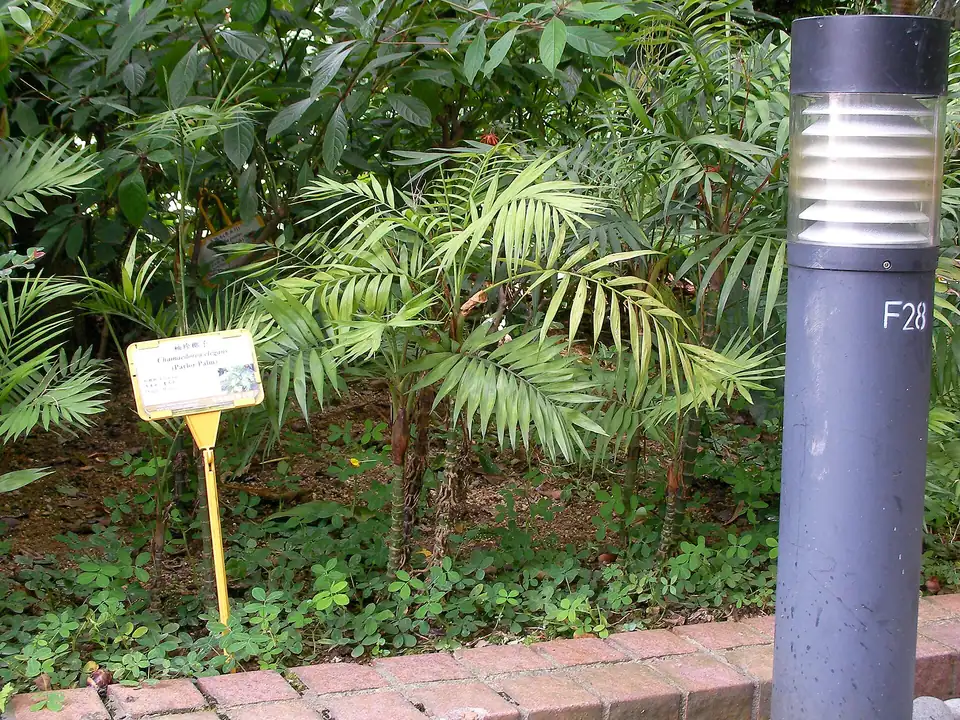
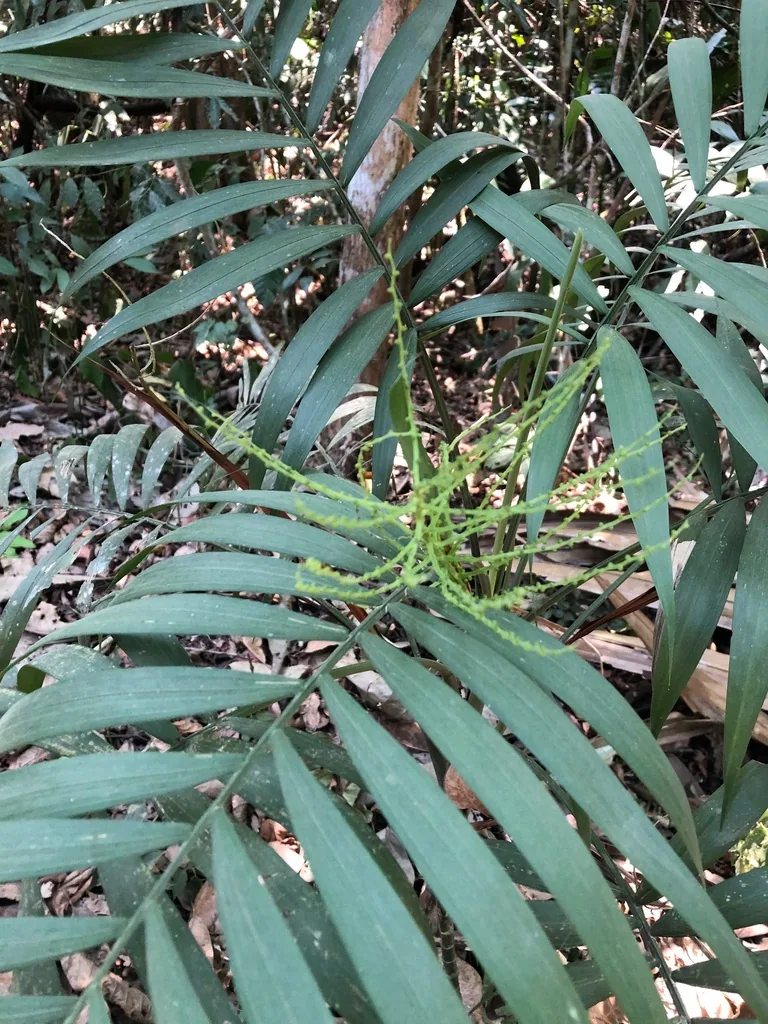
Parlor palm is a small solitary palm grown as an indoor plant, thriving in dry air and dim light. [1]
This record is incomplete: the sources we read do not cover every field yet.
Not yet covered by our sources: Propagation
Parlor Palm care
How to water Parlor Palm
Watering
The sources give different values depending on region, zone or growing conditions.
What each source says
According to NC State Extension: Let the soil dry slightly out between waterings; tolerates drought and dry soil for short periods but grows more lushly in moist soil
According to Clemson HGIC (indoor palms): Keep moist; never allow to dry out or stand in water
What the sources say (3)
According to NC State Extension: let the soil dry slightly out between waterings. It can tolerate drought and dry soil for short periods, but it grows more lushly in moist soil.According to Clemson HGIC (indoor palms): Palms need to be kept moist. They should never be allowed to dry out or allowed to stand in water.let the soil dry slightly out between waterings. It can tolerate drought and dry soil for short periods, but it grows more lushly in moist soil.Watering notes
Overwatering can be a problem, so plant in well-drained soil
What the sources say (1)
Overwatering can be a problem, so be sure to plant in well-drained soil and let the soil dry slightly out between waterings.How much light Parlor Palm needs
The sources give different values depending on region, zone or growing conditions.
What each source says
According to NC State Extension: Bright indirect light; tolerates low-light conditions; near a north- or east-facing window
According to Clemson HGIC (indoor palms): Bright natural light; filtered light near a south-east- or west-facing window
What the sources say (3)
According to NC State Extension: Try to keep near a north- or east-facing window if possible for optimal light levels.According to Clemson HGIC (indoor palms): Filtered light near a south-east-or west-facing window is suitable for most indoor palms.They need bright indirect light and low to medium humidity levels, though they can tolerate low-light conditions.How much cold Parlor Palm can take
Hardiness, coldest zone
10a [winter low −1.1 to 1.7 °C (30 to 35 °F)]
What the sources say (1)
USDA Plant Hardiness Zone:
10a, 10b, 11a, 11b, 12a, 12bHardiness, warmest zone
12b [winter low 12.8 to 15.6 °C (55 to 60 °F)]
What the sources say (1)
USDA Plant Hardiness Zone:
10a, 10b, 11a, 11b, 12a, 12bWhere to grow Parlor Palm
Indoors
Yes
What the sources say (1)
It is one of the most sought-after indoor palms because it thrives in interior conditions (dry air, dim light) that other plants cannot tolerate.In containers
Yes
What the sources say (1)
growers frequently put three or more plants in a single pot to give a more lush finished product.How to propagate Parlor Palm
Not stated in the sources we read.
How to grow Parlor Palm
The plant
Life cycle
perennial
What the sources say (1)
Life Cycle: PerennialFamily
Arecaceae
What the sources say (1)
Parlor palm is a solitary, understory member of the palm family (Arecaceae)Mature height
61-229 cm (2 ft - 7 ft 6 in)
What the sources say (1)
Height: 2 ft. 0 in. - 7 ft. 6 in.Mature width
61-91 cm (2 ft - 3 ft)
What the sources say (1)
Width: 2 ft. 0 in. - 3 ft. 0 in.Pests and diseases
Pests
red spider mites, mealybugs
What the sources say (1)
Red spider mites and mealybugs are potential insects that can cause problems.Fertilizing
When
Spring and summer, while the plant is actively growing
What the sources say (2)
Fertilize only two to three times a year while the plant is actively growing during the spring and summer months. Excessive fertilizer can be harmful to palms.Fertilize periodically during the growing season and none in the winter.How often
Two to three times a year
What the sources say (1)
Fertilize only two to three times a year while the plant is actively growing during the spring and summer months. Excessive fertilizer can be harmful to palms.Mineral fertilizers
Slow-release palm fertilizer with an analysis such as 12-4-12 or 8-2-12, containing micronutrients
What the sources say (1)
Fertilize with a slow-release palm fertilizer with an analysis like 12-4-12 or 8-2-12. It should contain micronutrients, such as iron, manganese, zinc, boron and copper to maintain a healthy plant.Micronutrients
Iron, manganese, zinc, boron and copper, supplied in the palm fertilizer
What the sources say (1)
Fertilize with a slow-release palm fertilizer with an analysis like 12-4-12 or 8-2-12. It should contain micronutrients, such as iron, manganese, zinc, boron and copper to maintain a healthy plant.Avoid
Excessive fertilizer; fertilizing in winter
What the sources say (2)
Fertilize only two to three times a year while the plant is actively growing during the spring and summer months. Excessive fertilizer can be harmful to palms.Fertilize periodically during the growing season and none in the winter.Signs of excess
Tips of lower leaves turning brown and dying; foliage spotting from excessive iron
What the sources say (1)
Tips of lower leaves may turn brown and die from excessive fertilization. Excessive iron fertilization can cause foliage spotting.Parlor Palm pests and problems
Overwatering
Symptom: Overwatering can be a problem.
What to do: Plant in well-drained soil and let the soil dry slightly out between waterings.
What the sources say (1)
Overwatering can be a problem, so be sure to plant in well-drained soil and let the soil dry slightly out between waterings. It can tolerate drought and dry soil for short periods, but it grows more lushly in moist soil.
— Chamaedorea elegans (Bamboo Palm, Chamaedorea, Collinia Elegans, Dwarf Palm, Good Luck Palm, Neanthebella, Neanthe Bella Palm, Neanthe Palm, Parlor Palm, Parlour Palm, Reed Palm) | North Carolina Extension Gardener Plant Toolbox [1] Red spider mites and mealybugs
Symptom: Potential insect pests.
What to do: Misting and cleaning with a damp cloth can prevent or remove them.
What the sources say (1)
Red spider mites and mealybugs are potential insects that can cause problems. Misting and cleaning with a damp cloth can prevent or remove these from the plant.
— Chamaedorea elegans (Bamboo Palm, Chamaedorea, Collinia Elegans, Dwarf Palm, Good Luck Palm, Neanthebella, Neanthe Bella Palm, Neanthe Palm, Parlor Palm, Parlour Palm, Reed Palm) | North Carolina Extension Gardener Plant Toolbox [1]
Remedies
Each remedy shows what official sources say about it; traditional remedies without an official source are marked as such. Harmful ones are listed so you know to avoid them.
Treating the plant
spider mites and mealybugs
misting and cleaning with a damp cloth Works
How: Mist the plant and clean the foliage with a damp cloth to prevent or remove them.
Misting and cleaning with a damp cloth can prevent or remove these from the plant.
— Chamaedorea elegans (Bamboo Palm, Chamaedorea, Collinia Elegans, Dwarf Palm, Good Luck Palm, Neanthebella, Neanthe Bella Palm, Neanthe Palm, Parlor Palm, Parlour Palm, Reed Palm) | North Carolina Extension Gardener Plant Toolbox [1] What the evidence says A wipe with a damp cloth or a gentle spray of water will help remove the offenders.
— extension.psu.edu [5]
spider mites
mealybugs and scale
cotton swab dipped in isopropyl alcohol Not verified
Traditional remedy, not verified by an official source.
How: Wash off the bugs or, if there are only a few, dab them with a cotton swab dipped in isopropyl alcohol.
insecticidal soap Works
How: Treat the pests with an organic insecticidal soap.
treat any pests you find with an organic insecticidal soap or neem oil spray.
— almanac.com [7] What the evidence says insecticidal soap is a safe, effective organic insecticide with minimal environmental impact.
— extension.psu.edu [8] neem oil spray Partly works
Despite these being biological pesticides, it is important to read the directions on the label and wear safety equipment.
— extension.illinois.edu [10] How: Treat the pests with a neem oil spray.
treat any pests you find with an organic insecticidal soap or neem oil spray.
— almanac.com [7] What the evidence says However, neem oil is not effective against every insect and disease, and often must be frequently reapplied to reach the desired outcome.
— extension.unh.edu [9]
root rot
repotting in fresh soil and a clean container Not verified
Traditional remedy, not verified by an official source.
How: Repot the plant in fresh soil and a clean container.
brown leaf tips
pebble tray (gravel in the saucer) Works
How: Add a pebble tray beneath the plant to raise humidity levels.
add a humidifier or pebble tray beneath your plant to raise humidity levels and keep palm fronds from developing brown edges.
— almanac.com [7] What the evidence says Indoors, if the humidity level is below 50%, the pot saucer can be filled with gravel to increase the moisture level without rotting the plant roots.
— Indoor Palms | Home & Garden Information Center [4]
Is Parlor Palm poisonous?
Reported by the source, quoted verbatim. This is not medical or veterinary advice: if a person or an animal may have eaten this plant, contact a poison control centre or a veterinarian.
Animals
non-toxic for cats #non-toxic for horses #non-toxic for dogs
[1]The source flags the risk for this animal but does not explain why.
People
Juice from the fruit may cause skin irritation.
[1]The pulp contains crystals that irritate the skin of sensitive individuals.
[1]- Poisonous parts
but if you encounter fruits, take care in handling them. The pulp contains crystals that irritate the skin of sensitive individuals.
[1]- Toxic principle
The pulp contains crystals that irritate the skin of sensitive individuals.
[1]- Severity
This plant has low severity poison characteristics. See below
[1]
Indicative values
Values from a secondary source, not checked word for word like the rest of this page. Use them as a starting point.
- Hours of sun
- 4-6 hoursIndicative value, adapt it to your climate · Secondary source
- Drought tolerant
- yesIndicative value, adapt it to your climate · Secondary source
- Soil pH
- 5.5-7Indicative value, adapt it to your climate · Secondary source
- Care level
- ModerateIndicative value, adapt it to your climate · Secondary source
- Growth rate
- LowIndicative value, adapt it to your climate · Secondary source
- Pruning
- March, April, MayIndicative value, adapt it to your climate · Secondary source
- Propagation
- Seed PropagationIndicative value, adapt it to your climate · Secondary source
Similar plants
- Bamboo Palm Chamaedorea seifrizii
- Areca Palm Chrysalidocarpus lutescens
- Canary Island Date Palm Phoenix canariensis
- Christmas Palm Adonidia merrillii
- Dwarf Date Palm Phoenix acaulis
- European Fan Palm Chamaerops humilis
- Fishtail Palm Caryota mitis
- Kentia Palm Howea forsteriana
Sources
Every value above is quoted from these documents. Links lead to the original publisher.
- Chamaedorea elegans (Bamboo Palm, Chamaedorea, Collinia Elegans, Dwarf Palm, Good Luck Palm, Neanthebella, Neanthe Bella Palm, Neanthe Palm, Parlor Palm, Parlour Palm, Reed Palm) | North Carolina Extension Gardener Plant Toolbox · plants.ces.ncsu.edu, consulted
- Chamaedorea - Chamaedorea elegans | North Carolina Extension Gardener Plant Toolbox · plants.ces.ncsu.edu, consulted
- Neanthe Bella Palm - Chamaedorea elegans | North Carolina Extension Gardener Plant Toolbox · plants.ces.ncsu.edu, consulted
- Indoor Palms | Home & Garden Information Center · hgic.clemson.edu, consulted
- extension.psu.edu · extension.psu.edu
- gardeningknowhow.com · gardeningknowhow.com
- almanac.com · almanac.com
- extension.psu.edu · extension.psu.edu
- extension.unh.edu · extension.unh.edu
- extension.illinois.edu · extension.illinois.edu
Written by Emilio Marruso · last checked