
How to Grow and Care for Kentia Palm
Howea forsteriana
Written by Emilio Marruso · last checked
Not toxic to cats and dogs, according to the sources · Sources
At a glance
This palm is happy indoors and in containers, in dappled sunlight or partial shade. Keep the potting mix from drying out, feed it only now and then, and it is safe around cats, dogs and horses. It is a patient plant, too: it can take 15 years to bear its first fruit.
- Sun
Dappled sunlight to partial shade
What the sources say (1)
Light: Dappled sunlight to partial shade
Light: Dappled Sunlight (Shade through upper canopy all day) Partial Shade (Direct sunlight only part of the day, 2-6 hours)
— Howea forsteriana (Forster Sentry Palm, Kentia Palm, Paradise Palm, Sentry Palm, Thatch Palm) | North Carolina Extension Gardener Plant Toolbox [1] - Water
Don't let the potting mix dry out; it can handle some drought
What the sources say (2)
Watering: Potting mix should not dry out
it should have a well-drained, humus-rich potting mix that does not dry out.
— Howea forsteriana (Forster Sentry Palm, Kentia Palm, Paradise Palm, Sentry Palm, Thatch Palm) | North Carolina Extension Gardener Plant Toolbox [1] Watering notes: Moderately tolerant of drought and salt spray; well-drained potting mix
It is also moderately tolerant of salt spray and drought.
— Howea forsteriana (Forster Sentry Palm, Kentia Palm, Paradise Palm, Sentry Palm, Thatch Palm) | North Carolina Extension Gardener Plant Toolbox [1] - Cold
Survives winters down to 25 °F (−3.9 °C)
Half hardy: mild winters or an unheated greenhouse · USDA 9b · RHS H3 · Z9
What the sources say (2)
Hardiness, coldest zone: 9b [winter low −3.9 to −1.1 °C (25 to 30 °F)]
Available Space To Plant: 12-24 feet USDA Plant Hardiness Zone: 9b, 10a, 10b, 11a, 11b
— Howea forsteriana (Forster Sentry Palm, Kentia Palm, Paradise Palm, Sentry Palm, Thatch Palm) | North Carolina Extension Gardener Plant Toolbox [1] Hardiness, warmest zone: 11b [winter low 7.2 to 10 °C (45 to 50 °F)]
Available Space To Plant: 12-24 feet USDA Plant Hardiness Zone: 9b, 10a, 10b, 11a, 11b
— Howea forsteriana (Forster Sentry Palm, Kentia Palm, Paradise Palm, Sentry Palm, Thatch Palm) | North Carolina Extension Gardener Plant Toolbox [1] - Soil
Well-drained potting mix
What the sources say (1)
Watering notes: Moderately tolerant of drought and salt spray; well-drained potting mix
It is also moderately tolerant of salt spray and drought.
— Howea forsteriana (Forster Sentry Palm, Kentia Palm, Paradise Palm, Sentry Palm, Thatch Palm) | North Carolina Extension Gardener Plant Toolbox [1] - Feeding
Feed rarely with houseplant or slow-release fertilizer; it can lack potassium, manganese and boron
What the sources say (3)
How often: Infrequently
Fertilize with houseplant fertilizer infrequently; encapsulated, slow-release fertilizer is ideal.
— Howea forsteriana (Forster Sentry Palm, Kentia Palm, Paradise Palm, Sentry Palm, Thatch Palm) | North Carolina Extension Gardener Plant Toolbox [1] Mineral fertilizers: Houseplant fertilizer; encapsulated slow-release fertilizer is ideal
Fertilize with houseplant fertilizer infrequently; encapsulated, slow-release fertilizer is ideal.
— Howea forsteriana (Forster Sentry Palm, Kentia Palm, Paradise Palm, Sentry Palm, Thatch Palm) | North Carolina Extension Gardener Plant Toolbox [1] Micronutrients: Manganese and boron: deficiencies of both occur on this palm, besides potassium
Younger leaves can suffer from manganese deficiency, which will manifest as leaflet tip necrosis on the basal leaflets. Boron deficiency can cause stunted or distorted new leaves.
— Howea forsteriana (Forster Sentry Palm, Kentia Palm, Paradise Palm, Sentry Palm, Thatch Palm) | North Carolina Extension Gardener Plant Toolbox [1] - Pests
Spider mites, mealybugs, scale insects and fungal leaf spot
What the sources say (2)
Pests: spider mites, mealybugs, scale insects
Fungal leaf spot, as well as spider mites, mealybugs and scale insects are common issues.
— Howea forsteriana (Forster Sentry Palm, Kentia Palm, Paradise Palm, Sentry Palm, Thatch Palm) | North Carolina Extension Gardener Plant Toolbox [1] Diseases: fungal leaf spot
Fungal leaf spot, as well as spider mites, mealybugs and scale insects are common issues.
— Howea forsteriana (Forster Sentry Palm, Kentia Palm, Paradise Palm, Sentry Palm, Thatch Palm) | North Carolina Extension Gardener Plant Toolbox [1] - Propagation
Grows from seed
What the sources say (1)
Propagation: Seed
Life Cycle: Perennial Woody Recommended Propagation Strategy: Seed
— Howea forsteriana (Forster Sentry Palm, Kentia Palm, Paradise Palm, Sentry Palm, Thatch Palm) | North Carolina Extension Gardener Plant Toolbox [1] - Containers
Grows indoors and in containers
What the sources say (2)
Indoors: Yes
Kentia palm is a popular houseplant in temperate climates that requires little light
— Howea forsteriana (Forster Sentry Palm, Kentia Palm, Paradise Palm, Sentry Palm, Thatch Palm) | North Carolina Extension Gardener Plant Toolbox [1] In containers: Yes
These palms are well suited to containers and have a track record for surviving low light
— Howea forsteriana (Forster Sentry Palm, Kentia Palm, Paradise Palm, Sentry Palm, Thatch Palm) | North Carolina Extension Gardener Plant Toolbox [1] - Safety
Not toxic to cats, dogs or horses
Overview
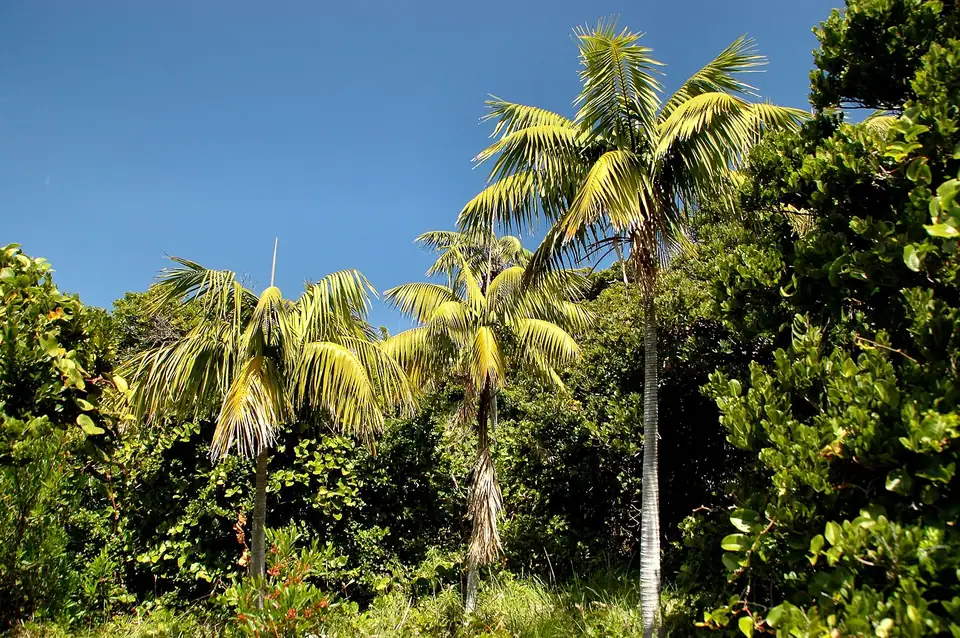
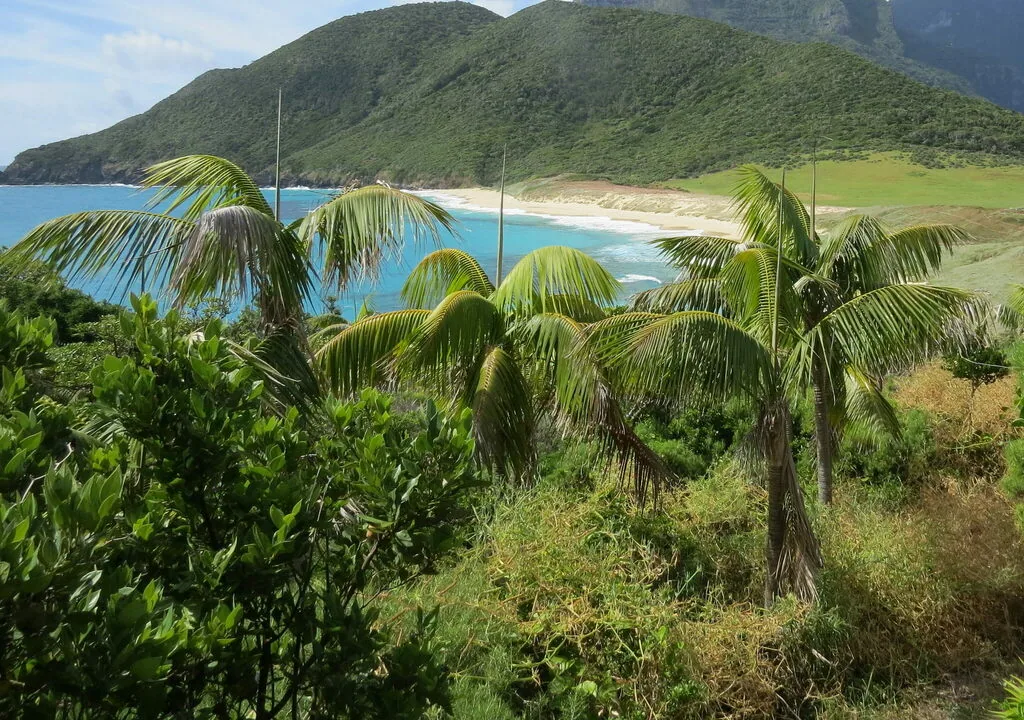
Kentia palm is a single-stemmed, pinnate-leaved evergreen palm endemic to Lord Howe Island, Australia. [1] It is a popular houseplant that requires little light and is well suited to containers. [1] The page tags it as non-toxic for cats, horses and dogs. [1]
Kentia Palm care
How to water Kentia Palm
Watering
Potting mix should not dry out
What the sources say (1)
it should have a well-drained, humus-rich potting mix that does not dry out.Watering notes
Moderately tolerant of drought and salt spray; well-drained potting mix
What the sources say (1)
It is also moderately tolerant of salt spray and drought.How much light Kentia Palm needs
Dappled sunlight to partial shade
What the sources say (1)
Light:
Dappled Sunlight (Shade through upper canopy all day)
Partial Shade (Direct sunlight only part of the day, 2-6 hours)How much cold Kentia Palm can take
Hardiness, coldest zone
9b [winter low −3.9 to −1.1 °C (25 to 30 °F)]
What the sources say (1)
Available Space To Plant:
12-24 feet
USDA Plant Hardiness Zone:
9b, 10a, 10b, 11a, 11bHardiness, warmest zone
11b [winter low 7.2 to 10 °C (45 to 50 °F)]
What the sources say (1)
Available Space To Plant:
12-24 feet
USDA Plant Hardiness Zone:
9b, 10a, 10b, 11a, 11bWhere to grow Kentia Palm
Indoors
Yes
What the sources say (1)
Kentia palm is a popular houseplant in temperate climates that requires little lightIn containers
Yes
What the sources say (1)
These palms are well suited to containers and have a track record for surviving low lightHow to propagate Kentia Palm
Seed
What the sources say (1)
Life Cycle:
Perennial
Woody
Recommended Propagation Strategy:
SeedHow to grow Kentia Palm
The plant
Life cycle
perennial
What the sources say (1)
Life Cycle: PerennialFamily
Arecaceae
What the sources say (1)
Family: ArecaceaeYears to first fruit
15 years
What the sources say (1)
The oval-shaped fruits will appear when the tree has reached approximately 15 years old.Pests and diseases
Pests
spider mites, mealybugs, scale insects
What the sources say (1)
Fungal leaf spot, as well as spider mites, mealybugs and scale insects are common issues.Diseases
fungal leaf spot
What the sources say (1)
Fungal leaf spot, as well as spider mites, mealybugs and scale insects are common issues.Fertilizing
How often
Infrequently
What the sources say (1)
Fertilize with houseplant fertilizer infrequently; encapsulated, slow-release fertilizer is ideal.Mineral fertilizers
Houseplant fertilizer; encapsulated slow-release fertilizer is ideal
What the sources say (1)
Fertilize with houseplant fertilizer infrequently; encapsulated, slow-release fertilizer is ideal.Micronutrients
Manganese and boron: deficiencies of both occur on this palm, besides potassium
What the sources say (1)
Younger leaves can suffer from manganese deficiency, which will manifest as leaflet tip necrosis on the basal leaflets. Boron deficiency can cause stunted or distorted new leaves.Signs of deficiency
Potassium: necrosis at the leaflet tips of older leaves. Manganese: leaflet tip necrosis on the basal leaflets of younger leaves. Boron: stunted or distorted new leaves
What the sources say (2)
The most serious issue for this palm is potassium deficiency. Necrosis (tissue death) can appear on the leaflet at the tips of older leaves.Younger leaves can suffer from manganese deficiency, which will manifest as leaflet tip necrosis on the basal leaflets. Boron deficiency can cause stunted or distorted new leaves.Kentia Palm pests and problems
Potassium deficiency
Symptom: Necrosis can appear on the leaflet tips of older leaves.
What the sources say (1)
The most serious issue for this palm is potassium deficiency. Necrosis (tissue death) can appear on the leaflet at the tips of older leaves.
— Howea forsteriana (Forster Sentry Palm, Kentia Palm, Paradise Palm, Sentry Palm, Thatch Palm) | North Carolina Extension Gardener Plant Toolbox [1] Manganese deficiency
Symptom: Leaflet tip necrosis on the basal leaflets of younger leaves.
What the sources say (1)
Younger leaves can suffer from manganese deficiency, which will manifest as leaflet tip necrosis on the basal leaflets.
— Howea forsteriana (Forster Sentry Palm, Kentia Palm, Paradise Palm, Sentry Palm, Thatch Palm) | North Carolina Extension Gardener Plant Toolbox [1] Boron deficiency
Symptom: Stunted or distorted new leaves.
What the sources say (1)
Boron deficiency can cause stunted or distorted new leaves.
— Howea forsteriana (Forster Sentry Palm, Kentia Palm, Paradise Palm, Sentry Palm, Thatch Palm) | North Carolina Extension Gardener Plant Toolbox [1] Fungal leaf spot and sap-feeding pests
Symptom: Fungal leaf spot, spider mites, mealybugs and scale insects are common.
What the sources say (1)
Fungal leaf spot, as well as spider mites, mealybugs and scale insects are common issues.
— Howea forsteriana (Forster Sentry Palm, Kentia Palm, Paradise Palm, Sentry Palm, Thatch Palm) | North Carolina Extension Gardener Plant Toolbox [1]
Remedies
Each remedy shows what official sources say about it; traditional remedies without an official source are marked as such. Harmful ones are listed so you know to avoid them.
Treating the plant
spider mites
insecticidal soap Works
How: Treat with insecticidal soap.
Spider mites, mealybugs, and scale insects : These can be a problem. Treat with insecticidal soap or neem oil.
— gardeningstepbystep.com [2] What the evidence says For example, insecticidal soap is a safe, effective organic insecticide with minimal environmental impact.
— extension.psu.edu [3] neem oil Partly works
Despite these being biological pesticides, it is important to read the directions on the label and wear safety equipment.
— extension.illinois.edu [6] How: Treat with neem oil; applications discourage the pests from sucking the plant juices.
Applications of Neem Oil pesticide spray will help “discourage” spider mites, scale insects and mealybugs from sucking the plant juices from you Kentia.
— plantcaretoday.com [4] What the evidence says Some benefits of neem include low mammalian toxicity and limited persistence in the environment. However, neem oil is not effective against every insect and disease, and often must be frequently reapplied to reach the desired outcome.
— extension.unh.edu [5] wiping fronds with a damp cloth Works
How: Wipe the fronds with a damp cloth to clean off dust buildup.
Cleaning any dust buildup and wiping fronds with a damp cloth can help reduce mite populations.
— plantcaretoday.com [4] What the evidence says A wipe with a damp cloth or a gentle spray of water will help remove the offenders.
— extension.psu.edu [7]
Is Kentia Palm poisonous?
Reported by the source, quoted verbatim. This is not medical or veterinary advice: if a person or an animal may have eaten this plant, contact a poison control centre or a veterinarian.
#non-toxic for cats #non-toxic for horses #non-toxic for dogs
[1]The source flags the risk for this animal but does not explain why.
Similar plants
- Sentry Palm Howea belmoreana
- Areca Palm Chrysalidocarpus lutescens
- Bamboo Palm Chamaedorea seifrizii
- California fan palm Washingtonia filifera
- Christmas Palm Adonidia merrillii
- Cyrtostachys renda Cyrtostachys renda
- Dwarf Date Palm Phoenix acaulis
- Majesty Palm Ravenea rivularis
Sources
Every value above is quoted from these documents. Links lead to the original publisher.
- Howea forsteriana (Forster Sentry Palm, Kentia Palm, Paradise Palm, Sentry Palm, Thatch Palm) | North Carolina Extension Gardener Plant Toolbox · plants.ces.ncsu.edu, consulted
- gardeningstepbystep.com · gardeningstepbystep.com
- extension.psu.edu · extension.psu.edu
- plantcaretoday.com · plantcaretoday.com
- extension.unh.edu · extension.unh.edu
- extension.illinois.edu · extension.illinois.edu
- extension.psu.edu · extension.psu.edu
Written by Emilio Marruso · last checked