
How to Grow and Care for Glory of the Snow
Chionodoxa luciliae
Written by Emilio Marruso · last checked
At a glance
Glory-of-the-snow is a small, easygoing bulb that comes back year after year: plant it in fall, 2–3 inches apart, and it stays just 4–6 inches tall. It likes moisture while it grows but tolerates dry summers. Over time the bulbs multiply and the plants seed themselves, so a few bulbs slowly turn into a bigger patch on their own.
- Water
Keep moist while it grows; it handles dry summers
What the sources say (1)
Watering: Needs moisture during the growing season but tolerates dry summers
They need moisture during the growing season but tolerate dry summers.
— Scilla luciliae (Glory of the Snow, Lucile's glory-of-the-snow, 'Violet Beauty') | North Carolina Extension Gardener Plant Toolbox [1] - Cold
Survives winters down to −40 °F (−40 °C)
Very hardy · USDA 3 · RHS H7 · Z3
- Soil
Slightly acidic to slightly alkaline soil, pH 5.5–7.5
- Spacing
Plant bulbs 2–3 in apart
What the sources say (2)
Spacing: 5.1-7.6 cm (2-3 in)
Plant bulbs in the fall 3 inches deep and 2-3 inches apart in average well-drained garden soil.
— Scilla luciliae (Glory of the Snow, Lucile's glory-of-the-snow, 'Violet Beauty') | North Carolina Extension Gardener Plant Toolbox [1] plant the bulbs in the fall 2 to 3 inches apart and 3 inches deep
— Glory of the Snow [2] - Planting
Plant the bulbs in fall, in September or October
What the sources say (3)
Planting: Fall
According to Backyard Gardener: Bulbs should be planted 3″ deep in September or October in a slightly shady area.
— Chionodoxa luciliae ( Glory of the Snow Chionodoxa ) - Professional Gardening Tips [6] Plant bulbs in the fall 3 inches deep and 2-3 inches apart in average well-drained garden soil.
— Scilla luciliae (Glory of the Snow, Lucile's glory-of-the-snow, 'Violet Beauty') | North Carolina Extension Gardener Plant Toolbox [1] plant the bulbs in the fall 2 to 3 inches apart and 3 inches deep
— Glory of the Snow [2] - Pests
Usually trouble-free; nematodes can sometimes cause serious damage
What the sources say (1)
Pests: nematodes
Insects, Diseases, and Other Plant Problems: No serious issues.
— Scilla luciliae (Glory of the Snow, Lucile's glory-of-the-snow, 'Violet Beauty') | North Carolina Extension Gardener Plant Toolbox [1] - Size
4–6 in tall and 3–6 in wide
What the sources say (4)
Mature height: 10-15 cm (4-6 in)
Dimensions: Height: 0 ft. 4 in. - 0 ft. 6 in.
— Scilla luciliae (Glory of the Snow, Lucile's glory-of-the-snow, 'Violet Beauty') | North Carolina Extension Gardener Plant Toolbox [1] Chionodoxa luciliae is native to western Turkey and grows to 4 inches tall with a pair
— Glory of the Snow [2] The plants grow to about 6 inches tall.
— Glory-of-the-Snow, Chionodoxa forbesii – Wisconsin Horticulture [3] Mature width: 7.6-15 cm (3-6 in)
Dimensions: Height: 0 ft. 4 in. - 0 ft. 6 in.
— Scilla luciliae (Glory of the Snow, Lucile's glory-of-the-snow, 'Violet Beauty') | North Carolina Extension Gardener Plant Toolbox [1] - Propagation
The bulbs multiply and the plant seeds itself
What the sources say (2)
Propagation: Bulb offsets (bulbs multiply) and self-seeding
Because the bulbs multiply rapidly after the first season
— Glory of the Snow [2] They naturalize easily and also self seed.
— Scilla luciliae (Glory of the Snow, Lucile's glory-of-the-snow, 'Violet Beauty') | North Carolina Extension Gardener Plant Toolbox [1] - Sowing
Let the seed pods dry on the plant, collect the seed and sow it outdoors in fall
What the sources say (1)
Saving seeds: Allow the seed pods to dry on the plant, then break them open to collect the seed; the seed can be sown outdoors in fall.
To collect seeds, allow pods to dry on the plant, then break open pods to collect the seed. Collected seed can be direct sown outdoors in fall.
— Glory-of-the-Snow, Chionodoxa forbesii – Wisconsin Horticulture [3]
Overview
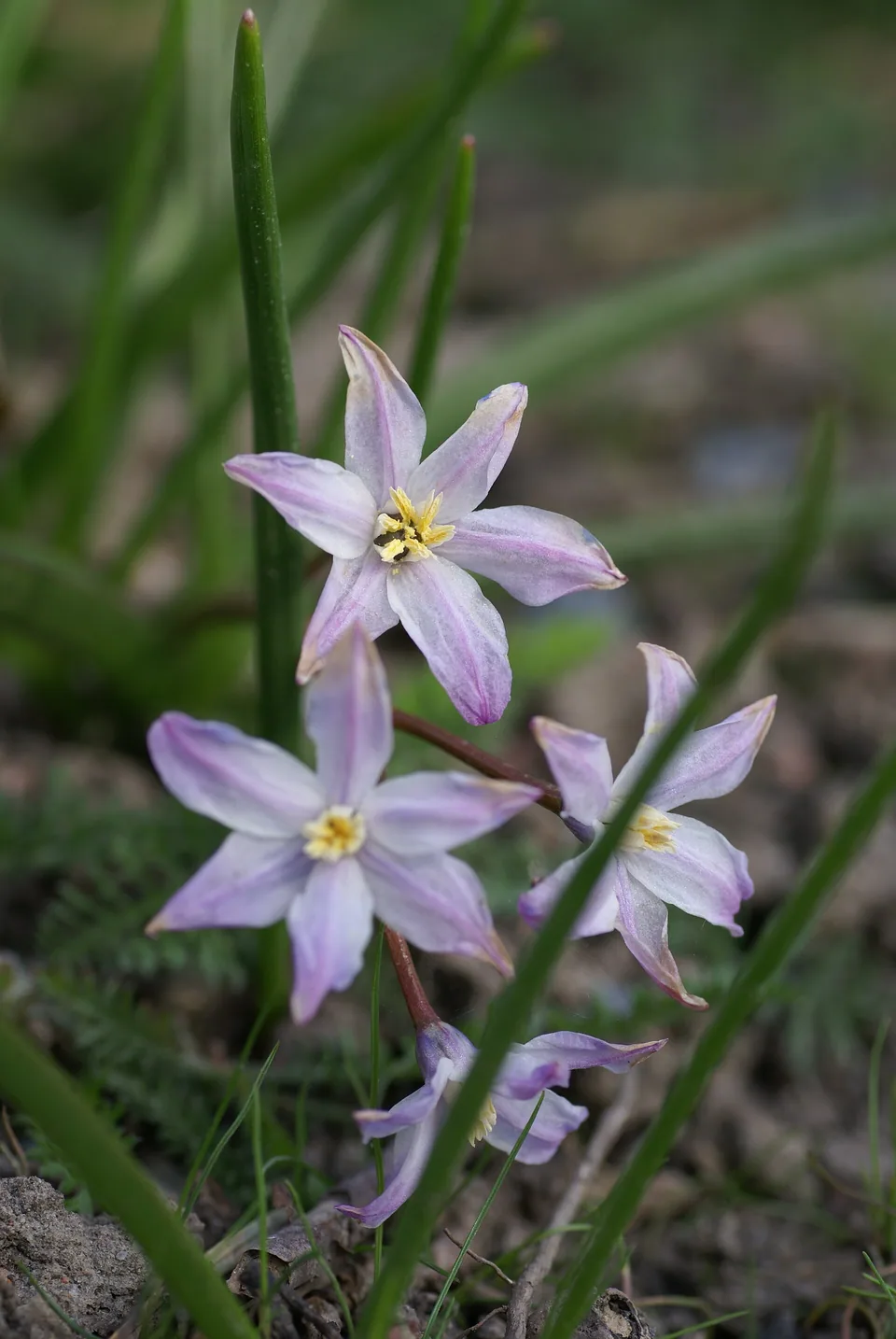
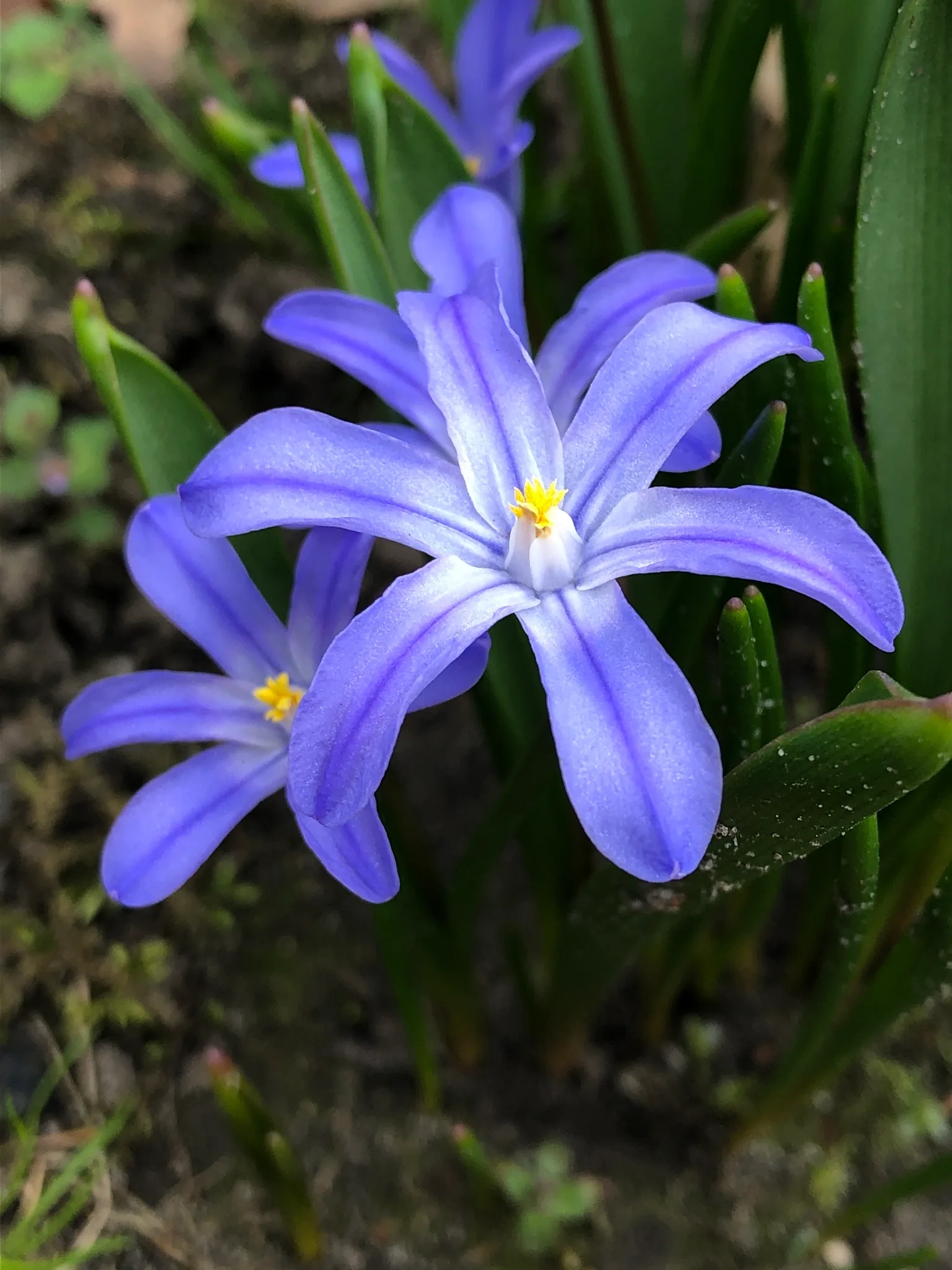
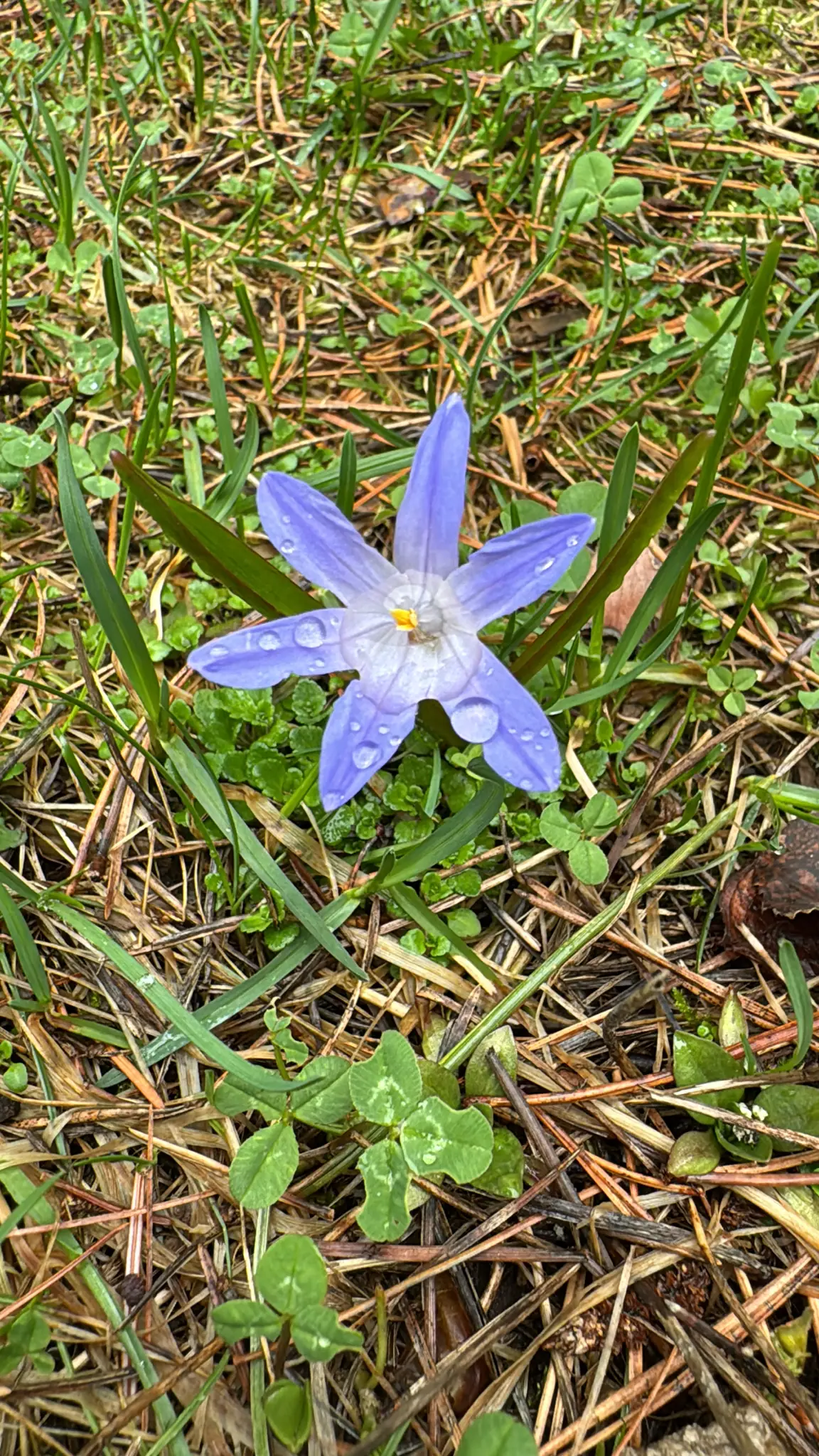
Glory-of-the-snow is an early spring blooming bulb with star-shaped blue-purple or pink flowers, listed by NC State Extension under the name Scilla luciliae. [1] Bulbs are planted in the fall in well-drained garden soil and need moisture during the growing season but tolerate dry summers. [1]
This record is incomplete: the sources we read do not cover every field yet.
Not yet covered by our sources: Light, Hardiness, warmest zone, Pruning
Glory of the Snow care
How to water Glory of the Snow
Needs moisture during the growing season but tolerates dry summers
What the sources say (1)
They need moisture during the growing season but tolerate dry summers.How much light Glory of the Snow needs
Not stated in the sources we read.
How much cold Glory of the Snow can take
Hardiness, coldest zone
3 [winter low −40 to −34.4 °C (−40 to −30 °F)]
Hardiness, warmest zone
Not stated in the sources we read.
Best soil for Glory of the Snow
Soil pH, minimum
5.5
What the sources say (1)
pH Range:
5.5 to 7.5Soil pH, maximum
7.5
What the sources say (1)
pH Range:
5.5 to 7.5Where to grow Glory of the Snow
5.1-7.6 cm (2-3 in)
What the sources say (2)
Plant bulbs in the fall 3 inches deep and 2-3 inches apart in average well-drained garden soil.plant the bulbs in the fall 2 to 3 inches apart and 3 inches
deepHow to propagate Glory of the Snow
Bulb offsets (bulbs multiply) and self-seeding
How to grow Glory of the Snow
The plant
Life cycle
perennial
What the sources say (1)
Life Cycle:
Bulb
Perennial
Recommended Propagation Strategy:
Division
SeedFamily
Asparagaceae
What the sources say (1)
Genus:
Scilla
Species:
luciliae
Family:
Asparagaceae
Uses (Ethnobotany):
Adds colorMature height
10-15 cm (4-6 in)
What the sources say (3)
Dimensions:
Height: 0 ft. 4 in. - 0 ft. 6 in.Chionodoxa luciliae is native to western Turkey and grows to 4 inches tall with a pairThe plants grow to about 6 inches tall.Mature width
7.6-15 cm (3-6 in)
What the sources say (1)
Dimensions:
Height: 0 ft. 4 in. - 0 ft. 6 in.Harvest and storage
Saving seeds
Allow the seed pods to dry on the plant, then break them open to collect the seed; the seed can be sown outdoors in fall.
What the sources say (1)
To collect seeds, allow pods to dry on the plant, then break open pods to collect the seed. Collected seed can be direct sown outdoors in fall.Pests and diseases
Pests
nematodes
What the sources say (1)
Insects, Diseases, and Other Plant Problems: No serious issues.Fertilizing
When
The sources give different values depending on region, zone or growing conditions.
What each source says
spring-flowering bulbs in general: After the flowers have faded
What the sources say (1)
spring-flowering bulbs in general: Apply a balanced fertilizer, such as a 10-10-10, after the flowers have faded. This will help create a larger bulb to enhance next year’s bloom.Natural fertilizers
The sources give different values depending on region, zone or growing conditions.
What each source says
spring-flowering bulbs in general, bed preparation: Compost mixed into the loosened soil, 1 part organic matter to 4 parts soil
What the sources say (1)
spring-flowering bulbs in general, bed preparation: All bulbs benefit from the addition of organic matter to the soil. Organic matter loosens the soil and adds essential nutrients. Thoroughly mix compost with loosened soil at the rate of 1 part organic matter to 4 parts soil.Mineral fertilizers
The sources give different values depending on region, zone or growing conditions.
What each source says
spring-flowering bulbs in general: Balanced fertilizer such as 10-10-10
What the sources say (1)
spring-flowering bulbs in general: Apply a balanced fertilizer, such as a 10-10-10, after the flowers have faded. This will help create a larger bulb to enhance next year’s bloom.Avoid
The sources give different values depending on region, zone or growing conditions.
What each source says
spring-flowering bulbs in general, forced in pots: No fertilizer in the potting mix
What the sources say (1)
spring-flowering bulbs in general, forced in pots: A good soil mixture contains one part loamy soil, one part organic matter such as peat and one part sand. Do not add fertilizer.Glory of the Snow pests and problems
Nematodes
Symptom: Occasionally cause serious issues; otherwise no serious issues
What the sources say (1)
Insects, Diseases, and Other Plant Problems: No serious issues. Nematodes occasionally cause serious issues.
— Scilla luciliae (Glory of the Snow, Lucile's glory-of-the-snow, 'Violet Beauty') | North Carolina Extension Gardener Plant Toolbox [1]
Remedies
The sources we checked give no remedies for this plant.
Calendar
Planting
Fall
What each source says
According to Backyard Gardener: September or October
What the sources say (3)
According to Backyard Gardener: Bulbs should be planted 3″ deep in September or October in a slightly shady area.Plant bulbs in the fall 3 inches deep and 2-3 inches apart in average well-drained garden soil.plant the bulbs in the fall 2 to 3 inches apart and 3 inches
deepPruning
Not stated in the sources we read.
Months as given by the sources, which are mostly from the United States (northern hemisphere). In the southern hemisphere they shift by about six months.
Indicative values
Values from a secondary source, not checked word for word like the rest of this page. Use them as a starting point.
- Light
- Full sun, part shadeIndicative value, adapt it to your climate · Secondary source
- Care level
- EasyIndicative value, adapt it to your climate · Secondary source
- Growth rate
- LowIndicative value, adapt it to your climate · Secondary source
- Pruning
- March, April, May, June, JulyIndicative value, adapt it to your climate · Secondary source
Similar plants
- Adam's Needle Yucca flaccida
- Alpine squill Scilla bifolia
- American Agave Agave virginica
- Asparagus Asparagus officinalis
- Asparagus Fern Asparagus setaceus
- Beaked Yucca Yucca rostrata
- Beschorneria Beschorneria yuccoides
- Bichetii Grass Chlorophytum laxum
Sources
Every value above is quoted from these documents. Links lead to the original publisher.
- Scilla luciliae (Glory of the Snow, Lucile's glory-of-the-snow, 'Violet Beauty') | North Carolina Extension Gardener Plant Toolbox · plants.ces.ncsu.edu, consulted
- Glory of the Snow · uaex.uada.edu, consulted
- Glory-of-the-Snow, Chionodoxa forbesii – Wisconsin Horticulture · hort.extension.wisc.edu, consulted
- Chionodoxa | Pacific Bulb Society · pacificbulbsociety.org, consulted
- How to Grow Chionodoxa - Glory-of-the-Snow · harvesttotable.com, consulted
- Chionodoxa luciliae ( Glory of the Snow Chionodoxa ) - Professional Gardening Tips · backyardgardener.com, consulted
- extensionpubs.unl.edu · extensionpubs.unl.edu
Written by Emilio Marruso · last checked