
How to Grow and Care for Yellow Foxglove
Digitalis grandiflora
Written by Emilio Marruso · last checked
Toxic to: Horses, People · Why
At a glance
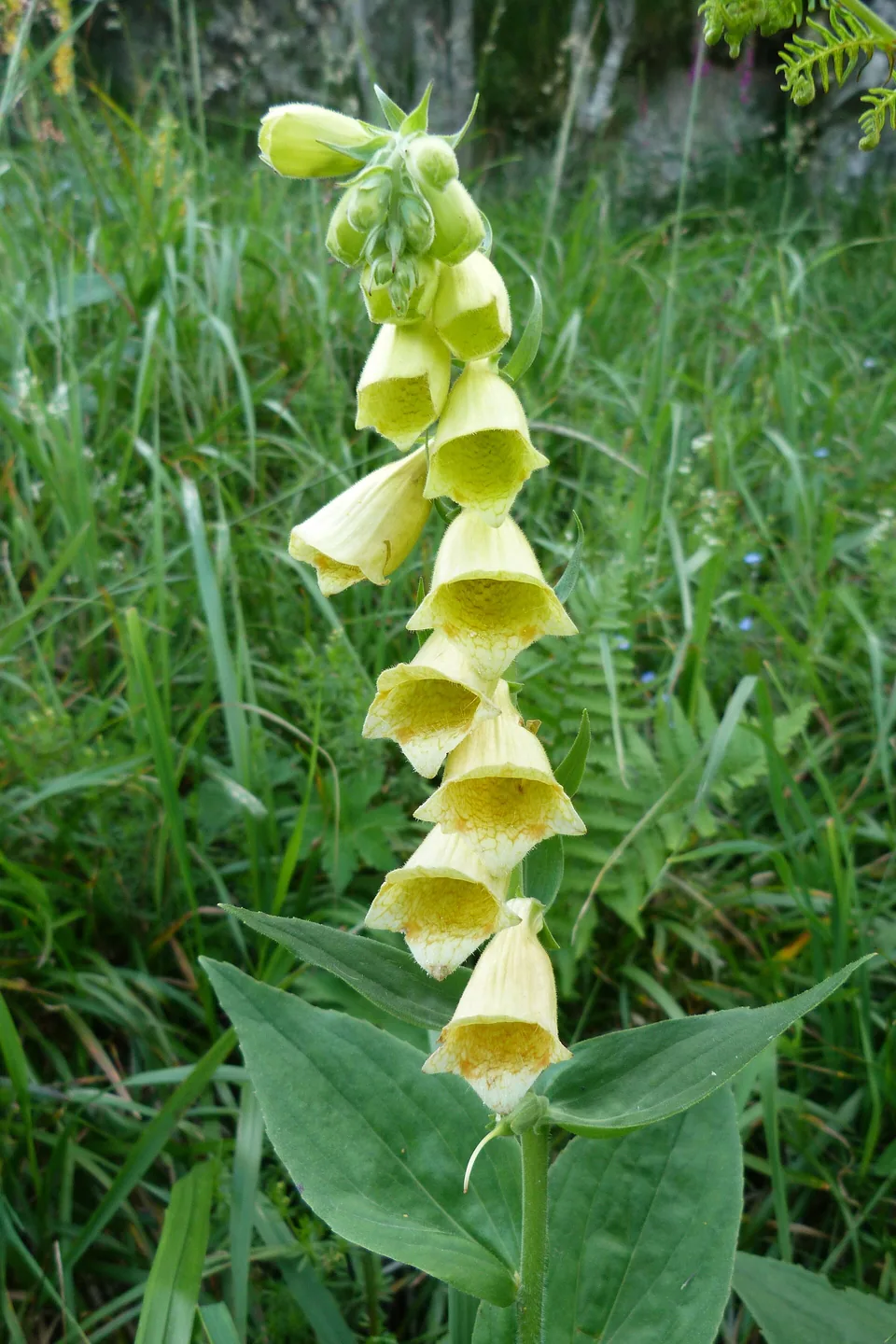
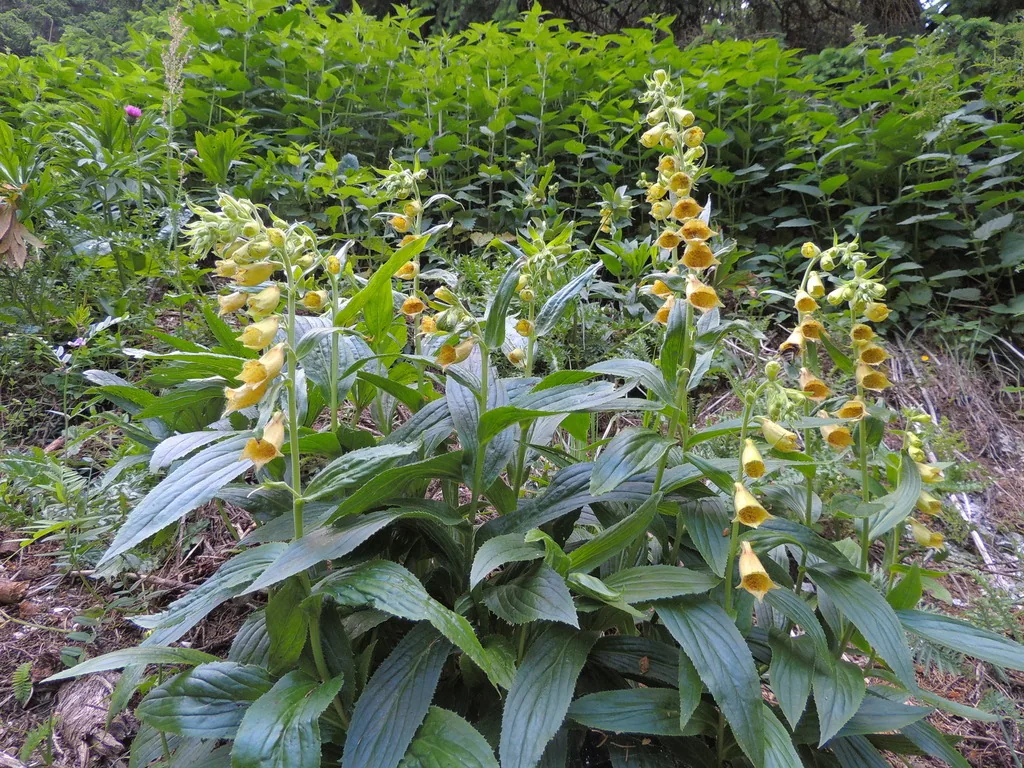
This foxglove sends up flower spikes 2–3 feet tall above a low clump of leaves, and it grows happily in full sun or partial shade. Once established it handles dry spells well, and its blooms make lovely cut flowers when picked half open. Sow the seeds on the soil surface in early spring and watch them sprout in 2–4 weeks.
- Sun
Full sun or partial shade; in full sun keep the soil moist
What the sources say (2)
- Water
Handles dry spells once established; avoid very wet or very dry soil
What the sources say (3)
Watering: Relatively drought tolerant once established
Once established it is relatively drought tolerant
— Yellow Foxglove, Digitalis grandiflora – Wisconsin Horticulture [1] once established, is drought tolerant
— Digitalis grandiflora - Useful Temperate Plants [5] Drought: Relatively drought tolerant once established; avoid very wet or very dry soil
adapts to almost any type of soil except for very wet or very dry. Once established it is relatively drought tolerant .
— Yellow Foxglove, Digitalis grandiflora – Wisconsin Horticulture [1] - Cold
Survives winters down to −40 °F (−40 °C)
Very hardy · USDA 3a · RHS H7 · Z3
What the sources say (4)
Hardiness, coldest zone: 3a [winter low −40 to −37.2 °C (−40 to −35 °F)]
hardy in zones 3a-8b
— Yellow Foxglove, Digitalis grandiflora – Wisconsin Horticulture [1] RHS H6, USDA 3a-8b.
— Everyone knows the classic foxglove - but these perennial versions are fast becoming designer favourites | Gardens Illustrated [2] Hardiness, warmest zone: 8b [winter low −9.4 to −6.7 °C (15 to 20 °F)]
hardy in zones 3a-8b
— Yellow Foxglove, Digitalis grandiflora – Wisconsin Horticulture [1] RHS H6, USDA 3a-8b.
— Everyone knows the classic foxglove - but these perennial versions are fast becoming designer favourites | Gardens Illustrated [2] - Soil
Likes moist, rich soil that drains well; adapts to almost any soil
What the sources say (2)
Watering notes: Prefers moist, well-drained, fertile soil; adapts to almost any soil except very wet or very dry; full sun is tolerated if the soil is moist
prefers moist, well-drained, fertile soil, but adapts to almost any type of soil except for very wet or very dry
— Yellow Foxglove, Digitalis grandiflora – Wisconsin Horticulture [1] It prefers semi-shade but succeeds in full sun if the soil is moist
— Digitalis grandiflora - Useful Temperate Plants [5] - Spacing
12–14 in between plants
What the sources say (3)
Spacing: 30.5 cm (12 in)
Space plants about 12 inches apart when planting in gardens or landscapes.
— Yellow Foxglove, Digitalis grandiflora – Wisconsin Horticulture [1] - Feeding
Mix compost into the soil before planting
What the sources say (2)
When: Before planting, when preparing the soil
Enrich the soil with compost or other organic matter before planting.
— Yellow Foxglove, Digitalis grandiflora – Wisconsin Horticulture [1] Natural fertilizers: Compost or other organic matter worked into the soil before planting
Enrich the soil with compost or other organic matter before planting.
— Yellow Foxglove, Digitalis grandiflora – Wisconsin Horticulture [1] - Pruning
Cut off faded flower stalks after blooming; trim winter-damaged leaves in spring
What the sources say (2)
Pruning: After flowering (remove spent flower stalks); prune winter-damaged leaves in spring
Remove the flower stalks after the flowers fade to promote reblooming
— Yellow Foxglove, Digitalis grandiflora – Wisconsin Horticulture [1] Prune off winter-damaged leaves in spring.
— Yellow Foxglove, Digitalis grandiflora – Wisconsin Horticulture [1] - Harvest
For cut flowers, cut the stems when the blooms are half open
What the sources say (1)
How to harvest: Cut flower stems when the blooms are half open.
It makes a good cut flower if picked when the blooms are half open.
— Yellow Foxglove, Digitalis grandiflora – Wisconsin Horticulture [1] - Pests
Watch for mildew and leaf spots
What the sources say (1)
Diseases: mildew, leaf spots
Foxgloves have few pests and are not favored by deer or rabbits but may develop mildew or leaf spots.
— Yellow Foxglove, Digitalis grandiflora – Wisconsin Horticulture [1] - Size
Leaves 12–18 in tall; flower spikes 2–3 ft
What the sources say (1)
Mature height: foliage 30-46 cm (12-18 in); flower spikes 61-91 cm (2-3 ft)
The soft, lush foliage grows 12-18 inches tall, and the flower spikes will reach 2-3 feet tall.
— Yellow Foxglove, Digitalis grandiflora – Wisconsin Horticulture [1] - Propagation
From seed, or divide the clump in spring or fall
- Sowing
Sow indoors in early spring at 65–70 °F (18–21 °C); don't cover the seeds; sprouts in 2–4 weeks
What the sources say (9)
Sowing: Early spring (indoors, at 65-70 F, or in a cold frame); outdoors in pots or flats in fall
To start seed indoors, sow at 65-70 ºF in early spring.
— Yellow Foxglove, Digitalis grandiflora – Wisconsin Horticulture [1] Alternately, sow seeds in pots or flats outdoors in fall to germinate in early spring.
— Yellow Foxglove, Digitalis grandiflora – Wisconsin Horticulture [1] Seed - surface sow early spring in a cold frame.
— Digitalis grandiflora - Useful Temperate Plants [5] Sowing depth: 0 cm [0 in] (surface sow: do not cover seeds, light aids germination)
To start seed indoors, sow at 65-70 ºF in early spring. Do not cover seeds, as light aids germination .
— Yellow Foxglove, Digitalis grandiflora – Wisconsin Horticulture [1] Germination: Sow indoors in early spring at 18-21 °C [64–70 °F] without covering the seed (light aids germination); germination begins in 14-28 days. Foxgloves sown in a sheltered spot at 10-15 °C [50–59 °F] germinate in two to three weeks.
sowing outdoors in autumn: Alternately, sow seeds in pots or flats outdoors in fall to germinate in early spring.
— Yellow Foxglove, Digitalis grandiflora – Wisconsin Horticulture [1] To start seed indoors, sow at 65-70 ºF in early spring.
— Yellow Foxglove, Digitalis grandiflora – Wisconsin Horticulture [1] Do not cover seeds, as light aids germination . Seeds typically begin germinating in 2-4 weeks.
— Yellow Foxglove, Digitalis grandiflora – Wisconsin Horticulture [1] Keep them outdoors in a sheltered spot, or in an unheated greenhouse or coldframe , at 10–15°C (50–60°F) - They should germinate in two to three weeks
— [7] Days to germination: 14-28 days (2-4 weeks)
Do not cover seeds, as light aids germination . Seeds typically begin germinating in 2-4 weeks.
— Yellow Foxglove, Digitalis grandiflora – Wisconsin Horticulture [1] - Safety
Highly poisonous to people and animals, including horses: it affects the heart
Overview
Yellow foxglove is a short-lived, clump-forming perennial native to woodlands and stream banks from central Europe to Turkey and Siberia. [1] It is grown in full sun or partial shade and is relatively drought tolerant once established. [1] All species and hybrids of Digitalis are described as highly toxic. [1]
Yellow Foxglove care
How to water Yellow Foxglove
Watering
Relatively drought tolerant once established
Watering notes
Prefers moist, well-drained, fertile soil; adapts to almost any soil except very wet or very dry; full sun is tolerated if the soil is moist
What the sources say (2)
prefers moist, well-drained, fertile soil, but adapts to almost any type of soil except for very wet or very dryIt prefers semi-shade but succeeds in full sun if the soil is moistHow much light Yellow Foxglove needs
Full sun or partial shade
What each source says
According to Temperate Plants Database: Prefers semi-shade; succeeds in full sun if the soil is moist
How much cold Yellow Foxglove can take
Hardiness, coldest zone
3a [winter low −40 to −37.2 °C (−40 to −35 °F)]
Hardiness, warmest zone
8b [winter low −9.4 to −6.7 °C (15 to 20 °F)]
Where to grow Yellow Foxglove
30.5 cm (12 in)
What the sources say (1)
Space plants about 12 inches apart when planting in gardens or landscapes.How to propagate Yellow Foxglove
How to grow Yellow Foxglove
The plant
Life cycle
perennial (short-lived)
What the sources say (1)
is a short-lived, clump-forming perennial native to woodlands and stream banks from central Europe to Turkey and SiberiaFamily
Plantaginaceae
What the sources say (1)
Foxgloves are in a genus of about 20 species in the family Plantaginaceae.Mature height
foliage 30-46 cm (12-18 in); flower spikes 61-91 cm (2-3 ft)
What the sources say (1)
The soft, lush foliage grows 12-18 inches tall, and the flower spikes will reach 2-3 feet tall.Sowing and growth
Days to germination
14-28 days (2-4 weeks)
What the sources say (1)
Do not cover seeds, as light aids germination . Seeds typically begin germinating in 2-4 weeks.Sowing depth
0 cm [0 in] (surface sow: do not cover seeds, light aids germination)
What the sources say (1)
To start seed indoors, sow at 65-70 ºF in early spring. Do not cover seeds, as light aids germination .Harvest and storage
How to harvest
Cut flower stems when the blooms are half open.
What the sources say (1)
It makes a good cut flower if picked when the blooms are half open.Pests and diseases
Diseases
mildew, leaf spots
What the sources say (1)
Foxgloves have few pests and are not favored by deer or rabbits but may develop mildew or leaf spots.Fertilizing
When
Before planting, when preparing the soil
What the sources say (1)
Enrich the soil with compost or other organic matter before planting.Natural fertilizers
Compost or other organic matter worked into the soil before planting
What the sources say (1)
Enrich the soil with compost or other organic matter before planting.Spacing
Between plants
30-35 cm [12–14 in] apart
Propagation
Germination
Sow indoors in early spring at 18-21 °C [64–70 °F] without covering the seed (light aids germination); germination begins in 14-28 days. Foxgloves sown in a sheltered spot at 10-15 °C [50–59 °F] germinate in two to three weeks.
What each source says
sowing outdoors in autumn: Sow in pots or flats outdoors in fall; germinates in early spring
What the sources say (4)
sowing outdoors in autumn: Alternately, sow seeds in pots or flats outdoors in fall to germinate in early spring.To start seed indoors, sow at 65-70 ºF in early spring.Do not cover seeds, as light aids germination . Seeds typically begin germinating in 2-4 weeks.Keep them outdoors in a sheltered spot, or in an unheated greenhouse or coldframe , at 10–15°C (50–60°F) - They should germinate in two to three weeksHeat and drought
Drought
Relatively drought tolerant once established; avoid very wet or very dry soil
What the sources say (1)
adapts to almost any type of soil except for very wet or very dry. Once established it is relatively drought tolerant .Remedies
Each remedy shows what official sources say about it; traditional remedies without an official source are marked as such. Harmful ones are listed so you know to avoid them.
First aid
First aid: not a substitute for a doctor
ingestion of plant parts
save the vomit for identification Official source, not independently tested
Seek immediate medical help. DO NOT make a person throw up unless told to do so by poison control or a health care provider.
— medlineplus.gov [9] All species and hybrids of digitalis are highly toxic and should never be eaten.
— Yellow Foxglove, Digitalis grandiflora – Wisconsin Horticulture [1] How: If the person has been sick from a plant part, save the vomit: it may help experts identify what medicine can reverse the poisoning.
If the person has been sick from a plant part, save the vomit. It may help experts identify what medicine can be used to help reverse the poisoning.
— medlineplus.gov [8]
Is Yellow Foxglove toxic to pets?
Reported by the source, quoted verbatim. This is not medical or veterinary advice: if a person or an animal may have eaten this plant, contact a poison control centre or a veterinarian.
Animals
Foxglove is also extremely toxic to animals (including livestock, particularly ruminants and horses, and chickens), though the bitter taste usually means animals avoid ingesting it.
[6]Genus-level warning: refers to the whole genus, not documented for this species
The source flags the risk for this animal but does not explain why.
People
Digitalis species contain several cardiac glycosides that are highly toxic and poisonous to humans; and that affect the heart muscle.
[6]Genus-level warning: refers to the whole genus, not documented for this species
Calendar
Sowing
Early spring (indoors, at 65-70 F, or in a cold frame); outdoors in pots or flats in fall
What the sources say (3)
To start seed indoors, sow at 65-70 ºF in early spring.Alternately, sow seeds in pots or flats outdoors in fall to germinate in early spring.Seed - surface sow early spring in a cold frame.Pruning
After flowering (remove spent flower stalks); prune winter-damaged leaves in spring
Months as given by the sources, which are mostly from the United States (northern hemisphere). In the southern hemisphere they shift by about six months.
Similar plants
- Foxglove Digitalis purpurea
- Straw Foxglove Digitalis lutea
- Willow Leaf Foxglove Digitalis obscura
- Angelonia Angelonia angustifolia
- Birdeye Speedwell Veronica persica
- Blue Toadflax Linaria canadensis
- Brazilian Snapdragon Achetaria azurea
- Butter and Eggs Linaria vulgaris
Sources
Every value above is quoted from these documents. Links lead to the original publisher.
- Yellow Foxglove, Digitalis grandiflora – Wisconsin Horticulture · hort.extension.wisc.edu, consulted
- Everyone knows the classic foxglove - but these perennial versions are fast becoming designer favourites | Gardens Illustrated · gardensillustrated.com, consulted
- Digitalis grandiflora | Euro+Med-Plantbase · europlusmed.org, consulted
- How to Grow Digitalis - Foxglove · harvesttotable.com, consulted
- Digitalis grandiflora - Useful Temperate Plants · temperate.theferns.info, consulted
- Foxglove (Digitalis) | Department of Natural Resources and Environment Tasmania · nre.tas.gov.au, consulted
- rhs.org.uk · rhs.org.uk
- medlineplus.gov · medlineplus.gov
- medlineplus.gov · medlineplus.gov
Written by Emilio Marruso · last checked