
How to Grow and Care for Foxglove
Digitalis purpurea
Written by Emilio Marruso · last checked
Toxic to: Cats, Dogs, Horses, Animals, People · Why
At a glance
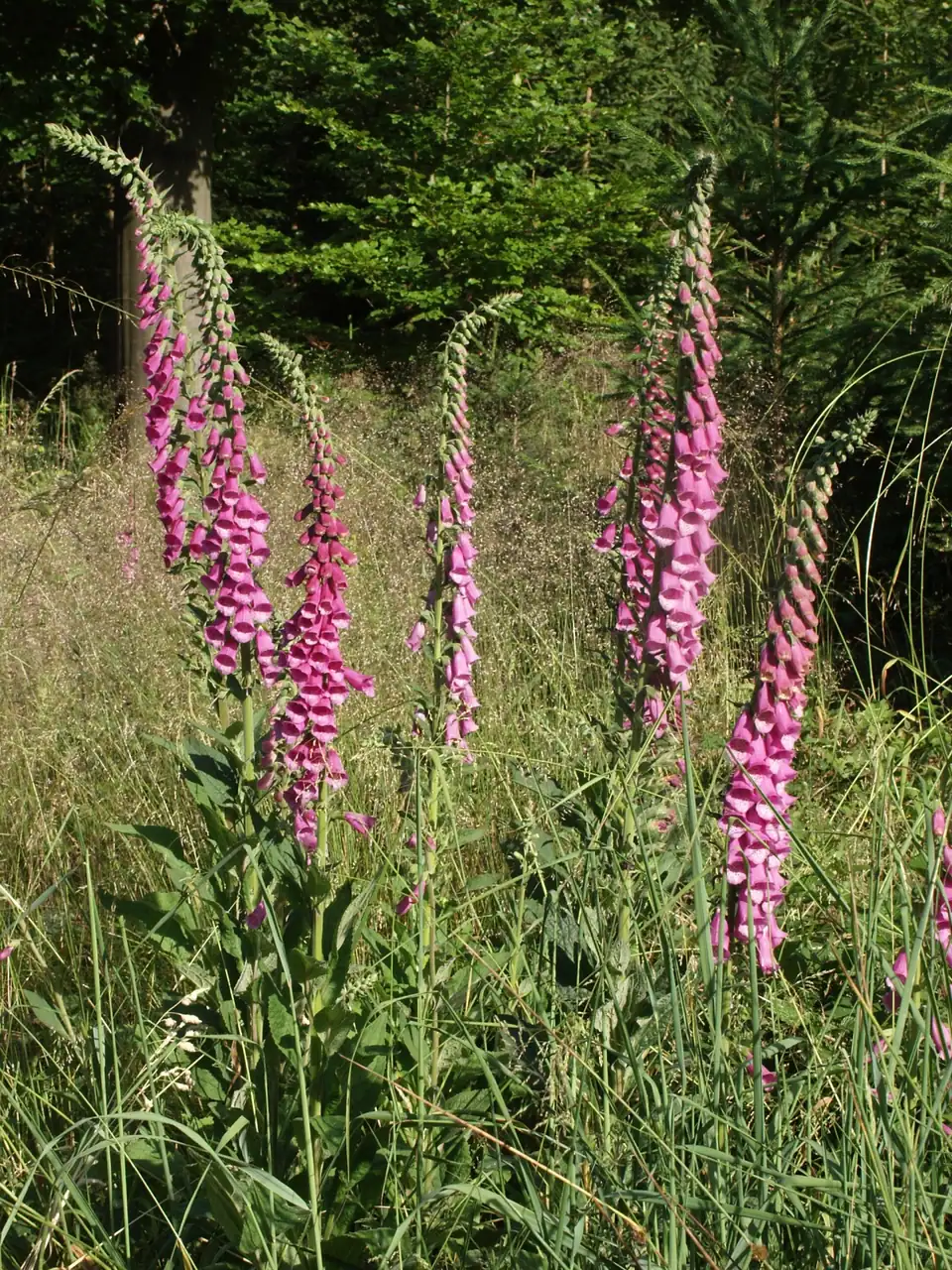
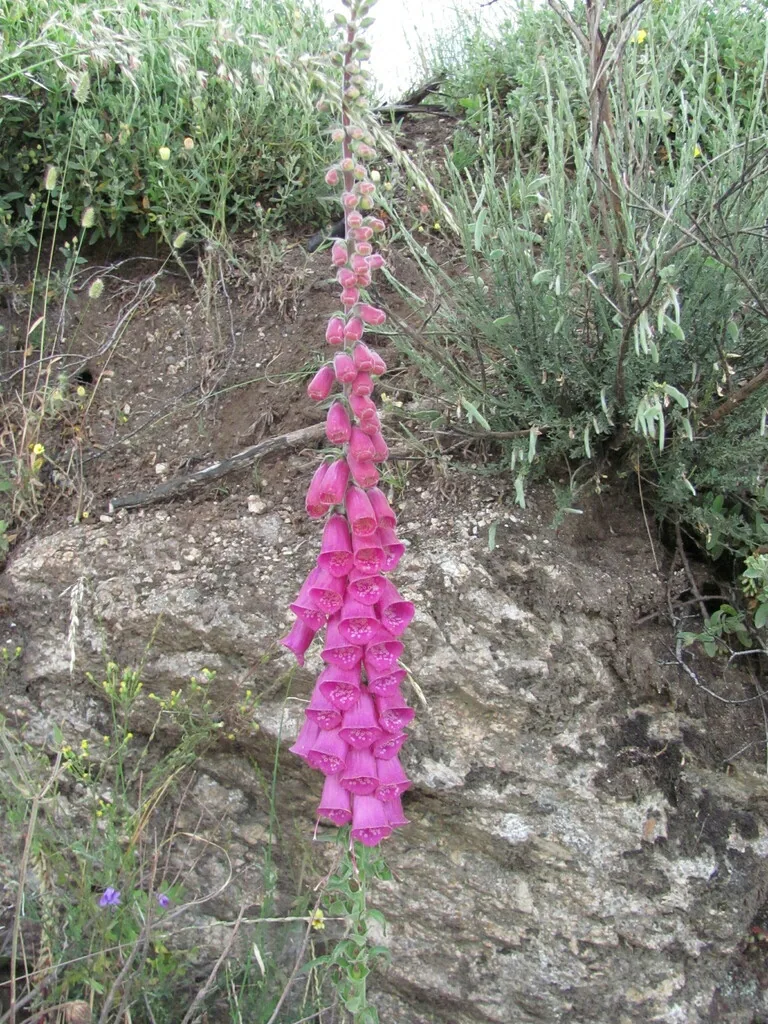
Foxglove is a biennial that sends up flower spikes on plants 2 to 5 feet tall, happy in full sun or partial shade. Sow it in late summer, leaving the seed uncovered because it needs light, and it blooms the following year. Keep the soil moist, cut a few spikes for bouquets, and let one or two set seed for new plants.
- Sun
Full sun to partial shade; afternoon shade is welcome
What the sources say (6)
Light: Full sun to partial shade
According to NC State Extension: Foxglove does best with afternoon shade.
— Digitalis purpurea (Common Foxglove, Foxglove) | North Carolina Extension Gardener Plant Toolbox [1] According to University of Wisconsin Extension: Grow common foxglove in full sun to light shade.
— Common Foxglove, Digitalis purpurea – Wisconsin Horticulture [2] South Carolina: Plant foxglove in a location that receives morning sun and afternoon shade in South Carolina.
— Foxglove | Home & Garden Information Center [4] According to University of Arkansas Extension: It grows in full sun or medium shade and usually persists for three or four years
— Foxglove [5] Light: Full sun (6 or more hours of direct sunlight a day) Partial Shade (Direct sunlight only part of the day, 2-6 hours)
— Digitalis purpurea (Common Foxglove, Foxglove) | North Carolina Extension Gardener Plant Toolbox [1] Grow common foxglove in full sun to light shade.
— Common Foxglove, Digitalis purpurea – Wisconsin Horticulture [2] - Water
Keep the soil moist, never dry; drought means fewer flowers
What the sources say (3)
Watering: Keep soil moist and do not allow it to dry out
It prefers moist, well-drained soil high in organic matter that should not be allowed to dry out, as periods of drought stress will limit flower production.
— Digitalis purpurea (Common Foxglove, Foxglove) | North Carolina Extension Gardener Plant Toolbox [1] It does best in a moderately fertile, well-drained soil that receives some water during the summer.
— Foxglove [5] Watering notes: Periods of drought stress limit flower production; soil should be well drained
It prefers moist, well-drained soil high in organic matter that should not be allowed to dry out, as periods of drought stress will limit flower production.
— Digitalis purpurea (Common Foxglove, Foxglove) | North Carolina Extension Gardener Plant Toolbox [1] - Cold
Survives winters down to −30 °F (−34.4 °C)
Very hardy · USDA 4a · RHS H7 · Z4
What the sources say (4)
Hardiness, coldest zone: 4a [winter low −34.4 to −31.7 °C (−30 to −25 °F)]
4a, 4b, 5a, 5b, 6a, 6b, 7a, 7b, 8a, 8b, 9a, 9b
— Digitalis purpurea (Common Foxglove, Foxglove) | North Carolina Extension Gardener Plant Toolbox [1] in some places is considered a weed or invasive plant. It is hardy in zones 4a-9b.
— Common Foxglove, Digitalis purpurea – Wisconsin Horticulture [2] Hardiness, warmest zone: 9b [winter low −3.9 to −1.1 °C (25 to 30 °F)]
4a, 4b, 5a, 5b, 6a, 6b, 7a, 7b, 8a, 8b, 9a, 9b
— Digitalis purpurea (Common Foxglove, Foxglove) | North Carolina Extension Gardener Plant Toolbox [1] in some places is considered a weed or invasive plant. It is hardy in zones 4a-9b.
— Common Foxglove, Digitalis purpurea – Wisconsin Horticulture [2] - Soil
Well-drained soil with a pH of 6.0 or lower
What the sources say (2)
Soil pH, maximum: 6.0
Soil pH: Acid (<6.0) Soil Drainage: Good Drainage Moist
— Digitalis purpurea (Common Foxglove, Foxglove) | North Carolina Extension Gardener Plant Toolbox [1] Watering notes: Periods of drought stress limit flower production; soil should be well drained
It prefers moist, well-drained soil high in organic matter that should not be allowed to dry out, as periods of drought stress will limit flower production.
— Digitalis purpurea (Common Foxglove, Foxglove) | North Carolina Extension Gardener Plant Toolbox [1] - Spacing
18 in between plants
What the sources say (1)
Spacing: 45.7 cm (18 in)
Transplant seedlings to the garden after the last frost in spring. Space or thin the seedlings to about 18 inches apart.
— Common Foxglove, Digitalis purpurea – Wisconsin Horticulture [2] - Planting
Move seedlings to the garden after the last spring frost
What the sources say (4)
Planting: Transplant seedlings to the garden after the last frost in spring; first-year plants in their final location in September
seedlings (fonte: University of Wisconsin Extension): Transplant seedlings to the garden after the last frost in spring.
— Common Foxglove, Digitalis purpurea – Wisconsin Horticulture [2] first-year plants (fonte: University of Arkansas Extension): The first-year plants should be planted in their final location in the garden during September
— Foxglove [5] Transplant seedlings to the garden after the last frost in spring. Space or thin the seedlings to about 18 inches apart.
— Common Foxglove, Digitalis purpurea – Wisconsin Horticulture [2] The first-year plants should be planted in their final location in the garden during September so that they can establish themselves before cold weather arrives.
— Foxglove [5] - Feeding
Dig in plenty of compost before planting, then add a thick mulch at the base
What the sources say (2)
When: Organic matter dug in before planting
Before planting, improve the soil by digging in plenty of organic matter , such a leafmould or garden compost . Then lay a thick mulch over the soil surface around the plants
— [6] Natural fertilizers: Plenty of organic matter such as leafmould or garden compost dug in before planting, then a thick mulch over the soil at the base of the plants
Before planting, improve the soil by digging in plenty of organic matter , such a leafmould or garden compost . Then lay a thick mulch over the soil surface around the plants
— [6] - Pruning
Remove faded flowers after blooming
What the sources say (1)
Pruning: Deadhead after flowering
Deadhead after flowering to avoid excessive numbers of seedlings, but some flowers must be allowed to form seeds if the population is to persist.
— Digitalis purpurea (Common Foxglove, Foxglove) | North Carolina Extension Gardener Plant Toolbox [1] - Harvest
Cut spikes for bouquets; cutting the central one brings more spikes
What the sources say (1)
How to harvest: Cut flower spikes for bouquets; cutting the central spike encourages more flower spikes.
Cut flower spikes to use in bouquets. More flower spikes will be encouraged after the central spike is cut.
— Foxglove | Home & Garden Information Center [4] - Pests
Aphids, Japanese beetles and mealybugs; powdery mildew on leaves in late summer
What the sources say (4)
Pests: aphids, Japanese beetles, mealybugs
Insects, Diseases, and Other Plant Problems: Fungal diseases and aphids, Japanese beetles, and mealy bugs are problems.
— Digitalis purpurea (Common Foxglove, Foxglove) | North Carolina Extension Gardener Plant Toolbox [1] This plant has few pest problems and is not bothered by deer or rabbits , although powdery mildew can infect the foliage in late summer and will occasionally be infested with aphids.
— Common Foxglove, Digitalis purpurea – Wisconsin Horticulture [2] Diseases: fungal diseases (unspecified), powdery mildew
Insects, Diseases, and Other Plant Problems: Fungal diseases and aphids, Japanese beetles, and mealy bugs are problems.
— Digitalis purpurea (Common Foxglove, Foxglove) | North Carolina Extension Gardener Plant Toolbox [1] This plant has few pest problems and is not bothered by deer or rabbits , although powdery mildew can infect the foliage in late summer and will occasionally be infested with aphids.
— Common Foxglove, Digitalis purpurea – Wisconsin Horticulture [2] - Watch out
Self-seeds freely: let only one or two spikes go to seed
- Size
2 to 5 ft tall and 1 to 2.5 ft wide
What the sources say (2)
Mature height: 61-152 cm (2 ft - 5 ft)
Height: 2 ft. 0 in. - 5 ft. 0 in. Width: 1 ft. 0 in. - 2 ft. 6 in.
— Digitalis purpurea (Common Foxglove, Foxglove) | North Carolina Extension Gardener Plant Toolbox [1] Mature width: 30-76 cm (1 ft - 2 ft 6 in)
Height: 2 ft. 0 in. - 5 ft. 0 in. Width: 1 ft. 0 in. - 2 ft. 6 in.
— Digitalis purpurea (Common Foxglove, Foxglove) | North Carolina Extension Gardener Plant Toolbox [1] - Propagation
By seed: collect it from a spike and sow it while fresh
What the sources say (4)
Propagation: Seed
Common foxglove can be direct sown in late summer where plants are desired to grow to bloom the following year, or sown indoors in late spring. Seeds need light to germinate, so do not cover.
— Common Foxglove, Digitalis purpurea – Wisconsin Horticulture [2] Foxglove seeds need light to germinate, so they should not be covered with soil.
— Foxglove | Home & Garden Information Center [4] Saving seeds: Leave one or two flower spikes to set seed, collect the wanted seeds from them and sow while the seed is fresh. Seeds need light to germinate, so they should not be covered with soil.
Collect the number of wanted seeds from those remaining spikes and sow while the seed is fresh.
— Foxglove | Home & Garden Information Center [4] Foxglove seeds need light to germinate, so they should not be covered with soil.
— Foxglove | Home & Garden Information Center [4] - Sowing
Sow in late summer for flowers next year; don't cover the seed, it needs light
What the sources say (8)
Sowing: Direct sown in late summer for bloom the following year; sown indoors in late spring; planted outside in containers in May or June
direct sowing (fonte: University of Wisconsin Extension): Common foxglove can be direct sown in late summer where plants are desired to grow to bloom the following year, or sown indoors in late spring.
— Common Foxglove, Digitalis purpurea – Wisconsin Horticulture [2] sown indoors (fonte: University of Wisconsin Extension): Common foxglove can be direct sown in late summer where plants are desired to grow to bloom the following year, or sown indoors in late spring.
— Common Foxglove, Digitalis purpurea – Wisconsin Horticulture [2] cultivars that bloom the first year (fonte: Clemson HGIC): Sow these in the fall for blooms the following spring.
— Foxglove | Home & Garden Information Center [4] outside in containers (fonte: University of Arkansas Extension): Seeds can be planted outside in containers in May or June.
— Foxglove [5] Common foxglove can be direct sown in late summer where plants are desired to grow to bloom the following year, or sown indoors in late spring.
— Common Foxglove, Digitalis purpurea – Wisconsin Horticulture [2] Seeds can be planted outside in containers in May or June.
— Foxglove [5] Sowing depth: 0 cm [0 in] (seed is not covered: it needs light to germinate)
Seeds need light to germinate, so do not cover. Transplant seedlings
— Common Foxglove, Digitalis purpurea – Wisconsin Horticulture [2] Foxglove seeds need light to germinate, so they should not be covered with soil.
— Foxglove | Home & Garden Information Center [4] - Safety
Every part is poisonous to people, cats, dogs and horses; leaves can irritate skin
Overview
Common foxglove is a biennial or short-lived perennial from western Europe grown in cottage, shade and pollinator gardens. [2] It prefers moist, well-drained soil rich in organic matter and does best with afternoon shade. [1] All parts of the plant are toxic if ingested. [2]
Foxglove care
How to water Foxglove
Watering
Keep soil moist and do not allow it to dry out
What the sources say (2)
It prefers moist, well-drained soil high in organic matter that should not be allowed to dry out, as periods of drought stress will limit flower production.It does best in a moderately fertile, well-drained
soil that receives some water during the summer.Watering notes
Periods of drought stress limit flower production; soil should be well drained
What the sources say (1)
It prefers moist, well-drained soil high in organic matter that should not be allowed to dry out, as periods of drought stress will limit flower production.How much light Foxglove needs
Full sun to partial shade
What each source says
According to NC State Extension: Afternoon shade preferred
According to University of Wisconsin Extension: Full sun to light shade
South Carolina: Morning sun and afternoon shade
According to University of Arkansas Extension: Full sun or medium shade
What the sources say (6)
According to NC State Extension: Foxglove does best with afternoon shade.According to University of Wisconsin Extension: Grow common foxglove in full sun to light shade.South Carolina: Plant foxglove in a location that receives morning sun and afternoon shade in South Carolina.According to University of Arkansas Extension: It grows in full sun or medium shade and usually persists for three or four yearsLight:
Full sun (6 or more hours of direct sunlight a day)
Partial Shade (Direct sunlight only part of the day, 2-6 hours)Grow common foxglove in full sun to light shade.How much cold Foxglove can take
Hardiness, coldest zone
4a [winter low −34.4 to −31.7 °C (−30 to −25 °F)]
What the sources say (2)
4a, 4b, 5a, 5b, 6a, 6b, 7a, 7b, 8a, 8b, 9a, 9bin some places is considered a weed or invasive plant. It is hardy in zones 4a-9b.Hardiness, warmest zone
9b [winter low −3.9 to −1.1 °C (25 to 30 °F)]
What the sources say (2)
4a, 4b, 5a, 5b, 6a, 6b, 7a, 7b, 8a, 8b, 9a, 9bin some places is considered a weed or invasive plant. It is hardy in zones 4a-9b.Best soil for Foxglove
6.0
What the sources say (1)
Soil pH:
Acid (<6.0)
Soil Drainage:
Good Drainage
MoistWhere to grow Foxglove
45.7 cm (18 in)
What the sources say (1)
Transplant seedlings to the garden after the last frost in spring. Space or thin the seedlings to about 18 inches apart.How to propagate Foxglove
Seed
What the sources say (2)
Common foxglove can be direct sown in late summer where plants are desired to grow to bloom the following year, or sown indoors in late spring. Seeds need light to germinate, so do not cover.Foxglove seeds need light to germinate, so they should not be covered with soil.How to grow Foxglove
The plant
Life cycle
biennial
What each source says
:
:
What the sources say (4)
: Common foxglove, Digitalis purpurea , is an herbaceous biennial or short-lived perennial from western Europe in the plantain family (Plantaginaceae): Foxglove ( Digitalis purpurea ) is a biennial or short-lived perennial belonging to the snapdragon family, a native of western Europe.It is a biennial, having only a rosette of leaves the first year.Common foxglove ( Digitalis purpurea) is biennial, meaning it will live for two years.Family
Plantaginaceae
What the sources say (2)
Foxglove is a biennial (that sometimes behaves like an annual and sometimes like an herbaceous perennial). It is native to western Europe and Morocco and is a member of the plantain family (Plantaginaceae).It is native to Europe and is a member of the plantain (Plantaginaceae) family.Mature height
61-152 cm (2 ft - 5 ft)
What the sources say (1)
Height: 2 ft. 0 in. - 5 ft. 0 in. Width: 1 ft. 0 in. - 2 ft. 6 in.Mature width
30-76 cm (1 ft - 2 ft 6 in)
What the sources say (1)
Height: 2 ft. 0 in. - 5 ft. 0 in. Width: 1 ft. 0 in. - 2 ft. 6 in.Sowing and growth
Sowing depth
0 cm [0 in] (seed is not covered: it needs light to germinate)
Harvest and storage
How to harvest
Cut flower spikes for bouquets; cutting the central spike encourages more flower spikes.
What the sources say (1)
Cut flower spikes to use in bouquets. More flower spikes will be encouraged after the central spike is cut.Saving seeds
Leave one or two flower spikes to set seed, collect the wanted seeds from them and sow while the seed is fresh. Seeds need light to germinate, so they should not be covered with soil.
Pests and diseases
Pests
aphids, Japanese beetles, mealybugs
What the sources say (2)
Insects, Diseases, and Other Plant Problems: Fungal diseases and aphids, Japanese beetles, and mealy bugs are problems.This plant has few pest problems and is not bothered by deer or rabbits , although powdery mildew can infect the foliage in late summer and will occasionally be infested with aphids.Diseases
fungal diseases (unspecified), powdery mildew
What the sources say (2)
Insects, Diseases, and Other Plant Problems: Fungal diseases and aphids, Japanese beetles, and mealy bugs are problems.This plant has few pest problems and is not bothered by deer or rabbits , although powdery mildew can infect the foliage in late summer and will occasionally be infested with aphids.Fertilizing
When
Organic matter dug in before planting
What the sources say (1)
Before planting, improve the soil by digging in plenty of organic matter , such a leafmould or garden compost . Then lay a thick mulch over the soil surface around the plantsHow often
The sources give different values depending on region, zone or growing conditions.
What each source says
on poor soils: Once a year
What the sources say (1)
on poor soils: On poor soils, foxgloves benefit from a yearly application of a balanced granular fertiliserNatural fertilizers
Plenty of organic matter such as leafmould or garden compost dug in before planting, then a thick mulch over the soil at the base of the plants
What the sources say (1)
Before planting, improve the soil by digging in plenty of organic matter , such a leafmould or garden compost . Then lay a thick mulch over the soil surface around the plantsMineral fertilizers
The sources give different values depending on region, zone or growing conditions.
What each source says
on poor soils: Balanced granular fertiliser, once a year
What the sources say (1)
on poor soils: On poor soils, foxgloves benefit from a yearly application of a balanced granular fertiliserFoxglove pests and problems
Pests and fungal diseases
Symptom: Fungal diseases, aphids, Japanese beetles and mealy bugs are reported; powdery mildew can infect foliage in late summer.
What to do: Not stated.
What the sources say (2)
Fungal diseases and aphids, Japanese beetles, and mealy bugs are problems.
— Digitalis purpurea (Common Foxglove, Foxglove) | North Carolina Extension Gardener Plant Toolbox [1] although powdery mildew can infect the foliage in late summer and will occasionally be infested with aphids.
— Common Foxglove, Digitalis purpurea – Wisconsin Horticulture [2] Excess seedlings
Symptom: Plants self-seed readily and may produce more seedlings than desired.
What to do: Deadhead after flowering, but let some flowers set seed to keep the population; or cut down all but one or two flower spikes before seed set.
What the sources say (2)
Deadhead after flowering to avoid excess numbers of seedlings, but some flowers must go to seed to maintain a permanent planting
— Common Foxglove, Digitalis purpurea – Wisconsin Horticulture [2] To reduce the number of seedlings, cut down all but one or two flower spikes before they produce seeds.
— Foxglove | Home & Garden Information Center [4] Ragged appearance after flowering
Symptom: Plants can become rather ragged looking after flowering.
What to do: Plants could be removed from the garden if desired.
What the sources say (1)
Plants can become rather ragged looking after they finish flowering, and could be removed from the garden, if desired.
— Common Foxglove, Digitalis purpurea – Wisconsin Horticulture [2]
Remedies
Each remedy shows what official sources say about it; traditional remedies without an official source are marked as such. Harmful ones are listed so you know to avoid them.
Treating the plant
mealybugs
rubbing alcohol swab Not verified
Traditional remedy, not verified by an official source.
Wear gloves when handling the plant, especially when deadheading or dividing.
— bloomingexpert.com [7] How: Wipe them off with a cotton swab dipped in rubbing alcohol.
slugs
evening hand-picking Not verified
Traditional remedy, not verified by an official source.
Wear gloves when handling the plant, especially when deadheading or dividing.
— bloomingexpert.com [7] How: Beer traps, copper tape around containers, and evening hand-picking all help reduce populations.
japanese beetles
hand-picking into soapy water Not verified
Traditional remedy, not verified by an official source.
Wear gloves when handling the plant, especially when deadheading or dividing.
— bloomingexpert.com [7] How: Hand-pick beetles into a bucket of soapy water in the morning when they are sluggish.
Is Foxglove toxic to pets?
Reported by the source, quoted verbatim. This is not medical or veterinary advice: if a person or an animal may have eaten this plant, contact a poison control centre or a veterinarian.
Animals
Problems: Poisonous to Humans Problem for Cats Problem for Children Problem for Dogs Problem for Horses
[1]- Severity
This plant has high severity poison characteristics.
[1]
Deer and rabbits usually do not browse foxglove since all parts of the plants are toxic.
[4]- Poisonous parts
all parts of the plants are toxic
[4]
People
Poison Severity: High Poison Symptoms: Nausea, vomiting, diarrhea, stomach pain, severe headache, irregular and slow pulse, tremors, unusual color visions, convulsions, Cardiac arrhythmias, death Poison Toxic Principle: cardiac glycosides
[1]- Poisonous parts
Poison Part: Flowers Leaves Roots Stems
[1]- Toxic principle
Poison Toxic Principle: cardiac glycosides
[1]- Symptoms
Nausea, vomiting, diarrhea, stomach pain, severe headache, irregular and slow pulse, tremors, unusual color visions, convulsions, Cardiac arrhythmias, death
[1]- Severity
Poison Severity: High
[1]
However, all parts of the species are toxic if ingested and contact with the leaves can irritate sensitive skin
[2]
Calendar
Sowing
Direct sown in late summer for bloom the following year; sown indoors in late spring; planted outside in containers in May or June
What each source says
direct sowing (fonte: University of Wisconsin Extension): Late summer, for bloom the following year
sown indoors (fonte: University of Wisconsin Extension): Late spring
cultivars that bloom the first year (fonte: Clemson HGIC): Fall, for bloom the following spring
outside in containers (fonte: University of Arkansas Extension): May or June
What the sources say (6)
direct sowing (fonte: University of Wisconsin Extension): Common foxglove can be direct sown in late summer where plants are desired to grow to bloom the following year, or sown indoors in late spring.sown indoors (fonte: University of Wisconsin Extension): Common foxglove can be direct sown in late summer where plants are desired to grow to bloom the following year, or sown indoors in late spring.cultivars that bloom the first year (fonte: Clemson HGIC): Sow these in the fall for blooms the following spring.outside in containers (fonte: University of Arkansas Extension): Seeds can be planted outside in containers in May or June.Common foxglove can be direct sown in late summer where plants are desired to grow to bloom the following year, or sown indoors in late spring.Seeds can be planted outside in
containers in May or June.Planting
Transplant seedlings to the garden after the last frost in spring; first-year plants in their final location in September
What each source says
seedlings (fonte: University of Wisconsin Extension): After the last frost in spring
first-year plants (fonte: University of Arkansas Extension): September, in their final location
What the sources say (4)
seedlings (fonte: University of Wisconsin Extension): Transplant seedlings to the garden after the last frost in spring.first-year plants (fonte: University of Arkansas Extension): The first-year plants should be planted in their final location in the garden during SeptemberTransplant seedlings to the garden after the last frost in spring. Space or thin the seedlings to about 18 inches apart.The first-year plants should be planted in their final location in the garden during
September so that they can establish themselves before cold weather arrives.Pruning
Deadhead after flowering
What the sources say (1)
Deadhead after flowering to avoid excessive numbers of seedlings, but some flowers must be allowed to form seeds if the population is to persist.Months as given by the sources, which are mostly from the United States (northern hemisphere). In the southern hemisphere they shift by about six months.
Relative to frost
Less precise estimate: there is no weather station within 300 km.
Find frost dates by ZIP code or city
Transplant: around the last frost
Transplant seedlings to the garden after the last frost in spring. Space or thin the seedlings to about 18 inches apart.
— Common Foxglove, Digitalis purpurea – Wisconsin Horticulture [2]
Count from the average frost dates where you live.
Indicative values
Values from a secondary source, not checked word for word like the rest of this page. Use them as a starting point.
- Hours of sun
- 6-8 hoursIndicative value, adapt it to your climate · Secondary source
- Soil
- Humus rich, Well-drainedIndicative value, adapt it to your climate · Secondary source
- Care level
- MediumIndicative value, adapt it to your climate · Secondary source
- Growth rate
- HighIndicative value, adapt it to your climate · Secondary source
Similar plants
- Yellow Foxglove Digitalis grandiflora
- Straw Foxglove Digitalis lutea
- Willow Leaf Foxglove Digitalis obscura
- Angelonia Angelonia angustifolia
- Birdeye Speedwell Veronica persica
- Blue Toadflax Linaria canadensis
- Brazilian Snapdragon Achetaria azurea
- Buckhorn plantain Plantago coronopus
Sources
Every value above is quoted from these documents. Links lead to the original publisher.
- Digitalis purpurea (Common Foxglove, Foxglove) | North Carolina Extension Gardener Plant Toolbox · plants.ces.ncsu.edu, consulted
- Common Foxglove, Digitalis purpurea – Wisconsin Horticulture · hort.extension.wisc.edu, consulted
- Foxglove - Digitalis purpurea | North Carolina Extension Gardener Plant Toolbox · plants.ces.ncsu.edu, consulted
- Foxglove | Home & Garden Information Center · hgic.clemson.edu, consulted
- Foxglove · uaex.uada.edu, consulted
- rhs.org.uk · rhs.org.uk
- bloomingexpert.com · bloomingexpert.com
Written by Emilio Marruso · last checked