
How to Grow and Care for Dittrichia viscosa
Dittrichia viscosa
Written by Emilio Marruso · last checked
Toxic to: Livestock · Why
At a glance
False yellowhead is a cheerful member of the daisy family that asks for little: a sunny spot and moderate watering. Want more plants? Simply divide a clump in spring or fall to fill a new corner of the garden or share it with friends. Just keep it away from grazing animals, since it is toxic to livestock.
- Sun
Give it a sunny spot
What the sources say (1)
Light: Sunny position
Grows freely in a sunny position in ordinary garden soil
— Dittrichia viscosa - Useful Temperate Plants [1] - Water
Moderate watering
What the sources say (1)
Watering: Moderate
Shade tolerance no shade Water moderate
— Dittrichia viscosa — Practical Plants [8] - Propagation
Divide the clump in spring or fall
What the sources say (1)
Propagation: Division in spring or autumn
Division in spring or autumn.
— Dittrichia viscosa - Useful Temperate Plants [1] - Safety
Toxic to livestock, though animals rarely eat it
Overview
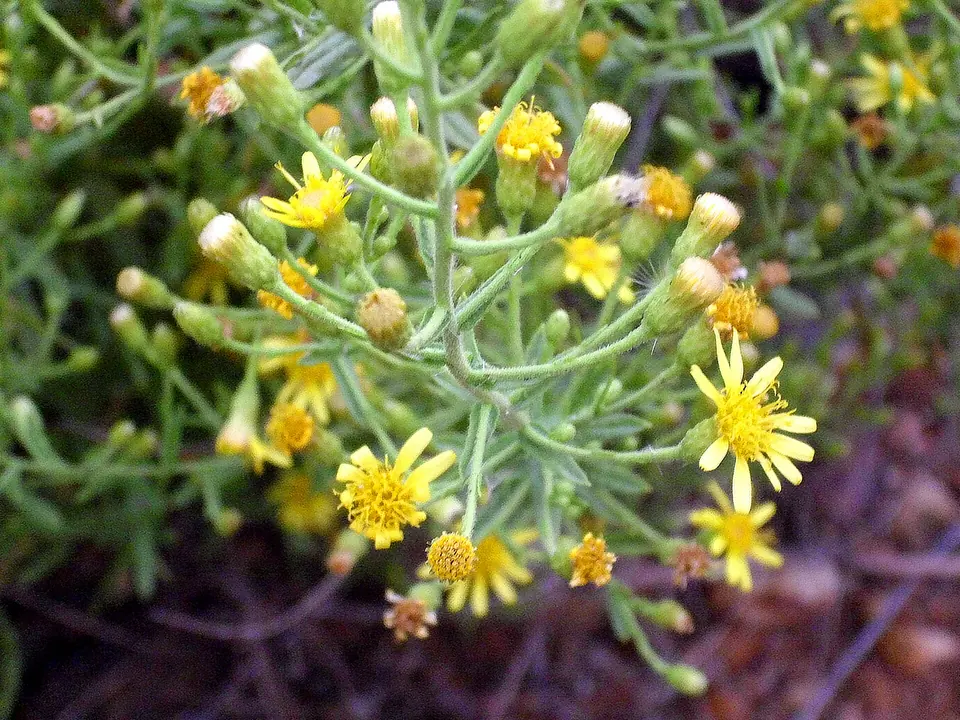
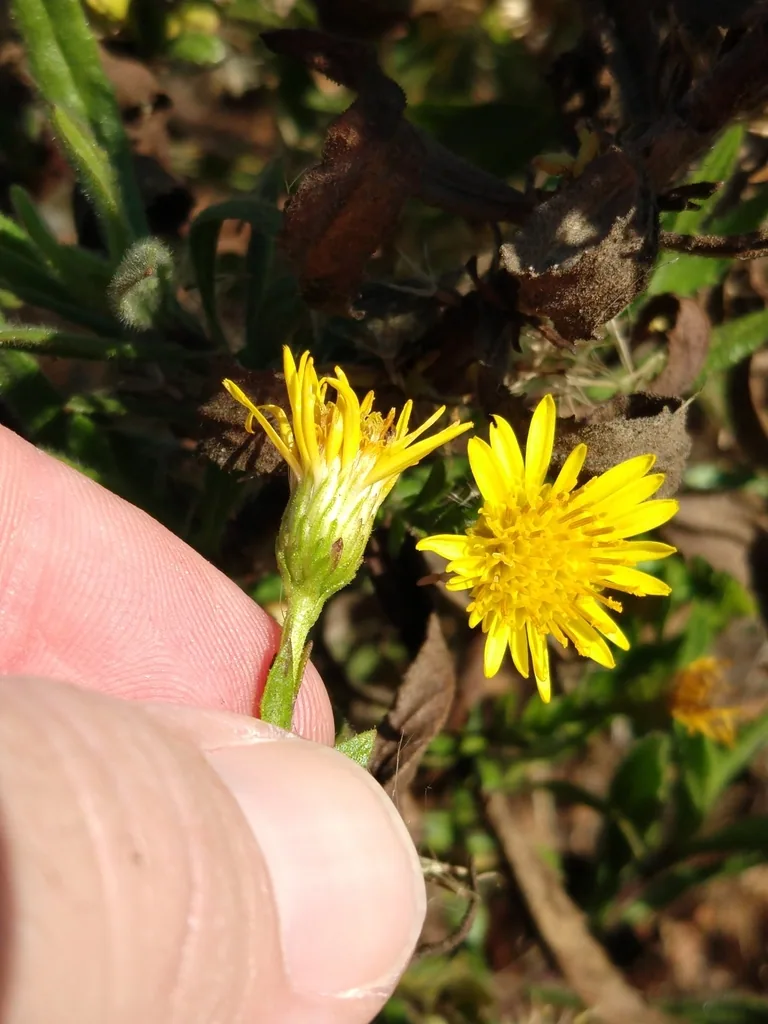
Dittrichia viscosa is an erect perennial shrub 1-1.5 m [3.3–5 ft] tall. [2] It grows freely in a sunny position in ordinary garden soil. [1] It outcompetes native plants and is toxic to livestock. [2]
This record is incomplete: the sources we read do not cover every field yet.
Not yet covered by our sources: Hardiness, coldest zone, Hardiness, warmest zone
Dittrichia viscosa care
Measurements in square brackets are our conversion into the other unit system; the quoted text is unchanged.
How to water Dittrichia viscosa
Moderate
What the sources say (1)
Shade tolerance
no shade
Water
moderateHow much light Dittrichia viscosa needs
Sunny position
What the sources say (1)
Grows freely in a sunny position in ordinary garden soilHow much cold Dittrichia viscosa can take
Hardiness, coldest zone
Not stated in the sources we read.
Hardiness, warmest zone
Not stated in the sources we read.
How to propagate Dittrichia viscosa
Division in spring or autumn
What the sources say (1)
Division in spring or autumn.How to grow Dittrichia viscosa
The plant
Family
Asteraceae
What the sources say (1)
Family:
COMPOSITAE (ASTERACEAE)
Genus:
Dittrichia
Sinònims:
Inula viscosa (L.) Ait.Remedies
Each remedy shows what official sources say about it; traditional remedies without an official source are marked as such. Harmful ones are listed so you know to avoid them.
Getting rid of it
invasive weed
hand-pulling or digging out before flowering Not verified
Traditional remedy, not verified by an official source.
In humans the oil on the leaves and stems causes contact dermatitis, resulting in itching and blistering skin especially if handled when in flower, with some people are allergic to the aromatic oils.
— weeds.org.au [9] How: Before flowering, isolated plants or small patches can be hand-pulled wearing gloves, or removed with a fork, minimising soil disturbance.
regular mowing before flowering and seeding Not verified
Traditional remedy, not verified by an official source.
In humans the oil on the leaves and stems causes contact dermatitis, resulting in itching and blistering skin especially if handled when in flower, with some people are allergic to the aromatic oils.
— weeds.org.au [9] How: Regular mowing before flowering and seeding has achieved some control on roadsides; wear protective clothing.
Is Dittrichia viscosa toxic to pets?
Reported by the source, quoted verbatim. This is not medical or veterinary advice: if a person or an animal may have eaten this plant, contact a poison control centre or a veterinarian.
Similar plants
- Stinkwort Dittrichia graveolens
- African Marigold Tagetes erecta
- American Burnweed Erechtites hieraciifolius
- Aspen Fleabane Erigeron speciosus
- Autumn Goldenrod Solidago sphacelata
- Blessed milkthistle Silybum marianum
- Blue Chalksticks Curio repens
- Blue Wood Aster Symphyotrichum cordifolium
Sources
Every value above is quoted from these documents. Links lead to the original publisher.
- Dittrichia viscosa - Useful Temperate Plants · temperate.theferns.info, consulted
- NSW WeedWise · weeds.dpi.nsw.gov.au, consulted
- Dittrichia viscosa Profile – California Invasive Plant Council · cal-ipc.org, consulted
- False Yellowhead | Dittrichia viscosa (L.) Greuter | Pest Rating Proposals and Final Ratings · blogs.cdfa.ca.gov, consulted
- Online Flora of the Maltese Islands - Plant Family Index · maltawildplants.com, consulted
- October Plant of the Month: Sticky Fleabane (MT: Tulliera Komuni) Dittrichia viscosa – Friends Of the Earth Malta · foemalta.org, consulted
- Dittrichia viscosa (L.) Greuter - Herbari Virtual del Mediterrani Occidental · herbarivirtual.uib.cat, consulted
- Dittrichia viscosa — Practical Plants · practicalplants.org, consulted
- weeds.org.au · weeds.org.au
Written by Emilio Marruso · last checked