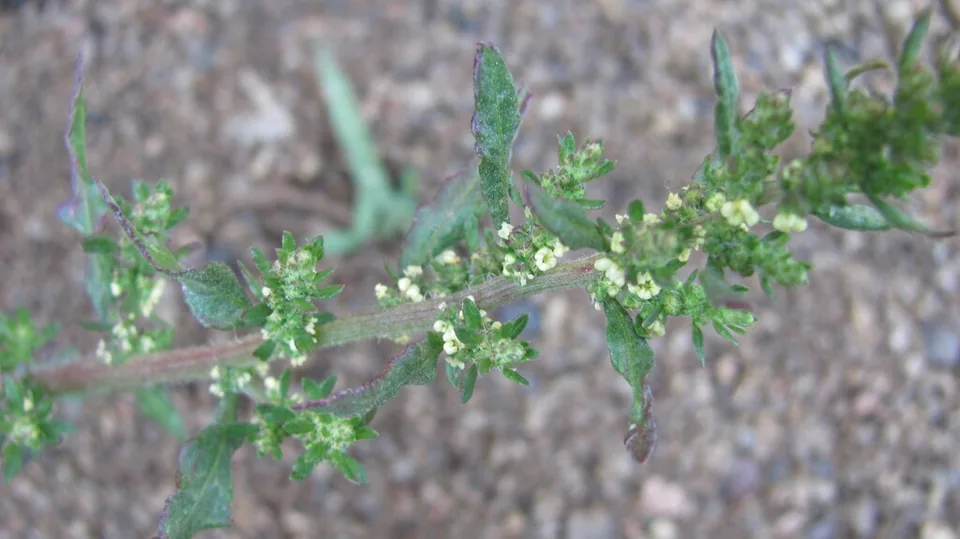
How to Grow and Care for Mexican Tea
Dysphania ambrosioides
Written by Emilio Marruso · last checked
Toxic to: Cats, Dogs, Horses, People · Why
At a glance
Epazote brings a taste of Mexican cooking to your garden: its leaves go into teas, are eaten as a leafy green and flavor many Mexican dishes. Give it full sun and it grows easily from seed into a plant 2 to 5 feet tall, lasting one season or a few years. It reseeds readily, so keep an eye on it, and keep the seeds away from children and pets.
- Sun
Full sun
What the sources say (1)
Light: Full sun
This plant does best in full sun and moderately fertile moist well-drained soil.
— Dysphania ambrosioides (Epazote, Jusuit's Tea, Mexican Tea, Paico, Wormseed) | North Carolina Extension Gardener Plant Toolbox [1] - Harvest
Use the leaves in teas, as a leafy green and in Mexican dishes
- Watch out
Reseeds readily and can turn weedy, so keep it in check
- Size
2 to 5 ft tall
What the sources say (1)
Mature height: 61-152 cm (2-5 ft)
The plant will grow 2-5 feet tall with many irregular side branches and is weedy in cultivated fields, roadsides, streamsides, and waste places.
— Dysphania ambrosioides (Epazote, Jusuit's Tea, Mexican Tea, Paico, Wormseed) | North Carolina Extension Gardener Plant Toolbox [1] - Propagation
Grows from seed
What the sources say (1)
Propagation: Seed
Recommended Propagation Strategy: Seed Country Or Region Of Origin: South America
— Dysphania ambrosioides (Epazote, Jusuit's Tea, Mexican Tea, Paico, Wormseed) | North Carolina Extension Gardener Plant Toolbox [1] - Safety
Poisonous to dogs, cats and horses; eating lots of seeds causes vomiting, convulsions and worse
Overview
Dysphania ambrosioides (epazote, Mexican tea) is an annual or short-lived perennial weed from the tropical Americas. [1] It does best in full sun and moderately fertile moist well-drained soil, and readily reseeds. [1] The source lists it as a medium-severity poisonous plant, with seeds as the poisonous part, while the leaves are used in Mexican dishes. [1]
This record is incomplete: the sources we read do not cover every field yet.
Not yet covered by our sources: Watering, Hardiness, coldest zone, Hardiness, warmest zone, Pruning
Mexican Tea care
How to water Mexican Tea
Not stated in the sources we read.
How much light Mexican Tea needs
Full sun
What the sources say (1)
This plant does best in full sun and moderately fertile moist well-drained soil.How much cold Mexican Tea can take
Hardiness, coldest zone
Not stated in the sources we read.
Hardiness, warmest zone
Not stated in the sources we read.
How to propagate Mexican Tea
Seed
What the sources say (1)
Recommended Propagation Strategy:
Seed
Country Or Region Of Origin:
South AmericaHow to grow Mexican Tea
The plant
Life cycle
annual or short-lived perennial
What the sources say (1)
Mexican tea is an annual or short-lived perennial weed in the buckwheat (Amaranthaceae) family from tropical Americas.Family
Amaranthaceae
What the sources say (1)
Mexican tea is an annual or short-lived perennial weed in the buckwheat (Amaranthaceae) family from tropical Americas.Mature height
61-152 cm (2-5 ft)
What the sources say (1)
The plant will grow 2-5 feet tall with many irregular side branches and is weedy in cultivated fields, roadsides, streamsides, and waste places.Mexican Tea pests and problems
Weediness
Symptom: Weedy in cultivated fields, roadsides, streamsides, and waste places; readily reseeds.
What to do: Not stated in source.
What the sources say (1)
is weedy in cultivated fields, roadsides, streamsides, and waste places. It is self or wind-pollinated and readily reseeds.
— Dysphania ambrosioides (Epazote, Jusuit's Tea, Mexican Tea, Paico, Wormseed) | North Carolina Extension Gardener Plant Toolbox [1]
Remedies
The sources we checked give no remedies for this plant.
Is Mexican Tea toxic to pets?
Reported by the source, quoted verbatim. This is not medical or veterinary advice: if a person or an animal may have eaten this plant, contact a poison control centre or a veterinarian.
Animals
#poisonous #problem for dogs #problem for horses #problem for cats
[1]- Severity
This plant has medium severity poison characteristics. See below
[1]
People
Poison Symptoms: Nausea, headache, hallucinations, vomiting, convulsions, and coma if the seeds are eaten in large amounts.
[1]- Poisonous parts
Terpene peroxide ascaridole and others Causes Contact Dermatitis: No Poison Part: Seeds
[1]- Toxic principle
Poison Toxic Principle: Terpene peroxide ascaridole and others Causes Contact Dermatitis: No
[1]- Symptoms
Nausea, headache, hallucinations, vomiting, convulsions, and coma if the seeds are eaten in large amounts.
[1]- Severity
This plant has medium severity poison characteristics. See below
[1]
The plant was used to help remove intestinal worms but the dose needed can be toxic.
[1]- Toxic principle
Poison Toxic Principle: Terpene peroxide ascaridole and others Causes Contact Dermatitis: No
[1]
Calendar
Pruning
Not stated in the sources we read.
Months as given by the sources, which are mostly from the United States (northern hemisphere). In the southern hemisphere they shift by about six months.
Edibility
Reported by the source, quoted verbatim. Do not eat a plant on the basis of this page alone: identification mistakes can be dangerous.
Leaves are used in teas and as a leafy green and in various Mexican dishes.
[1]
Similar plants
- Goosefoot Dysphania botrys
- Alligatorweed Alternanthera philoxeroides
- Amaranth pigweed Amaranthus hybridus
- Carelessweed Amaranthus palmeri
- Cockscomb Celosia argentea
- Lamb's-quarters Chenopodium album
- Livid Amaranth Amaranthus blitum
- Pigweed Amaranthus retroflexus
Sources
Every value above is quoted from these documents. Links lead to the original publisher.
- Dysphania ambrosioides (Epazote, Jusuit's Tea, Mexican Tea, Paico, Wormseed) | North Carolina Extension Gardener Plant Toolbox · plants.ces.ncsu.edu, consulted
- Mexican Tea - Dysphania ambrosioides | North Carolina Extension Gardener Plant Toolbox · plants.ces.ncsu.edu, consulted
- Wormseed - Dysphania ambrosioides | North Carolina Extension Gardener Plant Toolbox · plants.ces.ncsu.edu, consulted
Written by Emilio Marruso · last checked