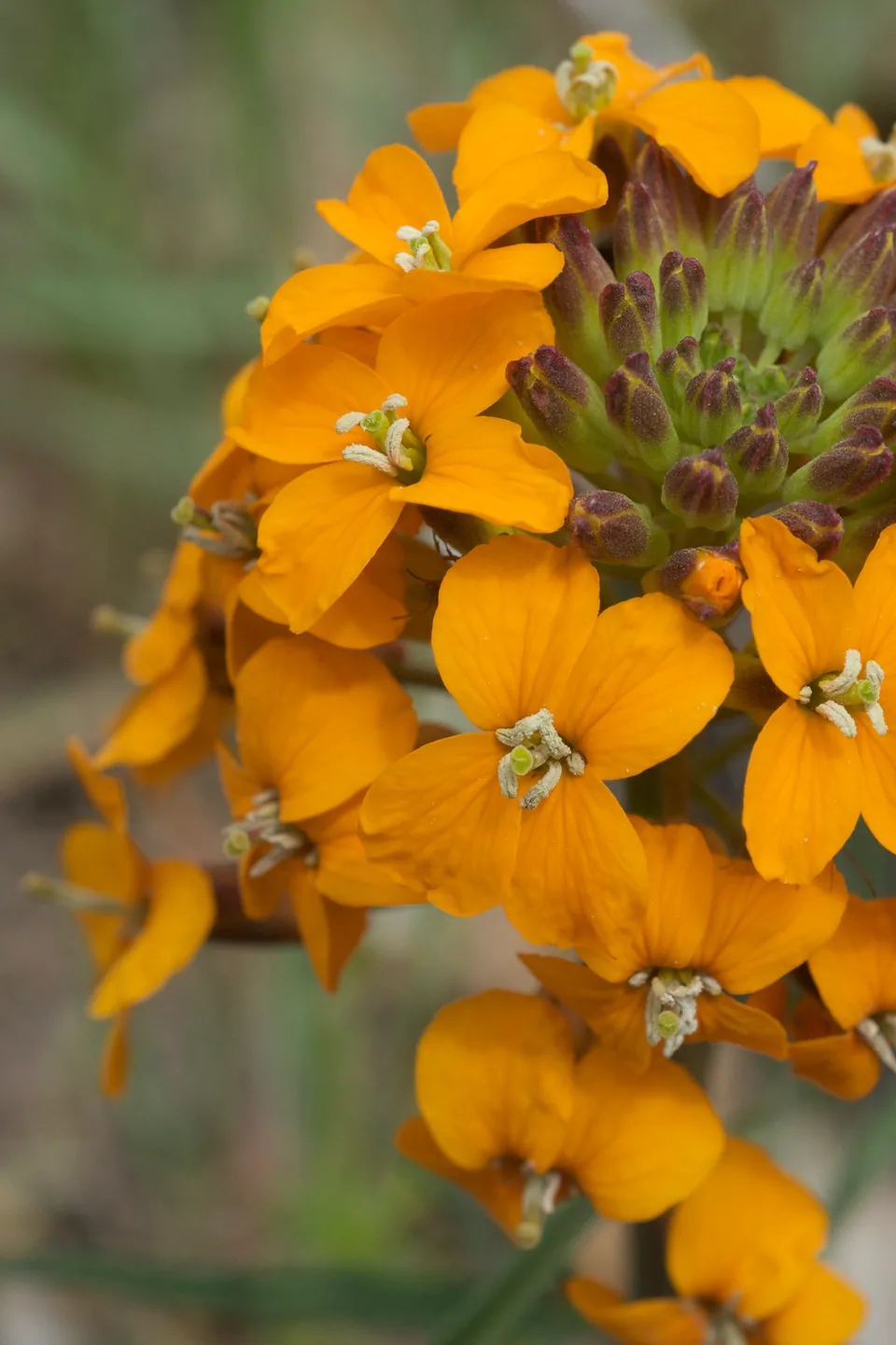
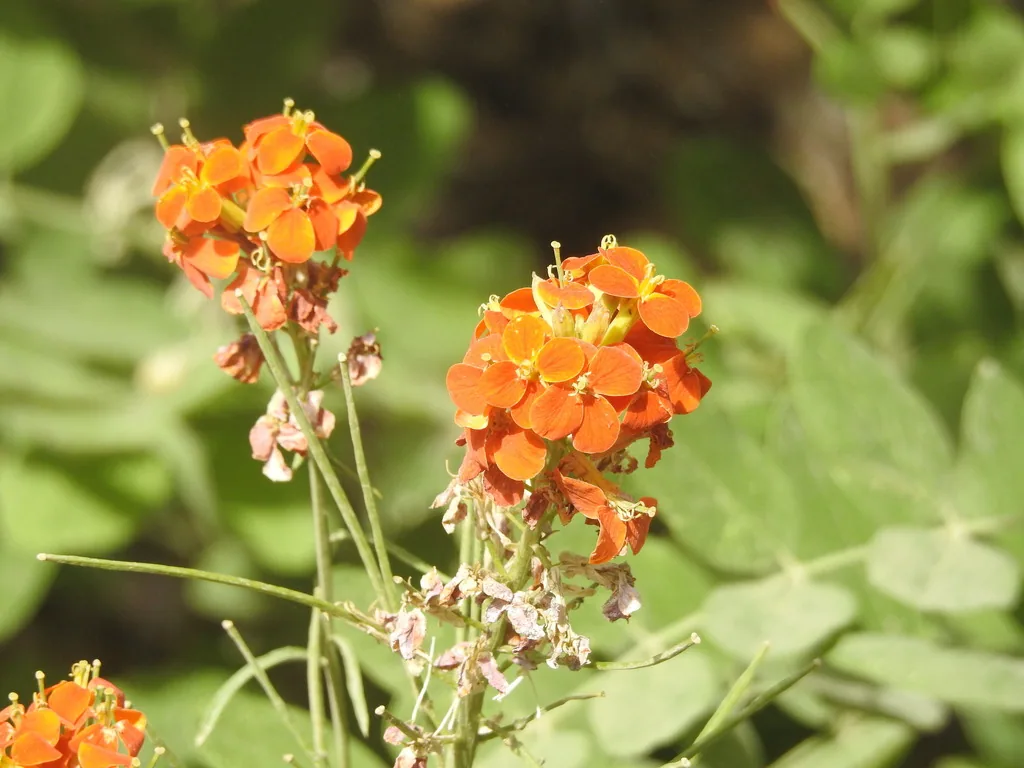

How to Grow and Care for Sanddune wallflower
Erysimum capitatum
Written by Emilio Marruso · last checked
At a glance
This wallflower is an easygoing choice: it handles dry spells and drought, grows in full sun to light shade, and reaches up to 32 inches tall. Give it well-drained soil, and a little extra water in dry months may make the blooms last longer. It lives for two years or a few more, and you can start it from seed.
- Sun
Full sun to light shade
What the sources say (3)
Light: Full sun to light shade
Light Requirement: Sun Soil Moisture: Dry Soil Description: Dry, well-drained soils.
— Lady Bird Johnson Wildflower Center - The University of Texas at Austin [2] western wallflower will brighten up any spot in full sun to light shade
— Pacific Northwest Native Plant Profile: Western wallflower (Erysimum capitatum) | Real Gardens Grow Natives [6] does well in full sun and tolerates dry conditions.
— Western Wallflower | Missouri Department of Conservation [3] - Water
Handles drought; a little extra water in dry months may make it bloom longer
What the sources say (3)
Watering: Tolerates dry conditions and drought; needs well-drained soil
does well in full sun and tolerates dry conditions. It can be naturalized in wildflower gardens and also does well in rock gardens.
— Western Wallflower | Missouri Department of Conservation [3] Tolerant of drought since it typically occurs in dry, rocky, clay, or sandy locations
— Pacific Northwest Native Plant Profile: Western wallflower (Erysimum capitatum) | Real Gardens Grow Natives [6] Watering notes: Takes artificial irrigation if drainage is adequate; additional moisture in dry months may prolong bloom
it needs well-drained soil to thrive, but will take artificial irrigation if drainage is adequate; additional moisture during dry months may even prolong its bloom time.
— Pacific Northwest Native Plant Profile: Western wallflower (Erysimum capitatum) | Real Gardens Grow Natives [6] - Soil
Needs soil that drains well
What the sources say (3)
Watering: Tolerates dry conditions and drought; needs well-drained soil
does well in full sun and tolerates dry conditions. It can be naturalized in wildflower gardens and also does well in rock gardens.
— Western Wallflower | Missouri Department of Conservation [3] Tolerant of drought since it typically occurs in dry, rocky, clay, or sandy locations
— Pacific Northwest Native Plant Profile: Western wallflower (Erysimum capitatum) | Real Gardens Grow Natives [6] Watering notes: Takes artificial irrigation if drainage is adequate; additional moisture in dry months may prolong bloom
it needs well-drained soil to thrive, but will take artificial irrigation if drainage is adequate; additional moisture during dry months may even prolong its bloom time.
— Pacific Northwest Native Plant Profile: Western wallflower (Erysimum capitatum) | Real Gardens Grow Natives [6] - Spacing
1–2 ft between plants
What the sources say (1)
Spacing: 30.5-61.0 cm (1-2 ft)
lso look lovely interspersed with plants such as penstemon. Space plants about one to two feet apart.
— Pacific Northwest Native Plant Profile: Western wallflower (Erysimum capitatum) | Real Gardens Grow Natives [6] - Planting
Plant out young plants raised in pots in early summer
What the sources say (1)
Planting: Early summer (seedlings raised in pots)
When they are large enough to handle, prick the seedlings out into individual pots and plant them out in early summer.
— Erysimum capitatum - Useful Temperate Plants [4] - Watch out
It lives only two years or a few more, so plan to replace it
What the sources say (1)
Life cycle: biennial or short-lived perennial
Short-lived perennial or biennial with erect stems, few branches, leaves few to numerous, flowers are in terminal, rounded clusters.
— Erysimum capitatum - sanddune wallflower | Yavapai County Native and Naturalized Plants [1] - Size
Up to 32 in tall
What the sources say (1)
Mature height: up to 81 cm (32 in)
Lifecycle Biennial or perennial Height Up to 32 inches
— Erysimum capitatum - sanddune wallflower | Yavapai County Native and Naturalized Plants [1] - Propagation
Grow new plants from seed
What the sources say (3)
Propagation: Seed
is quite easy to grow from seed in pots or outdoor beds
— Pacific Northwest Native Plant Profile: Western wallflower (Erysimum capitatum) | Real Gardens Grow Natives [6] Untreated seed planted 1/4" deep will germinate readily. Plant in late summer or early fall.
— Lady Bird Johnson Wildflower Center - The University of Texas at Austin [2] Seed - sow spring in an outdoor seedbed. Germination usually takes place within 3 weeks.
— Erysimum capitatum - Useful Temperate Plants [4]
Overview
Erysimum capitatum is a biennial to short-lived perennial mustard that is cultivated as a garden ornamental and does well in full sun. [3] It prefers dry, well-drained soils and tolerates dry conditions. [2][3]
This record is incomplete: the sources we read do not cover every field yet.
Not yet covered by our sources: Hardiness, coldest zone, Hardiness, warmest zone, Pruning
Sanddune wallflower care
How to water Sanddune wallflower
Watering
Tolerates dry conditions and drought; needs well-drained soil
What the sources say (2)
does well in full sun and tolerates dry conditions. It can be naturalized in wildflower gardens and also does well in rock gardens.Tolerant of drought since it typically occurs in dry, rocky, clay, or sandy locationsWatering notes
Takes artificial irrigation if drainage is adequate; additional moisture in dry months may prolong bloom
What the sources say (1)
it needs well-drained soil to thrive, but will take artificial irrigation if drainage is adequate; additional moisture during dry months may even prolong its bloom time.How much light Sanddune wallflower needs
Full sun to light shade
What the sources say (3)
Light Requirement: Sun
Soil Moisture: Dry
Soil Description: Dry, well-drained soils.western wallflower will brighten up any spot in full sun to light shadedoes well in full sun and tolerates dry conditions.How much cold Sanddune wallflower can take
Hardiness, coldest zone
Not stated in the sources we read.
Hardiness, warmest zone
Not stated in the sources we read.
Where to grow Sanddune wallflower
30.5-61.0 cm (1-2 ft)
What the sources say (1)
lso look lovely interspersed with plants such as penstemon. Space plants about one to two feet apart.How to propagate Sanddune wallflower
Seed
What the sources say (3)
is quite easy to grow from seed in pots or outdoor bedsUntreated seed planted 1/4" deep will germinate readily. Plant in late summer or early fall.Seed - sow spring in an outdoor seedbed. Germination usually takes place within 3 weeks.How to grow Sanddune wallflower
The plant
Life cycle
biennial or short-lived perennial
What the sources say (1)
Short-lived perennial or biennial with erect stems, few branches, leaves few to numerous, flowers are in terminal, rounded clusters.Family
Brassicaceae
What the sources say (1)
Scientific Family
Brassicaceae
Other common names
western wallflower
Plant type
Forbs and SubshrubsMature height
up to 81 cm (32 in)
What the sources say (1)
Lifecycle
Biennial or perennial
Height
Up to 32 inchesRemedies
The sources we checked give no remedies for this plant.
Calendar
Sowing
The sources give different values depending on region, zone or growing conditions.
What each source says
According to Lady Bird Johnson Wildflower Center: Late summer or early fall
According to Temperate Plants Database: Spring
What the sources say (2)
According to Lady Bird Johnson Wildflower Center: Untreated seed planted 1/4" deep will germinate readily. Plant in late summer or early fall.According to Temperate Plants Database: Seed - sow spring in an outdoor seedbed. Germination usually takes place within 3 weeks.Planting
Early summer (seedlings raised in pots)
What the sources say (1)
When they are large enough to handle, prick the seedlings out into individual pots and plant them out in early summer.Pruning
Not stated in the sources we read.
Months as given by the sources, which are mostly from the United States (northern hemisphere). In the southern hemisphere they shift by about six months.
Indicative values
Values from a secondary source, not checked word for word like the rest of this page. Use them as a starting point.
- Drought tolerant
- yesIndicative value, adapt it to your climate · Secondary source
- Soil pH
- 6-7.5Indicative value, adapt it to your climate · Secondary source
- USDA hardiness zones
- 3-7 [winter low −40 to −12.2 °C (−40 to 10 °F)]Indicative value, adapt it to your climate · Secondary source
- Care level
- LowIndicative value, adapt it to your climate · Secondary source
- Growth rate
- LowIndicative value, adapt it to your climate · Secondary source
- Pruning
- March, April, May, March, April, May, March, AprilIndicative value, adapt it to your climate · Secondary source
Similar plants
- Wallflower Erysimum × cheiri
- American Yellow Rocket Barbarea orthoceras
- Annual Candytuft Iberis umbellata
- Basket-of-Gold Aurinia saxatilis
- Cabbage Brassica oleracea
- Candytuft Iberis amara
- Candytuft Iberis sempervirens
- Caucasian Rockcress Arabis caucasica
Sources
Every value above is quoted from these documents. Links lead to the original publisher.
- Erysimum capitatum - sanddune wallflower | Yavapai County Native and Naturalized Plants · yavapaiplants.extension.arizona.edu, consulted
- Lady Bird Johnson Wildflower Center - The University of Texas at Austin · wildflower.org, consulted
- Western Wallflower | Missouri Department of Conservation · mdc.mo.gov, consulted
- Erysimum capitatum - Useful Temperate Plants · temperate.theferns.info, consulted
- Western Wallflower - Bryce Canyon National Park (U.S. National Park Service) · nps.gov, consulted
- Pacific Northwest Native Plant Profile: Western wallflower (Erysimum capitatum) | Real Gardens Grow Natives · realgardensgrownatives.com, consulted
- Plant of the Month - Western Wallflower · smmtc.org, consulted
Written by Emilio Marruso · last checked